Hm, I don’t know if this TikTok is going to show up on WordPress but I’ve been enjoying trying to decipher this video as some extreme listening practice.
On first listen I could only get about 6 words and even now, after showing it to my wife I’m still not able to pick out everything. Being told they were talking about “CS” (Counterstrike, I assume) helped. Something like
Pra vocês que (…) joga o CS (…) caralho, tá aqui o meu tropa Fernando. Fernando, quantos anos já tens?
Dezanove
E qual é o teu rank do CS?
Dragon Lord
Ah pois é puto
Or in English
For all of you who (play fucking counter strike) I have my team-mate Fernando here. Fernando, how old are you?
Like all romance language nerds, whatever my shortcomings as a pub quiz competitor, I am definitely going to come through if the question is “Which two countries have the same name as a bird commonly eaten at Christmas?” Yesterday, in response to a tweet of mine about covid, someone said “Calma que o perú é para o Natal…” and although I understood the words as meaning “keep calm because turkey is for Christmas”, I didn’t really get what he was driving at. I asked the Missus about it and she reckons he’s just saying “there’s no point worrying about the future” or something along those lines. Don’t worry about it till it happens. OK, that makes sense.
Expressions from the C1 Textbook that are vaguely animal-related.
Tratar abaixo de cão – to treat someone worse than a dog, ie mistreat someone (“o meu pai tratou-me abaixo de cão” )
Quando as galinhas tiveram dentes – when hens have teeth, ie, it’ll never happen (“Ele só vai deixar de fumar quando as galinhas tiveram dentes”)
Pensar na morte de bezerra – to think about the death of the… I don’t even know the correct English word here. Heifer? Something like that. A female calf, anyway. The expression means to be miles away, thinking about something else and not tuned in to what’s going on around you (“a professora perguntou-me alguma coisa mas está a pensar na morte da bezerra”)
Ficar pior do que uma barata – to be worse than a cockroach, meaning to be angry. This doesn’t seem to be a very common expression as far as I can tell. I can only find one example online and even that is phrased slightly differently from the Textbook example (“a mãe está pior que uma barata com o filho”)
Ser feio como um bode – to be as ugly as a goat… About what you’d expect really.
Não é como vinagre que se apanham moscas – you can’t catch flies with vinegar, ie, if you want to win people over you have to give them what they want. The dicionário informal give a slightly depressing sample sentence “Com este seu gênio não vai arrumar namorado, pois não é com vinagre que se apanham moscas.” You won’t get a boyfriend by being a genius, because you can’t catch flies with vinegar. There you go, girls, there’s some good life advice for you.
Estar com a pulga atrás da orelha – To have a flea behind the ear, ie to be paranoid or to lack confidence (“normandos sempre tão rude, hoje deu-me um presente. É caso para ficar com a pulga atrás da orelha
Cair nas garras de alguém – to fall into someone’s claws, ie to be at their mercy (“O chancelor caiu nas garras da indústria alemã”)
Meter-se na boca do lobo – to put oneself in the wolf’s mouth, ie to put oneself in danger (the verb here can be cair as in the previous expression, if the person has got into danger by mistake instead of through heroism or hubris (“Não percebes que estás a meter-te na boca do lobo?”)
Meter o rabo entre as pernas – to put ones tail between ones legs, ie to admit defeat or accept humiliation (“depois de levar uma pancada de Will Smith, Chris Rock meteu o seu rabo entre as pernas”)
Meter a pata na poça – to put the hoof in the puddle, which is equivalent to the English expression “to out your foot in it”, ie, make a mistake (“Chris Rock meteu a pata na poça ao aludir à falta de cabelos da mulher de Will Smith”)
I’ve got a backlog of texts I’ve written for this blog but there aren’t many correctors around so the last couple of days’ posts are still sitting in drafts. They’ll all arrive in a rush, five at a time, I expect.
OK, let’s try and decipher why this tweet is funny. I have no idea but I expect finding out will be an educational experience…
Mestre de Avis, bazando do Paço depois de fazer a folha ao Conde Andeiro (1383): pic.twitter.com/vgq5zVFd20
Bazar is a sort of slang way of saying “leave” and Fazer a folha a alguém means making a leaf but as an expression it means plotting against someone. So…
The Mestre de Avis getting out of Paço after scheming against Count Andeiro (1383)
Basically, the gist of the story is here, and it goes back to the interminable story of Spain (Castille) wanting to dominate Portugal. After the death of Dom Fernando I in 1383, there was a wrangle over succession. Fernando’s only daughter had already been promised in marriage to King Juan I of Castille (despite being er… Only ten years old at the time… OK, let’s try not to think about that too much) but there was a treaty in place (O Tratado de Salvaterra de Magos) that explicitly ruled out Castille claiming dominion over Portugal as a result of that alliance.
João Fernando de Andeiro, known as Conde Andeiro had been a close advisor of Dom Fernando and remained a power in the land and a powerful influence over Fernando’s wife, Dona Leonor. But he was galician, born in Spain and there were rumours that he was too friendly toward Castille and that he was sleeping with Leonor and using his leverage as a way to undermine Portuguese independence. Things came to a head when Juan turned up in Santarém “persuaded” Leonor to renounce her regency and to allow the monarchy to pass to him and his primary-school-age wife.
“Take My Wife’s Name Out Of Thy Mouth”
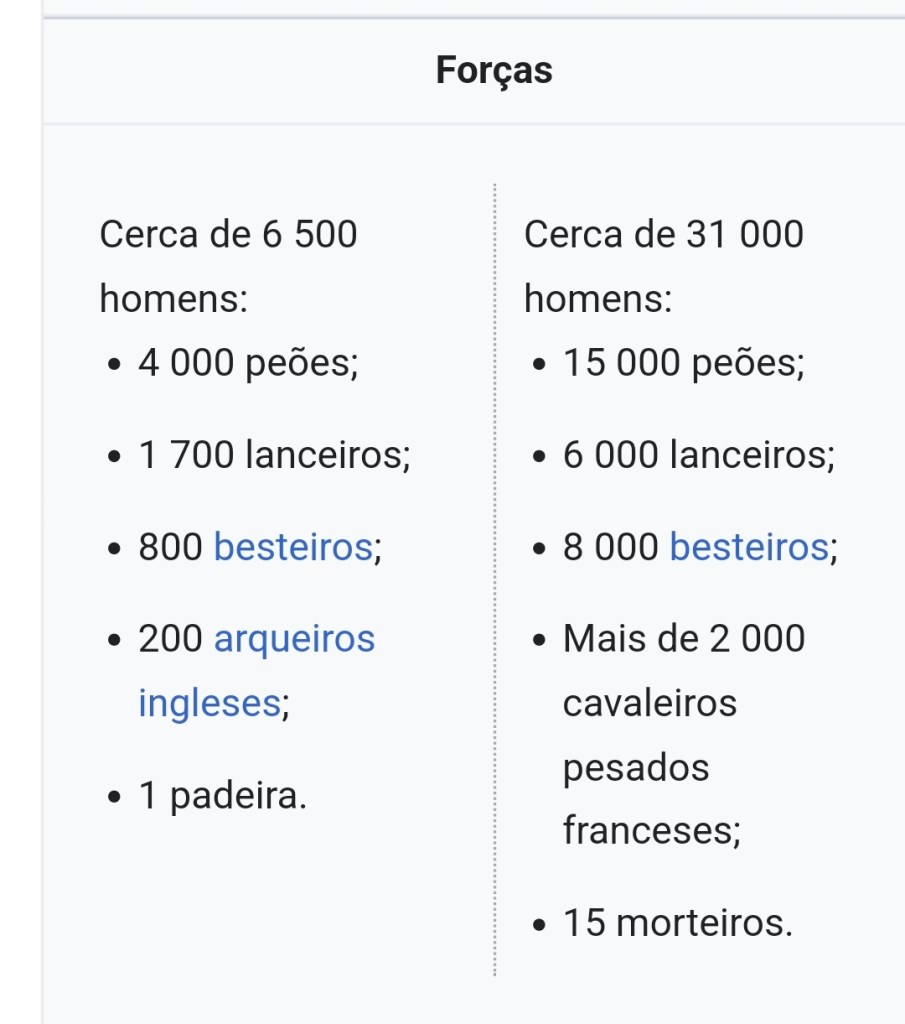
The Mestre de Avis, later known as João I, meanwhile had been proposed as an alternative successor to the throne by the court of Coimbra, and he rocked up one day in Paço with a bunch of friends and beat Andeiro to death. Thus started a crisis in the Portuguese succession which lasted a couple of years, culminating in the Battle of Aljubarrota, in which the Spaniards had their arses handed to them. Hilariously, the wiki page of the battle enumerates the forces on both sides and includes “1 padeira” on the Portuguese side. That’s a reference to A Padeira de Aljubarrota, a national hero. Her real name was Brites de Almeida and when she returned to her bakery after the battle she found seven Spaniards taking refuge in her bread oven (what? How big was the thing?) so she beat them with a shovel, slammed the door and lit the fire to bake them to death along with her bread. I have difficulty visualising this story to be honest, but I guess I’m not an expert in mediaeval bread-making technology.
Episode 8,947 in my series “Trying to Decipher Stuff I Found on The Interwebs” Have you come across this meme before?
The idea is, the murderer can’t find his prey so he starts singing a line of a song everyone knows, that nobody can resist finishing, and it forces the victim to reveal his hiding place. I’ve seen a few incarnations of it but this was the first time I’d seen a Portuguese version so I thought I’d try and work out what the song was.
What makes it difficult is I think there’s a typo. It should say “Oliver Benji” but I guess someone’s spellcheck changed Benji to Beiji. The rest of the line “são os magos da bola” means “are wizards of the ball”. It’s a reference to a Japanese Anime series called Captain Tsubasa which was shown in Portugal under the name “Campeões – Oliver e Benji” from 1983 to 86. It must have been popular at the time, because if you dig around on Google you can find sticker albums of it and everything. I guess if you are a certain age the nostalgia must run deep.
Second sighting of one of my favourite expressions: gatos pingados. I mentioned this one back on 2017, when I read it in a short story, so I recognised it straight away, referring to the Azov battalion (the bogeymen in Putin’s anti-Ukraine propaganda) as “half a dozen wet cats without the slightest influence in the country”. Wet cats, drippy cats, basically stragglers, lonely people. You’ve also got a second expression, much more familiar to English speakers “cereja no topo do bolo” (the cherry on top of the cake)
A BBC a deitar por terra as tretas sobre nazis na Ucrânia. Resumo: é meia dúzia de gatos pingados sem a mínima influência no país. Cereja no topo do bolo: nem o famoso batalhão Azov é um ninho de nazis. É tudo propaganda russa. https://t.co/m5GFfPj3LY
There’s a woman on Twitter who is always mentioning “Padroeiros e eiras do dia” – the patron saints. She typically names various followers of hers who share a name with whichever Saint is celebrating their saint’s day. Since my twitter alter ego is Pedro, and the Catholic Church seems about 890 St Peters I get a shout out quite often. I’m not Catholic but I quite like it. People being brought together by sharing a name.
César from the Homo Causticus blog gave me a challenge a few days ago, to write about Brazilian Portuguese. Since this is a blog about European Portuguese, I thought the best way to do that would be to compare the two flavours. I’ve written it in English and then translated each paragraph into Portuguese as I go, just for the challenge. Thanks to dani_morgenstern and butt_roidholds for the corrections, but it’s quite long so if I have missed any errors, that’s all on me.
I quite often see people online asking what is the difference between Brazilian and European Portuguese and sometimes people will reply “there’s no difference, it’s just the accent”. Well, up to a point, Lord Copper. The accents certainly are different, but there’s a lot more to it than that. If you’re starting out on your Portuguese journey, you should definitely stick to just one version at first, at least until you have a good grounding in the language, because in addition to the accent you’ll find Brazilian Portuguese has quite a lot of differences in vocabulary, slightly different grammar, differences in spelling, even after the Acordo Ortográfico. They even have different ways of saying “you”. Brazil is a larger country with a more powerful media industry so I think Brazilians are probably less aware of the differences than Portuguese people are because they are less likely to be exposed to TV or movies in the other dialect.
Muitas vezes, vejo pessoas online a perguntar qual é a diferença entre Português brasileiro e Português europeu, e às vezes a resposta é “não há diferença, só há sotaques diferentes. Hum… Até certo ponto, Senhor Cobre*. Os sotaques são mesmo diferentes mas há mais do que isso. Se estiveres no início da tua “viagem” portuguesa, recomendo que permaneces com um único dialeto do idioma até ficares mais confiante porque, além do sotaque, irás achar que o português brasileiro tem diferenças de vocabulário, uma gramática ligeiramente alterada, algumas variações de ortografia (apesar do AO) e até uma outra maneira de usar o pronome da segunda pessoa singular. Brasil é um país maior com uma mídia mais ativa, portanto acho que os habitantes estão menos conscientes da distância entre os dois, porque estão menos expostos aos meios de comunicação do outro lado do Atlântico.
Of course, both countries have a range of accents, but in very general terms, Brazilians tend to be a lot easier to understand. They pronounce a lot of things in really surprising ways, but once you tune into it, it’s at least pretty clear. They don’t swallow as many letters, and you don’t find yourself struggling to pick out four or five words that have all been run together. The main thing that sounds weird to European ears is the way Ds and Ts sound when they appear before an E or an I. The D in a word like Divertir, say, sounds like a hard J, or like the DG sound in the English word “edge”. Meanwhile, the T in the same word sounds like the CH sound in a word like “Chips” . Check this page for an example. Brazilians also tend to hit vowels with a bit more emphasis, including the last syllable in a word ending in e. A word like “verdade” for example would be a two syllable word in Portuguese because the final E practically disappears and the D has a pleasing breathy quality to it (I really like it!). The same word in Brazilian has three syllables and sounds like “verDADgee”. There are examples of both on this page for you to compare. The effect is that Brazilian Portuguese has a “bouncier” rhythm to it.
Claro que ambos os países têm um leque de sotaques, portanto não faz sentido falar de “sotaque português” e “sotaque brasileiro” mas, regra geral, os brasileiros são mais fáceis de entender. O seu modo de falar tem aspetos muito estranhos (aos nossos ouvidos anglófilos), mas uma vez que nos acustomamos aos sons e aos ritmos, é bastante claro. Não engolem tantas letras e não deixam as palavras aglomerarem-se umas com as outras, dizendo “quéq tázafazer” em vez de “O que é que estás a fazer”. O que mais marca um aluno europeu é a sua maneira de pronunciar os Ds e os Ts que vêm antes dum É ou dum I. O “D”, numa palavra como “Divertir”, soa como um J duro ou o DG de “edge” em inglês. Os brasileiros também pronunciam os vogais com mais stresse, inclusive a última sílaba duma palavra que termine com E. Uma palavra como “verdade”, por exemplo, tem duas sílabas em português de Portugal. O “E” final quase desaparece e o “D” soa suave e ofegante (adoro!). No Brasil, a mesma palavra tem três sílabas distintas porque o “E” é mais forte. Além disso o “D” antes do “É” muda para DG como já disse: verDADgee. Isso significa que o português brasileiro tem um ritmo mais…hum… saltitante, digamos assim…?*
*Throughout this paragraph I originally used feminine articles for the names of letters “a D” and so on, because the word letra itself is feminine, but apparently when you use the name of the letter in its own you’re really indicating symbol /sign so you use male articles “o D”. I was referred to a Ciberdúvidas article on the subject.
You /Tu
There are lots of different ways of addressing someone in the second person. In European Portuguese it’s usually Tu for informal situations but there are gradations of formality that require “você” ou “o senhor” or whatever, and the verbs all get conjugated in the third person. There’s also this weird pronoun “vós” that most textbooks just ignore. Let’s try not to even think about that one. In Brazil, on the other hand, it’s just você across the board, and you only really need to learn first and third person verb endings. These people learning Brazilian Portuguese have it easy eh?
Há muitos métodos de falar com alguém na segunda pessoa em português. Em Portugal, é geralmente “tu” no dia-a-dia, mas em situações mais formais, usa-se você ou “o senhor” ou algo do género, que exige um verbo na terceira pessoa. Ainda por cima existe o pronome vós que se usa em determinados contextos (embora a maioria dos livros sobre gramática portuguesa para estrangeiros o ignorem) mas nem pensemos nisso. No Brasil, pelo contrário, usa-se sempre você. Aquelas pessoas que aprendem português brasileiro têm uma vida fácil, né?
Vocabulary /Vocabulário
Like US English, Brazilian portuguese has evolved slightly differently and diverged from its European cousin. In some cases, it has retained aspects of the language that the Portuguese have dropped (sorry, I’m not going to give any examples of this because I’d be out of my depth but I’ve been told it’s true). In other cases, they have developed new words over the course of years, based on preference, contact with other languages and just the sheer passage of time. Of course, this is going to be most obvious in slang. My favourite example of diverging vocabulary is the translation of “The Girl on the Train” by Paula Hawkins. In Portugal it’s called “A Rapariga No Comboio” but nobody in Brazil says Comboio, even though it’s a legitimate word in Brazilian Portuguese, they say Trem instead, and although Rapariga does exist it’s… Not a nice word. So the book is called A Garota No Trem instead.
Assim como o inglês americano, o português do brasil evoluiu diferentemente e afastou-se do seu primo europeu. Em determinados casos, retém aspetos antigos da língua, que já desapareceram do português europeu (desculpa, não tenho exemplos mas ouvi falar disto). Noutros casos, desenvolvem-se novas palavras e expressões ao longo dos anos, por causa de preferências regionais, do contacto com outras idiomas e da passagem de anos. Claro, este fenómeno é mais óbvio no calão. O meu exemplo preferido de divergência de vocabulário é a tradução do “The Girl on the Train” de Paula Hawkins. Em Portugal, o título do livro é “A Rapariga no Comboio” mas no Brasil ninguém diz “comboio”, mesmo que a palavra exista, antes dizem “trem”. E rapariga existe também mas no Brasil, é uma palavra feia. Portanto o livro foi intitulado “A Garota No Trem”
Grammar /Gramática
There are only a couple of differences in the actual grammatical structure, so far as I’m aware, but feel free to shout out any others in the comments. Firstly, in Brazilian Portuguese, the object pronoun basically always comes before the noun, so it’s more consistent. So “I bought it” = “o comprei” in Brazil and “I didn’t buy it” is “não o comprei”, whereas in Portugal it would vary according to context: “comprei-o in most cases, but it flips in negative sentences (“não o comprei”) or a few other contexts (more detail here if this is not familiar).
The other big one is the use of the gerund. Again, I’m afraid this is another area where Brazilian is probably easier than European Portuguese, at least for English speakers. In European Portuguese if you want to say “I’m talking” you say “estou a falar”, which is fine, but falar is an infinitive so if you translate it literally you get “I am to speak”. Brazilians just say “estou falando”. Falando is a gerund, so it is really equivalent to “talking”, in English, so in short, it’s much more like English grammar.
Tanto quanto sei, há apenas duas diferenças de gramática. O primeiro tem a ver com a próclise e a ênclise. A próclise aplicar-se quase sempre em português brasileiro – ou seja, o complemento vem sempre antes do verbo (O comprei /Não o comprei) . Em Portugal, por outro lado, a posição depende do contexto (Comprei-o /Não o comprei)
A segunda diferença é o uso do gerúndio em tempos verbais do presente contínuo. Este é mais um exemplo dum aspecto da língua no qual o português brasileiro é mais fácil (para nós anglófonos) do que o europeu. O brasileiro “estou falando” soa mais parecido com o inglês “I’m talking” ao contrário ao português europeu, no qual se usa o infinitivo, tipo “estou a falar” que soa estranho aos nossos ouvidos.
Spelling / Ortografia
And so finally we reach spelling. Well, that’s easy, the AO has sorted it all, right? Sadly, no, there are still a few spelling variations around. Brazilians seem to like circumflexes (^) more than the Portuguese do but there are far fewer than there once were.
Finalmente chegamos à ortografia. Foi tudo resolvido pelo AO, certo? Infelizmente não, porque ainda existem várias diferenças de ortografia. Acho que os brasileiros gostam mais do acento circunflexo, mas, hoje em dia, não há assim tantas diferenças entre os dois dialectos.
I mentioned the “Parra” map in reddit but in the course of chuckling about someone else’s typo, I typed “mãos” in place of “mais”. Someone replied with “diz o roto ao nu”. Obviously an expression of some sort. Apparently its full version is “Diz o roto ao nu, porque não te vestes tu?” I get the gust if this but wasn’t sure what “Roto” meant because it has a ton of different meanings. In this case, though, it means someone whose clothes are all raggedy. The ragged-clothed guy said to the naked guy, why don’t you get dressed?
Of course, they both need to get dressed but we can’t always see our own faults. It’s a little like the pot calling the kettle black. In fact, there’s an even more similar expression meaning the same thing: “diz o tacho ao sertã, tens o cu preto” where a tacho is a small, cylindrical pan and a sertã is a big, deep pan like a skillet or a casserole dish or something. Both have had their arses blackened by exposure ginthe flame.
Eu a a minha esposa casamo-nos há vinte anos (dia vinte de março 2002)
E ainda não sou fluente. 😕
We had a good day though. Saturday was Portuguese Father’s Day too but it passed by unnoticed. I can’t wait till I get dual citizenship so I can have two father’s days a year. That’s how it works, right?



 Luso
Luso 