Posted in English

Let Us Now Learn From Absolute Bellends

So according to my socials this morning, this comedian guy has been thrown off Instagram for making a Barbie joke. Let’s pick it apart and extract the juicy vocabulary goodness within.

“A Mattel lançou uma Barbie com Trissomia 21, uma edição especial. Não é uma ideia original, toda a gente sabe que os chineses já vendem bonecas com defeito”

The what now?

Trissomia rang a bell but I couldn’t quite place it so I looked it up, but of course I should have just read the text below, because it’s explained there: Downs Syndrome. Oof. OK, well if you’re going to go there, you’d better make it a good joke, because people don’t tend to be very sympathetic if you’re just going to be pointlessly spiteful and cruel.

The joke hinges on the word “Defeito”. I looked it up in some Brazilian and portuguese dictionaries to see if there was a meaning of defeito that would make it gel into a joke. For example, is “defeito” a standard, non-insulting way to describe a learning disability? If so, it would still be a shitehawk joke, but at least we’d be able to see that he was going for an actual double-meaning and the the joke would just about work as a critique of Chinese manufacturing. It doesn’t seem to be though. Learning disability in portuguese is “deficiência mental”, which, if you translate it to its english cognates still sounds pretty off but obviously words have slightly different weights in different cultures, so I can only assume it doesn’t sound insulting to native speakers. When I look up “pessoas com defeitos”, all the listings relate to people who are arrogant or lazy or have some other character defect. So it doesn’t really work. I get that he’s having a pop at Chinese manufacturing but in the process I think he’s just saying people with Down’s are defective. Which just seems cruel to me.

So yeah, it’s just a shitehawk joke. I don’t think he should have been thrown off Instagram for it though. People like Jimmy Carr and Frankie Boyle have been making shittier jokes than that for years and they never seem to be short of work. Of course their jokes are also quite well crafted, so there’s that.

Instagram could have just left it there and let the lack of laughs and the virtual heckles act as their own negative reinforcement mechanism, but that’s not how it played out.

Posted in Portuguese

A Postagem Da Vizinha

OK, first of all, ignore the title of this. I was aiming for a parody of the classic portuguese “pimba” song, “A Garagem da Vizinha”, a touching tale of a man who, when his neighbour’s husband is out of town, is able to “use her garage” (wink wink), but although the word postagem does exist, and almost means the same as correio in Brazil, it doesn’t really work in portuguese at all.

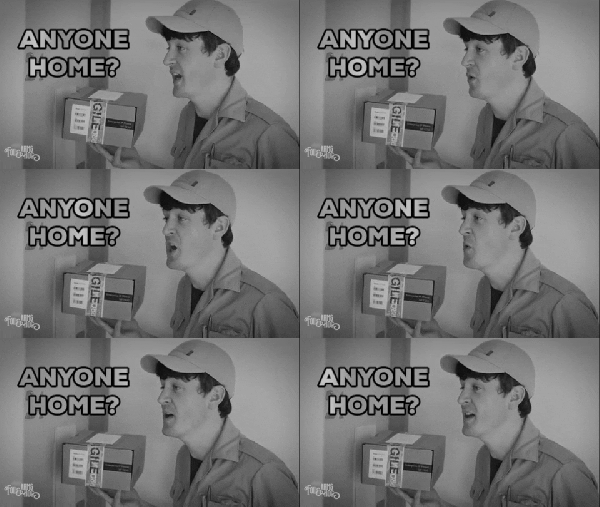
Uma sérvia, que mora no terceiro andar, pediu-me ontem, através do WhatsApp, “Importas-te de receber uma encomenda do Amazon? Vai ser entregue amanhã, mas estou na Sérvia com a minha mãe. A data original da entrega era o dia 26 de maio, mas mudaram o dia para amanhã”

Claro que não me importa, mas espero que o Amazon se apresse, porque o sol está a brilhar e quero correr no parque! Quando os meus familiares acordarem, podem esperar, mas costumo levantar-me 5 horas antes deles no fim-de-semana e provavelmente estou preso em casa até às 10 ou 11 horas da manhã.

(Custou-me muito encontrar uma palavra para usar neste título, mas, se não me engano, “postagem” tem este significado (enviar pelo correio) apenas no Brasil. Podem sugerir uma palavra alternativa que termine em “-agem” para que eu possa chatear os portugueses com os meus trocadilhos sem ofender ninguém?)

Posted in Portuguese

Uma Tragédia Na Rua

Today’s text sounds like one of those #diedsuddenly things online ghouls are so fond of. I don’t know about the circs though, so I’ve no idea what the background is. Thanks to Talures for the help. As usual, notes and comments in the footnotes.

Ontem, um funcionário da associação de habitação* veio para cortar a relva. Não pensámos muito nisso. Como já disse**, hoje em dia, o jardim é um assunto polémico e a associação quer apaziguá-nos.

Eu estava a trabalhar no meu portátil, e a minha esposa saiu de*** casa para fazer compras. Quando voltou, havia uma ambulância e dois carros de polícia em frente da casa. Não prestei muita atenção, mas esperava (claro) que não fosse nada muito a sério.

Mas era. O funcionário*** voltara a sua camioneta. Talvez se sentisse doente. Sentou-se e, para resumir uma longa história, um transeunte encontrou-o morto na camioneta.

Acho isto muito chocante. Nem sequer era velho. Pobre homem. Pobre família dele?

* Housing association. Housing associations don’t actually exist in Portugal though, so this isn’t really a thing. O Condomínio was suggested instead. This is obviously a word that can refer to what we know as a condominium, but the definition has some overlap with the concept of a service charge paid for maintenance of shared private space (definition 3 in Priberam)

**Quite a while ago now – it’s the second section in this post.

*** I always want to say “sair da casa” (=left the house) but it’s just sair de casa (=left house)

**** I actually wrote “o cortador de relva” – the grass cutter, but unfortunately it’s confusing because that phrase really only means “lawnmower”.

Posted in Portuguese

O Dia do Exame

A minha filha faz hoje o primeiro dos exames* do último ano da escola. Como podem imaginar, ela está ansiosa. Saiu de casa num estado de nervosismo extremo. Não me admira. O exame é uma prova oral de francês. Depois há uma semana até ao próximo (filosofia). Lembro-me dos meus exames quando tinha a mesma idade. Não são nada fáceis mas confio nela. É inteligente. Podia ser mais trabalhadora mas todos nós podíamos, não é? Vai conseguir.

* Hm, interestingly, I was corrected on using the words teste and exame interchageably. I wouldn’t give this a second thought in english, and this Cíverduvidas article gives teste and exame as roughly synonymous too, so I don’t think there’s a huge difference between them but I guess it was a bit confusing…

Posted in Portuguese

A Festival Eurovisão da Canção

A minha filha torceu muito pela Finlândia. Não faço ideia porquê, mas acho que gostou das roupas bizarras e do comportamento ultrajante mais do que da* música. Acabou em segundo lugar, atrás da cantora sueca. Não vi o espetáculo (estava a escrever português, como um bom aluno) mas vi algumas artistas: a portuguesa, Mimicat de que gostei bastante (melhor concorrente desde o Salvador Sobral na minha opinião), o sérvio (que grande seca) e a francesa (uau, o vestido dela era incrível!)

Parabéns aos concorrentes todos mas sobretudo aos vencedores, a Suécia.

* I missed out the “de” part of this preposition both here and in front of “comportamento”. Remember if you use gostar de the “de” has to apply to all the things you’re liking!

Favourite Eurovision Reel
Posted in Portuguese

Shorties

Short corrected texts, with footnotes about the more interesting corrections. Thanks to Talures and Dani for the corrections

Dores de Mão

Acabei ontem de escrever um post no meu blogue. Foi uma descrição e resposta aos conteúdos dum vídeo e levou-me muito tempo. Bati nas teclas com os meus dedos até sangrarem*. O texto é demasiado longo para copiar neste subreddit. Só queria explicar para que vocês simpatizem comigo por ter tantas dores de mão.

* I wrote “até sangraram” meaning “Until they bled”, but after the word até you need a personal pronoun. It’s more like “until bleeding”

Vizinhos. Toda a Gente Precisa de Bons Vizinhos

Temos um grupo no WhatsApp para os residentes no prédio. Hoje ouve uma discussão polémica sobre a altura dos arbustos ao lado da porta de entrada. A maioria dos membros queriam arbustos mais baixos (para que os pequeninos estejam mais visíveis) mas uma mulher abelhuda que anda sempre a meter-se em tudo rejeitou* a sugestão. Em breve, metade do grupo estava a sair para estabelecer uma nova comunidade Online. Estou sem palavras. Quem diria** que um arbusto podia causar tanto drama?

*I said “negou”, but that’s crap. They rejected it, they didn’t deny it.

** I said “quem sabia”, but that’s too literal a translation of “who knew?”.

Sabugeiro

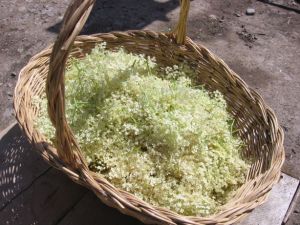
Elderflowers image from Wikipedia. Spitfire (Tally-ho!) 18:40, 11 March 2009 (UTC)
Elderflowers – snapped by Spitfire. See alt text for full attribuition

A minha filha fez uma garrafa de xarope de sabugueiro. Começou ontem mas teve de deixar as flores mergulhadas na água durante 24 horas. Mas agora o xarope está no frigorífico pronto para usar. Já experimentamos um copo cada um e é delicioso.

Probably not a very common word,

Ruibarbo

Adoro ruibarbo e ainda bem, porque há 4 plantas… 5… Quatro e meia. Há quatro plantas e meia no meu lote de terra na horta comunitária. Trouxe 4 talos hoje e fiz um crumble. 😋

Posted in Portuguese

Calvin e Hobbes

It’s actually called Calvin e Haroldo in Brazil but in Portugal they use the original name, thank goodness. Thanks to Iteachptpt for the help.

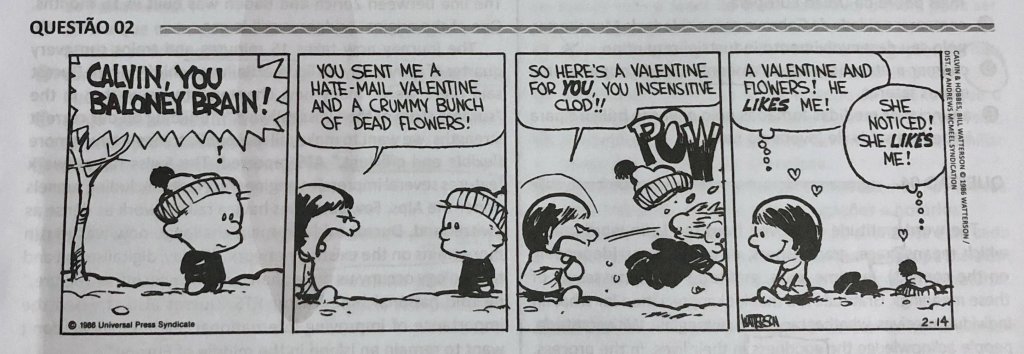
Acabo de ver uma dúvida dum brasileiro sobre uma banda desenhada que fez parte dum teste de inglês.
Aqui está:

Como deve ter custado muito responder, decidi traduzir o diálogo para que eu partilhe o sofrimento dele.

Quadradinho* 1:         

Susie: Ó Calvin, seu burro! (Literalmente cabeça de… Chouriço ou algo do género)

Quadradinho 2:

Susie: Enviaste-me um cartão de ódio pelo dia dos namorados

Quadradinho 3:

Susie: Aqui está um cartão para ti, seu idiota insensível!

Quadradinho 4:

Susie a pensar: Um cartão do dia dos namorados! Gosta de mim!

Calvin a pensar: Deu por mim. Gosta de mim.

*=I wrote “quadrinho” but that’s a brasileirismo

Posted in English, Portuguese

Se Esta Rua Fosse Minha

Translation time! This one is by Oquestrada and it’s cool. I especially like how the ghost of Ernie, the fastest milkman in the west, shows up and starts playing a pocket trumpet.

These are lyrics. I thought she was just freestyling in the middle but then realised the lyrics I was using for the translation were totally different! It’s actually an older song, from Brasil, possibly from the 19th Century, and I’d picked up those lyrics instead of the Oquestrada version. They’re really different; in fact, even the title is slightly different. Brazilians use “essa” slightly more often than portuguese people, so the name of the song is “Se Essa Rua Fosse Minha” – Essa, not Esta. Anyway, deleted it all, started again, and here you go, with the right version.

PortugueseEnglish
Se esta rua, se esta rua
se esta rua fosse minha
eu mandava-a, eu mandava-a
eu mandava-a ladrilhar
com pedrinhas de rubi
só para o meu amor passar
Ah, se esta rua, se esta rua
se esta rua fosse minha
com pedrinhas de rubi
só para o meu amor passar
If this street, if this street
If this street were mine
I’d order it, I’d order it
I’d order it to be paved
With ruby cobblestones
Just for my lover to pass by
Ah, If this road were mine
I’d order it to be paved
With ruby cobblestones
Just for my lover to pass by
Ah, lá porque és feia tem calma
não te faltam seduções
mais vale ser linda de alma
do que linda de feições
mais vale ser linda de alma
do que linda de feições
Ai o amor, o amor
o amor é como a lua
ora cresce
ora mingua é
Ai o amor, o amor
o amor é como a lua
ora cresce
ora mingua
ah, pois é
Ah, just because you’re ugly, calm down
You don’t lack seductions
It’s better to have a beautiful soul
Than beautiful features
It’s better to have a beautiful soul
Than beautiful features
Oh love, love
Love is like the moon
Now it waxes
Now it wanes
Oh love, love
Love is like the moon
Now it waxes
Now it wanes
For sure
Que bom ser pequenino
ter pai, ter mãe, ter avós
ah, ter esperança no destino
e ter quem goste de nós
Ai, é tao bom ser pequenino
It’s so good to be a child
To have father, mother and grandparents
To have hope in our destiny
And to have people who like us
Oh it’s so good to be a child
Se esta rua, se esta rua
se esta rua fosse minha
eu mandava-a ladrilhar
com pedrinhas de rubi
só para o meu amor passar
Se esta rua fosse minha
eu mandava-a ladrilhar
só para o meu amor passar
só para tu e tu e tu e tu e tu
passar
If this street, if this street
If this street were mine
I’d order it, I’d order it
I’d order it to be paved
With ruby cobblestones
Just for my lover to pass by
Ah, If this road were mine
I’d order it to be paved
With ruby cobblestones
Just for my lover to pass by
Posted in Portuguese

O Despertador

Thanks to Iteachptpt for the corrections

Desliguei o despertador hoje de* manhã. A minha filha também desligou o dela. Ambos pensámos “só mais 2 minutos e… Zzzzz”

Para resumir uma longa história, ela chegou atrasada à escola. Que vergonha…

*Reminder for daft people like me who quite often muddle it up:

De tarde, de noite are used in situations where you’re basically looking for an adjective: an afternoon run, say, or where its something you do every night “De noite, leio e bebo chá”.

À noite and À tarde até about a specific night or a specific afternoon: “À noite, li e bebi chá”

Mornings are different because amanhã means tomorrow, so saying “à manhã” would be confusing so that would be de manhã too. Likewise “madrugada”

Posted in English

Comics Corner 🤓

As a tremendous intellectual, I really like comics. Sorry, I mean graphic novels. I’ve said it a lot so it’s probably not a huge surprise. It was a good way to ease my way into reading portuguese and I still like to go back to the format when I fancy something easy. Bertrand has an offer on Banda Desenhada at the moment if you fancy stocking up. I quite fancy this one, myself, but I’ll probably have to find a few more. It’s not really worth ordering just one book from abroad because the P&P is quite high – you need a few to make it worthwhile.

Em www.bertrand.pt