Posted in English

Short Shorts

I heard about this channel, Portuguese Dips the other day. There are some really good little snippets in there: little useful bits of language to pick up and spice up your spoken language, mostly. This for example isn’t really something I see often in traditional lessons but it definitely seems plunderable. A good one to add to your YouTube follows.

Posted in English

An Unlesson

I’ve just had a meeting with a Portuguese teacher who I thought was doing something interesting. Her name is Catarina and she runs The Language Unschool.

If you hang around the various online forums where Portuguese learners congregate, you’ve probably come across a lot of teachers looking for new students among the pool of curious, interested, potential learners who are trying to figure out where to start. The teachers usually have YouTube channels with a range of topics new learners are interested in: how to watch subtitled TV, how to use Ser and Estar, how to say the days of the week and so on, and they use that to draw in paying punters.

Catarina was fishing in darker waters though. She contacted me via Reddit after I’d already been writing in WritestreakPT every day for a few weeks and invited me for a free consultation. I liked the sound of the school. The package has a few components: a smartphone app, grammar videos, group sessions activities that aim to draw out people’s Portuguese voice and getting them talking. She seemed very switched on and presented the options well.

She’d really made an effort to demonstrate her personal touch too, because she’d looked at some of my recent posts, where I’ve talked about my January yoga binge and she’d actually teamed up with a local yoga teacher and made a video about yoga in Portuguese, released on the day she contacted me 👇

As a piece of entrepreneurship, it was impressive. I felt like she was making an effort to win me over as a customer: where most teachers aim for broad appeal, she seemed to be aiming for a specific niche. That’s how it felt anyway: the approach, the description, even the pricing structure, all seemed to be tailored to suit people who had already made up their mind to stick at it long term.

Anyway, I tried out the yoga video yesterday morning . I had to turn the subtitles on because I couldn’t hear very well but the inbuilt YouTube subtitles have a black background. That created some unexpected humour, because at one point the teacher got down on the floor and… And then I couldn’t see her any more! It looked like she’d had a sudden attack of shyness and decided to hide behind the subtitles, which made me laugh out loud. Anyway, if you fancy giving it a go, maybe play with the video settings and see if you can change the subtitles so they don’t have a background.

As I’ve said in some previous posts, doing workouts in Portuguese is a good way of learning some of the more niche body vocabulary and you’ll get a decent stretch out of it too, so what’s not to like?

I’m still pondering whether to go for the course. I’ll sleep on it. I definitely like the idea, and I need something to boost me towards spoken fluency, but I’m not sure how it fits into the rest of my life. Also, with the third world war around the corner, maybe nothing matters any more.

Hm, got a bit dark there at the end, didn’t it? I caught a glance at the news. Sorry.

Posted in English, Portuguese

The Yogaing Dead

Here’s a text I wrote, with correction notes at the bottom. Thanks to Eqdif and Dani_Morgenstern for the help. I’ve finished my thirty day yoga experiment now but as you can see we’re still using it as a family workout despite the lack of floor space in our flat. Writing about yoga on here has brought me a lot of new follows and likes from yoga-related bloggers, which is nice (hello yoga peeps!) but I hope they don’t think I’m some sort of fitness influencer because I can’t live up to that kind of expectation!

This isn’t the routine we were doing but it’s by the same instructor and it seems to fit the theme of the text!

A minha filha anda cada vez mais obcecada com a saga* Walking Dead, traduzida em francês. Mas ela precisa de ajuda portanto lemos juntos. Hoje passámos umas horas a ler. Uma vez que não tinha feito o meu yoga diário** (29 dias malta!), sugeri “faz uma sessão de Yoga comigo e depois lemos mais umas páginas.” ela concordou mas com pouco entusiasmo.

Durante a aula, estavamos de pé, ela no meu lado esquerdo, com as ancas dobradas***, as cabeças viradas para baixo e os braços pendurados frouxamente em direcção ao chão.

A professora disse “vira a cabeça para a direita”. Obedecemos. “Depois, volta para o centro… Agora, vira a cabeça novamente mas desta vez para a esquerda.”

Virei a cabeça na direção dela. Ela estava ainda virada para mim. Os nossos olhos encontraram-se e ela gemeu “Riick Grrriiimes”. Desatámos às gargalhadas.

* Although Série can be used it’s used to refer to a TV series, and I’m talking about the series of graphic novels, hence the word saga instead.

** Despite ending in an a, yoga is masculine apparently.

*** what I’m describing here is what the yoga instructor calls a “forward fold”, but the expression I tried to use – “dobrados da anca” = “bent from the hips” doesn’t really work so I’ve used the suggested “with our hips bent”. TBH, it’s a slightly odd phrase even in English, so I shouldn’t be that surprised but I’m pretty sure it’s how she describes the pose.

Posted in English

The First Rule of Bruno Club

My daughter is currently obsessed with the new Disney Film, Encanto, so she’s listening to different language versions of the song “We Don’t Talk About Bruno”. There are a couple of Portuguese versions of it, but of course Brazilian Portuguese is usually more common. This is the European version (lyrics only, from the official accounts so as not to risk them dropping of YouTube before you see this)

And the Brazilian

You can have fun spotting the differences between them. Just a quick warning though, in case you haven’t seem the film, it’s about a Colombian family and even the English version has Spanish words in it. They probably blend in better in Portuguese, but “Mi Vida” is Spanish for example. The noun sounds like Portuguese but the possessive pronoun gives it away; and Abuela isn’t a name, it’s Spanish for Avó. Those are the only ones I can remember off the top of my head but I might be missing one of two, so keep your wits about you.

Posted in English

Tuga Yoga

No it isn’t a Massive Attack song, or a river in Cleveland, it’s a follow-up to my last post about yoga/ioga (both spellings seem to be used). Big thanks to Paul who replied directly. I asked some folks on reddit too and these seem to be the available options:

  • RTP Play’s #fitemcasa was Paul’s suggestion and I don’t know why I didn’t think of looking at this sooner, honestly! The sound quality isn’t as good as you’d expect from a national broadcaster, but I guess it was made in the early days of the acovolypse so it’s probably not that surprising that they hadn’t got their act together yet.
  • LiDL (yes, remember them?) have a few yoga workouts in their lockdown workout section, led by Filippa Barros, who I believe is a basketball player.

But those seem to be about the only free ones. Of course, a lot of instructors who used to do only in-person gym classes are now doing online classes, so if you don’t mind paying you could also try

The brazilian instructor I mentioned was a bit disappointing, I’m afraid. Hardly any effort. I felt like I’d barely got started when it ended.

Posted in English

“Eu é Mais Bolos”

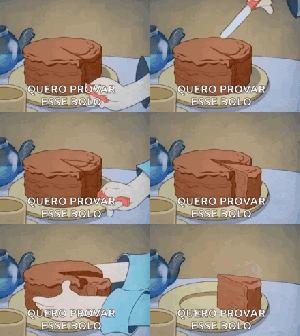
Eu é mais bolos

I keep seeing people write this on twitter. The context is usually a bit iffy, but I can tell its not just a random collection of words thrown together, despite the slightly confusing use of “é” after “eu”.

Apparently, it comes from an old sketch, done by veteran comedian Herman José in which he plays José Severino, a pastry chef who has accidentally been invited onto a talk show to discuss radiography. When it came out – exactly thirty years ago – it was immediately successful and people started saying it to each other, and even now, in 2022, it lives on on social media.

“eu é mais bolos”

Posted in Portuguese

Gló-ó-ó-ó-ó-ó-ria Hosanna in Excelsis

Whoop! Cheguei ao meu centésimo texto no subreddit Writestreakpt sem falhar* um dia!

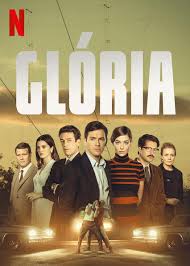
Glória, the first ever Portuguese series on Netflix
Glória

Terminei, dois ou três dias atrás, a série Glória, que é nada mais nada menos que a primeira série portuguesa na Netflix. É incrível. Não é perfeita (=não é o Breaking Bad) mas é uma série que vale mesmo a pena: bem escrita, com um elenco de bons atores, um realizador hábil e um enredo repleto de tensão.

A história decorre em Glória do Ribatejo, em 1968 em plena guerra fria. A CIA, em parceria com o governo da época, está a transmitir notícias, entretenimento e propaganda aos países comunistas, mas entretanto o PIDE e o KGB têm os seus próprios motivos para espiar nos membros da equipa. Ao mesmo tempo, claro está que a sociedade portuguesa tinha os seus próprios insatisfeitos naquela altura, principalmente os membros das forças armadas que, daí a 6 anos, (spoiler alert) derrubariam o Estado Novo.

Vemos, então, uma história centrada num lugar anormal, que não representa bem a sociedade dos anos sessenta, mas muitos fios importantes na situação política encontram-se aí representados no fundo da série.

É muito difícil para nós estudantes ouvir o diálogo e compreender tudo mas existem legendas em PT-PT que ajudam muito. No meu caso, depôs de rever o primeiro episódio (uma vez não foi suficiente para compreender quem era quem e quem torcia pelos comunistas e blablabla!), fiquei com entendimento o suficiente para entender o resto da série.

*=i keep using “pular” in situations like this. On Internet sites, “pular anúncio” means “skip advertisement” but it’s a Brasileirismo. Portuguese people don’t use Pular in that sense.

Posted in Portuguese

O Problema do Mal

O Trabalho de Casa de hoje é sobre a religião e a ciência. O primeiro texto centra-se na figura de  William Lane Craig. Eu sempre pensei que Craig fosse Americano (Oriundo* dos EUA) mas pelos vistos nasceu na América do Sul, num país onde se fala português. Ouvi um discurso dele em que ele defende que é logicamente impossível Deus criar um mundo sem mal enquanto os seres humanos forem livres. Uma vez que as pessoas tenham a vontade própria, é inevitável a existência do mal. Guerra, assassinatos, pobreza… Mas também fenómenos naturais tais como depressão, cancro, morte de crianças, deficiências mentais. Este gajo não consegue imaginar um mundo sem estas coisas em que nós permanecemos independentes.

A Charada da Bicharada

Fiquei irritado com tal parvoíce. Para desanuviar**, assisti a um vídeo d’A Charada da Bicharada que é um livro infantil da Alice Vieira, com ilustrações bonitas e um modo de usar palavras que acho encantador. Assim, utilizei a minha vontade para escolher o bem. Espero que Deus tenha reparado nisso e, da próxima vez que ele crie um mundo, deixe os habitantes com os prazeres e sem os sofrimentos. Obrigado.

*I really like this word. It sounds like the name of a fairy queen or something but it just means something like “coming from”, “native to” or “originating in”

**Wow, I’d never come across this word before. The corrector suggested it as an alternative to some bad choice I’d made. It’s like diffuse tension, or unwind.

Posted in Portuguese

Lisboetas

O meu trabalho de casa de hoje é assistir o documentário Lisboetas de Sérgio Trefaut. Conheces? Ai, que seca. Tem cem minutos de duração. Não há narração nem argumento, só gravações de conversas na rua, numa sala de espera e outros lugares quotidianos.

As personagens falam de escudos e também de euros, portanto acho que as conversas têm lugar na segunda metade dos anos noventa do século passado. Pois bem, mas a situação hoje em dia é muito diferente e não acho que consiga aprender assim tanto destas conversas aborrecidas.

Aguentei durante 15 minutos e depois desisti porque perdi a vontade de viver.

I’m not wrong, am I?
Posted in Portuguese

Relatório DB Novembro

Seguindo o conselho da praptipanda e da dani_morgenstern, já vi a nova edição do Relatório DB com Diogo Batalhadealjubarrota. É muito engraçado.

Diogo Bataguas explains pá
“Fuck off, pá!”

Parece que toda a gente está a falar da rubrica “Tema Mais Grande Do Mês” no qual o apresentador, Diogo Batguano responde ao menosprezo do Trevor Noah. O Trevor tinha feito algumas piadas sobre Portugal, dizendo que o país não produz nada de* interessante além de cães de água. O Senhor Batmimton explicou as vantagens de viver num país com um serviço nacional de saúde e sem metralhadoras por todo o lado. Falou também dos bens exportados pelo país, tais** como cortiça, vinho, cortiça, golos marcado pelo Ronaldo e hum… Já mencionei cortiça?

E fez tudo isso em inglês com legendas portuguesas. Às vezes a divergência entre as legendas e o diálogo tem muita graça. Perto do final, enquanto ele está a explicar o uso da palavra “pá”, as legendas dizem “Vai pentear macacos pá” para traduzir as palavras de uma atriz*** que exclama “Fuck off, pá!”

Os fãs do programa estão a apoiar o seu pedido de “Just Say Pá, Trevor”. Ou seja, se disser “pá” no seu programa, o país absolvê-lo-á

It’s starts at about 12:45 #justsaypátrevor

*=Nada de interessante (“nothing of interesting”) seems a but surprising but there it is!

**=I usually use “tal como” but of course the tal (“such”) is an adjective so needs to change with plurals

***=apparently she’s a comedian and youtuber called Luana do Bem