Posted in Portuguese

O Vegetarianismo

Today’s writing challenge was to write on the theme of vegetarianism and veganism. I might have stretched the terms a little bit. Anyway, there are notes at the bottom. Thanks to Pistaxia for the corrections.

Tornei-me vegetariano quando tinha 15 anos. A minha mãe revirou* os olhos. “Então podes cozinhar a tua própria comida, rapaz” disse ela. E cozinhei. Isto acabou por ser uma grande vantagem porque quando cheguei à universidade, eu era quase o único estudante que sabia cozinhar. O único estudante masculino sem dúvida! Durante o primeiro ano de ensino superior os bombeiros visitaram o prédio de alojamento dos estudantes porque alguém tentou grelhar fiambre ainda no pacote (porque? Suponho que ele só sabia usar o micro-ondas).

Havia mais um génio que tentou preparar batatas assadas usando a seguinte receita:

Colocar uma batata numa caçarola, sem água.
Tapá-la.
Acender o fogão ao máximo.
Sair da cozinha e esperar no quarto durante uma hora, fitando a televisão boquiaberto**.

E assim por diante.

Passei a ex-vegetariano em 2004 quando a minha esposa (naquela altura, mais um comedor de feijões ) ficou grávida. Falámos e decidimos que não fazia sentido excluir fontes ricas em proteína e em vitaminas enquanto ela estivesse a tentar criar um bebé na sua barriga. Continuámos a comer carne já na nossa meia-idade, mesmo quando a bebé já tenha 16 anos e tinha saída há muito tempo da barriga. Pior ainda, hoje em dia, queremos evitar hidratos de carbono para não engordarmos, portanto acho que comemos ainda mais carne do que anteriormente!

*=revirar is the right verb not rolar when someone rolls their eyes.

**=one of my favourite words. Boquiaberto is made up of boca and aberto, so it’s just this idea of being slack-jawed, staring at something in amazement or whatever.

Posted in Portuguese

Uma Separação

Another text with corrections this time from Dani Morgenstern. I made a ton of mistakes. Embarrassing.

Ontem à noite, eu e a minha filha fomos às compras. Regressámos ao pôr-do-sol com um pacote de gelado e alguma fruta*.

Falling flower pot

A caminho ao apartamento, ouvimos um grande barulho e alguma coisa partiu-se na nossa frente. Pelo som, achámos que era uma garrafa que alguém tinha deixado cair. Havia dois rapazes. Talvez tivessem feito uma asneira qualquer. Mas quando nos aproximámos do** sitio do incidente, descobrimos que não foi uma garrafa mas sim um vaso de plantas. O rapaz mais próximo erqueu as mãos e mostrou um disco de halter.
-Estão em processo de separação – disse ele, ao indicar uma janela dum apartamento no segundo andar – Já atiraram alguns destes pesos
Ele disse isto em voz alta e não há dúvida que o casal no apartamento ouviu***.
– Podia ter-me matado!

Julgo que a pessoa magoada tinha tanta vontade de esvaziar a sua casa da tralha da outra que não pensou na**** segurança dos transeuntes lá em baixo, em frente à janela.

*=Fruta means fruit in general as in the sentence “remember to eat plenty of fruit if you want to stay healthy”. Fruto is an individual fruit. By the way, something that threw me for a long time is “fruto seco” which sounds like it ought to mean raisins, sultanas, prunes and things like that but it means nuts.

**=aproximar seems to be one of those verbs that wants a de after it in a lot of situations. “Get closer of the place” sounds weird to our ears but there you go. According to Guia Prático de Verbos com Preposições by Helena Ventura and Manuela Caseiro, “Aproximar(-se) de =acercar(-se) de, chegar perto de”. And it gives a couple of examples.

***=casal (“couple” in the sense of “married couple”) is one of those words that we would tend to think of as a collection of two people but Portuguese is much stricter about treating it as singular so my “ouviram” was wrong, changed to “ouviu”

****=another preposition gotcha. In Portuguese is you are just considering something in a general way, you think on it. (pensar em). I wrote “pensar de” which is a literal translation of think of (the safety of others), but pensar de is only used when taking about an option. “O que pensas do filme” =what do you think of the film.

Posted in Portuguese

Linkedin

Today’s text translation with notes at the bottom. Corrections by ThisCatIsConfused

Será que és membro de LinkedIn? Costumo ignorá-lo geralmente mas estou “entre empregos”* neste momento portanto tenho que usá-lo mais.

That guy from the American Office being a douche
My LinkedIn Bio

Para quem não conhece o site, é uma rede social, muito parecido com o Caralivro** mas mil vezes mais chato. Todas as pessoas no site querem. mostrar as suas competências essenciais (ou seja querem se vangloriar) e gostam de sinalizar ao mundo o tamanho das suas almas (ou seja, querem se vangloriar novamente) e sentem um poderoso desejo de apoiar os direitos de pessoas mais vulneráveis (ou seja, querem se vangloriar mais uma vez)

É muito mas mesmo muito cansativo.

As definições do site permitem os utilizadores escolherem a idioma do site e eu gosto de ler a Internet em português mas ando sempre preocupado que os outros integrantes (sobretudo empregadores anglófonos) vejam as minhas competências em português também. Hm… Talvez eu deva mudar aquela opção…***

*=Between Jobs. This does seem to exist as a euphemism for unemployed just as in English. This guy comes up in the search results, for example

**=This is just a silly joke. Facebook in Portuguese is just Facebook. You don’t have to translate names like this.

***= changing all your Internet settings to portuguese is something I mention in the Language Hacks guide, to increase your exposure to portuguese. In theory it should be safe in LinkedIn because if you select an option like “Gestão de Dados” (Project Management) in the options it should be seen by other users in their own native language. You can see this by swapping languages back to English and checking your own profile. I’m not sure how much I trust this to work seamlessly though so I think it’s probably safer not to if you are in job-seeking mode.

Posted in Portuguese

A Colheita

Today’s text is about starting to harvest the allotment. ThisCatIsConfused was kind enough to correct it for me

Já falei do meu lote de terra na horta comunitária? Acho que sim mas não me lembro. Enfim, estamos perto da época de colher frutas. Os morangos, as framboesas, as groselhas tornam-se vermelhas e roxas. Infelizmente, existe um esquilo que acredita que o nosso pequeno quintal é a sua despensa privada. Enfia-se a cabeça abaixo da rede para comer os morangos todos. Comprei um rolo de rede de galinheiro mas as lacunas entre os fios são largas demais.

Além das frutas, há ervas tal como alecrim, coentro e hortelã, é uns vegetais tal como espinafre, acelga e (daqui a pouco) curgetes*.

*=this vegetable goes by many names. I usually call it abobrinha which is one of my favourite

Posted in Portuguese

A Besta do Jardim

Another daily text, kindly corrected by Butt Roidholds. Notes at the bottom.

Ao reitrar* umas ervas daninhas perto das framboeseiras, encontrei cerca de uma dúzia destes monstros aterrorizadores. São larvas de lucano** (ou “vaca loira”) portanto ainda que pareçam assustadoras tento não as transtornar. Coloco-as no solo atrás de uns troncos apodrecidos, abrigado por uma silva. Estarão felizes lá, acho.

Behold the Beast!

*=I don’t know why but I’d never come across this ao+infinitive combination before. It can be used to introduce a subordinate clause like this. “Pulling out weeds in the garden, I found…” I originally wrote it as a present participle: “retirando umas ervas daninhas” but that’s less natural.

**=this one probably won’t be in most people’s vocabulary. It’s a stag beetle larva. Stag beetles are our largest insects and I love them. The alternative name, Vaca Loura, means blonde cow, which is hard to explain.

Posted in English

Neuter Kids on the Block

I mentioned a few weeks back that I had backed out of a seminar on suffragettes in Portugal. Well, the tutor, seminar leader, whatever, sent out an email with some course materials. I was interested in the opening lines (In the image up there, 👆) Can you spot it?

As you probably know, portuguese has two genders, masculine and feminine, and all nouns have one or the other, even though physical objects and abstract concepts have no biological sex, they are all sorted into two categories too. And if referring to a group of – say – two women and two men, or even a thousand women and one male cat, the fact that there’s a mix of genders means you use the masculine as default so it would be “eles” not “elas”. Obviously this seems a bit silly on its face. I’m not going to get on my soapbox here because it’s not my language, but it seems like it would be fairer if you went with the majority or something. Anyway, what you have in the screenshot is the use of “querides” with an – es ending instead of either – as or – os.

It’s easy to see why this makes sense from a feminist point of view since mixed groups shouldn’t default to the masculine ending. It’s not just a typo either. At the end she says “beijinhos para todes”, which I keep pronouncing as “toads” and imagining a princess/frog situation.

I’ve had someone explain to me that e can be used as an ending for people describing themselves as “non-binary”. I haven’t seen any examples of this in the wild. For example, if you read the Wikipedia entry for Sam Smith you’ll find it carefully written to avoid any pronouns or gender-specific endings that refer to him directly. Where they do exist they are made to refer to other nouns. For example in the first paragraph it says “é uma personalidade britânica” where the a on the end of britânica refers to “personalidade” not to Smith himself. I think it would be kind of silly to squeeze gender-specific endings out of words referring to people, since a language that has gender for everything except people would be even sillier than a language that has gender for everything including people. IMHO one of the best things about English is that you don’t have the faff of remembering random genders for every single object and every single idea that has ever existed. If they don’t have a sex then they are all just “it”, and that’s beautifully simple.

O Feminino é o Moderno

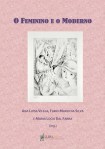
And one final thought on gender: I always find it odd that for example the idea of feminity itself is masculine. What do I mean? Well, there’s a book called “O Feminino e o Moderno” by Ana Luísa Vilela, Fábio Maria da Silva and Maria Lúcia Dal Farra. Why is The Feminine Masculine? Weird historical reasons, that’s why!

Equally surprising is the word “grávida” (pregnant) which, if you look it up, is defined as the feminine version of grávido, as if men could get pregnant and in fact pregnant men were the default. It’s all a bit Judith Butler if you ask me.

Posted in Portuguese

Póquer

Today’s Portuguese written work is about my mis-spent youth playing poker in Preston in the eighties. There are notes at the bottom. Thanks to Dani Morgenstern for the corrections.

Quando eu era jovem, os meus pais tinham* uns amigos – os Robinson – que eram um padre na igreja anglicana e a sua mulher. Tinham três filhos – dois rapazes e uma rapariga. Uma vez por mês (mais ou menos) havia festas na casa deles ou na nossa nas quais as duas famílias jogavam cartas juntas.

Jogávamos póquer principalmente. Estávamos nos anos oitenta, portanto não havia nada de** saudável nesta situação. Toda a gente fumava (incluindo os filhos mais crescidos), toda a gente bebia vinho, cerveja e (ainda pior) coca cola (desculpe, Cristiano), e comia chocolate***. Ouvíamos a música popular da época, escolhida pelos adultos de cada família, tal como Electric Light Orchestra e Doctor Hook e Elkie Brooks e apostávamos pequenas somas de dinheiro – talvez cinco libras – que os pais proporcionavam da sua garrafa. Sim, não me engano, quero dizer “garrafa” mesmo: os meus pais poupavam moedas numa enorme garrafa de whisky vazia, com dez litros**** de capacidade.
Se ganhássemos qualquer quantia acima da soma inicial, permitiam-nos ficar com a diferença. Numa noite de sorte, conseguíamos ganhar o suficiente para comprar uma banda desenhada e umas guloseimas na tabacaria. Jogavamos até depois de meia-noite. E foi assim que aprendi a jogar póquer!

*=this sort of text is a good example of use of the imperfect tense because its about something that used to happen regularly. I kept forgetting and slipping into perfect tense so a few of the corrections were examples of that.

**=I forgot the de. Nada de saudável. “Nothing of healthy” not “Nothing healthy”. And so we see the dangers of translating English phrases literally instead of writing the way Portuguese people write.

***=I wrote “chocolates” because we were eating quality street but chocolate in Portuguese refers to chocolate the substance not chocolate the discrete unit of delicious goodness so you can’t do that.

****=actually I’ve no idea what the capacity was but it was the size of a small child. In the original I said it was cinco galões, but although “galão” does mean gallon, nobody uses gallons in Portugal and it’s best to avoid it because there is a kind of coffee called a galão (it’s mentioned in this video from Practice Portuguese at about 1:45, for example) so if you use the word in conversation you’ll convey the idea that your car gets fifty miles to the milky coffee… Which is probably good if you are trying to win investment in your coffee-powered auto company but in most situations it’s just going to cause confusion.

One word I didn’t use in this is “baralhar” which means to shuffle a pack (baralho) of cards, but it can be used in other contexts where you’re mixing things up and putting things into a state of randomness. I happened to notice the same word the other day when I was looking at training courses available on the Bertrand website. One is about critical thinking and its called “Baralhar e Voltar a Pensar” – basically reshuffle (your ideas) and think again.

Posted in Portuguese

O Incêndio

This text is about a fire at the dump/recycling centre at the end of the road. Thanks Pistaxia for the corrections.

Na segunda à noite houve um incêndio no centro de reciclagem perto do nosso apartamento. Admito que não reparei no fumo nem no cheiro durante a noite porque me costumo de me deitar cedo, mas no dia seguinte alguém o mencionou no Facebook e um amigo que mora ainda mais perto publicou* um vídeo de pilhas de lixo em chamas com bombeiros a tentar extinguir o fogo com as suas mangueiras.  O fogo começou às 9 e aguentou até à meia-noite.
Ontem, quando fomos à horta comunitária, eu e a minha filha apercebemo-nos do cheiro a papel e madeira e tecido queimado que ainda pairava no ar à volta do sitio às seis e meia da tarde.

*=i went with “publicar” (publish) as the verb here because I wasn’t really sure what the best verb for “upload” was. Enviar? Carregar? Carregar was my first choice. It can mean “charge”, “carry” as well as “load” or “upload”. You also get “sobrecarregar” (overload) and descarregar (download, discharge). So it should fit but when I tried it in the original text, it seemed to cause some confusion.

Posted in Portuguese

A Resistência (Val McDermid)

This is an attempt to translate the blurb of a book as literally as possible to avoid the lazy trap of sticking to words and grammar I know how to say when writing texts. Thanks again to ThisCatIsConfused for the help

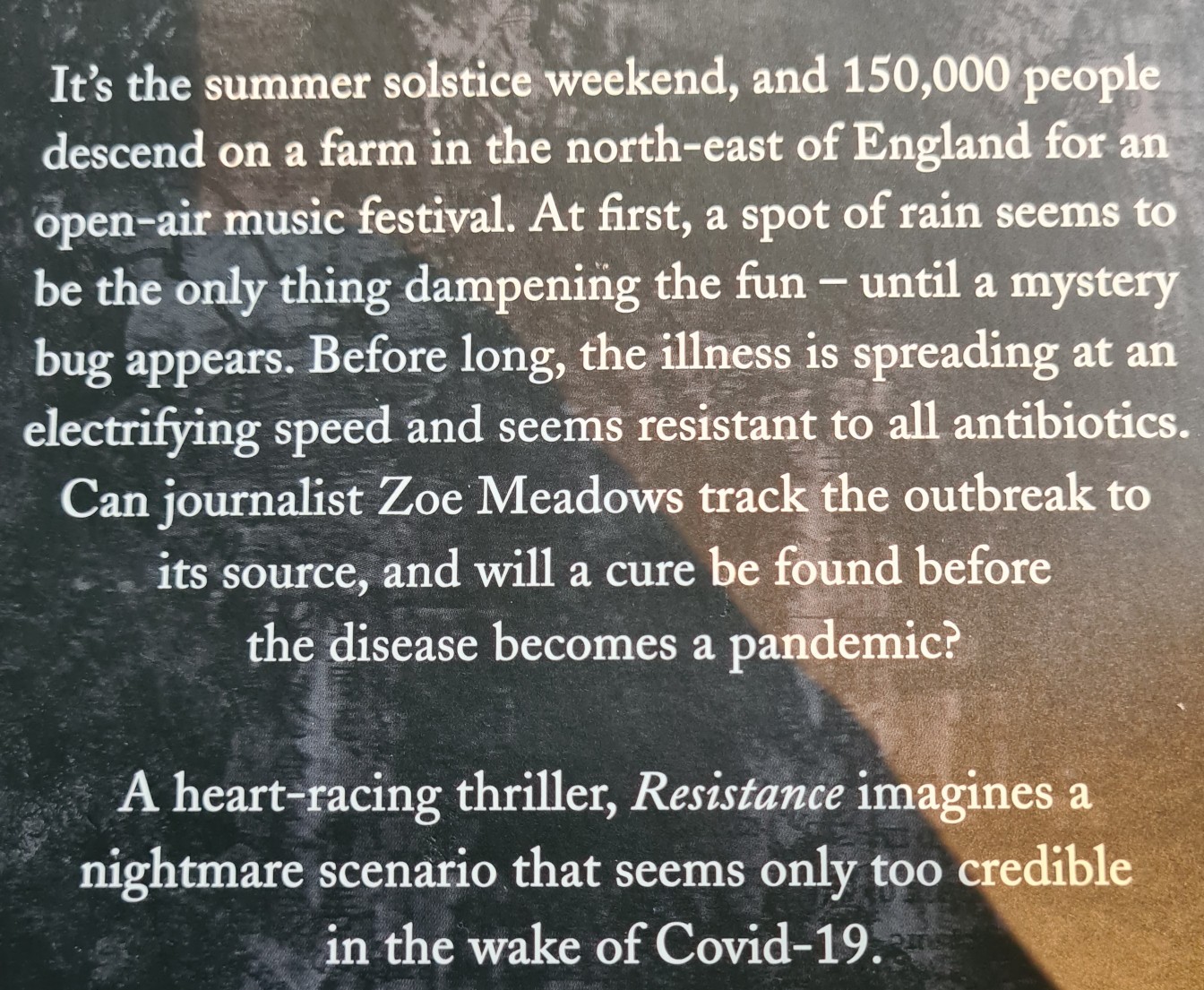
Estamos* no fim de semana do solstício de Verão e cento e cinquenta mil pessoas reúnem-se numa quinta a nordeste de Inglaterra para assistir** a um festival de música ao ar livre. No início, uns salpicos de chuva parecem ser a única coisa capaz de estragar a diversão – até que surge uma doença misteriosa. Rapidamente, a doença espalha-se com uma velocidade electrizante*** e parece resistente aos antibióticos todos.
Será que a jornalista Zoe Meadows (hum… O resumo diz “Meadows” mas dentro do livro ela se chama Zoe Beck…) consegue rastrear o surto à sua fonte, e será descoberta uma cura antes da doença se tornar numa pandemia?


Um thriller empolgante, Resistência imagina um cenário de pesadelo**** que aparenta ser demasiado credível no rescaldo***** do covid-19

*=estamos no (“we are in the weeekend of…”) works better than está no… (“it’s the weekend of..”)

**=it’s been three years since I wrote a blog post specifically about the word “assistir” and I still haven’t got over the discovery of the weird interlinking meanings.

***=electrizante means electrifying and I’m a little surprised it works here but it seems to pass muster!

****=”nightmare scenario”

*****=the original English version has a couple of colloquial phrases in it that seem to have caused confusion. One was “bug” as in “stomach bug” which was corrected to “inseto” but that was a misunderstanding because the person who kindly translated it for me thought I meant the illness was transmitted by some kind of insect. This word “wake” might be the cause of a second mis-correction. The original says “in the wake of” which I put as “na sequência de” but I think the person who corrected it might have thought “wake” had its more usual meaning, as in “wake up” because they changed it to “no surgimento”. I discussed it with my resident expert who advised “no rescaldo” was better

I can’t say I really agree with the blurb. If you want to know more about the book and what I actually thought of it, have a look at my Goodreads profile.

Posted in Portuguese

O Desporto

Text about sport (written during Portugal’s game against Germany in Euro 2020/21) with notes at the bottom. Thanks go to ThisCatIsConfused for the correction.

Como já disse ontem, estou-me nas tintas para o futebol (mas espero que estejam a gostar de ver a vossa seleção a destruir a da Alemanha! Não se esquecem de beber apenas água durante o jogo)
Estou-me igualmente nas tintas para o críquete, e a maioria dos desportos colectivos mas gosto de correr e de remar. Os dois desportos têm a grande vantagem de serem actividades que se podem praticar sozinho. Quando corro, corro para ultrapassar o meu melhor tempo pessoal e quando remo só quero ficar no barco sem me mergulhar no rio!
Na minha idade, é importante manter o corpo activo para não ficar gordinho e com joelhos e ancas rígidos. Tentei correr em maratonas algumas vezes mas hoje em dia 10 quilometros bastam para me manter saudável sem o treino devorar o meu tempo todo!

Not much to say about this one except that the theme.of the day was “esporte” which I think is the Brazilian word. Desporto more used in Portugal.