Posted in English

Lost Motivation

Well I mentioned a few days ago that I’d lost my mojo and was trying to get going again and a few people got in touch to say they were in the same position. End of summer thing, maybe. It still feels like a struggle. The image I have in my mind is of watching a swan take flight. They’re heavy birds and their wings are only just large enough, so they have to really get up a good speed and flap like crazy to finally get up in the air. I feel like that – flapping the pages of Português Outra Vez to get myself airborne. It’ll be worth it when I’m up there though!

Anyway, YouTube put the latest Liz Sharma video in my feed this morning, and it seems relevant, so if you missed it, have a look.

Posted in English, Portuguese

O Jardim Zoológico

(This post is completely wrong – I’ve posted an update here and I suggest you ignore this and read that instead!)

Here’s a joke I translated and asked if it worked. The person who marked it said it was fine, but he also offered very few corrections so maybe he’s just an easy-going type who makes allowances. Anyway, the reason I thought it would flop was the difference between “levar ao jardim zoológico” (take them to visit) and “levar para o jardim zoológico” (take them for the long term) would make it hard for a misunderstanding like this to occur. But he seemed to like it so maybe its OK. Try telling it to a Portuguese person and see what their reaction is.

Um agente da PSP viu um homem num carro com 6 pinguins no banco de trás. Indicou-lhe para encostar o carro.

– Isso não dá, disse o polícia. O senhor deve levar estes pinguins para o jardim zoológico.

O homem concordou e arrancou em direção ao jardim.

No dia seguinte, o agente viu o mesmo homem a conduzir na Avenida Almirante Reis* com os mesmos pinguins. Indicou-lhe mais uma vez para se estacionar e aproximou-se ao carro, pausando de vez em quando para evitar as ciclistas.

– Ó meu senhor, o que é que está a acontecer? Eu disse-lhe ontem que devia levar estas aves para o zoológico zoológico.

-Sim, disse o motorista. E curtiram muito. Hoje vamos para o cinema.

*this bit about the cyclists on the Avenida Almirante Reis is irrelevant and I only put not in to demonstrate my familiarity with urban planning controversies in Lisboa.

Posted in Portuguese

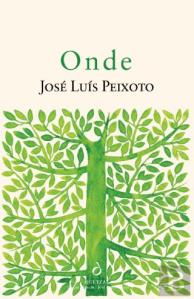
Onde – José Luís Peixoto

Onde de José Luís Peixoto

Segundo a sinopse na contracapa, este livro é “difícil de resumir”. Pois, e para um estrangeiro, é difícil de entender! Não tenho a mínima familiaridade com Abrantes, Constância e Sardoal, as três vilas perto de Lisboa sobre as quais José Luís Peixoto escreveu estes textos. Cada um trata de um sítio (um jardim, um outeiro, uma biblioteca, seja o que for) nessa região do país, mas o tema é mais ambicioso do que um simples guia turística. Ao invés disso, o autor tenta abranger temas mais universais. Acho que a experiência de ler o livro teria sido mais enriquecedora se eu tivesse mais conhecimento dos sítios onde os textos têm as suas raízes, mas mesmo sem saber nada, curti dos textos como poesia.

You can find the locations listed in Onde by José Luís Peixoto by rummaging around on Google Maps (this link just shows the three villages, not the sixty odd specific locations discussed on the book)

Posted in English, Portuguese

Grammar Practice

Verb conjugations and prepositions from Português Outra Vez. The conjugations are easy enough, the prepositions, as usual, are confusing.

Não consigo tratar a Adelaide por “tu” (I can’t call Adelaide “tu”)

Os polícias caíram sobre os assaltantes que foram apanhadas em flagrante (The police fell upon the thieves, who were caught red handed)

A notícia correu em todos os jornais.(The news ran in all the papers)

As traseiras do prédio dão para o cemitério (The rear of the building faces the cemetery)

O Zé é tão parecido fisicamente com o pai. E em matéria de teimosia também sai ao pai. (José is so physically similar to his dad. And as for stubbornness too, he takes after his dad)

Costumo tratar com carinho as minhas empregadas, para que se sintam à vontade (i usually treat my employees with kindness so they feel at ease)

O estudante coreano saiu-se muito bem na prova oral de língua portuguesa (The Korean student did very well in the spoken Portuguese test)

Depois daquele escândalo, o político caiu em desgraça e foi esquecido por todos (After the scandal, the politician fell into disrepute and was forgotten by everyone)

Tento convencer-te mas vejo que não consigo levar-te a gostar de jazz. (I try to convince you but I see that I can’t make you like jazz)

Não resisti àqueles bombons de ginja: acabei com eles em dois tempos (I couldn’t resist those sour cherry sweets: I polished them off in two goes)

Posted in English

Regrouping

I’ve had to rethink my approach to learning, since I’ve got right out of my routine since the holiday in France. I’m not really writing regularly and all the habits I’d got into – tweeting in Portuguese, reading daily, watching films weekly, doing exercises – have fallen into disrepair. So I’ve set myself a more modest goal: back to the writing and do something else daily, but not feel like I have to do everything. Hopefully if I can get back into the groove of doing a daily task, I can ramp it up again. I’ve got all my study materials together and put them in a box next to the sofa so that I don’t have to get over the hurdle of finding them (thus removing a barrier to my motivation!) I’ll probably post less on here too.

Anyone else struggling with motivation?

Posted in Portuguese

Estes Dias – Bernardo Majer

Estes Dias de Bernardo Majer

Parece-me que não tenho paciência para livros portugueses nesta altura. Ando a ler BD. “Estes Dias” de Bernardo Majer é uma série de retratos de pessoas em transição sem enredos fortes. Em cada um, seguimos a vida do protagonista durante algum tempo e logo a história chega ao fim e começa a próxima. O “ritmo” do diálogo e a lentidão do enredo (na medida que existe) fizeram-me lembrar as BD do Jiro Taniguchi mas falta o foco (e a qualidade dos desenhos) de Taniguchi cujo génio fica nas delongas e no silêncio, que sublinham os pormenores da vida. Ah ah, porque é que estou a fazer esta comparação? Taniguchi é um gigante e quase ninguém chega aos calcanhares dele.  Mas ainda assim, este livro parece estar em busca daquel mesma atmosfera na introspeção das personagens, nas lacunas e nos momentos de reflexão na natureza à sua volta.

Posted in Portuguese

A Rainha Está Morta*

Como já sabem, a nossa rainha faleceu ontem e, assim como a maioria de nós, estou triste e vou demorar um pouco para me acostumar ao “novo normal” porque a rainha era rainha desde antes do meu nascimento – e eu sou um velhote de merda.

She said I know you and you cannot sing

Mas não quero repetir coisas que estão espalhadas por todo o lado nas redes sociais. Há quem escute um álbum famoso dos The Smiths. Isso fez-me lembrar que, em 1986 (?) fui a um concerto dessa banda numa sala de concertos na minha terra. Abriram com “The Queen Is Dead” mas alguém atirou alguma coisa (um copo?) à cabeça de Morrissey (o cantor). Membros da organização levaram-no do palco. Os outros membros da banda saíram logo depois.

Muitas pessoas estavam a cantar “Hang the thrower” (“enforquem o lançador”)

Vinte minutos depois, quando a polícia tinha cercado o sítio, confirmou-se o fim do concerto.

Lembro-me de que o meu amigo estava triste naquele dia por causa da sua namorada ter deixado de ser a sua namorada. Tanto quanto eu sei, eu ainda eram um verdadeiro fã dos The Smiths que ainda não tinha tido uma namorada.

* Definite grey area in the ser/estar dilemma that plagues English learner. We’re usually told ser is for permanent, unchanging conditions and estar for a temporary state. And what could be more permanent than death? But no, it’s estar. Later on she “era rainha”. Why? Being dead is more permanent than being Queen. But it’s because being Queen is a definition of who she is. It’s a defining quality.

In fact you’d be more likely to say “a rainha morreu” but this is a translation of the album so…

Posted in Portuguese

Cabelo cor-de-rosa

Troll

A minha filha foi ao cabeleireiro no fim de semana passado* para pintar o cabelo de cor-de-rosa. Não é uma cor muito forte. Não parece a pantera cor-de-rosa. Nada disso. Fica-lhe bem. Quando eu era jovem, as escolas não permitiam cabelo pintado de cores fora do normal (e não só para nós rapazes!) mas hoje em dia é mais aceitável e, para mim, isso não tem nada de mal.

*I hadn’t really noticed but it’s obvious when you think about it but the gender can work two ways with the weekend. Semana is femimine, but fim is masculine and so is the whole phrase “fim de semana”.

So It can be “o fim dA semana passadA” (the end of last week) or “o fim dE semana passadO” (last weekend)

Posted in English

Pantomime Dane

I mentioned in yesterday’s post, my favourite “hack” for conversarion: tell them you’re Danish. If, like. Me, you’re pale and un-iberian-looking, you obviously can’t pass yourself off as a local, but you don’t want people to clock you’re an English speaker because then they’ll be unhelpfully helpful. So pretend to be Danish because nobody speaks Danish. Then you can swear you have no knowledge of other languages and they’ll just have to talk to you in Portuguese. Or run away. I definitely recommend having this trick up your sleeve for an emergency.

Hamlet

Anyway, when we were in France, my daughter, who is learning French at A-level, used the same trick and told them she was “danoise”. I was really proud of her putting herself out there and talking to people. She did really well.

Posted in English, Portuguese

End of an Era

It’s a sad day for Britain. I’m touched to see so many people on Portugal paying tribute to our late monarch.

Hoje é um dia muito triste cá no Reino Unido. Fico emocionado pela  comovente reação de tantos portugueses à morte da nossa rainha.