Here’s a review of the audiobook of Vidadupla (“Double Life”) by singer, poet, author and rennaissance man Sérgio Godinho. I listened to it on the Bertrand “Biblio” app, but as I mentioned before, it’s a bit unreliable in that it seems to pause itself when the screen dims or… Something… Something isn’t quite right, at least in the Android version, so I had to keep pinging it to wake it up. That’s probably OK at home but it’s a bit annoying if you’re gardening at the same time, as I was. If you haven’t already seen it, there’s a whole page about different sources of Portuguese audiobooks here. Thanks to Patis12 and Dani_Morgenstern for the corrections
Acabei de “ler” este Audiolivro do Sérgio Godinho hoje. É uma coleção de contos e o vocabulário é bastante fácil para um aluno do meu nível. Mas tinha uns problemas.
É que… A narradora tem uma voz hipnótica portanto (estou envergonhado por admitir) dei por mim a ficar repetidamente distraído* pelo ritmo da leitura e logo depois perdi o fio à meada. Rebobinei a gravação várias vezes mas afinal não apreciei o livro tanto quanto merece. Ou talvez sou eu que não mereço livros bons.
Bem, de qualquer maneira, gostei do que ouvi. Nem sequer sabia que o Senhor Godinho tinha escrito livros. Já ouvi várias músicas dele. É óbvio que é um homem que sabe criar coisas bonitas.
Fomos a um restaurante ontem à noite para celebrar o aniversário da minha cunhada. Ela é enfermeira. Falámos das nossas vidas e vimos a minha filha a ficar bêbeda por provar vinho português. Quase todos nós comemos Bacalhau à Brás (ou seja “Braz”, segundo a ementa) mas a aniversariante e o seu namorado partilharam uma espetada madeirense (a minha mulher e as suas irmãs vieram de lá)
Acabei de ler um artigo no site do SIC Notícias que conta a história dum professor chamado Francisco Aguilar. O senhor acha que está a ser “perseguido” e “eliminado socialmente” porque a faculdade de Direito abriu um processo disciplinar pelo facto de ele estar a ensinar várias coisas tais como “o feminismo é algo parecido com o nazismo”.
Pois, é possível que a notícia seja exagerada. Havia muitos exemplos de professores a serem perseguidos por terem questionado uma ortodoxia que surgiu há cinco minutos no campo dos estudos de género, ou qualquer pecadinho que põe os cabelos azuis dos estudantes em pé. Mas o que me espantou, neste caso é que este homem, em vez de se defender, pediu asilo a “vários países incluindo à Rússia”. Muito bem, meu rapazinho, vais ter mil vezes mais liberdade na Rússia do que em Portugal!
Vhils é o nome artístico do Alexandre Manuel Dias Farto, que é um artista e grafiteiro. É principalmente conhecido pelas suas obras da arte pública que consistem em imagens esculpidas por explosivos que fazem pequenos buracos, deixando a tinta e os cartazes na superfície duma parede ou as costas dum edifício. A maioria das obras, espalhadas por todo o mundo, representam retratos, mas também tem criado uma guitarra portuguesa e várias frases e cenas. Já vi um cá em Londres nas traseiras de um parque. Achei-o impressionante, como a grande parte das suas composições.
Text based on yesterday’s post about sempre before and after the verb
Estou sempre a tentar melhorar o meu domínio desta língua. Depois do meu texto de ontem, fui informado que tinha repetido um erro de há uns dias. O texto conta a história da minha filha, e como a ajudo sempre com o seu trabalho de casa. Ontem, ela sempre enviou o código que ela escreveu com a minha ajuda.
Da mesma maneira como ela está sempre a melhorar a sua competência no campo da informática, eu quero tornar-me sempre mais fluente. Infelizmente, não tive muito tempo livre nos últimos dias mas sempre li as páginas recomendadas e acho que já entendo mais ou menos como errei.
I got so carried away the other day that I published a blog post with this title and no content at all. I’m a five-year-old at heart. By the time I’d finished reading the article I had planned to base it on, though, I’d changed my mind, because, despite being written in Portuguese, it doesn’t actually have much information about Portuguese culture. In fact, as you’ll see, I learned more about French than I did about Portuguese. I considered changing the title to “Peido and Peidjudice” or “Peidomaníaco”, “Peidogeddon” or “It’s Peidback Time” or something, but I just decided to stick with this title in the end so as not to disappoint anyone who saw the first post and had been holding their breath in expectation of the second.
Governor William J Le Petomane (left) and friends
Li um artigo no jornal Público sobre a História Cultural da Flatulência. O escritor não deu exemplos da flatulência na vida cultural portuguesa. Não faço ideia porquê. Os portugueses não se peidam? De qualquer maneira, o que mais me surpreendeu foi uma referência ao nome de uma personagem no filme do Mel Brooks, Blazing Saddles. O seu nome é Governor William J Le Petomane. O Le Pétomane original era um artista, antes da guerra, cujo nome significa “Peidomaníaco” por razões que são provavelmente óbvias. Apesar de ter visto o filme vezes sem conta, eu nem sequer sabia o significado do seu apelido.
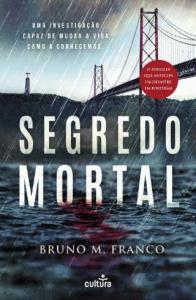
Here’s a review of the massive beach thriller I’ve been reading, “Segredo Mortal” by Bruno M Franco. I’ve possibly been a little harsh on it, given that it’s a thriller and not meant to be scrutinised too closely but hi ho. It’s a relatively easy read: if you’re at B2 you’ll probably hardly touch your dictionary and even a confident B1 could read it without enduring serious brainfires. It’s available at Bertrand of course and I’m sure I’ve seen it in the excellent Portuguese Language section of the Charing Cross Road branch of Foyles too, but can’t seem to find it on their site, so maybe it’s in-store only, or maybe that was just a beautiful dream. Amazon might have it too if you are a fan of evil companies.
A abertura dum bom thriller captura sempre a atenção do leitor. Geralmente há várias personagens em situações de perigo ou a enfrentar um mistério, e o autor alterna os capítulos entre as cenas, deixando os enredos desenrolar até fica claro qual é o fio que une todas estas histórias, e qual é a força sinistra por trás dos eventos. Se o escritor cumprir esta tarefa com êxito, a bolha delicada da nossa credulidade fica intacta até ao final. Não pedimos mais do que isso.
Os primeiros capítulos do “Segredo Mortal” não nos desiludem: uma tempestade, a descoberta de vários cadáveres, um jovem perseguido por um soldado, um assassino em série prestes a sair do seu lar…
E de forma geral, os capítulos que se seguem correm bem. O autor sabe escrever. O diálogo, o desenvolvimento das personagens, os encontros, a acção, tudo se lê bem, mas há pontos fracos quando se mete a explicar as ligações entre os elementos do enredo: por exemplo, a cena na qual os polícias ouvem o testemunho dum grupo de cientistas sobre as origens da tempestade: a sua explicação não faz o mínimo sentido. Se estivesse lá, eu diria “mas porquê?” de cinco em cinco segundos. Simplesmente não acreditei nos motivos por trás do enredo.
Por causa disso*, muitas outras coisas não bateram certo na ausência da minha “fé” no caroço do enredo: as mortes de várias pessoas; a existência de alguém que é simultaneamente um maluco assassino em série e um assassino profissional bem controlado; a entrada dos pais duma personagem importante; o relacionamento dos dois polícias (que deu num dos epílogos mais bizarros que já li na minha vida). Tantas, tantas coisas!
E por falar nos dois polícias, o livro poderia ser mais fino por cem páginas se os protagonistas soubessem o significado da palavra “Parceiro”. Duas vezes o homem entrou sozinho num sítio, para dar com o assassino em série. Quando a segunda vez chegou, eu estava a falar em voz alta, “Pá, és o parceiro dela. Leva-a contigo e talvez tenham hipótese de prender o gajo sem ficares esfaqueado pela segunda vez neste livro!”
Spoiler alert: deixou-a no carro e ficou esfaqueado pela segunda vez naquele livro. Eh pá!**
A minha filha aconselhou-me a deixar de ler mas estou contente por ter aguentado: o autor conseguiu o desfecho do enredo e apesar dos problemas, o livro é divertido.
*I originally wrote “por resultado” (as a result) but that’s not very idiomatic
**Just to contradict what I wrote in the footnotes of the Herman José text a few days ago, one of the suggested changes was to write “epá” on place of “eh pá”. I dunno, I think I’m just going to stick with this spelling, regardless of the fact that different people have different ways of writing it. It might seem a bit fussy to some but you can’t please all the people all the time.
Ontem, reli uma banda desenhada dos anos oitenta chamada “Quando o Vento Soprar”. Conta a história dum casal de idosos. Lembram-se da segunda guerra mundial porém quando a terceira se desencadeia, não estão preparados apesar de seguir os conselhos do governo.
O livro foi editado durante a (primeira) guerra fria e é muito deprimente que parece tão relevante nos dias de hoje.
I usually write reviews of Portuguese books but in this case it’s the Raymond Briggs classic, When The Wind Blows
Here are some expressions from the exercise book. I’m really trying to do these exercises every day now because I have been slacking.
Falar nas costas = talk behind someone’s back
Ter dedo = to have a knack for something
Puxar pela cabeça = think really hard
Queimar as pestanas = read a lot
Bater com o nariz na porta = be unable to achieve a goal because the shop/house/office/whatever was shut
With that last one, when I researched it, I found that there was one page that claimed it could be used in a more figurative sense – in other words you could use it when you were denied or rebuffed in some request, or met with some sort of bureaucratic denial, maybe, but the majority said it was strictly literal: you turn up at the library hoping to find a PG Wodehouse book you’ve never read but you bang your nose on the door because it’s shut. So I asked…
Há uma expressão no meu livro “bater com o nariz na porta”. Entendo o significado mas não tenho a certeza de como se usa. Será que pode ter um significado menos literal – por exemplo “Convidei a Mafalda para jantar comigo mas bati com o nariz na porta quando ela respondeu* que já tinha combinado um jantar com o Joaquim, um halterofilista com dois metros de altura” ou só numa situação concreta** como “Eu e a Janet fomos para o restaurante às seis e meia mas batemos com os narizes na porta porque os portugueses costumam jantar mais tarde
The verdict? No, only the literal sense works. If I go to the restaurant too early and its shut, I can say we banged on the door with our nose, but if I get spurned by Mafalda in favour of her hot date with the bodybuilder, I can’t use it.
* I cleaned up the grammar a little bit following some feedback from Dani. I had tried to use a different word here – ripostar – because I found it in the novel I’m reading and thought it would be more interesting but it turned out to be too interesting for this context!
** I used “específica” but that wasn’t the best choice.
Joaquim de Almeida no Festival Internacional do Filme de Amor em Mons (Bélgica) 2011 (pic. Ricardo Silva)
Here’s another biographical post with footnotes about the interesting corrections. Thanks to redditor MisterMister1964 for the help with this one.
Joaquim de Almeida é um dos atores portugueses mais conhecidos fora do seu país. Nasceu em Lisboa em 1957. Depois de uma juventude perturbada mudou de país para Áustria em 1974. Por lá, encontrou a sua futura* esposa, Andrea Nemetz, que, na altura, era secretária do embaixador do Zaire.
A Andrea recebeu uma bolsa para estudar nos EUA e o casal foi para lá em 1976 (tornar-se-iam cidadãos daquele país depois de algum tempo). No ano seguinte, Joaquim foi aceite num prestigiado instituto de artes dramáticas. Desde o início da década de 1980, tem protagonizado vários papéis em Hollywood. Sendo escrito por americanos, estes papéis foram principalmente os de narcotraficantes colombianos e criminosos mexicanos, mas é um ator internacional que atuou em filmes de diversos países e diversas línguas, incluindo vários no seu país natal**, como Capitães de Abril e Os Imortais.
*=I wrote “futuro” here. Thinking in an anglophone way, “future wife” seemed like a concept, maybe deserving a hyphen, like ex-wife, indicating a future/past state of affairs and it didn’t really occur to me that future was an adjective modifying “wife” and therefore needed to agree.
**=I wrote “nativo”. I’m sure I made a similar mistake a few days ago – I really need to start learning from my mistakes instead of repeating them. Nativo does exist in phrases like “língua nativa” but in this case, it’s natal. The country of one’s birth vs native language.