Posted in Portuguese

A Resistência (Val McDermid)

This is an attempt to translate the blurb of a book as literally as possible to avoid the lazy trap of sticking to words and grammar I know how to say when writing texts. Thanks again to ThisCatIsConfused for the help
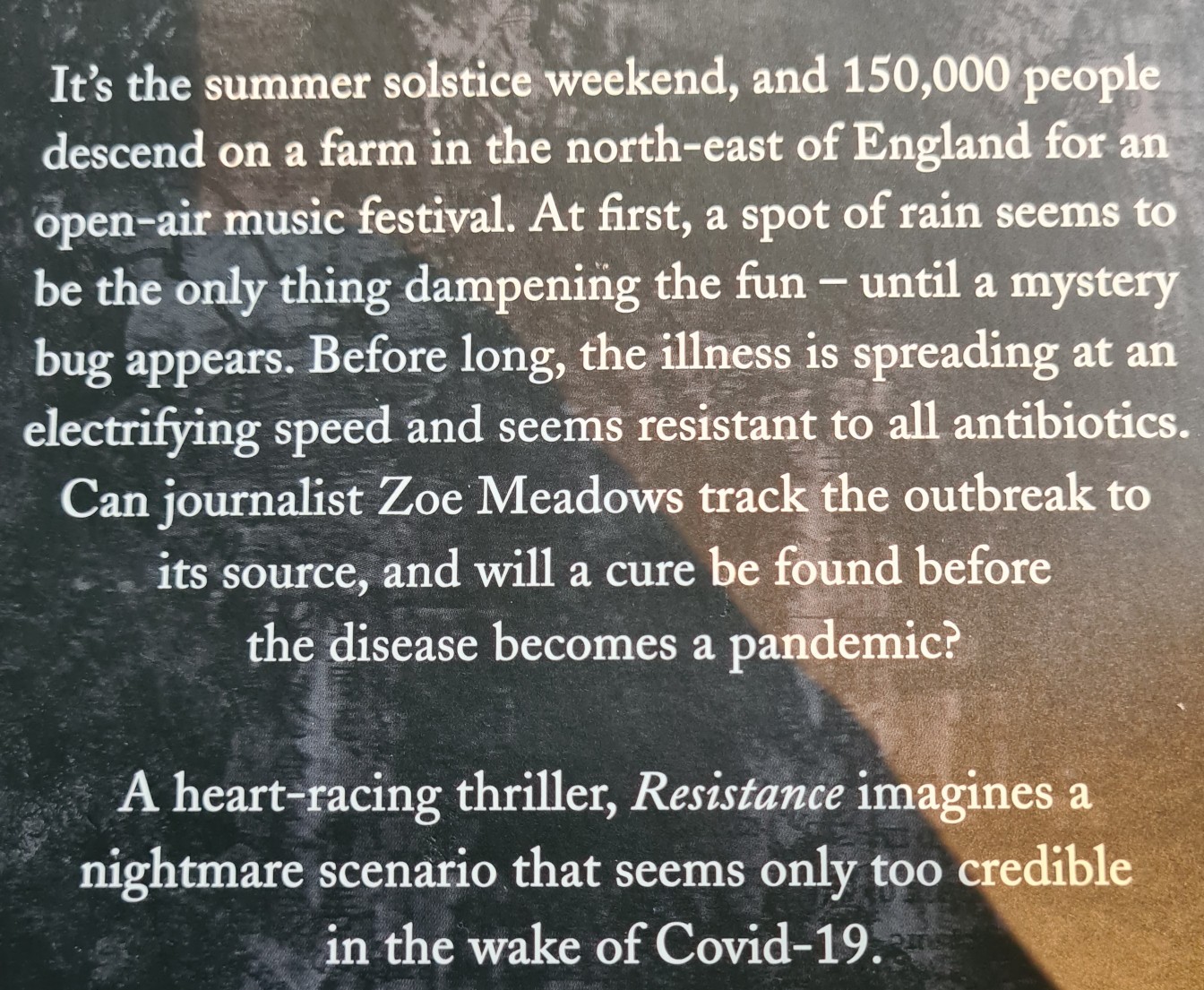
Estamos* no fim de semana do solstício de Verão e cento e cinquenta mil pessoas reúnem-se numa quinta a nordeste de Inglaterra para assistir** a um festival de música ao ar livre. No início, uns salpicos de chuva parecem ser a única coisa capaz de estragar a diversão – até que surge uma doença misteriosa. Rapidamente, a doença espalha-se com uma velocidade electrizante*** e parece resistente aos antibióticos todos.
Será que a jornalista Zoe Meadows (hum… O resumo diz “Meadows” mas dentro do livro ela se chama Zoe Beck…) consegue rastrear o surto à sua fonte, e será descoberta uma cura antes da doença se tornar numa pandemia?


Um thriller empolgante, Resistência imagina um cenário de pesadelo**** que aparenta ser demasiado credível no rescaldo***** do covid-19

*=estamos no (“we are in the weeekend of…”) works better than está no… (“it’s the weekend of..”)

**=it’s been three years since I wrote a blog post specifically about the word “assistir” and I still haven’t got over the discovery of the weird interlinking meanings.

***=electrizante means electrifying and I’m a little surprised it works here but it seems to pass muster!

****=”nightmare scenario”

*****=the original English version has a couple of colloquial phrases in it that seem to have caused confusion. One was “bug” as in “stomach bug” which was corrected to “inseto” but that was a misunderstanding because the person who kindly translated it for me thought I meant the illness was transmitted by some kind of insect. This word “wake” might be the cause of a second mis-correction. The original says “in the wake of” which I put as “na sequência de” but I think the person who corrected it might have thought “wake” had its more usual meaning, as in “wake up” because they changed it to “no surgimento”. I discussed it with my resident expert who advised “no rescaldo” was better

I can’t say I really agree with the blurb. If you want to know more about the book and what I actually thought of it, have a look at my Goodreads profile.
Posted in Portuguese

O Desporto

Text about sport (written during Portugal’s game against Germany in Euro 2020/21) with notes at the bottom. Thanks go to ThisCatIsConfused for the correction.

Como já disse ontem, estou-me nas tintas para o futebol (mas espero que estejam a gostar de ver a vossa seleção a destruir a da Alemanha! Não se esquecem de beber apenas água durante o jogo)
Estou-me igualmente nas tintas para o críquete, e a maioria dos desportos colectivos mas gosto de correr e de remar. Os dois desportos têm a grande vantagem de serem actividades que se podem praticar sozinho. Quando corro, corro para ultrapassar o meu melhor tempo pessoal e quando remo só quero ficar no barco sem me mergulhar no rio!
Na minha idade, é importante manter o corpo activo para não ficar gordinho e com joelhos e ancas rígidos. Tentei correr em maratonas algumas vezes mas hoje em dia 10 quilometros bastam para me manter saudável sem o treino devorar o meu tempo todo!

Not much to say about this one except that the theme.of the day was “esporte” which I think is the Brazilian word. Desporto more used in Portugal.

Posted in Portuguese

As Livrarias

Text about the bookshops I visited on my recent road trip to Cambridge. Notes at the bottom. Thanks “Butt Roidholds” for the corrections.

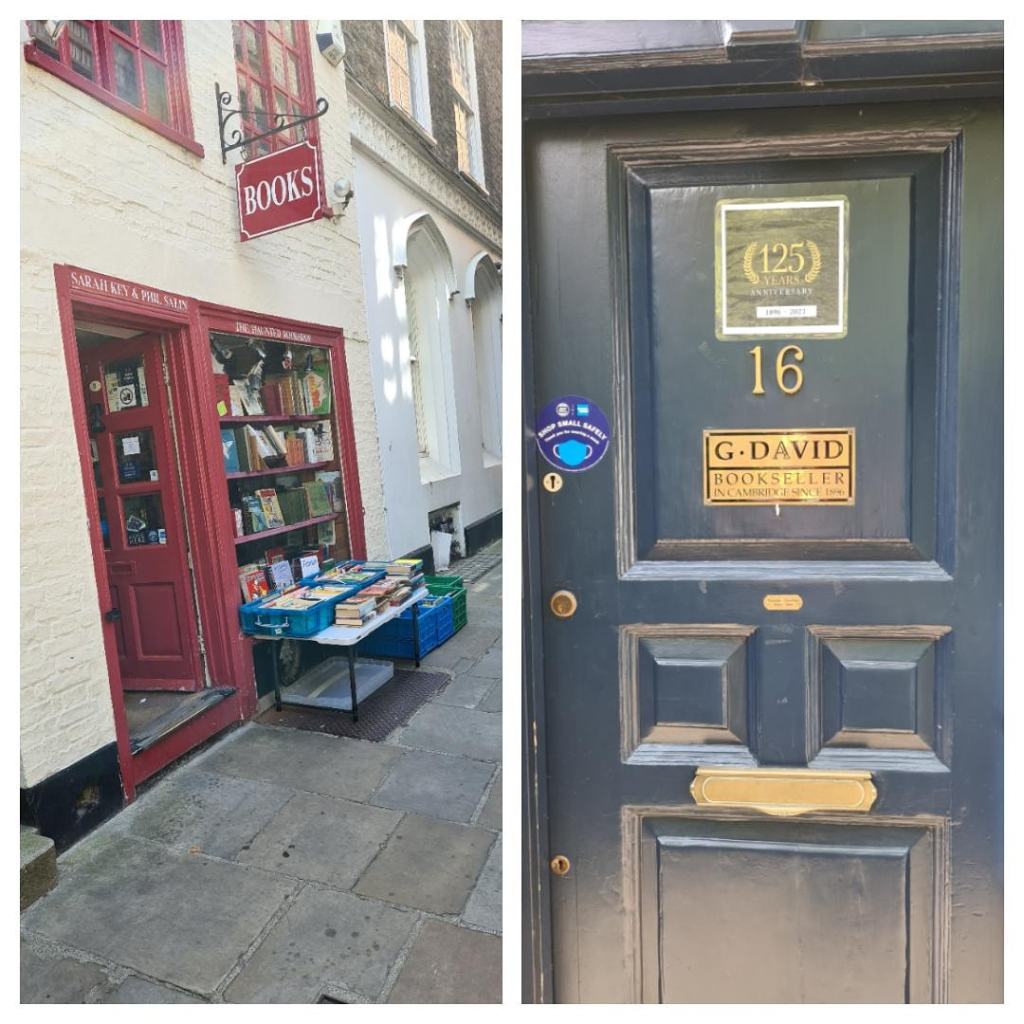
Visitei duas livrarias de segunda mão em Cambridge. A da direita é mesmo bem arrumada e cheia de artigos meticulosamente organizados* e de alta qualidade mas a da esquerda (mesmo ao pé da outra) é gloriosamente desconjuntada com tudo arranjado de modo aleatório, com duas filas por prateleira, com uma vasta secção de livros infantis, e itens raros intercalados com outros mais quotidianos. Acho que se pode escrever uma dissertação sobre a relação entre a disposição duma livraria e a personalidade do seu dono.

*=i originally used “itens cuidadosamente curados” to mean “carefully curated items” but “item” has a limited meaning – just referring to items on a list, agenda or inventory and “curado” can’t be used in that way.

Posted in Portuguese

Puxar a Brasa à Minha Salsicha

Acabo de fazer um churrasco. É difícil de arranjar pois vivemos num apartamento e não temos jardim. Há quem goste de impedir qualquer tentativa de diversão no campo à volta do prédio mas felizmente nesta ocasião, não houve problema. Consegui grelhar as salsichas e os hambúrgueres sem os queimar ou os deixar cair na relva. A nossa convidada (a minha sobrinha) gostou da comida e o jantar correu bem.

Posted in Portuguese

A Bicla

Today’s text was corrected by Travonildo (thank you!)

Vou dar uma voltinha de bicicleta daqui a dois dias. Não tenho trabalho (temporariamente, espero eu) portanto tenho a oportunidade de fazer umas mini-férias em Cambridge, 70 milhas do nosso lar. A minha família prefere ficar em casa mas eu fico com vontade de viaja para os quatro cantos* do mundo… Mas para já Cambridge há de servir.
70 milhas num só dia será um desafio. Nunca andei tanto num dia sob o meu próprio esforço (nem de pé nem de bicicleta) mas preciso de perder peso e preciso de estar sozinho durante algum tempo. Por isso a bicicleta é perfeita.

* =There are a couple of words for corner: esquina and canto. But canto is the right one for this situation. This expression means “the dour corners of the world”. I got it wrong in the original.

It’s a new bike by the way. I’m very excited. Its so fast and so easy to ride.

Posted in Portuguese

Receita de “Fish Pie” inglesa

I’d been arguing yesterday about whether or not boiled eggs belong in a fish pie so I decided to make a Portuguese version of the recipe. ThisCatIsConfused helped me to debug the grammar and wins my undying gratitude (gratintude?) again.

Ingredientes:
1kg de batatas
400ml de leite
25g de manteiga
25g de farinha de trigo
350g duma mistura de peixes congeladas tal como bacalhau, solha, atum, (pode-se incluir camarões também)
4 ovos, cozidos e cortados pela metade*
Uma mão-cheia de ervilhas
Sal pimenta e salsa qb**

Método
Pré-aqueça*** o forno a 200 graus
Coza as batatas e esmague-as. Adicione um salpico de leite e continue a amassar até ficarem puré.
Entretanto, derreta a manteiga num tacho. Coloque a farinha dentro e mexa. Quando os dois ficam uma massa, despeje o leite no tacho. Vá mexendo o tempo inteiro para fazer um molho branco e cremoso.
Deite o peixe num prato refratário com o molho, a salsa e as ervilhas.
Ponha as metades de ovo em cima e cubra todos os conteúdos com puré de batata.
Se quiser, pode-se colocar um pouco de queijo talhado também.
Leve o prato ao forno para gratinar durante 25 minutos até a superfície ficar dourada e o molho estar a ferver. Sirva com couve branca ou brócolos.

*=i will die on this hill!

**=qb stands for quanto baste, ie, as much as you need. It’s equivalent to “to taste” in English recipes

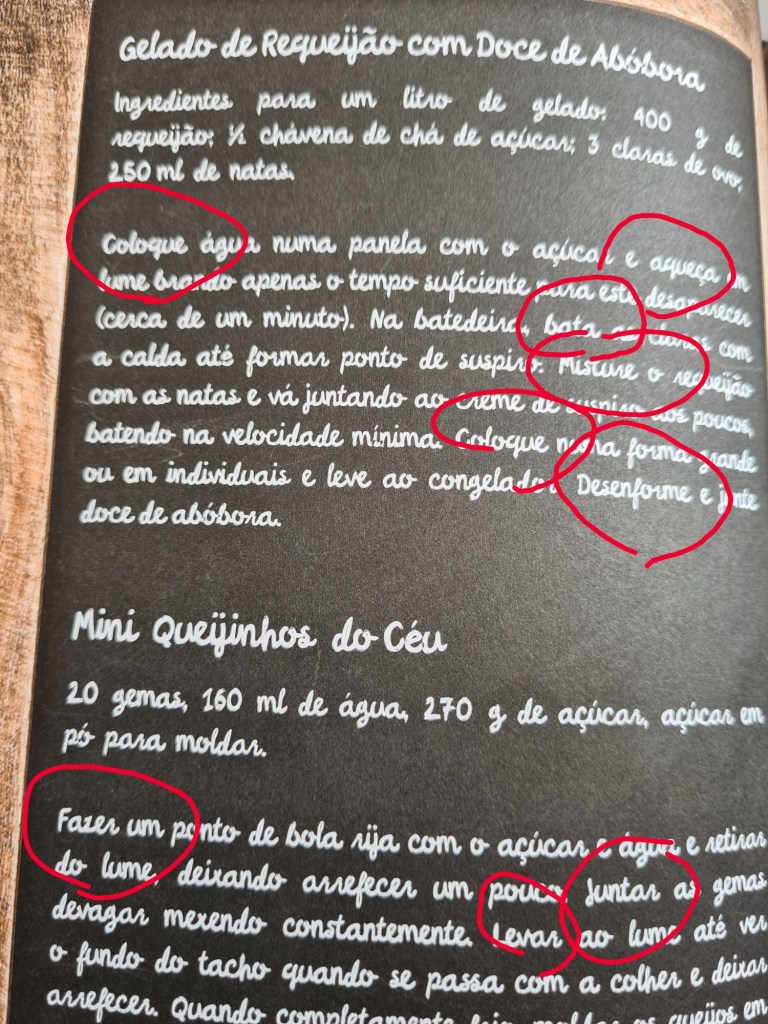
***=what tense to use for the steps in a recipe or an instruction manual is more complicated than in English. It’s not just “do this, do that, because that tense (the imperative) has both a singular and a plural form and of course formal and informal too. This is using singular imperative, as if I were giving instructions to one person, but for example you can find someone here writing instructions and clearly imagining herself addressing a group of readers using the plural imperative. There doesn’t seem to be much reason to choose one form over the other, apart from just whether you want to want to come across like a classroom teacher (addressing people as a group) or a coach (making each reader feel like you are addressing them directly). To complicate things even further, it’s also possible to write the entire text in infinitives. You can see a good example of this in a single page of a beautiful book called Viagens Pelas Receitas de Portugal By Nelson Carvalheiro.

In the first recipe, he’s using a singular imperative for every verb that’s giving an instruction: coloque, aqueça, bata, misture, coloque, desenforme. In the second he switches to infinitives: fazer, juntar, levar and so on. There are other verbs too, including a present participle (deixando arrefecer=leaving it to cool) but the overall voice of the recipe is all infinitives all the way. I found this really confusing when I first saw it, but it’s a thing apparently!

Update later the same day:

I asked about this on the reddit forum and the consensus was that the infinitive and imperative forms were equally acceptable but that maybe the infinitive had been used more recently because historically the standard was formal/imperative but that seemed too formal and the infinitive allowed people to opt out of commitment to one level of formality and keep it all neutral.

Posted in Portuguese

A Formação

Portuguese Version of yesterday’s post about bottling out of the lesson about Portuguese suffragettes. Notes at the bottom. Thanks to “Butt Roidholds” for the corrections!

Carolina Beatriz Ângelo, sufragista e feminista
Carolina Beatriz Ângelo, The first woman to vote in Portugal, in 1911

Há umas semanas, fiz parte dum curso lançado pela livraria Bertrand, apresentado por Marco Neves, um autor português que escreveu livros tal como “Doze Segredos da Língua Portuguesa”.
Gostei tanto, tanto! Fiz um resumo do curso no meu blog e inscrevi-me em mais um evento. Desta vez, escolhi um curso que faz parte duma série sobre feminismo e que fala sobre a história do movimento sufragista. Boa. Chegou a noite do curso. Abri o Zoom e vi a professora. Mas ela pediu aos* participantes para ligarem as câmaras e os microfones.
Meu Deus, tinha pensado em ficar só a ouvir mas se tivéssemos de falar, não estava preparado para** ser o único homem e o único estrangeiro a discutir a minha opinião das heroínas da democracia portuguesa.

Fechei o zoom e fui-me embora!

*=pedir a… para… if you’re asking someone to do something.

**=preparar needs para after it if saying “prepare(d) to”

Posted in Portuguese

O Meu Método de Aprender

Practice text with notes. Thanks again, Dani, for the help

Quando comecei a aprender português há muitos anos, pus-me a memorizar as conjugações de verbos, e as regras e uma pilha de cartas de vocabulário. Este método é mais ou menos o mesmo que usámos na escola quando eu e os meus colegas da escola da escola aprendemos francês. Mas infelizmente é uma grande seca. Fiquei farto de flexões! Não fui capaz* de superar o obstáculo de aborrecimento, portanto não consegui aprender assim tanto.
Mais tarde, decidi assumir um comprimisso**: “aprender português ou morrer na tentativa!”
Comecei a ter aulas com uma professora aqui em Londres mas só mais tarde, quando ouvi um CD “Português com Michel Thomas” e depois li o livro do Benny Lewis***, cheguei a um nível de competência mais alto através de “Language Hacking”. Leio livros, vejo vídeos de Booktube português, oiço músicas… É mais divertido e por isso é mais provável que não desista!

*=não ser capaz, meaning “to be incapable” always seems like an unwieldy way of saying you can’t do something so in usually go for “não consigo” or “não posso” but it’s often a more natural way of saying it.

**=I wrote “fazer um compromisso” (make a compromise) but “assumir” is the better verb to use

***=I’m not sure if I’ve mentioned this book before even when I wrote a whole blog post defending him from some guy who criticised him a couple of years back, but it’s good stuff. I think the idea of language hacking is pretty mainstream these days, but if you haven’t already come across it, that’s a pretty good place to start.

Posted in Portuguese

A Vacina

Annotated text about getting vaccinated with some notes at the bottom. Thanks ThisCatIsConfused for the corrections

Eu e a minha esposa estamos na fila fora do centro de lazer*. Estamos à espera da segunda dose da vacina contra covid 19. Ficamos muito contente por finalmente estarmos** protegidos do vírus que causou tanto transtorno durante o último ano e meio. Há quem tem*** dúvidas, ou até desconfia das**** vacinas por causa de falta de entendimento da ciência e isso é compreensível mas errado!
Claro está que esta situação apanhou os nossos governos mal preparados. Ninguém no oeste previu esta doença embora muitos cientistas tivessem avisado que uma pandemia é sempre um risco neste mundo de trânsito aéreo e fronteiras abertas.

Ainda que tenhamos falhado completamente neste primeiro teste, ao menos os cientistas reagiram sem hesitação e os serviços de saúde, com ajuda dum exército de voluntários***** conseguiram aceitar o desafio de lidar com os problemas logísticos causados pela necessidade de colocar duas dozes da vacina em cada braço esquerdo em cada país!

*=the correction changes this to Centro de Saúde, which makes sense, but it actually was a leisure centre! Weird but true!

**=I wrote sermos because we’re permanently (?) protected. Bad Call!

***=”há quem” is one of those phrases that I always want to pluralise. “There are those who have doubts” sounds like it refers to many people but in Portuguese it’s “há quem tem dúvidas” as if it was just one person or if that mass of people were acting as a unit.

****=my natural inclination was to write this as “desconfiar a vacina” (distrust the vaccine) or maybe “desconfiar na vacina” (lack trust IN the vaccine) but the correct way is “desconfiar da vacina” (distrust OF the vaccine) which ties back to previous remarks bout differences between PT and EN uses of prepositions…

*****=I did wonder if “An army of volunteers” would be an expression in Portuguese, but the corrector seemed to know what I was talking about so that’s OK. It’s intuitive enough, I guess.

Posted in Portuguese

Se Eu Fosse Um Livro – José Jorge Letria

Se Eu Fosse Um Livro de José Jorge Letria
Se Eu Fosse Um Livro

Quick review of this one. As it says in the text, you can enjoy the repetitive use of the imperfect subjunctive and call it homework for the B2 exam. It’s pretty basic apart from that though because it’s a children’s book.

Este livro fala da leitura. Repete-se em cada página a frase “se eu fosse um livro…” e logo a seguir um desejo que um livro poderia sentir. Muitas vezes este desejo é uma dica para os leitores de como apreciar livros ao máximo, tal como “…não gostava que me lessem só por obrigação, ou por estar na moda”

É divertido e ainda por cima, pode ser útil para quem quiser praticar os tempos verbais conjuntivos 🙂