Posted in English, Portuguese

Vamos Ler Thrillers #SeptemberThrills

I’ve really on a reading kick at the moment. My poor smartphone has been gathering dust for hours at a time 🎻. More worryingly, I can’t stop buying them, no matter how the TBR shelves groan under the weight, suspended above my head while I sleep, threatening to kill me with a nocturnal literature-avalanche.

Some of my favourite Portuguese Booktubers are doing themed challenges and I thought I’d tag along and carry on the momentum from finishing the chunky-ass thriller I’ve just put back on the shelf. I’m going to read some books in both languages and try and write/say something about them in Portuguese just because it’s more fun than doing exercises.

I haven’t done many videos and don’t intend to make it a regular thing (I know, I know, the Lord is merciful) but it’s fun to do, and I learn how to use the video editing software as well as stretching my Portuguese speaking skills a bit. I’m quite happy to see how much better this is than the last one, but there is still a lot of umming and ahhing, and a lot of really horrible errors that even I can see, so god knows how it comes across to others! In other words, there’s a long way to go… Useful trends to pick up are that I use “por isso” more than I think is really natural, seem to be using “no” instead of any other em-related word, and “isso” for all my demonstrative pronouns for some reason, even when I know the thing is masculine and I’m actually holding it in my hand. The other thing that’s starting to bother me is how lazy my accent is. I never used to worry about it before because I was more concerned about understanding the mechanics of the language but I’m at a stage now where I ought to be able to roll my Rs properly and make a proper -ĂŁo sound that isn’t a disgrace to humanity. I think I might go back to the Portuguese With Carla blog and really do it properly, making an effort to say everything out loud and teach my mouth to be less flat and british.

No, I’ve no idea what that first few seconds is about, but it took me about two hours to make, so I hope you enjoy it!


Update:

While writing this, five people (five!) have commented on the video. I don’t know why this should surprise me since I posted it in public on a social network using a hashtag, but I suppose I thought it’d be like the last one and get seen by three people over a period of about six months. I’m simultaneously happy to be so warmly received and blushing slightly at the attention.
Posted in Portuguese

Video Day

Posted in English, Portuguese

IGLC

I’m doing the Instagram Language Challenge (#IGLC) in Augsut.  Monday is video day so here’s a video I made, describing a book I bought.

Posted in English

What Language Are We In? 

I’ve just heard two people speaking Spanish, and as we were stuck in a lift together I tried to dredge up some of the Spanish I learned at uni. “EspanhĂłis?” I asked, falling at the first hurdle. And it went downhill from there, with Portuguese words tumbling out one after the other. 

Although it was a but toe-curling, I was secretly pleased since it usually happens the other way around – I’ll wish an in-law Feliz Cumpleanos or something. So,  progress of sorts! They were Argentinian by the way. I told them I hoped they enjoyed their stay. In English. 

—-Later—-

Hm, I’m starting to fret now that maybe they thought that I thought they speak Portuguese in Argentina. Maybe they are in a room in the 4th floor now saying indignantly to each other “What, does he think we’re a southern province of Brazil or something?” 

*sigh*

Posted in English

Bricking It 

Only two days till the exam and I have to admit I am not at all confident. I feel like knowledge is leaking from my head and my fluency level is declining sharply. In lessons I trip over my tongue, grope for easy words, lapse into English at the first sign of trouble. It’s a bloodbath. And yet my written Portuguese is OK. I really need to do something radical in the next two days. I’m thinking of taking the Wednesday off, painting the Portuguese flag on my chest and walking around the house naked reciting Os LusĂ­adas. 

Wish me luck. 

Posted in English

I Scream, You Scream, We All Scream Because We’re Terrified

Well, our passports arrived and now I have no excuse to not go to Portugal*. I have mixed feelings about this though. As I explained, tremulously, during the produção oral of the B1 exam, “tenho medo de voar” – I am scared of flying – and it’s pretty hard to get there by canoe, so I will just have to wash down a couple of diazepam with a generous bottle or two of scotch and hope to wake up there. We’re going in a few weeks time, so it’ll be before the exam, and that should help a lot. When I arrive I’ll be in full homework mode. If anyone tries to talk to me in English, rather than awkwardly explain that I am trying to learn I’m just doing to say “desculpe, sou DinamarquĂŞs” and profess a total lack of knowledge of my own mother tongue in any form. Pro Skills.

*=I know, I know, we’re both in the EU so passports aren’t needed, but in these Brexity times who knows when Theresa May will decide to slam the borders shut?

Posted in English, Portuguese

A Escola

This is a corrected version of a spoken answer I gave to a question about a time I had been told off at school. My friend Márcio rewrote it in a more natural way to help me understand how it could be improved. I thought there were enough interesting mistakes getting corrected that it was worth transcribing the whole thing so I’d remember it better.

Eu estava na escola primária, há trĂŞs anos quando* nĂłs mudámos da casa. Eu e o meu irmĂŁo fomos para um nova escola primária, e quando estávamos na nova escola, havia um grupo de rapazes que decidiram que nĂŁo gostavam de nĂłs. Eram rapazes da minha turma** e da turma do meu irmĂŁo. EntĂŁo eles disseram “NĂŁo gostamos de vocĂŞs! VocĂŞs cheiram mal, entĂŁo nĂłs vamos bater-vĂłs”.

Depois da aula, houve uma grande luta, e de alguma forma, dois desses rapazes malcriados ficaram magoados. Eu fiquei muito orgulhoso por ter sido capaz de me defender a mim e o meu irmĂŁo, mas infelizmente a professora nĂŁo pensou da mesma forma de nĂłs

*=I tried to write it as “quando tinha estado na escola” – literally “when I had been at school…” to see how well awkward British past tenses translated to Portuguese. The answer seems to be “not well”.

**=Turma = Class (in school)

My original speech was a great deal wordier than, so it’s nice to see it written out tidily like this. I seem to be making a lot of ser/estar type errors, as well as the occasional “estar” where a “ficar” would be better. These are all things I know but as usual they just don’t come out in the heat of the moment.

Posted in English, Portuguese

#HotSummerReading Wrap-Up

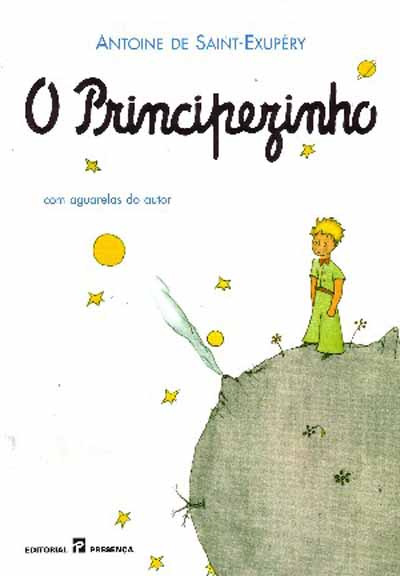
9789722328296So I’ve finished my reading for this book blogging challenge and it’s been a brilliant source of motivation to read portuguese in massive (for me) doses. I’ve written reviews of all three books on iTalki and I wanted to make a recorded version as well to make some of the vocabulary stick, and my daughter, who is an expert on vlogging, helped me record it. It’s pretty dreadful though, I’m afraid… I’ve put it down at the bottom where it belongs

The Text Versions

I’m indebted to Natan, Wagner, Samuel, Milena, Gabriel, and especially Sophia and Rubens for their excellent corrections on all these reviews


O Principezinho

O Principezinho Ă© um livro de Antoine de Saint-ExĂşpery, um autor e aviador francĂŞs. Li-o em FrancĂŞs quando era jovem, e mais uma vez em InglĂŞs quando tinha uns vinte anos porque um amigo deu-me uma cĂłpia. Agora que estou a estudar PortuguĂŞs, comprei a versĂŁo portuguesa e li-o para parte dum desafio de leitura.
O livro Ă© pequeno, com muitos desenhos (aguarelas) e por isso Ă© muito fácil para um aluno com poucos conhecimentos da lĂ­ngua. O argumento consiste num piloto perdido no deserto. Acho que este piloto Ă© o prĂłprio autor do livro. O seu aviĂŁo nĂŁo funcionava e ele estava a tentar consertá-lo. De repente, um rapazinho apareceu. Com as suas palavras primeiras, o rapazinho – o principezinho do tĂ­tulo – pediu-lhe que desenhasse uma ovelha. Tinha muitas dĂşvidas sobre a vida na terra e contou uma historia da sua vida num pequeno planeta e da sua viagem atravĂ©s das estrelas. No caminho, encontrou muitas “pessoas crescidas” que tinham atitudes estranhas de adultos em toda parte: interessavam-se apenas por dinheiro, no seu prĂłprio poder e nos seus trabalhos.
No curso da história, o protagonista fez muitas observações sobre as diferenças entre as crianças e os adultos. Aos adultos falta-lhes* de imaginação. Não compreendem nada por causa da sua obsessão com números. Adoro este livro!

*=Woah! This grammar was contorted into a shape I really wasn’t expecting by the people who marked it


 O Mandarim

Como disse no registo passado, eu tive vontade de fazer parte dum desafio de leitura, e por isso li dois livros portugueses. Actualmente, estou a ler um terceiro – em inglĂŞs – e vou escrever sobre ele em portuguĂŞs mais tarde.
O segundo livro foi “O Mandarim” de Eça de Queiroz, um famoso autor portuguĂŞs do sĂ©culo XIX. “O Mandarim” Ă© um conto muito curto dum homem que tem a oportunidade, por circunstancias sobrenaturais e esquisitas, matar um imperador chinĂŞs e herdar as suas grandes riquezas. A histĂłria lembrou-me dos livros “Faust” (de Goethe) e “Doctor Faustus” (de Christopher Marlowe). Confesso que nĂŁo percebi tudo no livro. Hei de voltar a lĂŞ-lo mais tarde quando tiver mais tempo, mas no fim, o homem fugiu duma emboscada e regressou a Portugal.
Dentro da capa da minha copia existe um CD com a gravação duma mulher a ler a história, então posso praticar a compreensao auditiva do texto ao mesmo tempo que leio. Há também um apêndice lexical com traduções das palavras difíceis. Infelizmente, um dos capítulos estava ausente no CD, e as traduções são em espanhol! Ora bem, não faz mal. Tenho um bom dicionário e sou perfeitamente habilitado para ler um capitulo sem ajuda!


The Puppet

The Puppet” (A Marioneta) Ă© um livro de Ibrahim Al-Koni. Para ser honesto, estou a escrever este comentário antes de acabá-lo por… Por razões, OK, nĂŁo importa nada o quais sĂŁo as razões!
Ora bem, este livro Ă© o segundo duma trilogia. É muito difĂ­cil mas muito interessante apesar disso. O argumento consiste num grupo de nĂłmadas Tuaregs. No final do livro passado, acabaram a caminhar no deserto e estabeleceram um aldeia acerca dum oásis. No curso deste livro, a sua sociedade mudaram a seguir Ă s ideias do Ibn Khaldun, um escritor árabe do sĂ©culo XIII. Escolheram um lĂ­der novo. Esse lĂ­der Ă© a Marioneta do tĂ­tulo. Os cidadĂŁos mais ricos começaram a persuadi-lo a alterar as regras para deixarem de utilizar o ouro como dinheiro nas trocas comerciais. Estas mudanças, segundo Ibn Khaldun, enfraqueceram o povo que se preparou para o derrubarem por um novo, o mais forte grupo de nĂłmadas. Ups – Spoiler alert! Isto vai demorar atĂ© o livro terceiro…

O jantar está pronto. NĂŁo tenho tempo para reler isto nem fazer as correcções. Ora bem, provavelmente haverá mais erros do que normalmente…

The Video Version

https://www.youtube.com/watch?v=s-INQIZiMEA

My daughter made the background and has recorded her own (english) review of the Little Prince, and answered some of the “Top 6” lists on the #HotSummerReading challenge page.

https://youtu.be/9G8JI4Imq-M

Posted in English

A Standing Start

I’m pretty good at Portuguese. I mean, I’m not a great linguist like Nigel Farage with his wine list, but I’m OK on a good day. So why is it that I still can’t seem to just start a conversation from scratch? I met a Portuguese lady the other day near my house and decided to do what all the famous internet polyglots do and start talking to her, but I hadn’t warmed up by thinking in Portuguese beforehand so, translated into english, the exchange went like this:

ARE YOU PORTUGUESE?

GOOD MORNING*!

I CALL MYSELF COLIN

I AM FROM OVER THERE!

BYE

There was some nervous laughter in between and she tried to look sympathetic to my attempts but it was basically just me broadcasting my own hopelessness. This is a pretty good example of how it’s always a good idea to do some practice to get your brain in gear before having a conversation. This is doubly true if you have an exam: never go in cold. It’ll be much harder.


*=It was 8.30PM


Posted in English

Lying to Examiners for Fun and Profit

Reflecting on my exam experience, I had another idea that might be of use to potential CAPLE candidates: Lie.

Lie through your teeth!

Lie like a lying liar who lies!

Embrace your inner Jeffrey Archer!

What do I mean by this? Well, sometimes questions come up about issues in life that are tricky to explain. Sometimes it’s better to not explain those things and instead just simplify the whole answer. For example, I had already decided that if they asked me “Tem animais de estimação?” I was going to say no. OK, I can talk about the guinea pigs (“A minha famĂ­lia e eu tĂ­nhamos alguns porquinhos da ĂŤndia. Eram muito fofinhos, mas sĂł viveram atĂ© aos cinco anos.” etc) but there was no way I was going to tell them that hoje em dia we have stick insects. Every time I’ve mentioned stick insects in Portuguese it has resulted in bafflement and me needing send pictures and explain that, no, I’m not talking about termites or locusts or anything else. It’s a guaranteed recipe for confusion and it’s just not worth the hassle.

During the exam today, I mentioned that I was born in Edimburgo. The invigilator asked did I ever go back there to visit. Now, as it happens, we are planning to go back quite soon. Why? Well, the truth is that A Minha Esposa had intended to do the Edinburgh Marathon but she had a cold during peak training times and then some other things came up and all in all, she wasn’t fully prepared, so she dropped out, but we’d already booked accommodation at mate’s rates  so we decided to…

Now, do I want to start explaining this, off the cuff in an exam? If it were a lesson, I might have a go. I could probably pull it off but it’s a complicated sentence with far too much potential for getting snookered by grammar, so I just lied and said she was going to do the Marathon. That’s a much easier sentence. I can do that, easily. Go!

As I was leaving, she offered these words of encouragement

Verificaremos que a sua esposa terminou a maratona. Se não, o Senhor Colin está desclassificado.

I’m not sure what it means, but I think she was wishing us a happy holiday.