Confesso que não sabia nada da ilha de Curaçau, mas achava que, tendo uma cedilha no seu nome, seria um vizinho do Brasil e uma ex-colónia do império português. Mas apareceu no app Worldle há dois dias e… Uau, que surpresa linguística!
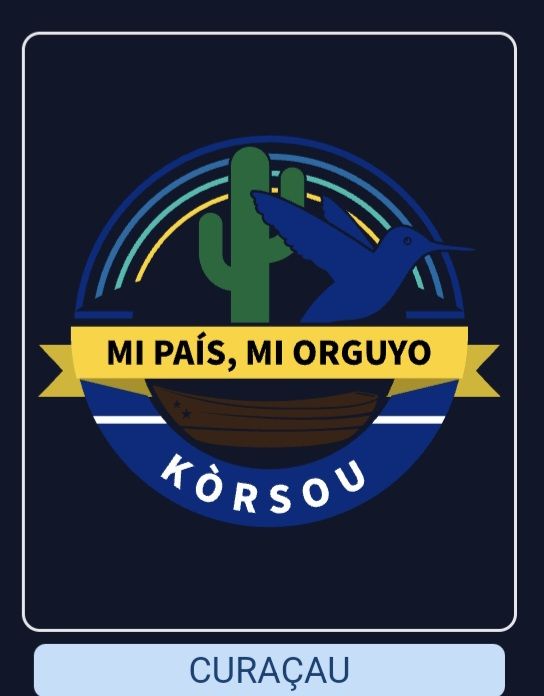
“Mi país, mi orguyo” cheira a espanhol, ainda que não seja: os espanhóis escrevem “orgulho” como “orgullo”, porque odeiam o “H”. E… Kòrsou??? O ò nem sequer existe no teclado português!!!
Pedi ajuda ao professor Wikipedia. A ilha fica perto da Venezuela e os aruaques nativos viram* a passagem assistiram às idas e vindas** de todos os impérios europeus ao longo dos anos. Os portugueses baptizaram-na*** como Curaçao (de “curar”**** porque os marinheiros doentes foram deixados na ilha para recuperar) mas os espanhóis também a visitaram a caminho de quem sabe onde. Mais tarde, a ilha mudou de mão entre os neerlandeses, os britânicos e os franceses. Hoje em dia, a influência mais forte é a dos Países Baixos, e a língua falada lá e nas ilhas vizinhas (Aruba e Bonaire, daí a designação “Ilhas ABC”) é um crioulo chamado Papiamento, de base luso-espanhol com muitas palavras neerlandesas.
*messed this one the first time. I would sincerely like to travel back in time, find the man (it must have been a man, and I bet he had a beard) who invented the conjugations of ver and vir, and nail him to a tree.
**even with the corrected error, the crossed-out passage still isn’t great so this bold text was suggested as an improvement.
***one of those words I know when reading but seldom remember when writing or speaking: batizar in place of “dar nome a” or “nomear”, is more common in Portuguese than baptise is in English, maybe because of differing religious histories or maybe just because it sounds better.
****Don’t read too much into this though. Is there actually a word “Curaçau” or perhaps in more modern orthography “Curação” meaning an act or effect of healing? No. No, these is not: that would be “Cura”. “Curaçãu” does exist as a word in Priberam, but it only refers to the orange liqueur of that name, which comes from the island.


 Luso
Luso 