Translation of the song in the last post
Se um dia alguém, perguntar por mim
If one day anyone asks about me (#futuroDeConjuntivoKlaxon)
Diz que vivi para te amar
Say that I lived to love you
Antes de ti, só existi
Before you, I only existed
Cansado e sem nada para dar
Tired and with nothing to give
Meu bem, ouve as minhas preces
My love, hear my prayers
Peço que regresses, que me voltes a querer
I’m asking you to come back and love me again
Eu sei, que não se ama sozinho
I know that you don’t love alone
Talvez devagarinho, possas voltar a aprender
Maybe slowly you can learn again
Meu bem, ouve as minhas preces
My love, hear my prayers
Peço que regresses, que me voltes a querer
I’m asking you to come back and love me again
Eu sei, que não se ama sozinho
I know that you can’t love alone
Talvez devagarinho, possas voltar a aprender
Maybe slowly you can learn again
Se o teu coração não quiser ceder
If your heart doesn’t want to surrender
Não sentir paixão, não quiser sofrer
Doesn’t want to feel passion, or to suffer
Sem fazer planos do que virá depois
Without making plans for what comes after
O meu coração, pode amar pelos dois
My heart can love enough for both of us
 O Segundo dia na cidade invicta começou tarde. Quando descemos as escadas, o pequeno almoço já tinha acabado mas uma camareira simpática trouxe-nos café e pasteis. Depois, a Catarina e a Olivia foram a uma loja de roupas e eu andei entre as varias livrarias a procurar livros interessantes e fáceis para ler. Por causa de estar sós, consegui praticar a minha “produção oral”. Fiz perguntas sobre os livros (um velho dono dum livraria de segunda mão zangou-se quando pedi-lhe falar mais devagar se faz favor… ups!), falei sobre as cores e tamanhos de calças de ganga no “C&A” (uma verdadeira surpresa: todas as lojas de C&A inglesas fecharam há anos!) e pedi direcções para o correio (enfim, o correio estava fechado mas havia uma máquina onde comprei um selo).
 Passámos a tarde juntos a explorar a cidade. Almoçámos num mercado antigo, que tinha sido convertido num centro de artes. Experimentei uma francesinha (salsichas, carne de bife e fiambre dentro de qualquer tipo de massa, coberto de queijo e regado com molho picante….) e achei bom.
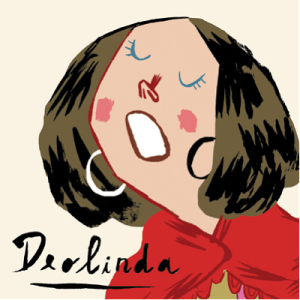
 Naquela noite, fomos ao Coliseu do Porto para assistir um concerto dos Deolinda. A – DO – REEEEIIII!!!! A cantora, Ana Bacalhau é muito simpática, as suas contas foram engraçadas e claro a música foi perfeita. A minha esposa, que não os conhecia ficou um fã, e até a Olivia (que não ouve música além da banda sonora de “Hamilton” hoje em dia, e quase não fala português nenhuma) gostou muito do espectáculo.
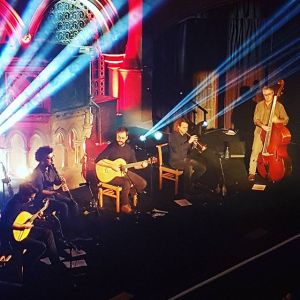 Ontem, fui com a minha família à sala de concertos que se chama “Union Chapel” para assistir a um concerto do António Zambujo. Havia muitos portugueses. Antes do seu concerto, um grupo canadiano tocou mas fomos aborrecido*. Todavia, o António foi excelente. A música foi boa e fez várias piadas que fizeram rir a plateia. Infelizmente, achei o seu sotaque difícil de entender. As únicas palavras (quase únicas ….) que entendi foram as letras cantadas por uma mulher ao pé de mim. O seu sotaque era de Lisboa e não parou de cantar durante o concerto inteiro. Muito obrigado, mulher barulhenta!
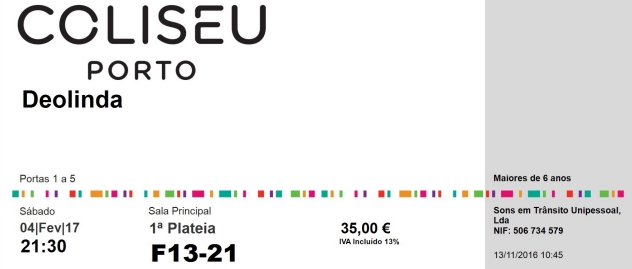
 Acabo de comprar bilhetes para um concerto da Deolinda no Coliseu do Porto. O concerto está marcado para um sábado, dia quatro de Fevereiro e pretendemos fazer umas mini-férias de fim-de-semana antes de voltar ao trabalho, à escola e à realidade. Infelizmente penso que vai ser difícil ver todas as vistas da cidade em dois dias! Serão um presente para a minha esposa que terá feito anos na sexta anterior, mas confesso que estou a puxar a brasa para a minha sardinha porque sou eu que gosto dos Deolinda. A minha esposa não os conhece bem.