This is a bit of a silly one. Notes down at the bottom. Thanks again ThisCatIsConfused for correcting it (and having the patience to read my silly word games!)
Abbabo de ver um filme baseado nas músicas de aca. Hum… Quero dizer “Acabo de ver um filme baseado nas músicas de ABBA”. O seu título é Mamma Mia. A minha filha e a sua amiga fizeram uma festa ontem à noite. Abbastecemo-las… Hum… Ou seja Abastecemo-las com petiscos e abbandonámo-las… Abandonámo-las na sala de estar. Hoje de manhã estão com sono e estão só capazes de comer panquecas com xarope e ver filmes.
Abbasar de ser…. Hum… Apesar de ser de sexo masculino*, gosto do filme. Há muitas estrelas no elenco. Acima de todos, gosto de Christine Baranski que é abbasolutamente… Hum… absolutamente fantastica. O enredo é engraçado, e as canções… Tipo… Quem não abbora ada… Ou seja quem. Não adora ABBA?
*=i just wrote “apesar de ser masculino but you have to say” de sexo masculino”. Probably would have been easier to say “apesar de ser homem” really, eh?
So what’s the joke?
I’d better explain for the benefit of anyone who is confused by the unfamiliar vocabulary that this is a sort of long-running pun: I’ve swapped the word “abba” onto other similar words like “apesar”, “acabo” and “abandonámos” and occasionally swapped letters in the other direction too. In each case, I correct myself immediately after but if you’re still at an early stage of your journey it probably looks a bit confusing so I’m sorry about that!


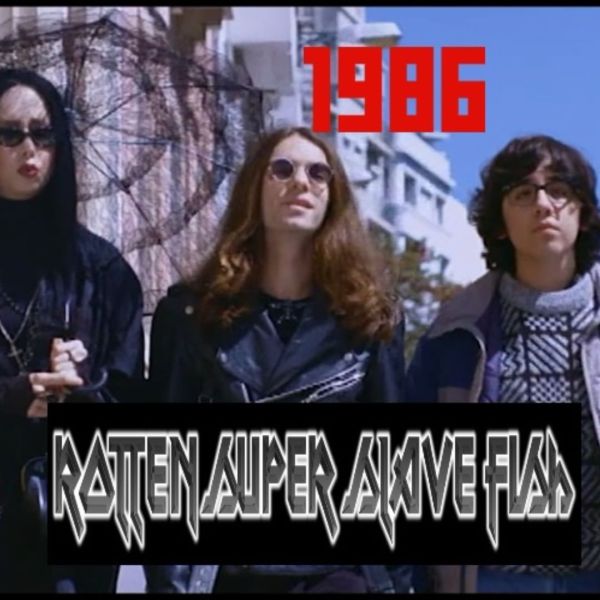 Uma das contas portuguesas que eu sigo no Instagram é a do Nuno Markl. Durante o ano passado começou a deixar indicações dum novo projecto – uma série de comédia que estava a escrever sobre as eleições de 1986 entre o socialista Mário Soares e o conservador Diogo Freitas do Amaral. O Markl é conhecido (entre outras coisas) pela sua nostalgia dos anos oitenta e o seu amor pela cultura daquela época. Fiz 17 anos em 1986 e por isso fiquei muito entusiasmado para ver o resultado. Não temos canais portugueses aqui em casa – ou seja, se existem, não faço ideia de como encontrá-los, porque há demasiados botões no comando. Mas não me importo porque o site da RTP está disponível para os coitados dos cidadãos do Brexitland, o site deixá-nos ver os programas culturais dos nossos amigos e vizinhos.
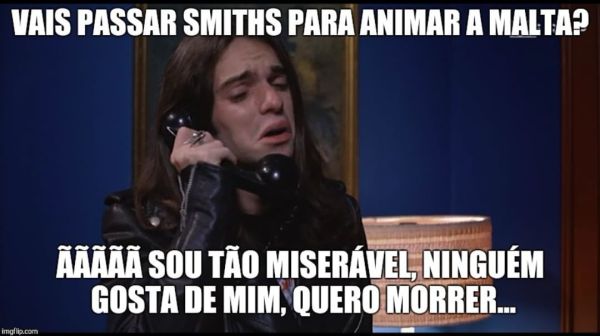 Havia muitos aspectos engraçados, tal como o sarcasmo da rapariga gótica e a raiva exagerada do pai do Tiago. Também gostei da nostalgia da cultura compartilhada pelos dois países – música, filmes, computadores, roupas e livros. Às vezes tornou-se ligeiramente auto-indulgente, mas gostei apesar disso.
 Luso
Luso 