Well, all I can say is I am never going to the Açores because I have no idea what’s going on here.
Bad Sites I Have Known
While I’m on the subject of silly moves by language sites, can I just rant about the official site run by the Portuguese government? It has a lot of exercises which might be quite useful. So… what’s the problem? You have to do them in order. I had a look at the first A1 exercise and that looks fine for a beginner, but all the A2, B1 and B2 exercises are locked and I can’t access them till I’ve worked through a complete course aimed at total novices, through the pre-intermediate levels to reach the level I’m at now.
And so, a useful site is rendered worthless for a big chunk of its potential punters.
Farewell iTalki, Hello…. Lingq?
I’m a bit sad to see what’s happening on iTalki. They’re on the cusp of launching a new version of their site and they’ve released a post explaining it to end users. It’s pretty daft: they’re rationalising a lot of their service and binning some of the peripheral stuff like instant tutoring (which I’ve used in emergencies a couple of times but apparently is some people’s bread and butter), and they wanted to bin 45 minute lessons but did a U-turn on that one at least.
The maddest thing, though, is not really mentioned in the post itself, just the comments: There’s no community tab on the beta site. In other words, all the free sandpit area where users coudl ask questions and practice writing is going. This probably makes sense in a short-term way: why should they want to supply free services when they can concentrate on the paid content? But it seems like a terrible idea to me. The free section is the glue that holds the site together: a lot of people start there for a while, take their first baby steps, have some language exchanges, meet teachers who are good at making text correctrions, and generally build trust and loyalty to the site so that when they get comfortable enough to take the plunge with a paid lesson they see iTalki as the obvious choice. That’s all going to go now and it just seems crazy.
I first heard about this through a former teacher of mine who was of the opinion that “vai acabar tudo”. She mainly cultivates students by talking to them in their notebook comments after correcting their work; in fact, that’s how I met her. We had a good, long chat about how mad it was.
Well, a while ago, I heard from another user about another site called Lingq which I’ve been meaning to get into for a while and this seems like an opportune moment. It seems pretty good and has a lot of the things a decent language community needs: A writing exchange like the one iTalki is binning, online tutors, lessons (like Memrise, which is another site I use a lot) and various other bells and whistles. It is also prettier than iTalki and has a better app. On the negative side, it’s not the easiest thing to use: I can’t get it to just show me the Portuguese lessons. In fact, it’s mainly showing me english lessons even though I’ve told it I’m a native speaker. I tried to watch the power user webinar to find out how to filter out the irrelevant bits but it was so boring and faffy that I decided I’d rather use trial and error, but basically, I think it’s looking like a strong contender to be my new language home.
The main thing it lacks, of course, is the very thing iTalki has that I actually pay for: native Portuguese teachers from this side of the pond. But that’ll change soon enough if iTalki insist on pruning their site back to nothing. Give it a couple of months and the tutors will start showing up.
Opinião: Caim (José Saramago)
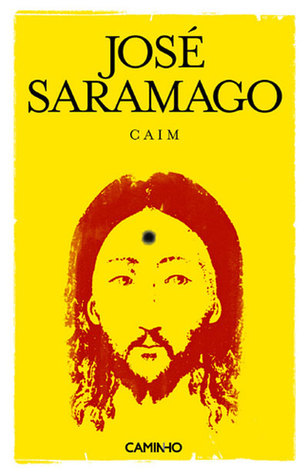 Acabo de ler o “Caim” de José Saramago. Custou-me muito ler, não apenas porque há tantas palavras desconhecidas mas também porque este escritor é famoso por ter escrito num estilo experimental. Portanto, neste livro há parágrafos que se esticam através de 5 páginas com pouca pontuação, nomes de pessoas sem letras maiúsculas, e tudo isso torna a leitura numa montanha-russa de confusão para um estudante como eu. Felizmente, já li a Bíblia, que me ajudou muito.
Toda a gente conhece a historia de Caim, filho de Adão e Eva, que matou o seu próprio irmão. Nas mãos de Saramago, este assassino original torna-se um rebelde contra o Senhor. Depois da sua expulsão do jardim, Caim percorre o mundo e viaja involuntariamente no tempo, entre épocas e locais, onde se encontram as personagens dos contos mais infames do testamento antigo. Assiste a queda das muralhas de Jericó, agarra a mão de Abraão quando está ao ponto de sacrificar o seu filho, e foge com Job do fogo e enxofre que engolem Sodoma.
A sua conclusão é que Deus é rematadamente maluco, e por isso, este próprio Caim tenta fazer alguma coisa muito ambiciosa: nada mais nada menos do que frustrar a vontade do Senhor, mas não quero explicar precisamente como, ou com que nível de sucesso, porque não quero dar spoilers!
Saramago ganhou o Prémio Nobel nos anos noventa, e mereceu: este livro é impressionante. O protagonista é um ser humano, mais realista, e melhor realizado que o da Bíblia. Trata-se principalmente de uma crítica de religião, mas já temos tantas daquelas! Também é uma história divertida. Por exemplo, na cena com Abraão, Caim amaldiçoa o patriarca pela sua falta de humanidade e sentimentos dignos de um pai. Isso serve como acusação poderosa contra Deus, mas na página seguinte, quando chega o anjo, há um momento de comédia que me fez rir em voz alta. Além disso, o livro foi escrito num modo brincalhão e ligeiro, apesar dos seus parágrafos gigantescos. Cá para mim, o livro foi um desafio mas não foi trabalho.
Two New Expressões
Agradar a gregos e troianos – “please the greeks and the trojans”. Obviously means find a solution that pleases everyone
A vida é uma corda bamba – “life is a tightrope”. Pretty obvious really.
Portrait of the Artist as a Young Homem
At work the other day, in an effort to make my tasks stand out better in the planning software, I decided to swap my default icon from the orange disc with LC on it to a picture. Usually I use a small picture of someone waving the Bandeira portuguesa* but I couldn’t find it so I opted for this instead.

So far, so whatever, but the next day when I was arriving at work, my email pinged and when I looked at the company email app, there was the six-year-old Fernando Pessoa looking at me, from the corner of the screen. As it turns out, the software is part of office suite and they’re all linked together, so the picture had become my official photograph on the intranet. I got rid of it later that day but a few people were curious as to what had happened.
I sort of miss it actually. It was the only black and white icon there which made it really easy to spot. One of those times when professionalism and efficiency are in opposition.
*I suppose I should really say “The Flag of the Portuguese Republic” since there are still monarchists who insist that the old royalist flag, a blue cross on a white background, is the real Portuguese flag.
Ouça 9. The Flag de HISTÓRIAS DE PORTUGAL de Saudade e Outras Coisas #np na #SoundCloud
Ouça 9. A Bandeira de HISTÓRIAS DE PORTUGAL de Saudade e Outras Coisas #np na #SoundCloud
Latest Musical Obsession
I’ve got obsessed with this song by Márcia (she’s the one in the video I posted a couple of weeks back). I don’t like this one as much, but it has a hidden secret: it has a Spanish pronoun (“Usted”) in it for no reason I can fathom. It isn’t needed for a rhyme, and no other Spanish words appear in it. She uses a more conventional “você” in a different verse. It’s well random. It’s as if an anglophone singer just decided to say… Oh I don’t know – “Though I put you on a pedastal, they put vous on the pill”
Anyway I made a translation (not a good one, I think) to try and get to grips with it to understand why, but I’m none the wiser.
Uma Revista
Durante a minha estadia no Porto, fui assistir a uma “revista” no Teatro Sá de Bandeira. Foi a um espectáculo longe fora da minha experiência, consistiu numa série de canções, juntadas por uma peça de teatro. Os protagonistas chegaram um a um: os músicos logo no início, depois o José Raposo, depois a Vera Mónica e finalmente a Sara Barradas (que estava grávida e quase a dar à luz a sua bebé*!).

O enredo da peça deixou os dois actores mais velhos falarem com a Sara sobre as suas viagens pelo mundo, e então, cantaram músicas de vários países. Havia canções em espanhol, francês, italiano e até uma dos The Beatles**. Os actores mudaram de roupas muitas vezes, ou pelo menos colocaram um chapéu ou qualquer outro acessório entre as canções. Também havia alguns “sketches”, tal como “A História da Minha Ida à Guerra de 1908″de Raul Solnado. Isto e duas canções (duas!) foram as únicas coisas que já conhecia.
A maioria da audiência era sénior mas havia algumas pessoas mais jovens e crianças, e acho que foi um evento adequado a toda a família. Enfim, gostei muito da experiência.
* = isn’t that lovely? I’d never noticed how the articles and prepositions work together until Sofia corrected my grammar. “Estava grávida e quase a dar à luz a sua bebé”. She was pregnant and “almost ready to give her baby to the light”
** = On the other hand, “os The Beatles” os not so pretty.
Marialva
Acabo de ver uma apresentação dum novo livro escrito por uma autora portuguesa, chamado “A Inglesa e o Marialva”. É baseado em factos verídicos, sobre uma inglesa que chegou em Portugal nos anos sessenta. Tem um bom aspecto.
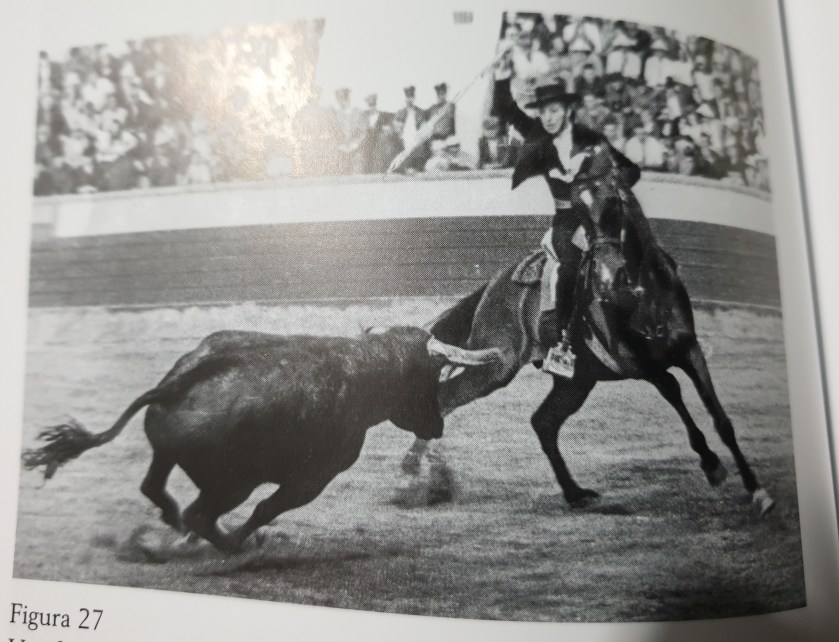
Alguém fez uma pergunta que muitos devem ter-se se perguntado: o que é que é um “marialva”. Foi explicado que esta palavra tem dois significados: pode ser um bom cavaleiro ou um homem que se traja como o Marques de Marialva, e tem o comportamento daquele fidalgo; forte, bem vestido, tipo Dom João. Mais recentemente, o nome tornou-se mais negativo, portanto muitas vezes significa um bêbado, ou um homem que corre atrás de mulheres.
 https://www.instagram.com/p/BvAGG_HAYFf/?utm_source=ig_share_sheet&igshid=19jshjfc41kl2
Gooble Gobble
Está muito frio aqui em Aylesbury, e sinto o tempo ainda mais porque ontem estive no Porto. Fui para pedir a cidadania portuguesa. Como alguns de vocês já sabem, a nossa família é anglo-portuguesa (ou seja luso-britânica). Não votámos para aquela tolice do Brexit mas quer queiramos quer não, parece cada vez mais inevitável que vai acontecer portanto todos nós ingleses casados com estrangeiros temos de pensar no futuro. Ninguém sabe precisamente o que vai acontecer, nem sequer a Primeira Ministra.
Eu e a minha mulher decidimos que o melhor plano de acção era obter dupla cidadania para todos nós. Portanto, ela está a pedir atribuição de “settled status” (estatuto de residente permanente) e eu e a nossa filha vamos tornarmo-nos portugueses. Depois, venha o que vier, ficaremos juntos e se Deus e o partido conservador quiserem, teremos mais opções do que teriam tido senão.
Pôr o processo em andamento foi um desafio. Foi muito acidentado, e encontrei alguns funcionários pouco simpáticos mas afinal, o Porto é uma cidade lindíssima, e adorei o meu pesadelo burocrático no paraíso. Acabei por ficar lá mais um dia. Um homem muito prestativo ajudou-me. Ainda não marquei golo, mas a bola passou por cima do guarda-redes e está quase através da linha do golo*
Tenho sentimentos mistos sobre isto da dupla cidadania. Não é algo que consideraria antes do Brexit, mas sinto-me confortável com a decisão, apesar disso. É a terra da minha esposa. Falo a língua (mais ou menos). Gosto da música, a comida, adoro a literatura. Claro não sou literalmente português, mas espero que cada dia que passe, merecerei a honra de dizer “eu sou português”

*There y’go, a futebol analogy – I’m half way there already!

