This is a translation of “A Bacalhau” by Ana Bacalhau from her new album “Nome Próprio”. If you’re reading this you probably know already that Bacalhau means “Cod” in portuguese, but if you didn’t then you do now, and hopefully this will all make perfect sense!
Dizem que há lá mil maneiras
They say there are a thousand ways
De cozinhar bacalhau
to cook cod
E que só há mais Marias
And Marias are the only thing more common
Que Anas em portugal
Than Anas in Portugal
Nasci eu Ana Sofia*
I was born Ana Sofia
Bacalhau na certidão
Bacalhau on the certificate
E desde dsse belo dia
And since thet beautiful day
Sou eu faço questão
It’s me that asks the question
Quando eu era pequenina
When I was little
Muitos achavam bizarro
Lots of people found it weird
Bacalhau de sobrenome
Bacalhau as a surname
Tornou-me num bicho raro
Made me a rare beast
E a mim que era gorducha
And to me, being chubby
Com este jeito engraçado
With this funny manner
Dava muito conteúdo
I gave a lot of material
Para piadas de miúdos
For the little boys’ jokes
E cochichos para o lado
And whispers to the side
Foi com isso que aprendi
And that’s how I learned
Que há sempre alguém no desdém
That there’s always someone who looks down on me
E se não gostas de ti
That if you don’t like yourself
Não há de gostar ninguém
There’s nobody else who’s going to like you
Desde então que decidi
Since then I decided
Vender o meu peixe bem
To sell my fish well
Ter orgulho no BI********
To have pride there
Valer-me do meu QI
Value myself for my IQ
E da minha voz também
And for my voice too
Ana é nome comum**
Ana is a common name
Mas é o meu nome próprio
But it’s my own name
E como é próprio de mim
And since it belongs to me
Não podia ser tão sóbrio
It can’t be very serious
Um bacalhau no fim
A Bacalhau, in the end
Tem um peixe por homónimo
Has a fish for a homonym
Fica tão bem assim
And that suits my just fine
Que parece um pseudónimo
Because it seems like a pseudonym
Sou Ana para toda a gente
I’m Ana to everyone
E Ana só para o meu pai
And just Ana to my dad
Sofia só lá em casa
Just Sofia back home
No colo da minha mãe
In my mother’s lap
Bacalhau sou para os amigos
Bacalhau only for friends
Colegas de muita farra
Drinking buddies
Desde o liceu de benfica
Since we were at Benfica College
Há letras com as amigas***
There are lyrics with friends
Quando tocava guitarra
When I played the guitar
Sei que Ana é pequenina
I know that Ana is little
Mais condiz com a sardinha****
Better suited to a sardine
Com certeza que essa brasa
For sure, this charcoal
Tem de ser puxada à minha
Has to get pulled towards mine
Pois toda a gente diz
Because everyone says
Que assim se quer a mulher*****
What do you want the woman to do?
Sou dona do meu nariz******
I am the mistress of my nose
E como quero ser feliz
And since I want to be happy
Escolho o peixe que eu quiser
I choose what fish I prefer
Ana é nome comum**
Ana is a common name
Mas é o meu nome próprio
But it’s my own name
E como é próprio de mim
And since it belongs to me
Não podia ser tão sóbrio
It can’t be very serious
Um bacalhau no fim
A Bacalhau, in the end
Tem um peixe por homónimo
Has a fish for a homonym
Fica tão bem assim
And that suits my just fine
Que parece um pseudónimo
Because it seems like a pseudonym
Já vos disse que sou Ana
I already told you I’m Ana
E que meu nome é cá da terra
And that my name is from my homeland
Porque lá na Noruega
Because there in Norway
Neva mais do que na serra
It snows more than in the mountains
Se já disse e então repito
If I already said it and then I repeat it
Isto não é nome artístico
That’s not an artistic name
E fica até bonito
And even suits me
E de nome de registo
And my registered name
Passou a nome de guerra
Became a nom-de-guerre
Ana é um nome comum
Ana is a common name
Mas é meu nome próprio
But it’s my own name
E como é próprio de mim
And since it belongs to me
Não podia ser tão sóbrio
It can’t be very serious
Um bacalhau no fim
A Bacalhau, in the end
Tem um peixe por homónimo
Has a fish for a homonym
Fica tão bem assim
And that suits my just fine
Parece um pseudónimo
Because it seems like a pseudonym
The portuguese lyrics were pinched from Letras.br, credited to Wilson and FernandaR, a Portuguese teacher on iTalki has also given them the once-over to catch a few other errors.
*=The page I copied the lyrics from has “Mas se eu ana servi” and although it’s a Brazilian site so you’d expect them to speak better Portuguese than me, I still think I’m right and they’re wrong.
**=And this said “Ana é meu único nome” but that’s not what it sounds like at all
***=Not really convinced about this one but I don’t have a better suggestion so…
****=These lines refer to an idiomatic expression “puxar a brasa para a sua sardinha” which means “pull the charcoal to your own sardine” -i.e., further your own agenda, or look out for number 1.
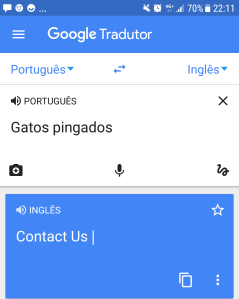
*****=I’m not sure what’s going on here. It doesn’t seem to be an idiomatic expression but when I couldn’t crack the meaning, gTranslate pulled out a very specific, and apparently non-literal meaning.
******=Being the master of your own nose apparently means being independent and self-possessed.
*******=Originally “aqui” but I think she says “cá”. They don’t use “cá” much in Brazil, I believe.
********=Bilhete de Identidade. Seems an odd thing to have orgulho about but maybe just means “who I am”