Taking a break from the lizards today to compile Instagram posts I made as part of Lindsay Does Languages‘ Instagram Language Challenge in October, which I did to stretch myself. I tried to use some basic scientific vocabulary and write some more complicated sentences. It was quite good fun thinking of new stuff to write about, and I ended up doing refraction, buddhism, make-up and dinosaurs as well as some totally made-up bollocks that I just wrote for a laugh. Some have been corrected, others not. It’s a bit tough for people doing the corrections, I think. When I talk about how, before the horse was invented, all the idiomatic expressions involving horses had originally referred to dolphins, guinea pigs and other animals, I think serious-minded teachers must wonder whether I’m joking or just severely misunderstanding the meanings of the words and phrases I’m using.
I’ve also added all the new vocbulary into a Memrise deck so I won’t forget it all immediately
Day 1: Red
View this post on InstagramA post shared by Colin (@18ck) on
Day 2: Blue (The well it mentions, by the way, was repened after its refurbishment by John Bercow. Now if only I knew how to say OORRRRDDAAAAHHH in portuguese)
View this post on InstagramA post shared by Colin (@18ck) on
Bonus Blue
View this post on InstagramA post shared by Colin (@18ck) on
Day 3: Yellow
View this post on InstagramA post shared by Colin (@18ck) on
Day 4: Green
View this post on InstagramA post shared by Colin (@18ck) on
Day 5: Orange
View this post on InstagramA post shared by Colin (@18ck) on
Day 6: Purple
View this post on InstagramA post shared by Colin (@18ck) on
Day 7: Pink
View this post on InstagramA post shared by Colin (@18ck) on
Day 8: Gold
View this post on InstagramA post shared by Colin (@18ck) on
Day 9: Silver
View this post on InstagramA post shared by Colin (@18ck) on
Day 10: Bronze
View this post on InstagramA post shared by Colin (@18ck) on
Day 11: Black
View this post on InstagramA post shared by Colin (@18ck) on
Day 12: White
View this post on InstagramA post shared by Colin (@18ck) on
Day 13: Brown
View this post on InstagramA post shared by Colin (@18ck) on
Day 14: Grey
View this post on InstagramA post shared by Colin (@18ck) on
Day 15: Cat
View this post on InstagramA post shared by Colin (@18ck) on
Bonus Cat
View this post on InstagramA post shared by Colin (@18ck) on
Day 16: Dog
View this post on InstagramA post shared by Colin (@18ck) on
Day 17: Fish
View this post on InstagramA post shared by Colin (@18ck) on
Day 18: Rabbit
View this post on InstagramA post shared by Colin (@18ck) on
Day 19: Cow
View this post on InstagramA post shared by Colin (@18ck) on
Day 20: Horse
View this post on InstagramA post shared by Colin (@18ck) on
Day 21: Sheep
View this post on InstagramA post shared by Colin (@18ck) on
Day 22: Pig
View this post on InstagramA post shared by Colin (@18ck) on
Day 23 + 24: Snake/Mouse Crossover edition!
View this post on InstagramA post shared by Colin (@18ck) on
Day 25: Monkey
View this post on InstagramA post shared by Colin (@18ck) on
Day 26: Elephant
View this post on InstagramA post shared by Colin (@18ck) on
Day 27: Lion
View this post on InstagramA post shared by Colin (@18ck) on
Bonus Lion
View this post on InstagramLeão de bónus; o leão vermelho, uma tasca fechada ao caminho para Bierton #IGLC
A post shared by Colin (@18ck) on
Day 28: Bird
View this post on InstagramA post shared by Colin (@18ck) on

 One of the exercises in “A Actualidade em Português” is about superstitions and there are five that are similar to “knock on wood” or similar – phrases for warding off the effects of bad luck. By far the coolest is “Lagarto, Lagarto, Lagarto” (Lizard, Lizard, Lizard). I have no idea why that means what it means. Ciberdúvidas isn’t much help and neither is Andreia Vale’s “Puxar a Brasa à Nossa Sardinha”. Even m’wife didn’t know, only guessed that maybe it was because witches use lizards in their spells.
 “Mas isso não tem pés nem cabeça”
 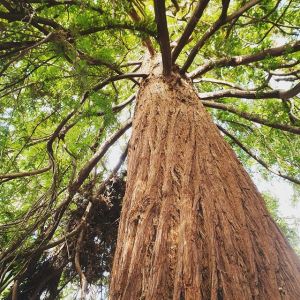 If you’re reasonably familiar with portuguese names, you’ll notice a lot of them end with “eira”: Pereira (m’wife’s maiden name), Nogueira, Oliveira, for example, and if you’re even more switched on, you’ll know that these, along with a few other names – Carvalho springs to mind – are names of trees*.
 I went to the dentist today. I’d rather not talk about it.
 Assuming the tooth-grinding term is as uncommon in Portugal as it is here, I bet this has caused a fair bit of confusion over the years. I’m imagining the dentist telling some catholic parents little João needs to be put to bed in a mouthguard because he’s engaging in bruxismo all night and them taking him straight to the priest for a swift exorcism.