Category: English

Mangas-de-Alpaca
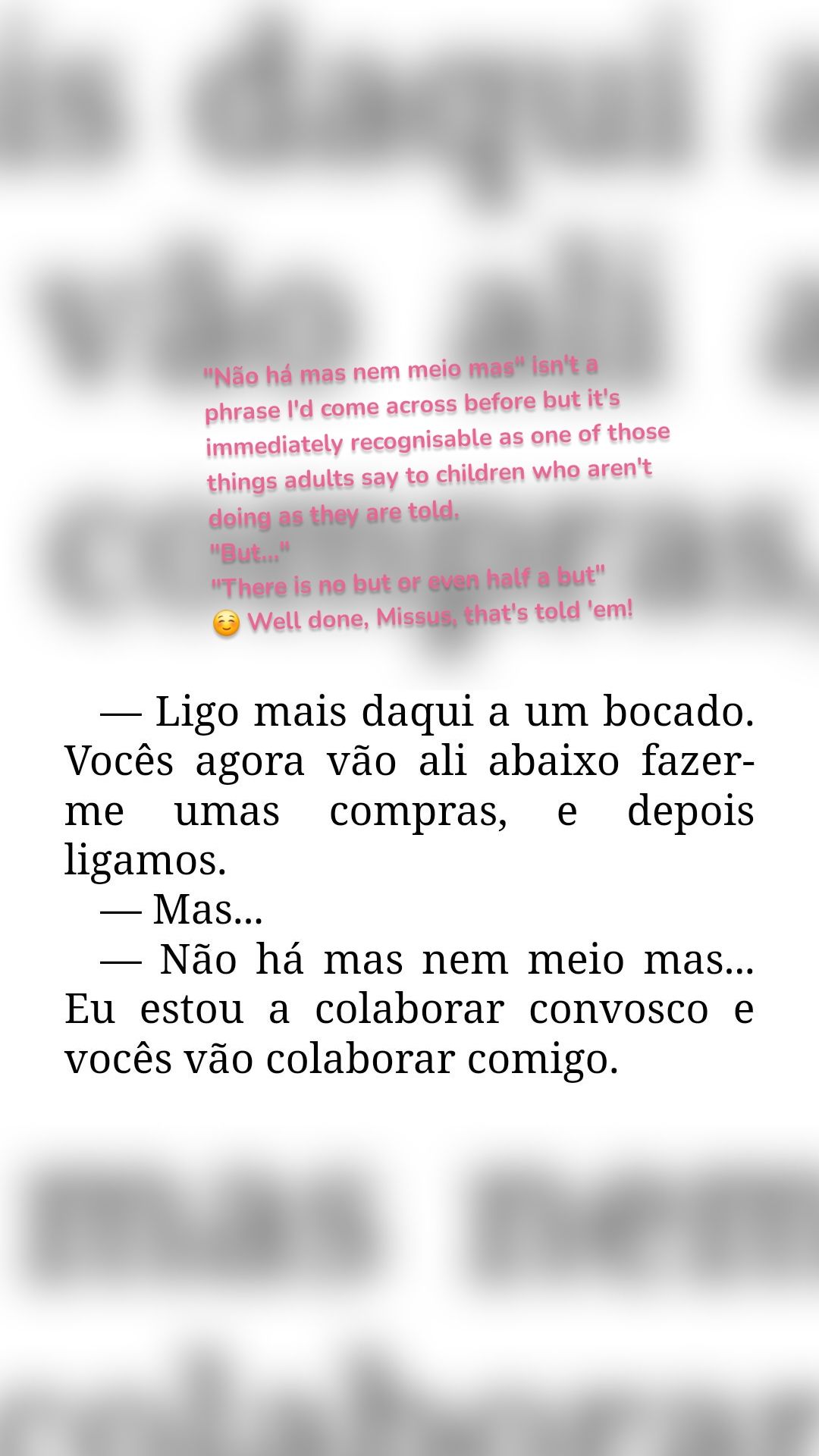
I spotted this phrase in a book I’m reading, referring to “uma comissão de oficiais técnicos”. The speaker starts his rant by exclaiming “Baboseiras!” which I took as being related to “babar” (to drool) which it is, and so he obviously doesn’t have a high opinion of these people. OK, so I’m not expecting anything good, but what does it actually mean?

Mangas-de-alpaca were sleeves worn by clerks on their lower arms to protect their clothes from getting scratched and ink-stained during service. By extension, the term can be used pejoratively to describe a bureaucrat or a pen-pusher in general.
Whether or not you use hyphens is usually important and the AO tends to be quite prescriptive. I’ve used hyphens here because that’s how Priberam spells it but neither Wikipedia or the book use hyphens, so I’m not really sure who’s correct!
Sopinha de Massa
New favourite expression just dropped. I was talking about a song from the eighties called “There’s No-one Quite Like Grandma”. If you’ve never heard of it, rush to listen, because it kept “Stop the Cavalry” by Jonah Lewie off the top slot in 1980, and you’re probably hearing that a lot in the run-up to Christmas, so you’ll want to know what you’re missing. Anyway, the expression, used to describe the soloist was “sopinha-de-massa” – Noodle soup. It just means someone who lisps and can’t pronounce their etheth… I mean their esses properly. As about 80% of all british comedians have pointed out, Lisp has always been a terrible word since people who have one can’t even say it. How much harder is it to say “Thopinha-de-matha?
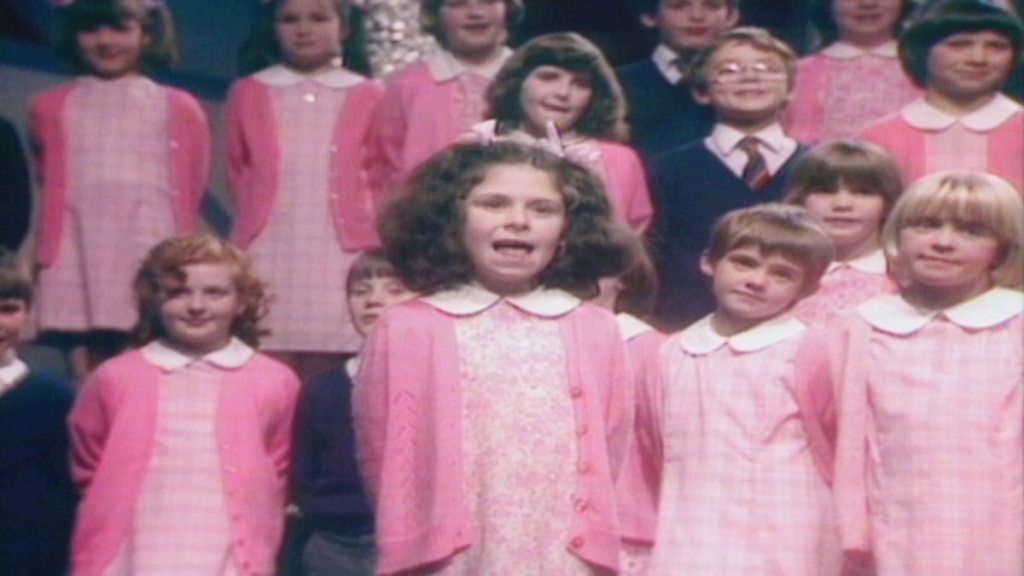
If you’re curious, the more proper term for a lisp, used by speech therapists (this lady, for example), is “Sigmatismo” which isn’t much better!
Vocabulary Car-crash
I still have to reach for the dictionary a fair bit, especially when reading something high-brow, but it’s not often I hit a sentence that has four unknown words in it.
Não se lembrava ela de lhe ter visto os dentes, mas recorda-lhe as mãos gorilentas, as calças de seriguilha descaídas no ventre e em cujo cós deve estar enfiada uma podoa em jeito de faca recurva.
Check this out.
Gorilenta isn’t even in the dictionary but I think I can guess it…
She didn’t remember having seen his teeth but she remembered his gorilla-like hands, the trousers of rough wool, sagging in the belly, and in whose waistband is stuck a pruning shear in the form of a curved knife.
Ooof!
Vou Dar de Beber à Alegria
Translation!
I’ve had a couple of videos (here and here) that have made reference to a song called “A Casa da Mariquinhas”. It keeps appearing in the most unexpected of places, and I am planning to do a longer blog post about the history around it, but for today, here’s another “sequel” to the song. The title “Vou dar de Beber à Alegria” is not accidental – it’s a callback to an earlier title, “Vou dar de Beber à Dor”. The reason I’m interested in this video is that I don’t understand all the dialogue in between the verses, where she’s just having bantz with the audience. I can get quite a bit of it; my favourite bit is when she fancies singing a bit more she tells her guitarist “Anda Armando!” – oh yeah, she’s in charge. But I’m definitely missing huge chunks. I found a transcript online and it’s full of footnotes, so it seemed worth writing it out and decoding all the dialogue, with a view to sharpening my listening skills
OK (Rolls up sleeves) LET’S DO THIS!
Some aspects of this don’t really make much sense and I don’t know if it’s just me or what. Like what’s the mongoose stuff all about? There’s another version by Mafalda Arnauth which is really polished and leaves out the crazy backstory and there are a couple of other tweaks too – like she says “Umas Pinguinhas” instead of “Uma Macieirazinha”, maybe because that drink isn’t well-known now and people might wonder what she was talking about.
| Portuguese | English |
|---|---|
| [Também podia ser Yé-Yé, olha, Lembras-te, quando a gente fazia estas paródias? Ah, ah. Ela fazia um marinheiro americano depois voltámos: Eu fiz muitos marinheiros americanos, ela fez “um marinheiro americano” e eu fiz “um marujo português”, um dueto. É um sucesso!] Anda Armando! | It could be Yé-Yé* too, look. Remember when we used to do these parodies? She (Amália Rodrigues) was making an american sailor** and then we came back: I made lots of american sailors, she mas “An american sailor” and I made “a Portuguese Sailor”, a duet. It’s a hit! Go for it, Armando! |
| Passei ontem pela rua, onde morava, A cantada e recantada Mariquinhas, E qual não é meu espanto, Olho e, vejo por encanto, Outra vez, lá na janela, as tabuinhas. Corri e bati à porta E até fiquei quase morta, Quando ela se abriu p’las alminhas, Pois, quem veio a porta abrir e a sorrir, Era mesmo a Mariquinhas! | Yesterday I went down the road where lived The much-sung-about Mariquinhas And which isn’t my amazement I look and I see by magic Once again, in the window, the shutters. I ran and knocked at the door And I almost died When it opened by a mircacle Because who came to the door and opened it smiling It was Mariquinhas herself! |
| [Ai, a Mariquinhas ‘tá uma beleza, ‘tá tão linda a Mariquinhas! Ai que linda, ai que linda, ai que beleza! ‘Tá mais gordinha, pesa quatrocentos e cinquenta quilos, Não é brincadeira nenhuma, que é mais que o dobro! Mas como gordura é formosura, Ela não se importa nada com isso. ‘Tava a comer jaquinzinhos de escabeche, quando eu apareci. Ela assim que me viu: – Olha a Hermínia, eh pá! Ela sabe que eu gosto de carapaus fritos, coitadinha até fez ternura: Tinha lá o arranjinho dela, jaquinzinhos a 320 paus o quilo. Ela tinha lá cinco gramas, era para ela e para o «charmant», pró «Schatz»; depois apareceu esta intrusa; olha, foi à conta! O que vale é que os jaquinzinhos, é cabecinha, rabinho e tudo, vai tudo na enchurrada!] Anda Armando! | Oh, Mariquinhas is a beauty, she’s so lovely, Mariquinhas! Oh how lovely, how lovely, what beauty! She’s a little fatter, she weighs 450 kilos, It’s no joke, it’s more than double! But with fatness there’s gorgeousness, She doesn’t care about that at all She was eating Jaquinzinhos with escabeche*** when I appeared And as soon as she saw me: “Hello, Hermínia, woah, man!” She knows I like Fried mackerel, poor thing, she was even kind to me She had her little arrangement, jaquinzinhos at 320 paus (escudos) a kilo She had five grams, it was for her and for the “charmant”, for the “Schatz”****; then there was this intrusion; look, it was the bill! What matters is that the Jaquizinhos, heads, tails, everything, all go in together Go for it, Armando! |
| Eu entrei e abracei a Mariquinhas, Que me contou que um senhor de falas finas Lhe deu a casa que é sua, Pôs o prego na rua E correu com o tal senhor, que era lingrinhas. Mandou caiar as paredes, Pôr cortinas de chita Nas janelas tão bonitas, às bolinhas. E, por fora, p’ra chatear as vizinhas, Janelas com tabuinhas. | I went in and hugged Mariquinhas, Who told me that a sweet-talking man Had given her the house that is hers Put the nail in the road And ran with that man, who was skinny. She ordered the walls to be whitewashed Put up chintz curtains with polka-dots on the beatiful windows And outside, to annoy the neighbours Windows with shutters |
| [Bem-feita! Lá na rua, as amiguinhas ficaram todas danadas. E um peso de quatrocentos quilos em cada ponta das tabuinhas, que era para elas não poderem deitar para lá os mirones. Aquilo é um rés-do-chão. Antigamente aquilo era só lá chegar, e aquilo era canja, agora quem é que pode? Aguente-se oitocentos quilos, o que ela se havia de “alimbrar*****” hein! Mas é uma belíssima rapariga! Anda Armando! | Well done! There on the street, the little friends were all upset And a weight of 400kg on each corner of the shutter so the nosey-parkers couldn’t move them aside. That was on the ground floor Back in the day all you had to do was walk up and it was a piece of cake, now who could do it? 800kg is sturdy enough, which she must have remembered, eh? But she was a very beautiful girl! Go for it, Armando! |
| Ai, já tiraram os caixilhos às voltinhas E as janelas já estão todas catitinhas. E p’ra afastar os temores E o inguiço****** dos penhores, Defumou a casa toda com ervinhas. Pôs incenso das igrejas E, p’ra acabar com as invejas, Pôs um chifre atrás da porta, às voltinhas. E na cama, sobre a colcha feita à mão, Ai, debruada com borlinhas. | Oh they’ve already taken away the boxes And the windows are all looking good And to drive away fears And the bad luck of the debts She fumigated the whole house with herbs Put out church incense And to put an end to the envy Put a horn behind the door around about******* And on the bed, on the handmade quilt, oh, decorated with tassels |
| [Ela é muito prendada. ‘Tava a fazer colcha toda em caroché Diz que era para oferecer a mim Para eu estrear na noite de Natal: E tens qu’a pôr, e tens qu’a pôr, e tens qu’a pôr Tens qu’a pôr o quê, mulher? Tens que pôr a colcha na noite… ‘Tá bem, pronto, acabou-se! Faltavam très dias p’rò o Natal e a colcha ainda ‘tava em meio. E ela, coitadinha, ali, à fossanga, à fossanga… Ò mulher, pára lá com a costura! Quando entram as visitas de cerimónia assim como eu, pára-se logo com tudo! Nós éramos aprendizas de alfaiate, quando éramos miúdas, é claro que eu não percebia nada daquilo, nem queria, eu andava a apanhar alfenetes [alfinetes], agora ela não; ela já sabia “górnecer” [guarnecer], como ela dizia. Hoje é uma boa costureira de alfaiate e eu sou vedeta! De maneira que ela faz assim um bocadinho de cerimónia comigo, então respondeu: Ó filha, eu por acaso até nem percebo desses “protocóis” [protocolos]. Você não percebe destes proto quê? Então aprenda, eu é que sei! “Coltura” [Cultura] é comigo, sou eu e o Pedro Homem de Melo, só, mais nada! Uma bandida daquelas, da minha criação, a dizer «protocóis». Mas em que rimance [romance], em que rimance, é que ela aprendeu os protocóis, não foi na crónica feminina, concerteza. Eu, ali, cheia de punhos de renda, nhó, nhó, nhó, nhé, nhé, nhé, e ela, pimba, «protocóis»! Anda Armando! A colcha é linda! É toda aos “kódrados” [quadrados] de metro e meio Assim com rosinhas, todas em relevo; assim com cachos de uvas ferrais, pindurados assim à volta, uma fundura toda em «bois de rose» é uma beleza! Pesa cinquenta quilos. Aquilo não é sonho, é pesadelo! Agora eu, pela escada abaixo, com cinquenta manguços às costas… Eu disse escada abaixo? Ó Irene, eu disse escada abaixo, disse? Não é, é um rés-do-cháo! | She was very gifted. She was making the whole quilt with crochet She said it was to give to me For me to use for the first time at Christmas: And you have to put, have to put, have to put Have to put, what, woman? You have to put on the quilt at night That’s fine, right, it’s finished! It was three days before christmas and the quilt was still only half finished. And her, poor thing, there, working hard, working hard… O woman, stop your sewing! When they enter on cerimonial visits like me, everything stops! We were apprentices of needlework when we were kids, it’s clear that I didn’t understand any of that and didn’t want to. I was picking up pins, but not her. She knew how to decorate, as she would say. Today, she is a good seamstress and I’m a star! In that way she made a little ceremony with me, then replied: Oh, daughter, I as it happens don’t know of these “protocols”. You don’t understand these proto-what? Then learn, I’m the one who knows! Culture, that’s nmy department, me and Pedro Homem de Melo and nobody else! One of those bandits of my creation saying “protocols”, but in what novel, in what novel did she learn “protocols”? It wasn’t in the Crónica Feminina, that’s for sure! Here I am, walking on eggshells, nhó nhó nhó nhé nhé nhé********* and her – boom! “Protocóis!” Go for it, Armando! the quilt is lovely! It’s made up of squares, and a metre and a half in size Like that, with roses, all in relief and with bunches of iron grapes, hanging, like this around it, a background all in “rosewood” It’s a beauty! It weights 50 kilos That’s not a dream, it’s a nightmare! Now me, down the stairs with fifty mongooses********** on my back… Did I say down the stairs? Oh Irender, I said downstairs, didn’t I? No, it’s the ground floor! |
| Lá está tudo, tudo, tudo, até o xaile E a guitarra, enfeitada com fitinhas. E sobre a cama, reparo, Um peniquinho de barro, Bem bonito e pintadinho com florinhas. E eu fiquei tão contente! E ficámos, calmamente, A beber até de manhã, ai, ai.. uma macieirazinha, Pois dar de beber à dor é o melhor, Já dizia a Mariquinhas! Pois dar de beber à dor é o melhor, Já dizia a Mariquinhas! | There it is, everything, everything, even the shawl And the guitar, decorated with patches And on the bed, I notice, A clay chamber-pot All pretty, painted with flowers. I was so happy And we stayed, calmly Drinking until morning, oh oh… A little Macieira Because drinking the pain away is the best Said Mariquinhas Because drinking the pain away is the best Said Mariquinhas |
*Yé-Yé was a style of pop music in europe in the sixties, The name derives from Yeah-Yeah used by bands like the Beatles
**I definitely feel like I’m in double-entendre territory here, but for what it’s worth in the sixties, Hermínia Silva did in fact make a record called “Marinheiro American” and another called “Marujo de Lisboa, and Amália seems to have made one called “My Love is a Sailor” but whether that’s all she’s talking about, I couldn’t speculate!
***Jaquinzinhos are baby Carapaus (horse mackerel), eaten whole, and escabeche is some sort of vinaigrette style sauce. Basically, this is tasca food, although it’s difficult to see how she got that fat off eating fish, but OK.
****French and German words equivalent to Prince Charming
*****lembrar
****** I think this must be “enguiço” – and “penhores” on the same line means objects used as collateral, but debt seems to work better in the line so I have fudged it…
*******No idea what’s going on here – but they’ve already talked about burning incense to drive out bad luck so maybe some other kind of superstitious ritual???
******** Best I can do as a translation for “punhos de renda” which means taking extreme care to avoid giving offence
********* I think this is just the sound of someone jabbering like blah blah blah…?
********** Mongooses? Is mongoose a slang word for kilogram? This is baffling!
I I, sir.

Talking Timbuktu
So I saw this video on Youtube the other day
The guy is talking about places in the world that are used as placeholders for “a long way away” like Timbuktu or Outer Mongolia in english.
I know the phrase No cu de Judas* exists, which is equivalent to phrases like “the back of beyond” or “the arse end of nowhere”, but it’s a little unsatisfying because – well, firstly because he is talking about real places in the world that are thought of as far away, but it’s worse than that because he mixes up the idea of… well, tell you what, rather than blather on, here’s how I asked about it on Reddit, and I’ll tell you the answers afterwards. I had a bad case of morning head when I wrote it so the grammar is probably not great:
Vi um vídeo no YouTube sobre “Timbuktu”. Em inglês, se quisermos falar de algures que fica longe, falamos de ‘timbuktu’ (no Mali) ou de ‘Outer Mongolia’ (ou seja Mongólia), ambos dos quais ficam longe de nós e funcionam como marcadores de ser longe da civilização. Segundo o narrador, cada país tem a sua própria noção de onde fica este sítio remoto.
É confuso porque o narrador mistura duas ideias: (1) Longe de aqui, e. (2) Num sítio remoto, onde é difícil chegar de qualquer ponto de partida.
Eu sei que existe a expressão “no Cu de Judas”, que significa mais ou menos “num lugar distante” mas não sei se isso é o único exemplo.
Bonus question: além disso, sei que existe um lugar verdadeiro nos Açores chamado “Cu de Judas”. Mas qual existia primeiro? O lugar foi nomeado por causa da expressão ou o lugar já existia e a gente começou a dizer “o meu primo está sei lá onde, talvez no Cu de Judas” e a expressão desenvolveu daí?
I got a few answers, and u/Butt_Roidholds gave me a really good list, and I’ve added a few from other people. Obviously quite a lot of these are even ruder than “No Cu de Judas” so don’t go blurting them out in front of your maiden aunt. Italics = additions or notes that weren’t part of the main list)
- na Cochinchina; (This is the only one that refers to a real place, I think: Cochin China = the southern part of Vietnam, so I think it’s probably the only legit answer to the question the guy is posing in the video.)
- onde o diabo perdeu as botas; (I also heard “onde Judas perdeu as botas”)
- onde o vento faz a curva;
- para lá do sol-posto;
- nos cornos da lua;
- nos quintos do caralho (ou simplesmente nos quintos);
- no fim do mundo;
- nos confins da terra (ou simplesmente nos confins);
- nos andurriais (normalmente alude a sítios ermos ou caminhos inviáveis);
- nas berças (normalmente alude a sítio rural);
- em cascos de rolha (normalmente alude a sítio rural);
- Parvónia (normalmente alude a sítio rural);
- em Santa Cona dos Assobios; (if you’re not sure what that means, I’ll tell you: it means “In Saint Cunt of the Whistles”. I mean… that’s quite an expression!)
- onde os grelos batatam;
- No caralho mais velho;
- Na casa do caralho;
- Onde Cristo não passou.
*”In Judas’s arse”. There’s a book called this by António Lobo Antunes but I’ve never read it. Ines Rebelo tortures her boyfriend on camera by asking him to try and guess the meanings of a few portuguese phrases, including this one… he’s (ahem) pretty wide of the mark (at around 11:45)
The Red Hot Silli Preppersitions
More corrected exercises from Português Outra Vez
Quando elas vierem a casa, lembra-lhes para regarem as flores no rés do chão.
Eu faltei aos ensaios e, por isso, não vou em digressão pelo Canadá. (I actually feel like my wrong answer wasn’t totally wrong: dedicar-se was an option so I put “dedico-me aos”. I feel like that works but the book says no No, apparently not, because the ensaios are rehearsals for the tour. Duh!)
O pai do nosso amigo Charles valeu-se do cargo que ocupa para lhe arranjar trabalho no Ministério dos Negócios Estrangeiros.
O presidente faltou à palavra e adotou essa lei discriminatória
Levantei-me as cinco de manhã; faltou pouco para amanhecer.
Thanks to Cristina for spotting the typos & the misunderstanding in the first version.
Brarrogate
Wow, this girl is really smashing the bilingual life! She lives in Harrogate but speaks Brazilian portuguese, having been raised bilingual, so she seems to have become a bit of a celebrity in Brazil, describing English lifestyle to a Brazilian audience in what is apparently a perfect regional accent. Harrogate is the posh bit of North Yorkshire, but even so, I feel like she’s a bit more Downton Abbey than the average nine year old even in her home town. But no worries, it’s YouTube and I love that she’s made that connection across the Atlantic! You go, girl!
Arcaboiço
Ooh, well I haven’t done a post about cool stuff words found on twitter for a while, but here’s one

It’s such an unusual-looking word, I wondered if it was a joke word – maybe 3 words stuck together for effect or something – but it’s not.
Here’s what Priberam has to say about it
arcaboiço
(ar·ca·boi·ço)
nome masculino1. Conjunto dos ossos de um vertebrado. = OSSATURA
2. Estrutura óssea do peito. = TÓRAX
3. [Por extensão] Constituição física.
4. [Técnica] Estrutura de madeira de uma construção. = ARMAÇÃO, MADEIRAMENTO
5. Traçado inicial de algo. = DELINEAMENTO, ESBOÇO
6. [Figurado] Capacidade, envergadura (ex.: o técnico não tem arcaboiço para substituir o treinador).
“arcaboiço”, in Dicionário Priberam da Língua Portuguesa [em linha], 2008-2023, https://dicionario.priberam.org/arcaboi%C3%A7o.
So it’s like “bone structure”, but focused on bodily articulation, as distinct from, say, facial bone structure. Nice!

