Since “The New Normal” has been a theme today, here’s Sergio Godinho with a song of that name, written in August last year and containing obvious references to the long nightmare from which we hope we will soon awake (although I’m writing this the day after “Freedom Day” and I am regning in my optimism…)
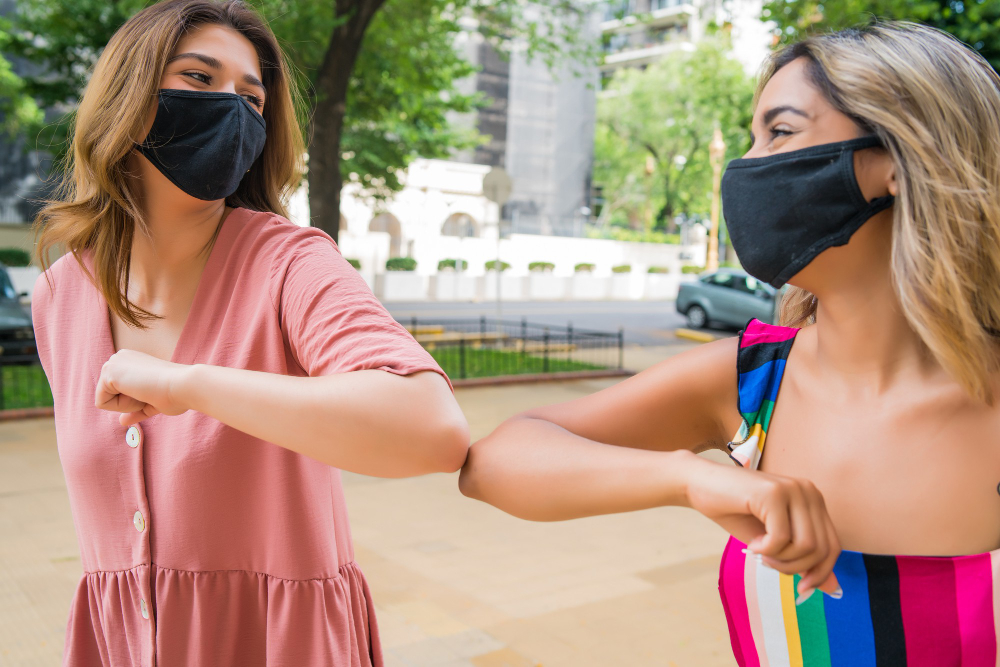
Dadas as circunstâncias Given the circumstances Mantenha as distâncias Keep your distance Respeite os espaços Respect the spaces Controle essas ânsias Control your urges De beijos e abraços for kisses and hugs Refreie as audácias e as inobservâncias Refrain from risks and non-observances
Description in Portuguese of the course I wrote about earlier in English. Thanks to redditor teafvigoli for helping root out the errors.
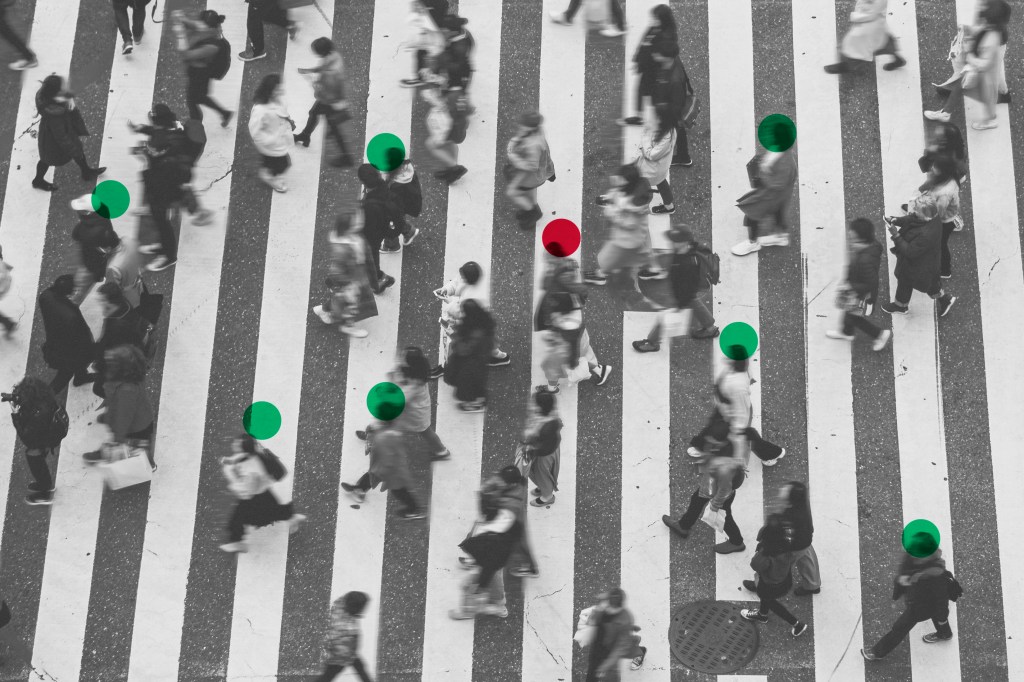
Red and Green Dyed Lockdown Hair Goes Back To The Office
Participei num curso online. O título era “O Novo Normal Existe?” e faz parte dum conjunto de cursos chamado “O Café Filosófico”. Experimentei um curso online português anteriormente mas saí quando entrei em pânico porque percebi que teria de falar!
Ora bem, gostei muito deste. A professora começou por mandar-nos escrever as nossas próprias respostas (no meu caso “O nosso novo normal é igual ao velho normal da Coreia do Sul” (porque já costumam de usar máscaras lá)
De sequida, havia três vídeos com outros pontos de vista e depois, o grupo partiu-se e todos nós participámos em discussão em grupos pequenos. Confesso que não compreendi verdadeiramente o terceiro (uma comédia brasileira) mas fiquei influenciado pelas opiniões dos outros participantes.
Um afirmou que a normalidade em si nem sequer existe. Isso é verdade até certo ponto: cada um tem uma vida única e a situação muda constantemente. Mas cá para mim, o normal é o que não nos faz exclamar de surpresa. A estação de ano muda, o tempo muda, o governo muda, mas permanecemos dentro do espectro do normal. Mas de vez em quando algo realmente imprevisto (tal como uma pandemia) acontece que nos perturba. Está tudo estranho, e neste momento reconhecemos a normalidade perdida. Mas passado um ano e meio, será que o esquisito tornar-se-á normal? Achava que sim mas uma mulher no meu subgrupo foi céptica.
Acabei por crer que o novo normal pode existir se quisermos. Ou seja a maioria de coisas vão voltar um dia ao normal mas aprendemos muito em termos de modos de trabalhar e de viver e somos capazes de manter uns aspectos do normal temporário nos nossos próprios novos normais pessoais.
I really challenged myself yesterday by participating in a live discussion about whether or not covid has brought about a “New Normal”. Regular readers might remember I tried to join in a workshop about the suffragette movement in Portugal a few weeks back but I got cold feet when I realised I’d have to speak on camera and not just listen. Well, this time, I was better prepared!
Proposed new design for the ceiling of the Sistine Chapel
The teacher started out with an introduction and asked us all to write down our personal answer at the outset. Then the format was based on a series of video and audio recordings. She’d show us a different point of view and then we broke into discussion groups to see whether the new angle had changed our minds at all. At the end we summed up by seeing how our opinion had changed over the course of all the stages.
My subgroup consisted of just three people. I started out by apologising to the other two for the fact that my mastery of Portuguese was perhaps a little less than ideal for the level of discussion, and I hoped they wouldn’t mind me tagging along. Amazingly one of them asked would I like them to conduct the discussion in English! I am used to waiters and shop assistants offering this courtesy of course, but the level of generosity in offering to do it in an hour-and-a-half long discussion speaks volumes for how welcoming the Portuguese are to visitors, tourists and immigrants. Imagine some English speakers in the UK making a similar offer to a french guest who dropped in unexpectedly, for example.
I thanked her for the offer but declined of course. Even if I wasn’t trying to gain familiarity with the language, the level of egotism I would need to expect them to go to such trouble would just be off the charts!
I actually managed to hold my own pretty well, I think. I mean, I struggled with some aspects. One of the videos was hard to follow due to the Brazilian accent, and I hadn’t really warmed my brain up beforehand so I wasn’t especially articulate, but that’s OK. I listened to the other participants, tried to give my own opinion (slightly stiltedly) asked a couple of questions, described how my point of view had changed . I didn’t amaze and astound the group with my laser-like insight, but I did OK. I didn’t disgrace myself. I’d class that as a victory of sorts!
If you’d like to be involved, the list of courses is here. Obviously only consider this if you are a confident listener and speaker. I’m at B2 level and I was struggling, so don’t even think about it if you’re a newbie.
A minha filha está a ensinar a mãe a jogar um jogo baseado na série The Walking Dead. No início ela era cética. Não gosta de jogos. Prefere ver a televisão mas acabou por aproveitar o diálogo.
Estão as duas sentadas no sofá, a mãe a tricotar e a filha a controlar o protagonista. Cada vez que ela precisa de tomar uma decisão, a mãe é que manda. “Vamos matar o Ben” ela diz. “Mais tarde mãe, teremos uma hipótese em breve. Agora precisamos de roubar esta bateria” E assim por diante…
A minha filha marcou uma consulta com a dentista ontem às duas e meia da tarde. Para nós, uma família que adora piadas (ou melhor dois de nós adoramos), este facto é mesmo engraçado porque em inglês, “as duas e meia” (two thirty) soa igual a “dorzinha de dente” (tooth hurty). “two thirty” diz a macaquinha “sim” respondo eu “tenho de ir ao dentista” diz ela “ah ah ah ah” respondo eu. Coitadinha da mãe.
Today’s text is a bit of an odd one, following a train of thought from the last one. Thanks to Butt_roidholds for the corrections. I made a lot of silly mistakes in this text but there are some notes about the non-silly ones at the bottom.
O amor não nos é desconhecido* Conheces as regras e eu também Um compromisso completo é aquilo de que estou à procura Não receberias isto de outro gajo qualquer
So quero explicar-te como me sinto Tenho de te fazer entender
Nunca vou desistir de ti Nunca te vou desiludir Nunca vou andar às voltas e abandonar-te Nunca te vou fazer chorrar Nunca me vou despedir** Nunca vou mentir e magoar-te
*=”We’re no strangers to love” just doesn’t work in Portuguese. “Love isn’t unknown to us” is better.
**=nunca vou dizer adeus Would have been more idiomatic (and literal) but this is a verb I keep forgetting about so I wanted to crowbar it in.
Apparently piadas de tiozão (“big uncle jokes) are what Brazilians call dad jokes. Older subscribers who have endured three or more years of this blog (I raise a glass of Licor de Beirão in your honour) may remember that the European equivalent is “Piada Seca“
I inflicted two in the world today.
Como se chama um cantor que tem muita sede?
Justin Beber
Como se chama um cantor que tem um leque e um tambor?
This text was written about a news story. Actually I can see I got some details wrong but hey ho, I’m learning Portuguese, not writing a column in the Telegraph, so my fact checking department is limited. Dani Morgenstern corrected it (thanks!) and gave me some good tips which I have added as footnotes at the bottom
Escrevi uma anedota* ontem sobre a minha dádiva de sangue (uma operação fácil que praticamente não doi de todo) mas hoje ouvi uma notícia de alguém que fez um sacrifício heróico.
O Sam Astley é um adepto da seleção inglesa que se tinha registado no rol de voluntários que oferecem células da Medula Óssea para quem precise de tratamento contra a leucemia. No dia antes do jogo o serviço nacional de saúde contactou o senhor Astley para informá-lo de que havia alguém com o mesmo tipo de tecidos, portanto ele deveria ir ao hospital para doar células naquele mesmo dia e entrar em cirurgia porque senão o doente morreria.
Ficou ligeiramente chateado pela coincidência de datas, claro, mas não havia hipótese** de recusar. Aceitou sem hesitação.
O Sam e a sua namorada foram entrevistada na televisão. A namorada disse que ela o admirava e o considerava um herói por causa do seu sacrifício. O apresentador concordou e eu também. Mas o Sam não se quis vangloriar. Respondeu que “Não sou eu o herói. Eu fiz isto num dia só, mas a minha namorada é enfermeira. Ela salva vidas dia após dia.”
E eu pensei “OMG 😭” ou seja, como se diz em português “OMD 😭”
O casal recebeu*** dois**** bilhetes para a final da competição. Merecem.
Need a bone marrow transplant? Nobody with this surname is going to give you up or let you down.
*=I’m stubbornly resisting correction on this one. It was s suggested I change it to “piada” (joke) but I feel like the text I wrote about the blood donation was more of an anecdote and the Portuguese word has roughly the same meaning in Portuguese (“Pequena narração ou dito que provoca ou pretende provocar o riso” – Priberam) although I notice that piada is given as a synonym for anedota so maybe the two concepts aren’t as distinct in PT… Hm… Maybe time for a follow-up question. Watch this space.
**=I put “não havia questão” but I don’t think that sense of question works in Portuguese. Não havia hipótese seems to be the right option
***=recebeu (received) sounds a bit off in English, but the English equivalent “they were given” (foi dados) doesn’t work in Portuguese, so recebeu it is.
****= I used “um par” (a pair) but this isn’t commonly used in place of English words like couple, pair. If you mean two, say two!
I had been putting together a list of Portuguese Graphic Novels for a while and it’s not quite finished yet but someone just asked a question about it so I’ve gone ahead and published it in draft form along with the other resources. If you’re looking at this on a computer it’ll probably be over on the right, and if you’re on a phone screen, you’ll probably need to scroll down a bit. Or just click here.
The plot thickens though because after I published it I saw a reply from another Redditor (is that what you call them?) with this link to a list of the supposed fifteen best. Some are on my list too, and some I don’t know. I’ve no idea why they have Caos e Ordem on there. I liked the look of that too but it’s a huge disappointment.
This text about blood donation and the football has now been corrected by ThisCatIsConfused (thank you!)
Fui ontem a um centro de dádivas de sangue. Eu fiz o agendamento anteontem, e fiquei surpreendido porque normalmente não se pode agendar uma consulta sem 2 ou 3 semanas de antecedência. Hm.. Que estranho. Porque é que há tantas vagas no calendário do centro? Ora bem, tornou-se óbvio depois do enfermeiro me ter furado o braço*
“Então… O senhor vai ver o jogo de Inglaterra hoje à noite?” disse ele “Provavelmente” respondi. “Boa. Mas não te esquece que não se pode beber álcool durante as próximas 24 horas” Aaahhhh! É por isso que ninguém quer doar sangue hoje!
Acho que sou a primeira pessoa na história do mundo que disse a seguinte frase: “Não se rale. Não vou beber. Sou escocês.”
*=i really stretched myself with the grammar of this sentence and although I didn’t get it all right, it was close enough.


 Luso
Luso 