I’ve been looking at words related to money and I’ve put together some short paragraphs that use them in context
This has absolutely nothing to do with the text, I just like puns, OK?
Os meus vizinhos oferecem alvíssaras (a reward) a quem forneça informações sobre o seu cão que desapareceu no domingo passado.
O governo já aumentou os impostos (taxes) apesar de ter prometido não agravar a carga fiscal (tax burden).
O meu contabilista (accountant) pratica honorários (professional fee) muito altos mas vale a pena
Além da propina (tuition fee) que pagava à universidade tinha de pagar uma joia (subscription fee) ao clube Marxista e manter a minha quota (periodic membership fee) em dia. Caso contrário, eu ficaria “cancelado”.
O meu avô recebe dividendos (dividends – not a hard one to guess, that!) modestos* cada ano em resultado dos seus investimentos (investments – another easy one!) . Comprou um por cento das ações (stocks. I’ve seen “títulos” and “papéis” used in this context. See here for example) duma empresa chamada “Apple” em 1978 e os lucros (profits) do seu capital cobrem as despesas (expenses) da sua humilde mansão numa pequena ilha privada no mar das Caraíbas.
A minha filha ganha (earns) bem com o seu serviço de ama mas vive connosco sem pagar renda (rent free: renda can also mean “income” in other contexts as well as rent). É rica. Penso em pedir-lhe um empréstimo (loan) mas a taxa (rate) de juros (interest) que ela aplica é bastante alta.
Depois de receber uma indemnização (compensation) do meu empregador, fui ao banco fazer um depósito (deposit, obviously) e depois à tasca praticar o levantamento do copo.
*This useage of “modesto” to describe something as small and unshowy, is not actually given in the dictionary but seems to be used as in English alongside the more normal use of modest to mean a person who is not boastful.
I mentioned a couple of days ago that was a minor kerfuffle about the teacher on my Portuguese history course.
It seems there’s was more to it than I thought. Some of her scholarship students have complained about her having abused power, apparently, and in one case even claimed she had plagiarised a big chunk of one of her books from a student essay. Blimey!
1/ O caso Raquel Varela – a ascensão mediática, a construção do CV, o concurso à medida e os abusos s/bolseiros (tolerados pela faculdade, como a peça abaixo noticia) dá um retrato sobre a FCSH, a Nova e a academia na área das ciências sociais. Thread⬇️ https://t.co/Bai6ttiipj
I don’t know what to make of this, and I’ll tell you why my cluelessness is interesting: when I’m online in my normal guise, reading about scandals in English speaking countries, I tend to have a pretty good idea of who is where on a sort of graph where one of the axes is ideology (where they are likely to come down in an argument between different points of view) and the other is honesty (whether they are prepared to bend the facts to fit their narrative, whether they fight dirty). Crucially, I can usually spot sarcasm, shitposting , spitefulness and attention-seeking when some British ideologue (Owen Jones say) or American (Candace Owens, maybe) is doing what they do, but I am absolutely unable to read it in most Portuguese tweets. Unless people are very obvious, I don’t really know what’s fake and what’s real. This one seems reputable but really, I’m a hopeless naive and maybe he’s a well-known partisan hack, shilling for some very Conservative paper that has targeted her for her opinions.
And I suppose it’s worth pausing at this point and asking who we trust online and why? I know there are a lot of sources I’d basically trust all the way. Like the BBC. They aren’t always right but they’re always trying. They’re not Fox News or Infowars and I trust their basic integrity as a source of facts. But there are other sources I’ve sort of grown to trust over the years but how well do I really know them? Are they just the people who have told me what I want to hear for so long that I’ve become blind to their biases? Yeah and not just me, reader. What about you, eh? I’m waving my finger at you as I type this. What about you, eh? How sure are you that the people in your social media feed are trustworthy?
I came across this picture on the tweeters and was trying to de cypher it. Mossar is a real word but it’s meaning is pretty obscure. If I’m reading Priberam right, it means to clean the spikes of a mace with a cloth.
Um… OK…
After staring at it for a while I realised the message is supposed to say “Fui Almoçar” (I’ve gone to have lunch). I asked online whether there was more to it than that does mossar have some double meaning perhaps? No, it’s just laughing at an “analfabeto” (illiterate person). It’s a really crusty old meme, apparently so they were quite amused that I’d dredged it up.
A pessoa mais inteligente que conheço é o meu mordomo, o Jeeves. A sua cabeça está inchada por causa do seu cérebro gigante. Acho que a sua inteligência vem de comer tanto peixe. Infelizmente, apesar de ser o meu empregado, às vezes o Jeeves utiliza aquela inteligência sobrenatural para influenciar a minha vida. Há algum tempo, comprei um fato branco. Quando desfiz as malas, o Jeeves viu o fato. Levantou* uma sobrancelha como que me pedindo** “O senhor tem certeza?”. Um sinal ameaçador, sem dúvida. Eu sabia que deveria devolver o fato***. Caso contrário****, o Jeeves teria provocado um incidente envolvendo a minha tia Dahlia, o seu cozinheiro, um jarro prateado e uma carta roubada para fazer a minha vida um pesadelo. Fiquei com coração despedaçado porque adorava aquele fato, mas convém andar conforme os seus conselhos.
*Levantou, not levou
**A good expression involving a gerund: “as if he were asking”
***I put the words “para a loja” on the end of this sentence but you only need devolver. The rest is redundant. Where else would he be devolvering it to?
****I have a list of words and phrases that Portuguese people use a lot and that I always forget about because they are so different from the way we say things in English and I try to slip them into texts whenever I can. This is the first ever outing for this one. We don’t say “in the contrary case” in informal English conversation, but this is basically equivalent to a phrase like “otherwise” or “or else” and I hear it fairly often when I’m listening to podcasts and whatnot.
Toutinegra é uma banda desenhada portuguesa escrita por André Oliveira com ilustrações de Bernardo Majer. Conta a história de duas crianças de nove anos que moram numa aldeia esquecida. A mãe adoptiva do menino é uma louca que provocou um acidente de carro que causou a morte da mãe biológica dele e a quem, por alguma razão que não compreendo é permitido ficar com o bebé que ela encontrou no carro.
Os dois encontram uma criatura negra num moinho abandonado na floresta que “traz más notícias” a quem vai morrer ou a quem vai perder alguém. A influência da criatura inicia uma série de eventos trágicos. Gostei do estilo e dos desenhos (bastantes simples e ingénuos) mas acabei por não me sentir satisfeito com a história. Quase deu em êxito mas… Sei lá… Ficou muitas coisas* por explicar e o enredo parece um pouco rebuscada e incompleta.
*This is a weird one. A lot of people will just say “muita coisa” in spoken portuguese, just like “muita gente”, or like you might say “a lot of stuff” in English. But it is meant to be plural according to Ciberduvidas.
I’ve been thinking for a while about writing a post on the course I’m taking about the history of Portugal, but today’s Twitter news has made me finally stretch my thumbs to do it now because… Wow, I was not expecting this!
The course is bi-weekly, presented online by the Bertrand chain of bookshops. I missed the first one so I’ve only actually attended one class so far. It’s taught by a woman called Raquel Varela, who is Portuguese, and a Brazilian guy called Roberto Della Santa. I was a bit non-plussed by the session I attended. It was about the origins or liberalism and the unification of the national market in the 19th century but there weren’t many references to actual historical events; the bulk of the lesson was given over to explaining Marx’s theories about capitalist production. OK, well, Marx does set out to explain historical processes so yeah, fine, but it seemed likes strange digression for a course on Portuguese history, going into abstract realms of economics and historiography without much reference to the real sequence of events. It felt more like a come-to-Jesus, or rather, a come-to-Karl… appeal than a lesson. That’s OK though, I’ve studied Marx at uni, and I’m quite happy to listen to other people’s points of view. I’d have asked a question if my grasp of the language was more secure but no, not today!
I’m not complaining – I enjoyed it. I hope the remainder of the course will be less abstract though.
Anyway, fast forward to today. I open twitter and there’s a tweet right at the top of my feed with a link to an article and a picture that looks familiar. It takes a while to realise it’s one of the course teachers, Raquel Varela, and the article is about a petition signed by “more than a hundred intellectuals” in support of academic freedom in general and of her specifically. It turns out she is quite a well-known figure. This surprised me because the price of the course is so low I’d assumed the teachers were just keen amateurs they dragged in from the store’s popular history counter. I wasn’t expecting star power! Its like attending a year-long study group at your local Waterstones for a hundred and forty quid and finding it’s being run by Simon Schama. You’d go “bloody hell, i wasn’t expecting this!” She’s a kind of public intellectual, attached to the Universidade Nova de Lisboa, author of several books and occasional TV pundit. She’s taken a lot of fairly controversial positions, not least on covid, but that’s another story for another day.
Anyway the reason she was in my twitter feed was to do with a public hoo-ha that has been going on for a couple of weeks now. It started when rumours began appearing on social media that her academic CV had been inflated by repeating items multiple times to make it seem like she had more academic clout than she really has. I don’t know where these rumours came from originally but she refers to them in her blog in July, describing them as a “campaign of defamation”. The matter came to a head around the 20th of September when the newspaper Público reported that the Instituto de História Contemporânea had withdrawn its support for her candidacy in a scheme run by the Fundação para a Ciência e a Tecnologia called the Concurso de Estímulo ao Emprego Científico Individual after checking the allegations and finding that she appeared only to have published about half as many articles as she claimed. Now, I know inflating your cv is not exactly uncommon, but integrity is a big deal in academic circles, especially when you are using your track record as a platform for competing against other academics as in this case.
Varela didn’t take this lying down, instead using her legal right of reply to demand (the verb is “exigir”) an apology from Público,
This brings us back to the present day where Sapo’s i online site reports on the letter of support from a hundred or so writers and academics. Their petition refers to a “campaign of character assassination”, involving Público, which it accuses of “promiscuity” with anonymous sources spreading misinformation. It also mentions other, more unpleasant allegations in “ultra-Conservative” sources and throws in a reference to “o crescimento de fake news e da extrema-direita”. In one particularly weird flourish of denunciation they say “Este é um caso exemplar de como o nepotismo dentro de um sector da academia e a necrofilia de alguma imprensa procura silenciar uma intelectual”. Wait… What? Nepotism? Necrophilia? Calm down lads.
The effect seems to be to associate the (perfectly legitimate, it seems to me) story in Público with some more shadowy stuff online, implying they are somehow part of a co-ordinated smear campaign. This seems a little unfair, since whatever the online muckrakers are doing, Público are at least reporting on matters of public record: either her CV is padded or it isn’t, and that question is being adjudicated by the relevant scientific bodies. Whether they find in her favour or not is up to them but fairness and transparency seem to be essential in upholding trust in the scientific process. Mixing it up with conspiracy theories doesn’t help either side.
Anyway, I will certainly carry on attending the course and I’ll enjoy it a lot more knowing the backstory!
Here are a few more texts from the Writestreakpt subreddit with some notes. Thanks as ever to Teafvigoli and Dani Morgenstern for the corrections.
First off, James Bond. It’s my second time writing about this topic. I’m obviously obsessed. I should start a campaign. #jamesBondSoOld
Streak 007
Na minha voltinha pelas avenidas do Twitter nesta madrugada outonal, percebi que estamos novamente a falar sobre a questão de atores negros (como o Idris Elba) a protagonizar personagens brancos (como o Comandante James Bond do serviço secreto)

Sou velho e falta-me a paciência para os apoiantes* dos dois lados desta questão:
Por um lado: "Olha pá, os livros (que já li, acredita!) descrevem um homem branco. É branco"
Por outro lado: "O público é cada vez mais jovem e cada vez mais diverso. Precisamos de um Bond jovem e mais (gay/femino/negro/qualquer group demográfico)"

Sou fã de livros e até certo ponto concordo com o primeiro grupo. Mas eu realmente li alguns livros de Ian Fleming e sei que o protagonista tinha lutado na segunda guerra mundial antes de se tornar espião. Em 2021 o gajo deve ter mais de 100 anos! Portanto este raciocínio de vamos-seguir-os-livros só faz sentido se os filmes todos se desenrolassem nos anos cinquenta/sessenta. (E eu asistiria a um filme desses! Soa fixe!)
Entretanto sugiro que os novos filmes tomem uma nova direção. Deixemos o Bond em paz para usufruir da sua reforma. Criemos novos agentes de géneros e raças diversas e vamos aproveitar algo novo!
*=i originally wrote “para os dois lados” and it was corrected to “para ver os dois lados”. Hm, OK, I guess my original wording isn’t good Portuguese but the second one isn’t quite right: it’s not that I don’t have patience to see the argument from both sides, I’m just annoyed by the way the question gets turned into a sort of litmus teat of patriotism vs iconoclasm. So I changed it to “don’t have patience for the supporters of either side”. I hope this is better but I haven’t gone back to pester the person who made the corrections.
The next uses a sentence I found in my book as a model, trying to make new sentences in the same format, using the “gerundio”
Três frases segundo um modelo

Modelo
"A lua cheia abraçava o rio Tejo, projectando sobre ele tons frios e leitosos" (c19, "Anjos" de Carol Silva)

1

"A luz do sol banhava as árvores, iluminando-as e fazendo abrir as primeiras flores da primavera"

2

"A terra abanava furiosamente, abalando as torres do castelo e partindo as paredes de Lisboa"*

3

"O chefe gritava de raiva, borrifando os funcionários todos com saliva**"
*Although this isn’t wrong the corrector suggested “fazendo ruir os muros”. Parede does mean wall but it’s just a wall dividing one room from another inside the house, whereas muro is the wall dividing inside from outside: so the external wall of a house, a city wall, the Berlin Wall. Ruir means crumble, so it’s a good one in this context.
**also not wrong but got another suggested change: “cobrindo os funcionários de gafanhotos”. This is intriguing – so gafanhotos means grasshoppers but can also mean flecks of spit? Not according to priberam or the Dicionário Informal but I did manage to track down some examples like here for example. Excellent! I’m definitely using that at the next chance I get! “Baba” is a less formal word for drool/saliva too, so I probably should have thought to use that.
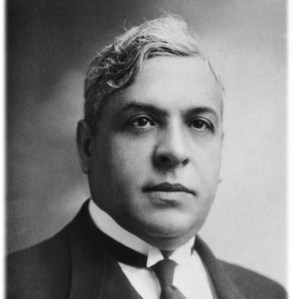
Acabei de ler um texto sobre Aristedes De Sousa Mendes. Nunca ouvi falar dele. No início da segunda guerra mundial, era cônsul português em Bordéus na França. Quando a invasão de França começou, milhares de refugiados, incluindo um grande quantidade de judeus, apresentaram-se no seu consulado.
Aristides de Sousa Mendes
Naquela altura os governos de Portugal e da Espanha foram ditaduras e apesar de serem neutros, compartilharam alguns valores em comum com os Nazis e não queriam admitir pessoas apátridas em fuga do exército alemão. O senhor De Sousa Mendes afirmou que “Se há que desobedecer, prefiro que seja a uma ordem dos homens do que a uma ordem de Deus” portanto ele com a ajuda da sua mulher um filho e mais um funcionário passaram três noites a emitir vistos e a carimbar passaportes.
O cônsul foi demitido no final, e faleceu uns anos depois em obscuridade e cheio de dívidas mas nos anos setenta, depois da revolução, foi reintegrado no corpo diplomático a título póstumo. Foi elogiado pelo heroísmo que ele mostrou naquela hora negra, durante a qual seja estimado que ele tenha salvo as vidas de cerca de 13000 judeus e mais 27000 refugiados.
My big push towards C1 mastery is going pretty well. I’ve finished two small books, half way through a bigger one, and I’ve been writing one full text and a few tweets each day, as well as doing an exercise from the textbook. In the spirit of I’m-doing-my-homework-online-and-you-can’t-stop-me-mwahahaha, here’s a catch-up on the texts I’ve done for far with marking notes.
Props due to all the teachers in r/writestreakpt for the help.
Rivalidades entre Adolescentes:
Uma amiga da minha esposa escreveu no Facebook que a filha dela já passou as férias todas na cama depois de ter caído enquanto fez "crowdsurfing" num festival.
Entretanto, uma colega dela, do mesmo ano, depois de fazer os exames acabou de ganhar uma competição de ténis.
Pois bem, uma competição entre escolas?
Não. O US Open
Sem erros, apparently 🙂
Sadly I didn’t do so well with the rest
O Que Gosto de Assistir em Português:
Hum, se não me engano, a palavra "assistir" tem um significado ligeiramente diferente em Brasil. Em Portugal, é mais usado no contexto de salas de concertos, estádios de futebol e lugares assim mas os brasileiros dizem "assistir à* televisão" Ora bem, adoro assistir concertos musicais. Infelizmente há poucos hoje em dia, mas temos bilhetes para um espectáculo da Dulce Pontes em Novembro aqui em Londres. Oxalá não haja** mais um aumento na taxa de casos neste filho-de-pandemia durante o resto do ano porque eu estaria de coração partido se perdesse esta oportunidade!
*I forgot televisão was feminine
** I used the subjunctive future here: “God willing, there won’t be a rise…” but the correct tense was subjuntcive present.
Perder Peso, Acrescentar Palavras Novas
Há algum tempo, mudei a língua padrão do meu telemóvel para português porque queria me acostumar à língua num contexto quotidiano. Ao fazer isto, forcei-me a pensar em Português. Recentemente, comecei uma dieta porque a minha barriguinha está cada dia mais um barrigão. Abri o aplicativo Samsung Health e vi que todos os alimentos listados estavam escritos em português. Isso não me surpreendeu de todo mas o que me admira mais era isso: embora achasse que já sabia os nomes de quase todos os alimentos, porque fazem parte do vocabulário básico de qualquer curso da língua, havia muitas coisas na minha "ementa pessoal" que eu desconhecia: damascos, broto de feijão*, molho de soja e passas**, por exemplo. Então, pergunto-me: será que as listas de vocabulário são limitados ou sou eu que sou "queque" e não como alimentos normais.
*=Broto de feijao turns out not to be a thing in Portugal and this probably shows up a weakness of this sort of online learning: some of the options are brazilian. I wrote another text about it later which you can find with a few scrolls down there 👇
**=Originally “uvas passas” which I’ve seen, but I think “passas” is the more natural way of saying “raisins”
This next one is a response to a brazilian guy who thought portuguese people were being snobbish about grammar
Gramática Transatlântica
Como falante de inglês, acho que os portugueses têm mais conhecimento da gramática brasileira do que têm brasileiros da gramática europeia por causa da tua indústria televisiva, ser maior e mais poderosa do que a de Portugal. Mas concordo que ouvi alguns portugueses nas redes sociais a desprezar o seu modo de falar. Faz-me lembrar do relacionamento entre o meu país (Reino Unido) e um país qualquer no lado oposto do Oceano Atlântico. Não é preciso mencionar o seu nome mas os habitantes falam a "nossa" língua e lançam mais filmes e mais séries e têm mais artistas musicais do que nós e impõem os nossos valores, ritmos de falar e ortografia a nós. Portanto o nosso único mecanismo de defesa é rirmos da sua ortografia, sotaque, tendência de votar em presidentes cor de laranja etcetera para mantermos o nosso respeito próprio. Então, concordo contigo até certo ponto. Claro que todos nós temos uma obrigação de ter respeito pelos outros, mas países pequenos olham para os seus primos no novo mundo com uma mistura de inveja e admiração e às vezes fazemos piadas por causa disto. "LOL, eles escrevem Colour sem u" dizemos nós, e "Por que raios é que não usam um agudo quando escrevem Pára" dizem os portugueses. É natural, desde que não se torne malicioso.

(mas eu não sei qual é a origem da sua reclamação - isto não é uma defesa de qualquer comportamento mal educado)
Only boring mistakes here, from lack of attention.
Um Ingrediente de Culinária Chinesa
Mencionei "broto de feijão" num outro texto mas ao que parece foi um erro - ou pelo menos um brasileirismo*. Não consegui encontrar uma melhor tradução portanto irei descrevê-los na esperança de alguém entender o que estou a dizer! (imagem aqui)
Para fazer estas... coisas, precisamos de germinar os feijões para que a raiz e umas folhas emerjam da semente. Este processo leva uns cinco dias, mais ou menos mas vale mesmo a pena porque dá numa comida gostosa e saudável.
Colocar os grãos de feijão num frasco. Tapar o frasco com tecido (há quem use um pedaço de tule mas prefiro um saco de vegetais reutilizável com malha fina) segurado com um fio ou um elástico de borracha. Deixa entrar uns copos de água da torneira e depois inverter o frasco até a maioria da água se afastar.
Repete este procedimento de enchimento e esvaziamento 3 vezes por dia. Em breve, as cascas dos grãos partem-se e as raízes aparecem. Crescem dia após dia até o frasco estar cheio de rebentos**.
Usam-se com arroz ou com massa chinesa ("noodles") e vegetais tal como cenouras, couve chinesa e cebolinhas, salteados num "wok" (um frigideira com fundo redondo) com um molho picante tal como o molho agridoce***.
*=Brazilian words
**=Beansprouts. This is what I should have said instead of “broto de feijão” in the text about food logging ☝️
***=Sweet and sour
O Meu Tweet
Escrevi um tweet hoje. Fiz alguns erros? É uma paródia dum fado bem conhecido. Escrevi depois de resumir* o meu almoço (estou a tentar perder peso)
Oiça lá ó senhor abacate
Vai responder-me** mas com franqueza
Por que raios é que tens tantas calorias
És um fruto pá, deixa de me engordar.
*=The person who marked it changed this to “acabar”, but I’m trying to say I had been logging my food, writing up the ingredients so I can work out how fat I am going to get.
**=This line got changed to “Responde-me com franqueza” in the correction, but it’s based on a song called Oiça lá ó Senhor Vinho so I’m keeping as it is.
Vacinem-se!
O meu irmão conhece um jovem por volta de 30 anos (no meu mundo isso é jovem!) que recusou ser vacinado porque blablabla, vocês sabem as justificações de sempre. Já adivinhaste o final desta história trágica? Claro. Está numa cama no hospital. Não sei se este gajo é uma negacionista. Talvez tenha o medo de agulhas, sei lá, mas por qualquer razão, a sua vida está em perigo porque não chegou a engolir o sapo da vacina.
Vacinem-se!
Not much to say about this one.
A Filosofia
A minha filha está a estudar a filosofia. Começou por ler um livro chamado Sophie's World (O Mundo de Sopfia). Ela faz os seus julgamentos sobre cada filósofo baseados quase exclusivamente na suas opiniões de mulheres. Isto não é um exemplo de jovens serem "woke" mas sim uma regra geral: se alguém mora todos os dias numa cidade ou numa povoação onde 50 por cento dos habitantes são do sexo feminino mas não é capaz de entender que estas pessoas são seres humanos, diferentes dos homens*, sim, mas com capacidade igual de pensar... Raios, até estás filósofo pá?
*=Different from, not different to. Rare exmple where I shoud have used the expected preposition instead of overthinking it.
Dia de Reflexão
Hoje é dia de reflexão em Portugal. Tanto quanto entendo, isso significa que é um dia sem campanha, sem publicidades durante o qual os eleitores podem pensar nos factos antes de votar...? É isso? Ouvi falar deste tipo de pausa antes de eleições noutros países (Austrália?) mas não sabia que existia em Portugal também. É uma boa ideia. Precisamos de um dia desses. Não me quero meter na política de outros países mas acho que os Estados Unidos também precisam de alguns dias de reflexão antes das suas eleições. 365 devem ser suficientes*.
*= I really didn’t expect this to be plural. It’s a period of time. But in portuguese, its plural because multiple days.
Mundos Imaginários
Se eu vivesse num universo fictício, preferia que fosse o mundo literário de Blandings. Sim, eu sei, a maioria de pessoas querem viver num futuro com robôs, novos tipos de medicina, naves e o iPhone LXXXV (que seria uma grande desilusão por ser igual ao LXXXIV) mas cá para mim estas maravilhas "desbotam"* quando leio um livro de PG Wodehouse. Os enredos dele desenrolam-se num mundo onde não há violência, nem traição, nem adultério, nem depressão. Enfim, não há dificuldades graves nenhumas; os heróis concretizam sempre os seus objectivos pelos seus esforce e um monte de sorte mas os antagonistas, apesar de estarem vencidos, não sofrem destinos assim tão penosos. O milionário preconceituoso** não consegue casar com a protagonista feminina mas encontra uma mulher mais apropriada, capaz de tratar dos maus hábitos dele e que compartilha o seu amor de golfe. Cada fio da história acaba por ficar atado, toda a gente fica feliz e tudo vai pelo melhor, no melhor dos mundos possíveis. É isso o meu paraíso.
*=I was aiming for something like “they pale in comparison”. This isn’t a portuguese expression but the corrector liked it and said it worked
I finished making my notebook about politics in portugal. It’s super-basic, just covering what the main parties there are, who’s in them, who the cabinet is, and a few bits and pieces like that, mostly to help me to understand the news broadcasts I’m listening to and hopefully not feel quite as lost. I exported it to a PDF which I’ll upload here in case anyone else is interested.
Obviously, bear in mind that it’s made in MS Onenote which doesn’t have portuguese spellcheck so it might have some spelling mistakes. The facts might not be spot on either but I don’t think I’m far out. See what you think.









 Luso
Luso 