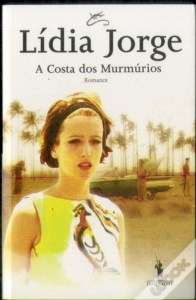
This is e-Fólio B, from Literatura e Cultura Portuguesas – Época Contemporânea, about A Costa Dos Murmúrios. The question is based on the short story which forms the introduction to the book. It’s called “Os Gafanhotos” (“The Locusts”) and the protagonist of the main story reads the short story, which seems to be describing a younger version of herself, living in the colonies, in a culture that very much looks down on the natives of the country. Part way through the story, a cloud of locusts comes and surrounds the gathering, and I think we’re meant to see the portuguese colonists themselves as a biblical plague of locusts laying waste to everything they settle on. The main book is all about Eva unravelling the rosy view of empire that is explained to Evita buy the other guests at the party in os Gafanhotos. Finally, on the last page, as the body is pulled from the sea, she talks about how the words she has heard were becoming isolated sounds, the sounds murmurs, as the last stage before silence, which speech is followed by:
…disse Eva Lopo, rindo. Devolvendo, anulando “Os Gafanhotos”
and the question asks us to Indique e comente um exemplo de uma passagem de “Os Gafanhotos” que Eva Lopo tenha “anulado”. To be honest, i really struggled with this essay. It came directly after a massive work deadline and my head just wasn’t in the game, so I freestyled it and was amazed when, once again, I got a surprisingly decent mark for the work!
Resposta
O desenvolvimento da protagonista do romance é inextricavelmente ligado à sua crescente desilusão com a versão da vida colonialista exemplificada n’Os Gafanhotos, e assim quase todos os acontecimentos levam a cabo a anulação do conto e da ingenuidade da Eva.
Mas para mim, talvez a frase mais agridoce do conto seja uma que vem logo na última página. “Todos, incluindo Evita, compreendiam que o excesso de harmonia, felicidade e beleza provoca o suicídio mais do que qualquer estado” (OG p38).
No conto, Evita está “a chorar baixinho” (OG p38) quando este pensamento surge no fluxo da consciência dela, e é por isso que a autora do livro (The docente corrected this to “o narrador” and said not to identify the two “de carne e osso”, but I don’t think I agree – this part of the story really feels like the lens has pulled back and we‘re getting addressed directly by the writer… but I could be wrong of course!) nos conta, no final do livro que “rindo”, ela anulou, de uma vez por todas, Os Gafanhotos. Evita é ingénua, Eva desiludida, mas paradoxalmente a última é que acaba rindo e a outra em lágrimas. Porque é que a reação dela é tão diferente? Talvez porque, sabendo mais do que a Evita sobre a realidade da sociedade, ela entende melhor. Ao resgatar as memórias perdidas na narrativa oficial, ela é curiosamente mais livre.
O caminho até este estado de entendimento é longo. A “rebelião de selvagens” é revelada como guerra sangrenta na qual o seu marido faz parte. O marido, que antigamente se interessava pela matemática (I wrote “engenharia” ‘ how weird, I could have sworn it was that!), deixou morrer os seus sonhos na perseguição dum novo: o heroísmo. No processo, tornou-se uma sombra do seu major, um bruto, ou seja, um selvagem. Entretanto, na cidade, os negros inocentes perdem as vidas por causa de umas garrafas de vinho envenenado de metanol.
Pensando nas contradições do passado, Eva Lopo escreve, no primeiro parágrafo do terceiro capítulo “Definitivamente, a verdade não é o real, ainda que gémeos, e n’Os Gafanhotos, só a verdade interessa. Por isso não teria sido útil introduzir o gesto do alferes com a faca na boca e o sangue a abrir e a alastrar como uma estranha flor” (p85). Noutras palavras, ela acha a narrativa d’Os Gafanhotos demasiado “unida e (…) infragmentada” (p85) (the correction here was that it is a general proposition and not specifically about Os Gafanhotos— OK, fair point, although in a question about os Gafanhotos, referencing a paragraph where she has said Os Gafanhoto is interested in the truth, and the truth is too unitary and unfragmented, I feel like I can extrapolate to say that, yes, she thinks this about OG too – especially when I only have one side of A4 to make my argument… But maybe my tendency to reject criticism is holding back my development… I have thought about it though, I’m not just sticking my fingers in my ears and going la-la-la) enquanto a realidade de traição, de veneno, de sonhos perdidos, de murmúrios abafados é “disperso e irrelevante”. Esta tema reaparece n’Os Memoráveis da mesma autora.
Afinal, a ironia da citação supra, sobre o suicídio e a beleza não é errada. A beleza da ilusão de um império resultou numa sociedade apodrecida e uma falta de respeito aos cidadãos negros. E um império que não sabe distinguir entre os inocentes e os rebeldes rapidamente faz dos inocentes mais rebeldes. Assim, o suicídio é do império.
Bibliografia
Jorge, Lídia (1988) “A Costa Dos Murmúrios” 16ª Edição, Dom Quixote 1995


