Toutinegra é uma banda desenhada portuguesa escrita por André Oliveira com ilustrações de Bernardo Majer. Conta a história de duas crianças de nove anos que moram numa aldeia esquecida. A mãe adoptiva do menino é uma louca que provocou um acidente de carro que causou a morte da mãe biológica dele e a quem, por alguma razão que não compreendo é permitido ficar com o bebé que ela encontrou no carro.
Os dois encontram uma criatura negra num moinho abandonado na floresta que “traz más notícias” a quem vai morrer ou a quem vai perder alguém. A influência da criatura inicia uma série de eventos trágicos. Gostei do estilo e dos desenhos (bastantes simples e ingénuos) mas acabei por não me sentir satisfeito com a história. Quase deu em êxito mas… Sei lá… Ficou muitas coisas* por explicar e o enredo parece um pouco rebuscada e incompleta.
*This is a weird one. A lot of people will just say “muita coisa” in spoken portuguese, just like “muita gente”, or like you might say “a lot of stuff” in English. But it is meant to be plural according to Ciberduvidas.
I’ve been thinking for a while about writing a post on the course I’m taking about the history of Portugal, but today’s Twitter news has made me finally stretch my thumbs to do it now because… Wow, I was not expecting this!
The course is bi-weekly, presented online by the Bertrand chain of bookshops. I missed the first one so I’ve only actually attended one class so far. It’s taught by a woman called Raquel Varela, who is Portuguese, and a Brazilian guy called Roberto Della Santa. I was a bit non-plussed by the session I attended. It was about the origins or liberalism and the unification of the national market in the 19th century but there weren’t many references to actual historical events; the bulk of the lesson was given over to explaining Marx’s theories about capitalist production. OK, well, Marx does set out to explain historical processes so yeah, fine, but it seemed likes strange digression for a course on Portuguese history, going into abstract realms of economics and historiography without much reference to the real sequence of events. It felt more like a come-to-Jesus, or rather, a come-to-Karl… appeal than a lesson. That’s OK though, I’ve studied Marx at uni, and I’m quite happy to listen to other people’s points of view. I’d have asked a question if my grasp of the language was more secure but no, not today!
I’m not complaining – I enjoyed it. I hope the remainder of the course will be less abstract though.
Anyway, fast forward to today. I open twitter and there’s a tweet right at the top of my feed with a link to an article and a picture that looks familiar. It takes a while to realise it’s one of the course teachers, Raquel Varela, and the article is about a petition signed by “more than a hundred intellectuals” in support of academic freedom in general and of her specifically. It turns out she is quite a well-known figure. This surprised me because the price of the course is so low I’d assumed the teachers were just keen amateurs they dragged in from the store’s popular history counter. I wasn’t expecting star power! Its like attending a year-long study group at your local Waterstones for a hundred and forty quid and finding it’s being run by Simon Schama. You’d go “bloody hell, i wasn’t expecting this!” She’s a kind of public intellectual, attached to the Universidade Nova de Lisboa, author of several books and occasional TV pundit. She’s taken a lot of fairly controversial positions, not least on covid, but that’s another story for another day.
Anyway the reason she was in my twitter feed was to do with a public hoo-ha that has been going on for a couple of weeks now. It started when rumours began appearing on social media that her academic CV had been inflated by repeating items multiple times to make it seem like she had more academic clout than she really has. I don’t know where these rumours came from originally but she refers to them in her blog in July, describing them as a “campaign of defamation”. The matter came to a head around the 20th of September when the newspaper Público reported that the Instituto de História Contemporânea had withdrawn its support for her candidacy in a scheme run by the Fundação para a Ciência e a Tecnologia called the Concurso de Estímulo ao Emprego Científico Individual after checking the allegations and finding that she appeared only to have published about half as many articles as she claimed. Now, I know inflating your cv is not exactly uncommon, but integrity is a big deal in academic circles, especially when you are using your track record as a platform for competing against other academics as in this case.
Varela didn’t take this lying down, instead using her legal right of reply to demand (the verb is “exigir”) an apology from Público,
This brings us back to the present day where Sapo’s i online site reports on the letter of support from a hundred or so writers and academics. Their petition refers to a “campaign of character assassination”, involving Público, which it accuses of “promiscuity” with anonymous sources spreading misinformation. It also mentions other, more unpleasant allegations in “ultra-Conservative” sources and throws in a reference to “o crescimento de fake news e da extrema-direita”. In one particularly weird flourish of denunciation they say “Este é um caso exemplar de como o nepotismo dentro de um sector da academia e a necrofilia de alguma imprensa procura silenciar uma intelectual”. Wait… What? Nepotism? Necrophilia? Calm down lads.
The effect seems to be to associate the (perfectly legitimate, it seems to me) story in Público with some more shadowy stuff online, implying they are somehow part of a co-ordinated smear campaign. This seems a little unfair, since whatever the online muckrakers are doing, Público are at least reporting on matters of public record: either her CV is padded or it isn’t, and that question is being adjudicated by the relevant scientific bodies. Whether they find in her favour or not is up to them but fairness and transparency seem to be essential in upholding trust in the scientific process. Mixing it up with conspiracy theories doesn’t help either side.
Anyway, I will certainly carry on attending the course and I’ll enjoy it a lot more knowing the backstory!
Here are a few more texts from the Writestreakpt subreddit with some notes. Thanks as ever to Teafvigoli and Dani Morgenstern for the corrections.
First off, James Bond. It’s my second time writing about this topic. I’m obviously obsessed. I should start a campaign. #jamesBondSoOld
Streak 007
Na minha voltinha pelas avenidas do Twitter nesta madrugada outonal, percebi que estamos novamente a falar sobre a questão de atores negros (como o Idris Elba) a protagonizar personagens brancos (como o Comandante James Bond do serviço secreto)

Sou velho e falta-me a paciência para os apoiantes* dos dois lados desta questão:
Por um lado: "Olha pá, os livros (que já li, acredita!) descrevem um homem branco. É branco"
Por outro lado: "O público é cada vez mais jovem e cada vez mais diverso. Precisamos de um Bond jovem e mais (gay/femino/negro/qualquer group demográfico)"

Sou fã de livros e até certo ponto concordo com o primeiro grupo. Mas eu realmente li alguns livros de Ian Fleming e sei que o protagonista tinha lutado na segunda guerra mundial antes de se tornar espião. Em 2021 o gajo deve ter mais de 100 anos! Portanto este raciocínio de vamos-seguir-os-livros só faz sentido se os filmes todos se desenrolassem nos anos cinquenta/sessenta. (E eu asistiria a um filme desses! Soa fixe!)
Entretanto sugiro que os novos filmes tomem uma nova direção. Deixemos o Bond em paz para usufruir da sua reforma. Criemos novos agentes de géneros e raças diversas e vamos aproveitar algo novo!
*=i originally wrote “para os dois lados” and it was corrected to “para ver os dois lados”. Hm, OK, I guess my original wording isn’t good Portuguese but the second one isn’t quite right: it’s not that I don’t have patience to see the argument from both sides, I’m just annoyed by the way the question gets turned into a sort of litmus teat of patriotism vs iconoclasm. So I changed it to “don’t have patience for the supporters of either side”. I hope this is better but I haven’t gone back to pester the person who made the corrections.
The next uses a sentence I found in my book as a model, trying to make new sentences in the same format, using the “gerundio”
Três frases segundo um modelo

Modelo
"A lua cheia abraçava o rio Tejo, projectando sobre ele tons frios e leitosos" (c19, "Anjos" de Carol Silva)

1

"A luz do sol banhava as árvores, iluminando-as e fazendo abrir as primeiras flores da primavera"

2

"A terra abanava furiosamente, abalando as torres do castelo e partindo as paredes de Lisboa"*

3

"O chefe gritava de raiva, borrifando os funcionários todos com saliva**"
*Although this isn’t wrong the corrector suggested “fazendo ruir os muros”. Parede does mean wall but it’s just a wall dividing one room from another inside the house, whereas muro is the wall dividing inside from outside: so the external wall of a house, a city wall, the Berlin Wall. Ruir means crumble, so it’s a good one in this context.
**also not wrong but got another suggested change: “cobrindo os funcionários de gafanhotos”. This is intriguing – so gafanhotos means grasshoppers but can also mean flecks of spit? Not according to priberam or the Dicionário Informal but I did manage to track down some examples like here for example. Excellent! I’m definitely using that at the next chance I get! “Baba” is a less formal word for drool/saliva too, so I probably should have thought to use that.
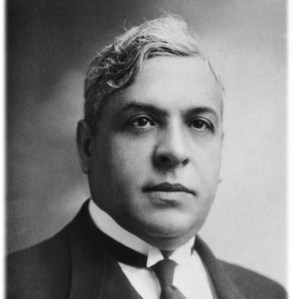
Acabei de ler um texto sobre Aristedes De Sousa Mendes. Nunca ouvi falar dele. No início da segunda guerra mundial, era cônsul português em Bordéus na França. Quando a invasão de França começou, milhares de refugiados, incluindo um grande quantidade de judeus, apresentaram-se no seu consulado.
Aristides de Sousa Mendes
Naquela altura os governos de Portugal e da Espanha foram ditaduras e apesar de serem neutros, compartilharam alguns valores em comum com os Nazis e não queriam admitir pessoas apátridas em fuga do exército alemão. O senhor De Sousa Mendes afirmou que “Se há que desobedecer, prefiro que seja a uma ordem dos homens do que a uma ordem de Deus” portanto ele com a ajuda da sua mulher um filho e mais um funcionário passaram três noites a emitir vistos e a carimbar passaportes.
O cônsul foi demitido no final, e faleceu uns anos depois em obscuridade e cheio de dívidas mas nos anos setenta, depois da revolução, foi reintegrado no corpo diplomático a título póstumo. Foi elogiado pelo heroísmo que ele mostrou naquela hora negra, durante a qual seja estimado que ele tenha salvo as vidas de cerca de 13000 judeus e mais 27000 refugiados.



 Luso
Luso 