I liked this video. It’s challenging (that açoriano accent! Holy crap, it’s like another language!) but it’s quite funny so it’s good, entertaining listening practice. He’s talking about english words that sound like Portuguese words and he gets a lot of mileage out of the idea.
Tag: Video
Apenas Um Minuto
Before my B2 exam I tried playing “Just A Minute” on video to get used to speaking fluently under pressure since the exam has an oral component, conducted on video and it’s my weakest link, so into the exam prep plan it went. At the time I didn’t think much of it and editing it for YouTube seemed too much of a faff, but then yesterday we heard that the presenter of the show, Nicholas Parsons, had died, so I decided to dust it off and post it online. I was glad I did. My grammar is all over the place – absolutely terrible – but I quite like the video as a whole, especially since my daughter agreed to help so you can hear her in the background.
The Farmer Wants A Wife
I’ve just restarted Portuguese lessons after a long drought over the Christmas and New Year period. I kicked off with a nice easy session, with a teacher who does sessions where you watch, listen or read something together and she explains cultural references. This time I went for something super-lowbrow, namely a show called “Quem Quer Namorar Com o Agricultor?” (“Who wants to date the farmer?”). It’s a reality TV franchise that has been shown in quite a few countries and arrived in Portugl last year. You can guess the premise: 5 farmers of various ages go to a fancy house where they are introduced to about 20 broody ladies and they have to decide which to invite home to the farm where they will be filmed reacting with horror to various unfamiliar smells and getting theatrically stink-eyed by the farmer’s mother/sister/teenage daughter. Presumbly at the end there will be a marriage or two but I haven’t got there yet.

I don’t really have much time to watch TV, and I’ve never got into any reality TV apart from hate-watching a couple of series of The Apprentice, so it was sort of nice to have an excuse to watch something as unapologetically shit-headed as this. The languge level is pretty basic too, so it wsn’t hard to follow. I actually liked it and will definitely watch more but only when my wife isn’t there to take the piss out of me (which I will deserve of course because I mean really…)
I’ve also been watching, on my own time, a documentary series about the colonial wars in Africa, which is more educational but much, much harder work.
Loucura
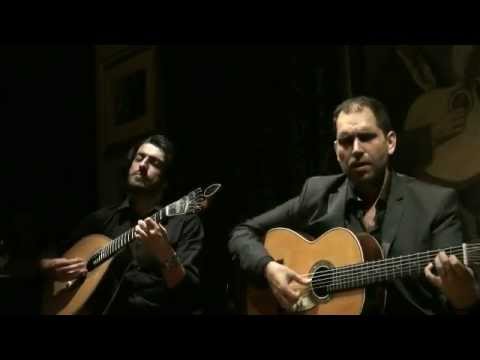
My wife is binge-watching different versions of this fado classic. I’ve heard quite a lot before, but this guy is really smashing it. Easily the best I’ve heard
I’ll translate it for anyone who happens across this and doesnt understand the lyrics. Fado is the national music of Portugal, obvs, so I won’t translate that most of the time, but it also means “fate” or “destiny” and it sometimes makes sense to translate it that way.
Madness
I’m from fado! I know it!
I live in a sung poem of a destiny that I made.
I can’t set express myself by talking,
But I set my soul singing, and souls know how to hear me.
Cry, cry, poets of my country,
Stems from the same root, of the life that united us.
And if you weren’t at my side then there would be no fado,
Nor fado singers like me.
This voice, so sorrowful, is because of you,
Poets of my life.
It’s madness! I hear, but blessed be this madness, to sing and to suffer
Cry, cry, poets of my country,
Stems from the same root, of the life that united us.
And if you weren’t at my side then there would be no fado,
Nor fado singers like me.
Bourdain
I don’t watch telly much so I never find out about these things till a decade after they air but this is really good
Rapaz’s Delight
Listening to an episode of Cromos M80 the other day I heard about “Os Lusitansos” by Luís Filipe Barros. It’s a history of Portugal in the form of a rap, with the beat basically pinched from the Sugar Hill Gang. It’s er… Well, it’s something from the 80s, simultaneously the best and worst decade in history.
Lizard, Lizard, Lizard
 One of the exercises in “A Actualidade em Português” is about superstitions and there are five that are similar to “knock on wood” or similar – phrases for warding off the effects of bad luck. By far the coolest is “Lagarto, Lagarto, Lagarto” (Lizard, Lizard, Lizard). I have no idea why that means what it means. Ciberdúvidas isn’t much help and neither is Andreia Vale’s “Puxar a Brasa à Nossa Sardinha”. Even m’wife didn’t know, only guessed that maybe it was because witches use lizards in their spells.
Anyway, while I was researching it, I came across this freaky advert for an art show which uses an old song from the 70s by Banda do Casaco called “A Ladainhas Das Comadres” which includes the phrase. Confusingly the first line is in latin (the portuguese equivalent would be “Afasta-te, Satanás” or “Vai para trás, Satanás”)
Vade retro Satanás [get thee behind me Satan – Latin]
T’arrenego Belzebu [I abjure you, Beelzebub]
A Jesus Cruzes Canhoto [To Jesus, crosses left-handed]
Lagarto, Lagarto, Lagarto! [Lizard, Lizard, Lizard!]
That “Crosses left-handed” is a similar phrase used to ward off evil, sometimes extended to “Cruzes, canhoto! Longe vá o agouro!”
Similar phrases include
- Isola
- Diabo seja cego, surdo e mudo
- Vira para lá essa boca
- Salvo seja
Politicamente Correcto
Questions posed after a lesson based on this video. Answers in blue.
1-o que achas do politicamente correcto
Acho que o politicamente correcto representa um experimento* que não correu bem. Claro está que existem um monte de palavras feias que as pessoas usam no dia-a-dia, que representam e reforçam modos de pensamento que prejudicam os direitos e o auto-estima de outras pessoas. Ainda pior, pode resultar em violência, contra as mulheres, contra estrangeiros e imigrantes, por exemplo. Vale mesmo a pena para pessoas de boa intenção evitar estas palavras porque não é necessário usá-las quando existem outras palavras melhores. Até certo ponto, politicamente correcto é igual a “ser bem educado”.
Mas claro está que hoje em dia, não é simplesmente uma questão de bom gosto ou respeito. Há quem queira mostrar a sua superioridade ao censurar mais do que qualquer outra pessoa. Vasculham os redes sociais para revelar os pecados dos seus inimigos, ainda que os inimigos são desconhecidos e os pecados imaginários.
O Ricardo tinha razão quando disse que “a direita rejeita o politicamente correcto porque querem celebrar a estupidez e a esquerda apoiam-na porque querem proibi-lo.” (ou algo do género) mas acho que o problema ultrapassou estas categorias.
*I was told this should be “expressão” or “experiência” but I think either of those would change the meaning of what I was trying to say. That said, it’s possible that what I actually have said doesn’t make sense in portuguese culture.
2-achas que os músicos “sacam” mais gajas que os comediantes
Realmente não faço ideia. Espero que não. Os comediantes merecem mais.
3-qual é a situação das drogas no RU?
Ao contrário de Portugal, não temos uma política de tratar drogas como problema de saúde publica. Ainda é um assunto para a polícia, mas dado que os nossos serviços de polícia não tem orçamento suficiente, uso de drogas está a crescer.
Além disso, assim como os EUA, queremos afastar o tabagismo da nossa sociedade e substituir o seu lugar de dependência de cannabis. Cá para mim, isso parece um erro.
4- há temas tabus?
Depende do sítio. Por exemplo, Brexit é um tabu na sala de jantar (sobretudo na casa dos pais porque eles votaram sim) mas nas redes sociais, falo de brexit todos os dias!
5- como era normal antigamente ou no tempo? Faziam queixinhas?
Relacionado com este sujeito de politicamente correcto… não existia, mas a sociedade era muito, mas mesmo muuuuiiiito mais racista do que hoje. Era uma cena diferente com racismo mais informal ou passivo, mas era por todo o lado (e o eu nos anos 80 não era inocente!). Não era uma cena boa.
Não quero regressar lá. E pensei nisso quando o Ricardo disse que o politicamente correcto faz os idiotas parecem heróis da liberdade de expressão, mesmo que a “liberdade” que eles apoiam é liberdade de estar voltar ao comportamento ruim de antanho.
6- o que estás a achar?
Gosto bastante
(I actually wrote something else here because I didn’t understand what was being asked but it was just “what do you think of the video as a whole, not relating to the previous question?)
7- o que achas das pessoas que só elas é que podem dizer o que pensam
São hipócritas, sem dúvida. Ainda pior, sempre pensam que as suas opiniões são “factos” e os opiniões dos outros são baseadas em emoção e preconceito.
8- agora há informação sobre mais doenças. O que achas das pessoas que aderem aos produtos por moda, mas não por necessidade
A raiz é sempre vaidade ou sede de atenção.
9- o que achas das pessoas que criticam e julgam certos assuntos e situações só por não gostarem de algo
O que acho? Eu sou uma pessoa dessas!
10- o que pensas das expressões usadas
Gostei da expressão “Benfica é merda” logo no final!
Obviously not what was being asked, but…
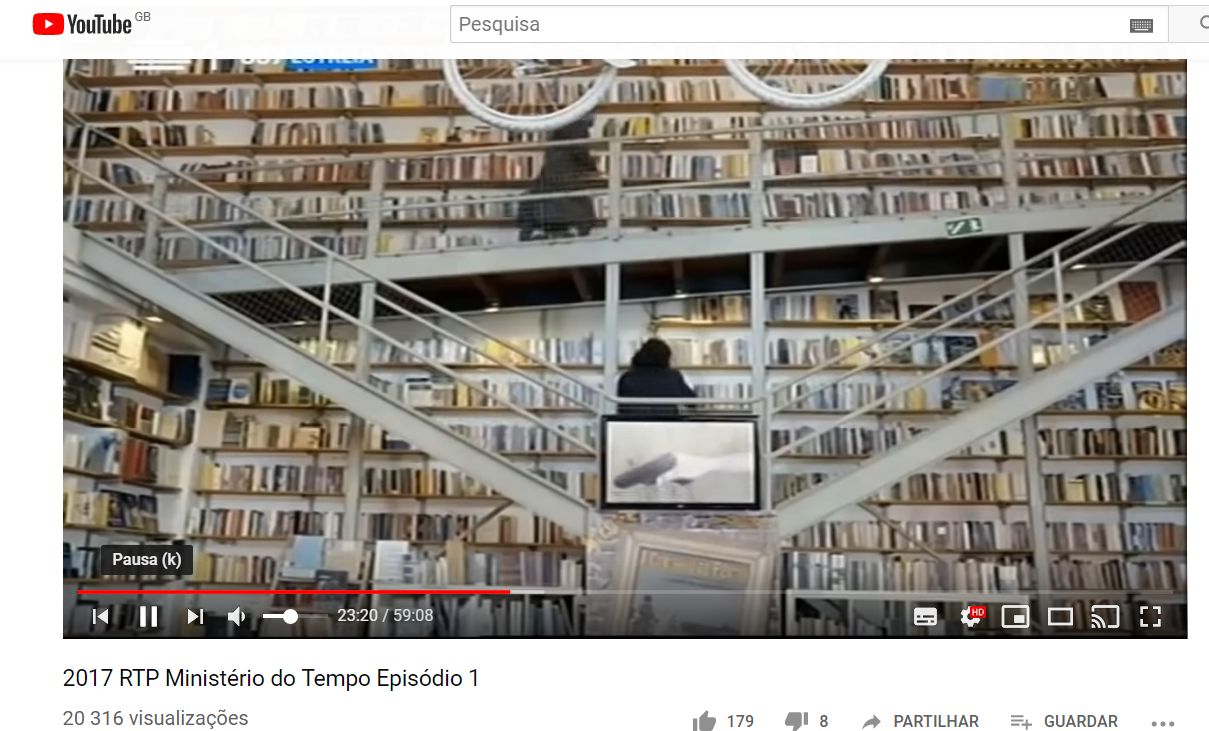
Oh My God, I Know That Bookshop!
Corvos
É impressionante que o criador deste vídeo conseguiu contar a lenda dentro de 35 segundos. É difícil entender tudo por causa da rapidez do falador mas depois de 4 vezes, compreendi tudo.

