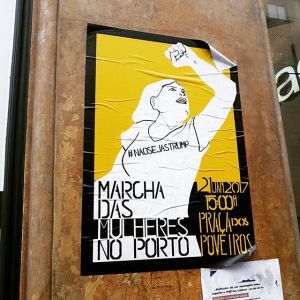
 O Segundo dia na cidade invicta começou tarde. Quando descemos as escadas, o pequeno almoço já tinha acabado mas uma camareira simpática trouxe-nos café e pasteis. Depois, a Catarina e a Olivia foram a uma loja de roupas e eu andei entre as varias livrarias a procurar livros interessantes e fáceis para ler. Por causa de estar sós, consegui praticar a minha “produção oral”. Fiz perguntas sobre os livros (um velho dono dum livraria de segunda mão zangou-se quando pedi-lhe falar mais devagar se faz favor… ups!), falei sobre as cores e tamanhos de calças de ganga no “C&A” (uma verdadeira surpresa: todas as lojas de C&A inglesas fecharam há anos!) e pedi direcções para o correio (enfim, o correio estava fechado mas havia uma máquina onde comprei um selo).
 Passámos a tarde juntos a explorar a cidade. Almoçámos num mercado antigo, que tinha sido convertido num centro de artes. Experimentei uma francesinha (salsichas, carne de bife e fiambre dentro de qualquer tipo de massa, coberto de queijo e regado com molho picante….) e achei bom.
 Naquela noite, fomos ao Coliseu do Porto para assistir um concerto dos Deolinda. A – DO – REEEEIIII!!!! A cantora, Ana Bacalhau é muito simpática, as suas contas foram engraçadas e claro a música foi perfeita. A minha esposa, que não os conhecia ficou um fã, e até a Olivia (que não ouve música além da banda sonora de “Hamilton” hoje em dia, e quase não fala português nenhuma) gostou muito do espectáculo.

Após do concerto, estava a chover a cântaros. ficamos debaixo do abrigo do coliseu até a que chuva melhorou um pouco, então andamos até ao hotel, comemos sandes mistas e adormecemos.
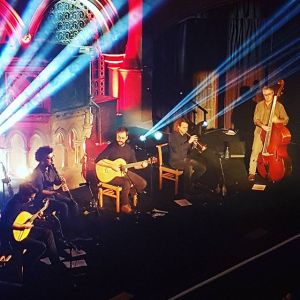 Ontem, fui com a minha família à sala de concertos que se chama “Union Chapel” para assistir a um concerto do António Zambujo. Havia muitos portugueses. Antes do seu concerto, um grupo canadiano tocou mas fomos aborrecido*. Todavia, o António foi excelente. A música foi boa e fez várias piadas que fizeram rir a plateia. Infelizmente, achei o seu sotaque difícil de entender. As únicas palavras (quase únicas ….) que entendi foram as letras cantadas por uma mulher ao pé de mim. O seu sotaque era de Lisboa e não parou de cantar durante o concerto inteiro. Muito obrigado, mulher barulhenta!
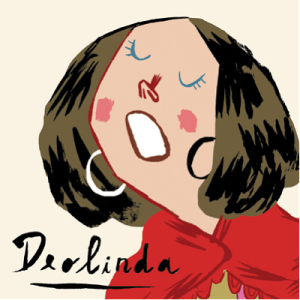 Acabo de comprar bilhetes para um concerto da Deolinda no Coliseu do Porto. O concerto está marcado para um sábado, dia quatro de Fevereiro e pretendemos fazer umas mini-férias de fim-de-semana antes de voltar ao trabalho, à escola e à realidade. Infelizmente penso que vai ser difícil ver todas as vistas da cidade em dois dias! Serão um presente para a minha esposa que terá feito anos na sexta anterior, mas confesso que estou a puxar a brasa para a minha sardinha porque sou eu que gosto dos Deolinda. A minha esposa não os conhece bem.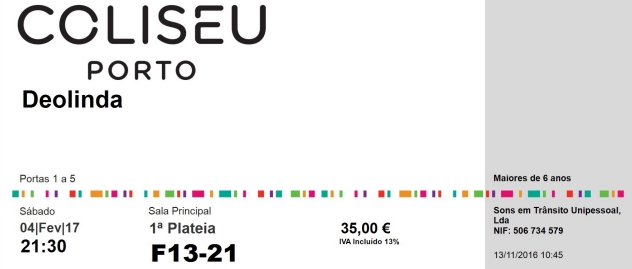
 Na segunda-feira, a minha esposa e eu fomos ao Barbican Centre, uma sala de concertos em Londres para ver um concerto da famosa cantora Ana Moura. O nosso sobrinho, que tem vinte e dois anos, cuidou da nossa filha. Ambos fomos directos do trabalho e mesmo assim quase chegámos atrasados. Sem surpresa, quando chegamos, ouvimos muitas vozes portuguesas no átrio, porque a Ana Moura é muito mais conhecida em Portugal do que em Inglaterra e vivem entre quarenta mil e cinquenta mil portugueses em Londres, a trabalhar principalmente na indústria de serviços.
 Lilac Wine de Nina Simone. Ela disse que “Lilac Wine” é uma canção que representa o espírito do fado apesar de não ser portuguesa. Depois de três canções um homem na audiência gritou “Ah Fadista”. Aparentemente isto é um grande elogio para uma cantora. Finalmente, ela cantou as duas canções mais conhecidas, que se chamam “Dia de Folga” e “Desfado”.
 Luso
Luso 