I’ve really been enjoying the videos Rita Marrafa de Carvalho has been publishing from her house where she’s quarantined with her kids and a ukelele. They seem to be having a lot of fun and she can really sing/play too, which helps. I’ll try to embed one of them here but it’s on Facebook and Facebook is a bit awkward so I don’t know if it’ll work. They’re all really nice though, so you could do worse than go and look at her complete set on that platform if you have an account. A lot of them are on her Twitter too but I’m taking a Twitter break at the moment.
Tag: music
Fica Em Casa
A little bit of topical listening practice…
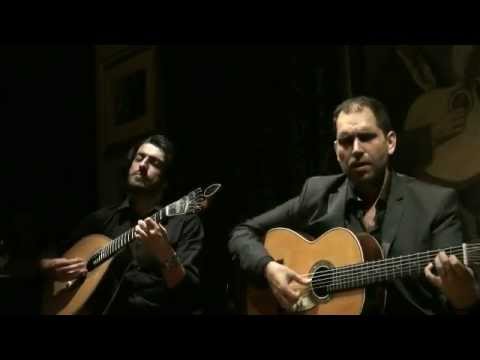
Loucura
My wife is binge-watching different versions of this fado classic. I’ve heard quite a lot before, but this guy is really smashing it. Easily the best I’ve heard
I’ll translate it for anyone who happens across this and doesnt understand the lyrics. Fado is the national music of Portugal, obvs, so I won’t translate that most of the time, but it also means “fate” or “destiny” and it sometimes makes sense to translate it that way.
Madness
I’m from fado! I know it!
I live in a sung poem of a destiny that I made.
I can’t set express myself by talking,
But I set my soul singing, and souls know how to hear me.
Cry, cry, poets of my country,
Stems from the same root, of the life that united us.
And if you weren’t at my side then there would be no fado,
Nor fado singers like me.
This voice, so sorrowful, is because of you,
Poets of my life.
It’s madness! I hear, but blessed be this madness, to sing and to suffer
Cry, cry, poets of my country,
Stems from the same root, of the life that united us.
And if you weren’t at my side then there would be no fado,
Nor fado singers like me.
Variações
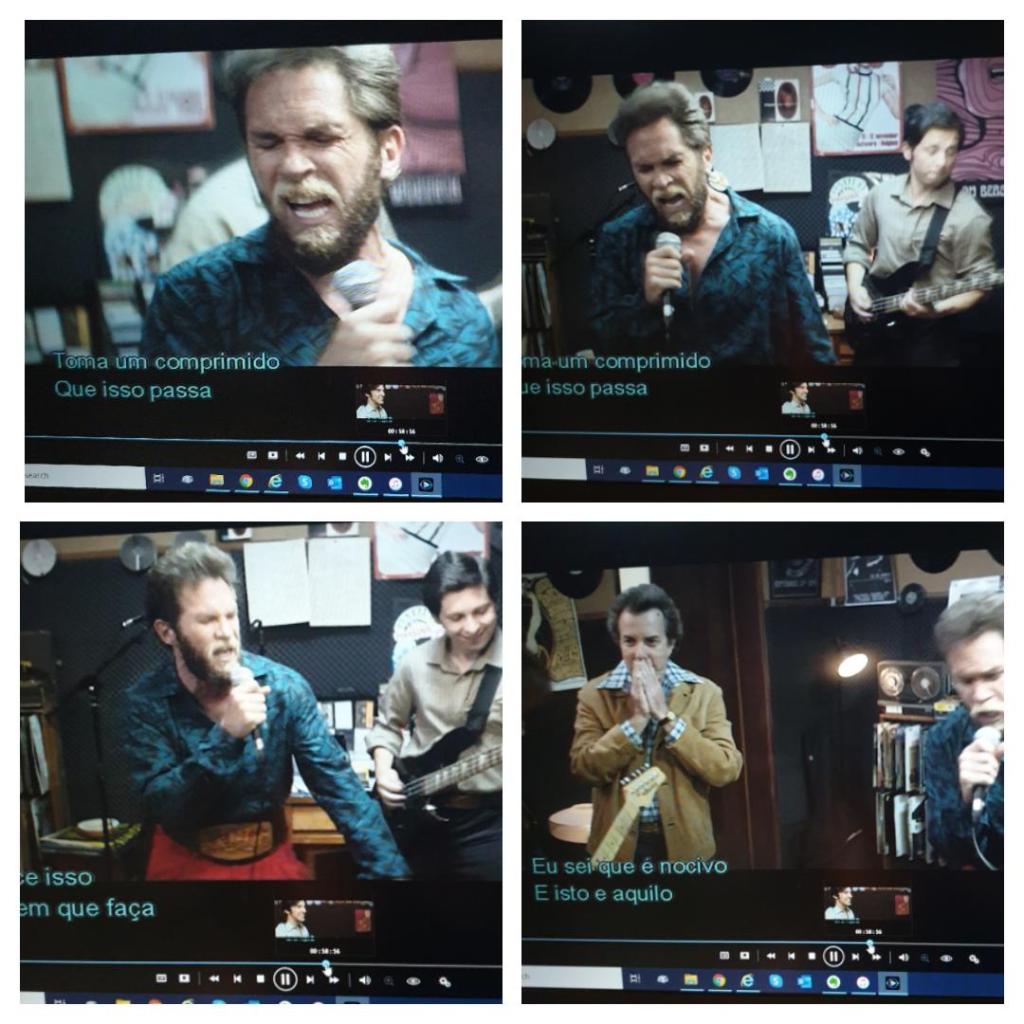
Watching a biopic of the “Portuguese Bowie” António Variações, and it’s definitely one of the best portuguese films I’ve seen. Decent acting, actually making me feel like I understand why people like his music; I must confess I find him a bit difficult, but I didn’t grow up with him. I’ll write a proper review when I finish it, likely sometime tomorrow since I need to get to bed.
Rapaz’s Delight
Listening to an episode of Cromos M80 the other day I heard about “Os Lusitansos” by Luís Filipe Barros. It’s a history of Portugal in the form of a rap, with the beat basically pinched from the Sugar Hill Gang. It’s er… Well, it’s something from the 80s, simultaneously the best and worst decade in history.
It’s Time To Master “Bater”
I keep seeing constructions like “bater mal” and “bater certo”, and couldn’t quite see why “bater” was being used. I asked and (after a brief kerfuffle with some brazilians who tried to tell me that it disn’t exist and made no sense) found out that it is an informal expression. Bater is the verb used for the beating of a heart or the ticking of a clock, and if it starts going wrong that’s bad, so if someone “bate mal” after – say – a blow to the head, he’s not quite himself. You can also “bater bem” (being in good form) and things can “bater certo” (be exact, precise, spot on).
There’s an example of Bater Mal near the beginning of this song by the Greatest Band Ever
Latest Musical Obsession
I’ve got obsessed with this song by Márcia (she’s the one in the video I posted a couple of weeks back). I don’t like this one as much, but it has a hidden secret: it has a Spanish pronoun (“Usted”) in it for no reason I can fathom. It isn’t needed for a rhyme, and no other Spanish words appear in it. She uses a more conventional “você” in a different verse. It’s well random. It’s as if an anglophone singer just decided to say… Oh I don’t know – “Though I put you on a pedastal, they put vous on the pill”
Anyway I made a translation (not a good one, I think) to try and get to grips with it to understand why, but I’m none the wiser.
Conan Osíris – Telemóveis
Well, this Eurovision semifinalist is definitely bonkers. It reminds me of António Variações, the cosmic electro-beardie from the eighties, reading out the warranty redemption for a damaged iPhone. Anyway, I don’t know if he’ll be picked but he seems like a strong contender: stronger, anyway, than the unbearably tedious, over-earnest drivel by DAMA that was controversially beaten out on a tie-breaker,and better than last year’s too, but it’s still no Salvador Sobral.
Better P-Pop
Ooh, I like this:
Violino
From the Facebook page of the Anglo-Portuguese Society:

