Posted in English

Madeirense

My Missus keeps sending me homework this week so let’s have a look, shall we?

Ei seems like the most confusing part of this, but it’s just the madeira pronunciation of “as”

Beiças =lips.

Obviously “vermelhe” and “ouvides” are representations of the accent, with the o suppressed.

Bilhardeira = bisbilhoteira = gossipy lady

Zunir =buzz, but I guess they use it to describe gossip spreading

So: I put red lipstick on and and that busybody went and told my granny.

Numa carreira =in a big rush, charging about

Baldear = cair (it has lots of meanings but that seems to be the relevant one)

Arcas = costas (specifically the lower back, I think?)

Tratuário = passeio

So: I was in a big rush and I fell and bumped my lower back on the pavement.

I’ve added the site to my Instagram feed so I can get a bit of extra vocab in my life. I enjoyed finding out that vaginha doesn’t mean what it looks like. That’ll be useful next time I’m in a restaurant.

Posted in Portuguese

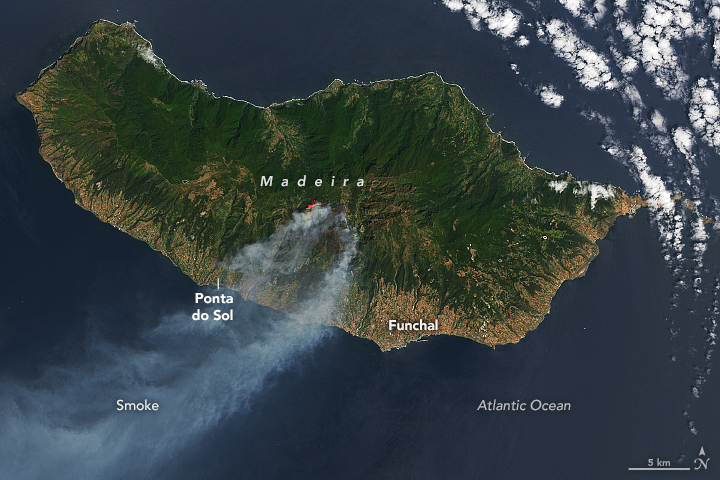
Madeira em Chamas

Provavelmente já ouviste dos incêndios no arquipélago da Madeira. É uma tragédia. Nos dias de hoje, este tipo de incêndio descontrolado é cada vez mais comum, mas na Madeira, uma ilha remota cujo território é íngreme, bem florestado e pouco acessível, combater as chamas é altamente desafiante.

source

Hoje, li uma carta anónima, publicada no site do Correio da Madeira que explica o problema, na opinião de um cidadão. Segundo o autor, a ilha perdeu 8 mil hectares de floresta em 7 dias (a carta apareceu no dia vinte de Junho e este número está quase certamente desatualizada). Apesar de ter 700 bombeiros, ele diz, apenas cem foram destacados para lidar com as chamas. Como resultado, os bombeiros estão exaustos e os agricultores e moradores têm de agir como bombeiros na sua própria terra. Ainda por cima, o único helicóptero que existe na ilha é demasiado pequeno para controlar os danos. O autor reconhece o facto de helicópteros custarem uma pipa de massa (19-32 milhões de euros) mas afirma que o custo de inação é ainda maior.

O escritor da carta responsabiliza o governo autárquico: o presidente regional e o Secretário da Proteção Civil estão de férias e a Secretária de Agricultura, Pesca e Ambiente desapareceu. Esta ausência representa uma demonstração chocante da irresponsabilidade e da falta de competência. Ainda por cima, o autor denuncia a tendência do governo negligenciar as vitimas deste tipo de catástrofe. Segundo ele, quando os fundos forem proporcionados, “uma fração” do dinheiro chegará aos donos das quintas, e depois os promotores imobiliários terão uma oportunidade comprar as terras queimadas para construir casas de luxo nas cinzas da manta das tanarifas*

Claro está que o escritor está farto disto tudo e coloca uma pedra no assunto com uma mensagem simples: a Madeira merece melhor.

*Esta frase não se usa no texto; refere-se a esta lição no dialecto madeirense

Posted in English

She’s Sending Me Confusing Stuff Again

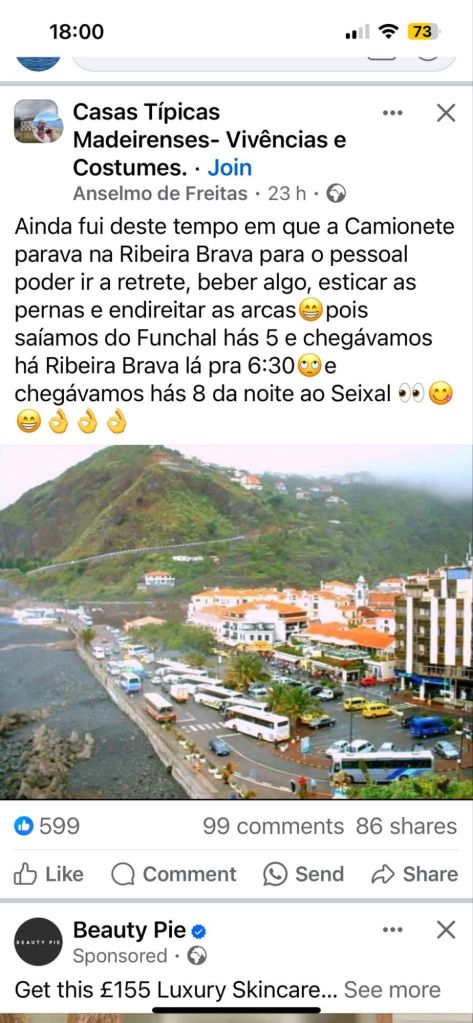
M’wife sending me snatches of Madeiran text to baffle me. I didn’t find it anything like as challenging as the last one though. What’s interesting about this is that they use “há” for “à” and “hás” for “às”. These kinds of mistakes are mentioned in a few guides to good portuguese aimed at native speakers but nobody bothers explaining them to learners. Why? Because they’re the kinds of mistakes you make if you learned the language by hearing it as a baby. Those of us who learned it from books might make a lot of mistakes but I don’t think we’d make this specific one because our brains absorbed these different words visually first. This sort of thing is super interesting to me.

Oh and just to be clear, I think this person knows it’s wrong and is writing in that way for effect, but it happens IRL too, I believe.

Posted in Portuguese

A Semana Política – Previously on Politics Week

Hm, I haven’t really got them to scale, have I? Oh well…

  Dei uma volta ontem ao longo do Rio Tamisa e avancei por marcar 36,000 passos no pedómetro. Passei em frente de uma mercearia madeirense em Vauxhall. Havia uma lixeira e uma pá de lixo perto da montra, que me fez lembrar do blogue de ontem. Criei duas versões deste meme. Uma para quem acha que o Albuquerque é corrupto e uma para quem culpa a procuradora-geral* (cujo nome aprendi hoje de manhã: Lucília Gago) por ter deixado as autoridades prosseguir com o caso sem provas suficientes. 

PS, caso haja alguma dúvida, sim, comprei um bolo de mel.

*Possibly should be capitalised. In most news reports, Procurador(a)-Geral da Republica is abbreviated to PGR

Posted in Portuguese

A Semana Política – Cachorro Quente, Sapo Saltante

Desde o estabelecimento do governo regional da Madeira em 1976, a Ilha teve apenas 3 presidentes, devido à longa duração do cargo do segundo, Alberto João Jardim, que permaneceu no cargo desde 1978 até 2015! O seu sucessor, Miguel de Albuquerque, do Partido Social Democrata, é alvo de várias investigações judiciárias quase desde o início da sua presidência mas a última é a mais grave.

Em Janeiro de 2024, a Polícia Judiciária abriu uma investigação sobre vários abusos de poder por parte do presidente e realizou cerca de 130 buscas na ilha e no continente. Encontrando-se acusado de 8 crimes, Albuquerque renunciou do seu cargo mas recusou demitir-se. O PSD afirmou que iria anunciar o seu sucessor no dia 29 de Janeiro mas adiou a decisão para 5 de Fevereiro e acabou por não escolher um substituto. Entretanto, os três outros denunciados (o presidente da Câmara Municipal do Funchal e dois empresários) foram libertados pela PJ por falta de evidência de atividades criminais. Como resultado, Albuquerque continua a desempenhar as funções do presidente e vai ser o candidato do PSD nas próximas eleições. Ouvi uns comentadores a dizer que deve-se demitir por causa da aparência de corrupção mas outros argumentam que sem provas, não é preciso. Miguel Sousa Tavares até sugeriu que o Ministério Público era que tinha de explicar as suas ações em levantar acusações sem ouvir a defesa. Não tenho certeza, porque o meu conhecimento da política portuguesa é ténue, mas tanto quanto sei, esta segunda opinião está a ganhar popularidade nos últimos dias.

Acho que a sua posição espelha a do primeiro ministro António Costa (de quem, mais amanhã!). Ambos são alvos de investigações sobre corrupção e ambos pareceram estar perto a sair do governo mas não chegaram a ir embora. Contudo, Costa não foi constituído arguido, ao contrário de Albuquerque, e Costa é um primeiro-ministro demissionário que está em posto até à formação do próximo governo.

Caso alguém quiser saber porque é que este blogue tem este título… Os meus títulos são muitas vezes obtusos mas este é o mais obtuso de sempre

Thanks to Cristina of Say It In Portuguese for correcting the grammar and the odd fact or two.

Posted in English, Portuguese

Casei Com Uma Velha

This song is actually by Maximiano de Sousa (aka “Max”) but I don’t think there’s a video of him performing it so I went with this cover by Raul Solnado instead. Max is from Funchal, and he says his wife is from Ponta do Sol, a few miles up the south coast. Another nearby town – Camacha – is mentioned too.

As you can see – or maybe you can’t – Solnado is wearing a hat that I recognise as a Maderian style, and I think the clothes are specific to the island too. The set shows a traditional house and I’m pretty sure the musical instruments the guys at the back are using are Brinquinhos*. Solnado is a mainlander from Lisbon so this is definitely cultural appropriation and he would be cancelled if he did this today. Quite right too. Throw him in jail!

I am publishing this on the 3rd of February to commemorate the birthday of another island girl – my wife. Since my birthday is on the 6th of May, she is numerically an older woman for the next 3 months. Feliz Aniversário, velha linda!

PortugueseEnglish
Casei c’uma velha
Da ponta do sol
Deitei-a na cama e o raio da velha rasgou-me o lençol
Tornei-a a deitar
Tornou a rasgar
Perdi a cabeça e atirei co’a velha de perna p’ró ar
I married an old lady
From Ponta do Sol
I laid her in bed but that blasted old lady
Tore my sheet**
I laid her down again
She ripped the sheets again
I lost my head and threw the old lady and she landed upside down
A tua mãe foi às lapas
O teu pai aos caranguejos
Ficaste sozinha em casa, fui*** dar-te abraços e beijos
Ó menina da Camacha
Diz de mim o que quiseres
Menos que não tenho jeito p’ra agasalhar as mulheres
Your mother went to the limpets
Your dad to the crabs
You stayed at home alone, I went to give you hugs and kisses
Oh girl of Camacha
Tell me what you want from me
Unless I’m just don’t have the knack of taking care of women

*More about traditional Madeiran instruments here if you’re interested.

**I had a little trouble following the action here: When he says “rasgou-me o lençol” did she actually make a hole in the sheets or just tear them away from him? I checked on r/portuguese just to be sure and it’s the former. And then how am I supposed to understand “atirei (com a) velha“? Is he throwing himself on her? No, apparently not. “Atirar com” isn’t in my handy guide to verbs with prepositions, but “atirar-se a” is, and that means to throw yourself at someone in an attack. No, my informant told me atirei com means that he just threw, shoved or otherwise propelled the old lady away. The “com” emphasises the force and “brusquidão” of the “sova” or “arremesso” he gave her (3 new items in the word hoard!), so she ended up “de pernas para o ar” – upside down. Probably not literally, but it wasn’t a graceful landing. Hmm… I think it’s one of those songs that’s really fun to listen to but just try not too hard to think about what it is he’s actually describing.

UPDATE – Well, i was joking about the violence and really imagining it as a kind of slapstick scene, but I am told I should consider it might be much more suggestive. That the legs in the air and the ripping of sheets and the warming up of the women could all be interpreted as taking about his sexual prowess, broadcast in an age when you couldn’t really say this sort of things directly. OK, well, that gives a whole new spin on things!

***Online lyrics say “foi” but I think that’s a typo because it doesn’t make any sense. Oh wait, it says fui in the subtitles doesn’t it! Oh well, glad to know I was right about that!

Posted in Portuguese

Missa do Parto

Além de vermos filmes parvos* em casa hoje, vimos uns vídeos portugueses, incluindo este, gravado perto do Funchal onde existe uma tradição chamada “Missa do Parto”. Este é um ritual religioso e comunitária que comemora os nove dias antes do natal. Os cidadãos vão a pé para a igreja às… Sei lá… Talvez cinco de manhã, cantando e tocando instrumentos. Celebram uma missa, e depois ficam perto da igreja, cantando, comendo e bebendo enquanto o sol nasce e depois arrancam para o trabalho.

*Honestly, so bad. We really embraced the horrible, made for Netflix holiday romance this year.

Posted in English

Tão gostoso!

My wife is making me watch this Madeiran cooking channel. I was unsure at first because the accent and the regionalismos were hard to get past, but it’s great. She’s hamming it up a bit, apparently: she’s playing a character of an old-time islander. I guess in English terms it’d be like someone doing a strong Welsh accent.

The food looks flippin’ great though: traditional and full of delicious calories. The camera work is fantastic and I would give my right arm for her massive clay mixing bowl. And although I hardly understand her dialogue I’m enjoying trying.

Also sort of hoping Mrs L will cook some of these things…

Posted in Portuguese

Uma Família Madeirense – João França

Here’s a review of the book that’s been doing my head in for a while. Not recommended for beginners, but very interesting if you’ve got the spoons to stick with it to the end. Special bonus, to encourage you to read the footnotes, there is a free book giveaway in one of them today. Oooh! Exciting!

Uma Família Madeirense

Uau, este livro surpreendeu-me! Mais sinceramente, deu-me água pela barba: havia tantas palavras desconhecidas, tantos regionalismos e tantas personagens que me senti desesperado. Quase desisti, mas com ajuda do dicionário… e um mapa e uma árvore genealógica e a Wikipédia… consegui, por fim*, entender tudo.

A história desenrola-se entre duas épocas: 1936, durante a Revolta do Leite, um protesto popular sobre um decreto-lei que estabeleceu um monopólio na produção de laticínios nos primeiros anos do Estado Novo e 1975, durante o assim chamado “Verão Quente” que se seguiu à revolução e à queda do governo** de Marcelo Caetano. Como é óbvio, os protagonistas são os membros de uma família, encabeçada pelo Comendador Bonifácio de Oliveira, um homem conservador, monarquista e, acima de tudo, teimoso, que rejeita o seu amigo*** por não concordar consigo sobre a implantação da República.

O livro é curto, tendo pouco mais de 130 páginas, mas o autor consegue incluir**** grande parte da história do país: a transição da monarquia para a República que depressa tornou-se ditadura, e a restauração da liberdade por um golpe de estado, que parecia prestes a dar lugar a mais uma ditadura. Entretanto, os inimigos do estado desaparecem, emigram ou são presos, e a hipocrisia e o conservadorismo da burguesia madeirense são colocados em foco, destacados pelos acontecimentos no palco nacional, mas até eles têm de mudar ao longo das gerações.

Adorei o desenlace. Pareceu-me a conclusão perfeita para esta telenovela literária.

*I wrote “afinal” here and was challenged to explain why that was wrong but my brain is broken so I’ll make that the subject of a future blog post. Anyway, the TL;DR is – that’s wrong!

**I originally wrote “que seguiu a revolução e a queda do governo” thinking like an english speaker, thinking yeah, transitive verb, “it followed the revolution”, but no, in portuguese it follows itself to the revolution. This is one of those grammatical structures that I think if only I understood why it seems natural to put words in that order I’d be a lot closer to thinking like a native.

***The name of the friend (and of the friend’s son who also plays an important role) is Meireles, so it’s sort of spooky that in between drafting this review and publishing it I got an email from another Meireles, Devin Meireles, who has just finished writing his own book about Madeira. Quite a coincidence! Anyway, I don’t know if this Meireles holds unacceptable views on the implantation of the republic like his namesake, whether he is in fact a “jacobino sem vergonha”, but what I do know is that his book, Finding Madeira, is available free on Amazon this week (17-21 December). So if that sounds like something you’d be interested in, have a look and if you like it, drop him a review on Goodreads.

****I used capturar here but that’s too much of an english expression.

Thanks again to Cristina of Say it in Portuguese for her very helpful corrections which I am too addled to understand fully right now but will hopefully make more sense in the morning.