Posted in Portuguese

Voltei A Escrever Sobre Agricultores e Amor

No início da semana, escrevi um texto sobre um programa parvo chamado “Quem Quer Lutar Contra Outras Meninas Para Engatar O Agricultor” ou algo do género, e tinha a intenção de voltar ao tópico mas ando atarefado portanto, até hoje, não tive tempo.

O que mais me chamou à atenção era a rivalidade entre as mulheres na festa na casa de campo, em meados do episódio de estreia. Havia um agricultor que ainda por cima de tudo que era muito jeitoso, com olhos cheios de alma e uma história cheia de drama, com roupas de moda e um penteado fixe. Em redor dele, as mulheres mais novas e mais giras pairaram. Às vezes, uma delas “roubava” o agricultor lindo para ter uma conversa privada mas quando as outras percebiam, andavam atrás deles e diziam, de modo delicado “podemos atrapalhar?” (por quê “atrapalhar*”? Nunca ouvi a palavra neste contexto mas entendo a essência da frase!)

A Raquel é quem tem a minha simpatia. Parece que ela fez um grande esforço para estar sozinha com ele mas depois da primeira tentativa ser cortada, havia uma cena desconfortável e, afinal, o jeitoso não a escolheu. Antes preferiu escolher duas loiras idênticas. Ficou com o coração despedaçado e eu também fiquei.

joão-bettencourt


*=as my teachers would always say: “Look it up!” https://dicionario.priberam.org/atrapalhar

Thanks, Sophia, for the corrections
Posted in Portuguese

Quem Quer Namorar Com o Agricultor?

Vi recentemente um programa na SIC que se chama “Quem Quer Namorar Com o Agricultor?“. É um exemplo do género reality TV. O mesmo programa já deu noutros países (não faço ideia de quais, mas um deles é Espanha, tanto quanto sei). Chegou em Portugal no ano passado, acho, ou talvez no ano anterior, 2018.

O padrão do programa é muito parecido com vários outros programas tal como “The Bachelor” nos Estados Unidos. Confesso que nunca vi nenhum, mas ouvi falar deles. Há cinco agricultores portugueses que querem encontrar o amor. As idades deles são compreendidas entre 20 e 50 anos. Depois da apresentação destes cavalheiros, encontramos as senhoras que também desejam um marido. No programa de estreia, estes dois grupos encontram-se um ao outro. Os agricultores conhecem as mulheres e as mulheres tentam deslumbrar os agricultores por serem bem educadas, bonitas e trabalhadoras.

Depois, cada agricultor escolhe cinco mulheres para acompanhá-lo num encontro romântico na sua terra. Para mim, acho que pode haver momentos cómicos quando as raparigas da cidade têm que encarar o dia-a-dia do campo: a lama, os animais a necessidade de acordar com as galinhaa. Mas vamos ver, até agora só vi um episódio.

Pretendo escrever mais dois textos sobre o mesmo assunto porque fiquei viciado!

Posted in English

The Farmer Wants A Wife

I’ve just restarted Portuguese lessons after a long drought over the Christmas and New Year period. I kicked off with a nice easy session, with a teacher who does sessions where you watch, listen or read something together and she explains cultural references. This time I went for something super-lowbrow, namely a show called  “Quem Quer Namorar Com o Agricultor?” (“Who wants to date the farmer?”). It’s a reality TV franchise that has been shown in quite a few countries and arrived in Portugl last year. You can guess the premise: 5 farmers of various ages go to a fancy house where they are introduced to about 20 broody ladies and they have to decide which to invite home to the farm where they will be filmed reacting with horror to various unfamiliar smells and getting theatrically stink-eyed by the farmer’s mother/sister/teenage daughter. Presumbly at the end there will be a marriage or two but I haven’t got there yet.

Untitled

I don’t really have much time to watch TV, and I’ve never got into any reality TV apart from hate-watching a couple of series of The Apprentice, so it was sort of nice to have an excuse to watch something as unapologetically shit-headed as this. The languge level is pretty basic too, so it wsn’t hard to follow. I actually liked it and will definitely watch more but only when my wife isn’t there to take the piss out of me (which I will deserve of course because I mean really…)

I’ve also been watching, on my own time, a documentary series about the colonial wars in Africa, which is more educational but much, much harder work.

Posted in English

Loucura

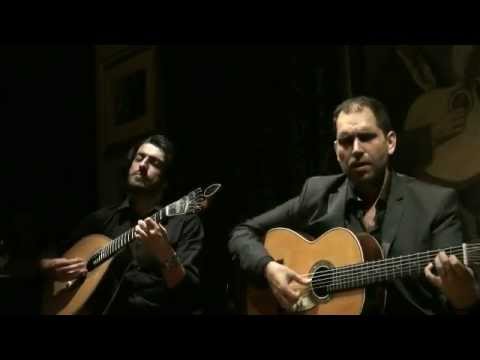
My wife is binge-watching different versions of this fado classic. I’ve heard quite a lot before, but this guy is really smashing it. Easily the best I’ve heard

I’ll translate it for anyone who happens across this and doesnt understand the lyrics. Fado is the national music of Portugal, obvs, so I won’t translate that most of the time, but it also means “fate” or “destiny” and it sometimes makes sense to translate it that way.

Madness
I’m from fado! I know it!
I live in a sung poem of a destiny that I made.
I can’t set express myself by talking,
But I set my soul singing, and souls know how to hear me.
Cry, cry, poets of my country,
Stems from the same root, of the life that united us.
And if you weren’t at my side then there would be no fado,
Nor fado singers like me.
This voice, so sorrowful, is because of you,
Poets of my life.
It’s madness! I hear, but blessed be this madness, to sing and to suffer
Cry, cry, poets of my country,
Stems from the same root, of the life that united us.
And if you weren’t at my side then there would be no fado,
Nor fado singers like me.

Posted in English

Bourdain

I don’t watch telly much so I never find out about these things till a decade after they air but this is really good

Posted in English

Variações

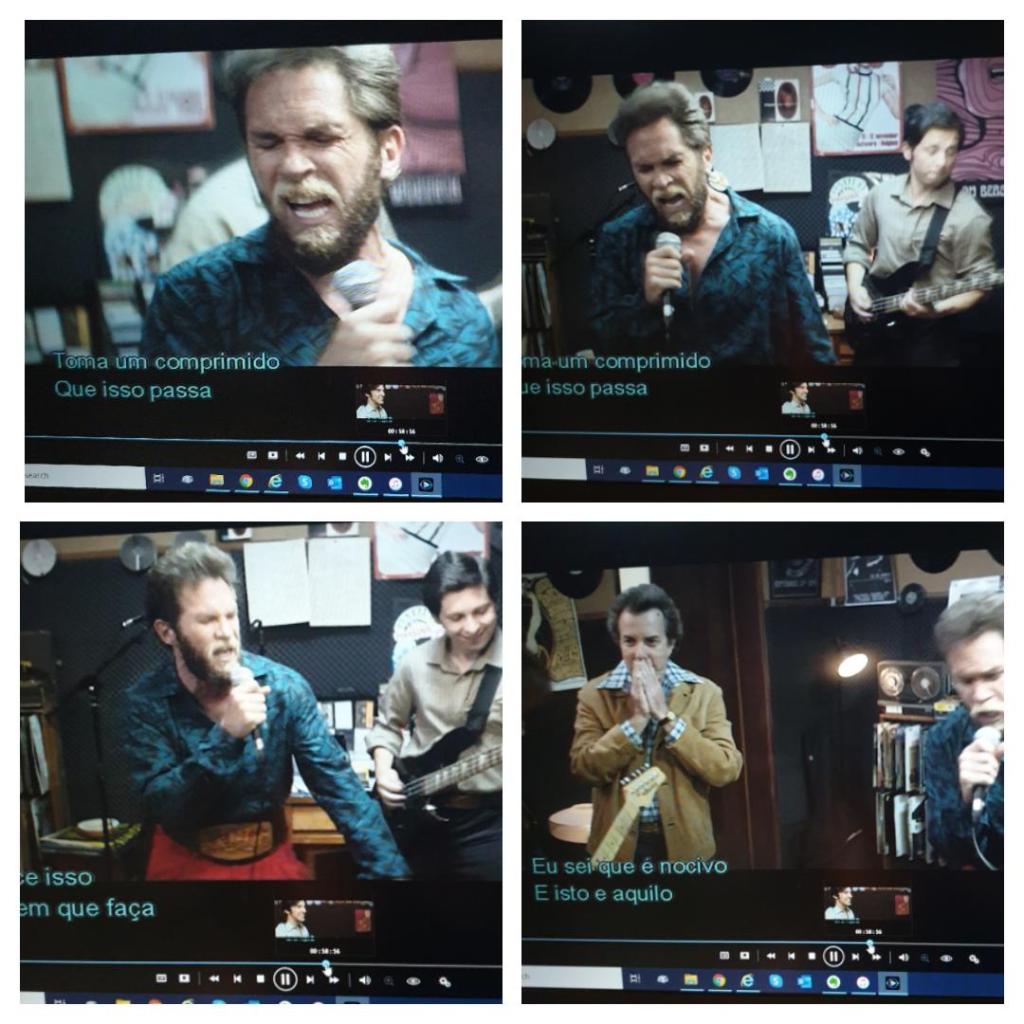
Watching a biopic of the “Portuguese Bowie” António Variações, and it’s definitely one of the best portuguese films I’ve seen. Decent acting, actually making me feel like I understand why people like his music; I must confess I find him a bit difficult, but I didn’t grow up with him. I’ll write a proper review when I finish it, likely sometime tomorrow since I need to get to bed.

Posted in English

Rapaz’s Delight

Listening to an episode of Cromos M80 the other day I heard about “Os Lusitansos” by Luís Filipe Barros. It’s a history of Portugal in the form of a rap, with the beat basically pinched from the Sugar Hill Gang. It’s er… Well, it’s something from the 80s, simultaneously the best and worst decade in history.

Posted in English

Lizard, Lizard, Lizard

youre-a-lizard-harry-36247804One of the exercises in “A Actualidade em Português” is about superstitions and there are five that are similar to “knock on wood” or similar – phrases for warding off the effects of bad luck. By far the coolest is “Lagarto, Lagarto, Lagarto” (Lizard, Lizard, Lizard). I have no idea why that means what it means. Ciberdúvidas isn’t much help and neither is Andreia Vale’s “Puxar a Brasa à Nossa Sardinha”. Even m’wife didn’t know, only guessed that maybe it was because witches use lizards in their spells.
Anyway, while I was researching it, I came across this freaky advert for an art show which uses an old song from the 70s by Banda do Casaco called “A Ladainhas Das Comadres” which includes the phrase. Confusingly the first line is in latin (the portuguese equivalent would be “Afasta-te, Satanás” or “Vai para trás, Satanás”)

Vade retro Satanás [get thee behind me Satan – Latin]

T’arrenego Belzebu [I abjure you, Beelzebub]

A Jesus Cruzes Canhoto [To Jesus, crosses left-handed]

Lagarto, Lagarto, Lagarto! [Lizard, Lizard, Lizard!]

That “Crosses left-handed” is a similar phrase used to ward off evil, sometimes extended to “Cruzes, canhoto! Longe vá o agouro!”

Similar phrases include

  • Isola
  • Diabo seja cego, surdo e mudo
  • Vira para lá essa boca
  • Salvo seja


Posted in Portuguese

Cultura

Written Topic for CAPLE level [dramatic music] C1!

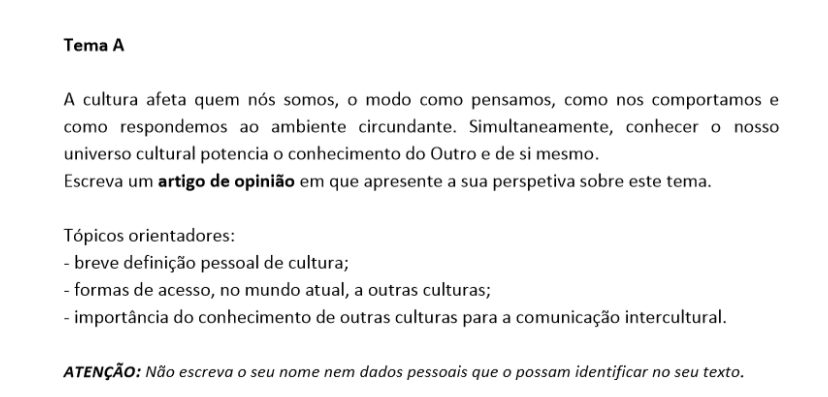
A cultura é uma rede de factores partilhados por uma comunidade de pessoas. Costumamos pensar de culturas nacionais, mas é igualmente correcto falar de culturas mais específicas tal como cultura de adolescentes, de um grupo étnico, ou aderentes de um desporto, por exemplo. Os valores, as histórias e o calão dão a todas estas comunidades as suas próprias culturas, e cada pessoa pode ter muitas culturas sobrepostas por causa de serem membros de muitos grupos.

Mais do que nunca, estamos em contacto com pessoas de outras culturas, na média tradicional (em filmes e séries, por exemplo) ou através das redes sociais. Cada vez mais, as pessoas podem explorar as culturas de outras (quer estrangeiro quer não), ouvir outras perspectivas e aprender mais sobre pessoas que, antigamente, olhávamos sem compreensão se os olhássemos de todo.

Ainda por cima, estamos na época de turismo, portanto temos oportunidades de conhecer outros países e as suas culturas pessoalmente, e isto leva-nos à importância da compreensão de outras culturas, sobretudo quando trata-se de intercâmbio com pessoas de outras países e grupos étnicos. Não quero dizer que temos que entender tudo sobre outras culturas mas é preciso lembrar que a nossa perspectiva não é a única e temos que ouvir o que os outros dizem. Ou seja, temos que manter os nossos olhos e ouvidos abertos e evitar cairmos na armadilha de sermos arrogantes.

Posted in Portuguese

Return of the Mackerel

A Portuguese friend left a comment on one of my Instagram posts today where I was bragging about my skills in (a) pumpkin husbandry and (b) soup wrangling.

“Armado em carapau de corrida!”

Which is like um… Armoured in racing mackerel. Or something.

This took a bit of deciphering but basically I think she thought I was showing off and pretending to be an expert. Fair enough. It seems to be a common expression but I’d never heard it before. There’s an explanation here.