I’m a little surprised I’m actually managing this! Well, well see what the results look like!
I’m a little surprised I’m actually managing this! Well, well see what the results look like!
Sorry, I’ve no idea what anyone reading these updates is making of them: they’re all just formless, unedited brain-dumps of the texts I’ve been reading on the Literature and Culture course unit. I´ve got so used to using this blog as a way of processing and recording things that I´ve lost the ability to just write stuff down in a book.
As I write this, I have just finished sending my first ever essay to the Universidade Aberta. I
Já conheces a Padeira de Aljubarrota, não conheces? Já falei sobre a sua lenda aqui mas faz dezenas de referencias a história por exemplo isto.
Inês de Castro, a senhora mais bela (segundo as lendas escritos por homens) da história de Portugal agora cede lugar a Brites de Almeida que foi (segundo os mesmos homens) a mais feia e a mais sobrededada*. A segunda parte do curso tem a padeira como assunto, portanto dirijo-me para o campo de batalha onde os espanhóis derrotados afastam-se do exercito e correm em direção a um inimigo ainda mais assustador…
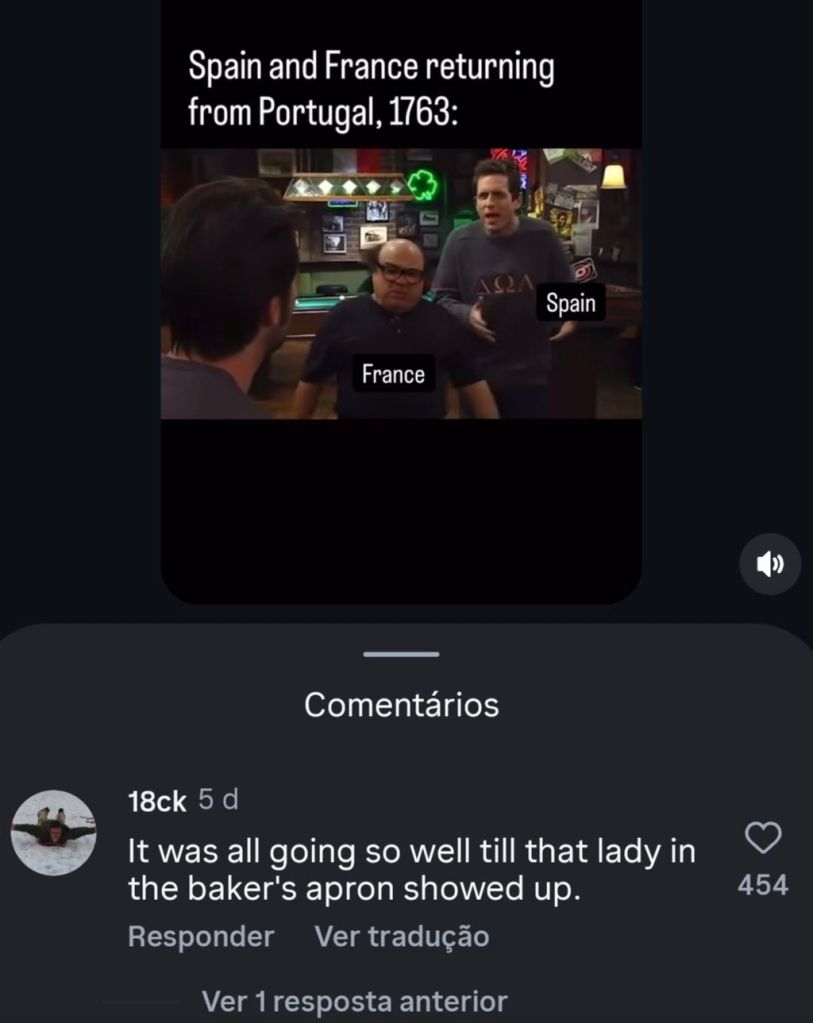
Este texto descreve a origem da tradição de “literatura de cordel” em Portugal e situa um panfleto – “Auto Novo e Curioso da Padeira de Aljubarrota” neste tradição.
Literatura de cordel surgiu de tradições mais antigas, satíricas ou religiosas, que foram dramatizados nas cidades, mas o formato dos livrinhos era que deu o nome ao género. Foram impressos em folhas soltas, penduradas em cordéis e vendidas por cegas. Existiam até no século XVI mas algumas leituras foram vítimas dos índices expurgatórios**
Houve um renascimento da literatura popular no século XVIII, fomentando uma ligação entre as várias tradições orais e a imprensa. O “Auto Novo e Curioso da Padeira de Aljubarrota” (ou “Forneira” – depende da edição) saiu em 1743 mas encontra-se nos catálogos populares no Porto em meados do século XIX. Segundo o historiador, o autor, Diogo da Costa foi pseudónimo de um professor de gramática, André da Luz
Segundo a leitura anterior, “é uma relação alambicada e conceituosa” e concordo que a história é tortuosa mas não o achei assim tão sentencioso. Um pouco, sim, mas a narrativa continua em frente come cena após cena de ação. É picaresco e às vezes sangrento. Além dos espanhóis, ela degola um turco (e os filhos dele), fere de morte um homem que quer casar com ela, e mata um bando de ladrões. Estou a esquecer alguém? Sei lá.
O que mais me marcou é que o conto não tem nada de patriotismo no retrato da padeira. No primeiro parágrafo, o autor descreve a terra dela como “a famosa, e sempre leal Cidade de Faro” e salienta as origens humildes de Brites de Almeida. Estes dois elementos podem ser atributos de uma heroína popular, mas as ações dela surgem da amizade aos portugueses, ódio aos criminosos e donos de escravos, proteção da sua propriedade (o forno) mas amor da pátria, nem por isso!
Espero que não errei em escrever o título. De acordo com o arquivo, é simplesmente “A Padeira de Aljubarrota” mas fiz uma pesquisa e acho que este é o único livro que ela escreveu.
O livro mostra a evolução ao longo dos anos, desta figura mítica, ela foi adaptado pelos autores de cada época para fortalecer o espírito nacional:

* Not a real word, obvs. I am trying to say she is “over-fingered” because she supposedly had six on each hand
**I should probably do a blog on Censura in Portugal at some point – it’s listed here though if you’re interested.
***I should probably know what this is but I don’t
I know everyone’s attention span is super-short these days, so here’s a TL;DR summary of all the Pedro e Inês content so far.

One more thing about Inês de Castro before I change the subject: She is often referred to in poetry as “colo de garça”. A garça is a heron, and colo is a funny little word that doesn’t have an exact match in english. The first and third meanings given by Priberam both refer to the upper part of the bust, but there are others indicating the upper part of the chest below the neck, and also the lap… It often comes up when talking about babies – they are “no colo”, in other words cradled in a pair of arms or sat in someone’s lap, being held by a parent – and it has a bunch of figurative senses too, relating to being welcomed with open arms, cared for, looked after and protected.
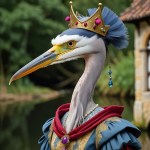
But being me, after a brief period, I asked reddit
Porque é que vários poetas chamam Inês de Castro de “colo de garça”? Uma garça=uma ave, não é? E colo de garça é um elogio porquê? Fiz uma pesquisa (ou seja googlei) e nesta página existem 3 teorias:
Tinha um pescoço esbelto como uma garça (adoro mas nunca antes ouvi alguém a dizer “colo” para referir ao pescoço)
Tinha seios brancos como o peito de uma garça (mais natural mas se alguém chamasse um inglesa de “heron tits”, garanto-vos que não seria um elogio)
Era vista como uma prostituta pelos nobres (provável, mas como origem da expressão, é duvidoso na minha opinião)
Será que alguém sabe mais? Ou tem uma teoria ainda mais rebuscado?
Recebi poucas respostas mas ao que parece a primeira versão – pescoço esbelto – é muito acreditável.
Super-speedy notes on (some of) the academic papers on the theme of Pedro and Inês. Not really attempting to summarise the whole work, just peg out the aspects of each that intersects with the theme of the course.
“A Margem de Alegria” de Belo “Tematiza o amor mítica de Pedro e Inês” no qual Inês representa “o eterno feminino”. Assim, o autor da Tese retrata “o esquema do mito Inesiano” e sublinha as ligações com a poesia de Belo e com o seu próprio argumento. Inês atingiu uma forma de vida após a morte, simbolizada pela sua coroação póstuma e concretizada pelos túmulos de Alcobaça. Pedro faz a sua parte neste imortalização, facilitando a acsensão e construindo os túmulos legendados “até ao fim do mundo” ou seja o dia de julgamento. Assim, a poesia (no lugar de Pedro) consegue superar a separação numa eterna união além da morte. Ainda por cima, a morte representa a separação entre o amador e a amada, e no processo de redenção “transforma-se o amador na cousa (sic) amada”.
“[…] duas conclusões fundamentais: os autores nacionais, até ao século xvi, contribuíram para a formação e consolidação da consciência pátria – é a fase da fundação. A segunda ilação é a de que a partir deste mesmo século, fruto da agudização dos sintomas de crise em Portugal, se desenvolve na literatura nacional um veio de crítica à conjuntura do país, que culmina, no século xix, num amplo movimento
de questionação sobre o modo de ser português, protagonizado pelo Romantismo e pela Geração de 70 – é a fase da problematização.” Ana Cristina Correia Gil.
A autora começa a sua história com Fernão Lopes (sobre o qual falei num blogue há uns dias) e dá como exemplo a sua “Crónica de Dom Pedro I”, tendo como ponto de partida os arquétipos na literatura português (Pedro e Inês mas também Dom Sebastião, O encoberto (o quê???), As Ilhas Afortunadas, O Quinto Império, entre outros) como símbolos da identidade nacional.
A Investigadora pretende descrever a influência do mito de Inês na literatura portuguesa a partir do século XIX e a elevação da História ao estatuto de uma ciência. Começando daí, a ficção – ficção histórica – adquiriu um novo cargo, o de elaborar o lado de história mais humano, além das narrativas técnicas dos historiadores. Não passam de ser ficção mas por outro lado, tive como tema uma história verdadeira. Os exemplos dados são o “Teorema” de Herberto Helder (já referido) e o “Inês de Portugal”, um romance fino escrito por João Aguiar. Ambos os exemplos foram escritos em meados do século XX.
A ficção de Helder destaca a auto-imagem de Pêro Coelho como ator na história do país no contexto do mito inesquecível de Pedro e Inês, mas o de Aguiar salienta o papel de Inês como uma pessoa identificável, apaixonada mas ligada à cobiça da sua família.
O autor toma como aporte teórico as obras de António de Macedo, Dalila Pereira da Costa, Gilbert Durand, Lima de Freitas, Sergio Franclim and Eduardo Lourenço. Em suma, a literatura portuguesa volta repetidamente a certas figuras que “sendo históricas, transcendem a própria historicidade”. Assumem “diferentes roupagens de acordo com condicionamentos históricopolítico-culturais” num processo de “definição da própria identidade nacional”. No caso de Inês e Pedro, o mito é um de “paixão que
erremete (sic*) contra a lei da morte” (segundo Lima de Freitas)
Antonio Ferreira (1528-1569) Na sua tragédia “Castro” apresenta Inês como “vida cortada em flor”. A figura de Inês é mais complexa do que outras representações. Há um conflito entra a pureza dos motivos dela e a culpa perante Deus. Durante a cena na qual Inês morre, o romance introduz elementos de voluntariedade, como se fosse um mártir, cuja inevitável morte é aceite “por glória sua”. A cena é construída à maneira de Euripides para a apresentar como heroína sacrificial exemplar.
Camões também a trata como vítima sacrificial.
Eugénio de Castro** (1869-1944) no seu poema Constança foca na dor da esposa de Pedro. Inês é um “pessegueiro em flor” e uma mulher fatal “involuntária” mas a beleza dela ultrapassa a da Constança e ela emerge como inocente e “a imagem emblemática do amor”
Evolução da representação do mito
Trouas*** de Garcia de Resende e a Visão de Dona Inês de Anrique da Mota: Inês como vítima inocente num ambiente bucólico.
Camões dá projeção universal ao mito delineado por Mota e Resende com os seus Lusíadas.
Nos Séculos XVIII e XIX, diversos poetas na lusofonia continuam a desenvolver o mito da sua beleza e a morte dala como símbolo de sofrimento eterno. Sousa Viterbo, em A Fonte dos Amores diz que a história é “o episódio mais sentido da paixão humana”
Nos séculos XVII e XVIII os dramaturgos escrevem de uma Inês inocente, bela e pura que é vítima da política. Durante século XIX, o romantismo reforça a ideia a “bela do colo de garça” e a tragédia do amor impossível, mas ao final daquele século vendo as limitações da personagem, os escritores começam a retirar o protagonismo a Inês, fazendo Pedro a personagem central do drama. Inês persiste como pura e bela mas os tormentos do infante é visto como fonte fecundo de narrativas como “A Morta” (1890) de Henrique Lopes de Mendonça e “Pedro o Cruel” (1915) de Marcelino Mesquita.
Na segunda metade do século XX, a partir a estreia de “A Outra Morte de Inês” (1968), de Fernando Luso Soares, o holofote volta para Inês, agora com mais agência pessoal. Torna-se um símbolo da liberdade individual contra o poder
Na prosa, Inês é sujeito de romances históricas e de historiografia, que muitas vezes acrescentam temas míticos aos factos verídicos. Ainda existem romances sobre os filhos de Inês.
Usando o modelo desenvolvido por Algirdo Julien Greimas, o autor analisa os este conto, demonstrando como o autor “desmistifica e remistifica” o mito. Pêro Coelho é elevado a ser protagonista num ritual mítico. A narrativa realista é subvertida deliberadamente, com efeito de realçar o caráter simbólico do mito. Inês não aparece porque já está morta ao arranque da história mas emerge como uma figura mítica, luminosa e eterna.
Fénix Renascida ou Obras Poéticas dos Melhores Engenhos Portugueses é um cancioneiro seiscentista português, publicado sob a direção de Matias Pereira da Silva em cinco volumes, de 1716 a 1728 (Wikipédia)
O autor começa por resumir diversas leituras já descrito. O “Fénix Renascida é um coletânea de poesia barroca. Destaca-se 3 poemas
Os Poetas Barrocos desprezam os aspetos factuais e históricos, focando nos aspectos lendários e sentimentais como por exemplo
Usa-se metáforas, hipérbole e outras figuras típicas do movimento barroco.
Em suma, a lenda é um exemplo universal da efemeridade da vida e da vaidade humana e do pathos do amor trágico.
* “Erremete”? What’s going on here? I couldn’t find the word in Priberam. The same quote with the same spelling appears in another article by the same author here. But further digging found a quote from the same source but by a different author, and it’s written as “arremete” there. Arremeter is a legit verb meaning “Atacar com ímpeto”, which seems to fit in the context of the sentence, so I think it’s safe to say it’s a gralha in Bittencourt’s notes that he’s copied into two separate papers. Probably. Best avoid the hubris of correcting portuguese academics when I could have totally the wrong end of the stick, but that’s how it looks to me anyway!
**Hm, wonder if his surname had anything to do with his choice of subjects
***Trovas, presumably but it appears multiple times and is italicised so must be an older orthography rather than a typo. I referred to Resende and the Trovas in a recent post
I’m having trouble focusing on this poem, which I mentioned in yesterday’s post about Pedro and Inês, and holding it in my head while translating, long enough to take it all in so I’m going to write out a translation of the five pages I have in English. I can’t find a version of it online other than this which only really allows you to see a tiny piece at a time so if you want the original you’ll need to buy it like a decent upstanding citizen.
CAPÍTULO XXVII
COMO ELREI DOM PEDRO DE PURTUGAL DISSE POR DONA ENES QUE FORA SUA MOLHER REÇEBIDA E DA MANEIRA QUE ELLO TEVE
How I predicted the night. How many times.
How many times I rested on the deep darkness
Or your sleep only noticing one or another small sound
By night I search for your earthly now
That tiny god-space* like those ships ate deserted
Like everything is strange to anything that lives. Under the night here
I enclose the secret of these rites,
Taking apart this, my bodily landscape
Feeding an ancient glow
Hair I understood. I say nothing, this time must be valued
Little by little I renounce the sun
For the water of your eyes
I have to wait so long. This death happens slowly
I have no hunger, thirst or desire
I just come back by another road
These ships are ours
The little greyhound that sits here
Was the one that was born out of the cold we learned about
Tonight I lost myself in your fingers
I repeated your steps walking not
as fast as you wanted
that before the sunrise we would say it
See how the landscape changes. I don’t even find despair
and how many times I say I don’t have anyone here
Only this ship, undoubtedly the most beautiful
To show you.
Apparently nothing changed but in truth everything changed
A wind passed me by like the wake
of gulls on the surface of the sea
These stones in place, these arches covered in limes
Your absence drawn by a stone
Walking toward me
I don’t remember any more
My memory has swept itself clean of your face under the work of hands
And however many times I say
You can’t bear alteration
It’s late. The moon is dying. I let myself sleep.
COMO ELREI DOM PEDRO DE PURTUGAL DISSE POR DONA ENES QUE FORA SUA MOLHER REÇEBIDA E DA MANEIRA QUE ELLO TEVE
The day on which the arrival of summer was announced
The month of June, I tried to hear, drom the valley
The singing and the shouts that say the arrival of the traveller
By words of the present
Maybe I won’t find you again while this body
Stays until the time of your death
There won’t be movement. How will I be able? If
I have to separate destruction in myself
You will have to set out to find me. By the road and in the course of centuries
Those who will come to life, what part of them will come to be the same,
We are alone. Without a third person let alone more
While the night is what we alone open – that
By night you wait, seeming like earth, the earth itself in the nighttime still
Over time I will bring as much as you need. A long time ago
Chance had no part in our meeting, searching for the
Most distant, the thing that grows. It’s what I want to tell you
Far from trying at each step the beginning or the reliable piety
For sustenance over the years. The lack of response will never
Cease to pursue me. Reply to me.
We feel the pain, the knowledge the causes the forms
The things break like everything and what remains stands out
The difference, the meaning among the innovation
The inception in the act and in the wanting. The wise
finality of existence.
The end is to know you. Nothing else. I see you watching me
Even in the mirror of the sword blades, eroded
By rust, by so much
The sun still hasn’t set
There are men who think a lot. I don’t know if they bring a joyful heart to their work with the stone. They greet us and offer consultations. Nobody contradicts them. They don’t have the one thing I need to win: Your praise.
Nothing erases it from my memory. Because
I imitated the acts. I bring them with me. I guard them.
It’s a small thing.
Please, repeat with me the song:
The eyes are light
And anyone who stares into them
Has the rain, the sun,
That he requires
The current emphasises
the green, the green of your eyes.
* “esse mínimo espaço deus” – sounds like it should mean something but I’m not sure what! Deus isn’t capitalised so I am taking it as him meaning the space has some sort of godlike power, rather than it being some sort of space for God
Oof. I probably could have written a lot more footnotes for that one because there are lots of lines that make little sense to me.
Notes jotted down from part of the Portuguese Culture Unit I am studying.
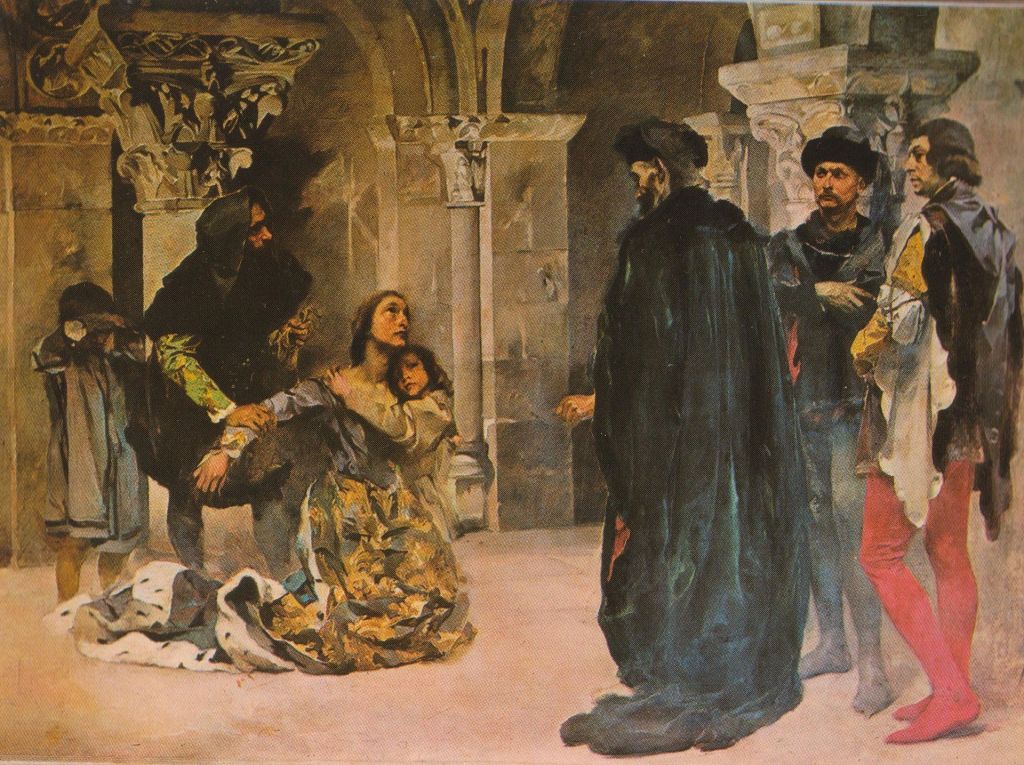
Pedro I de Portugal (1320-1367), antes da sua ascendência ao trono, casou com Constança Manuel, mas foi abertamente infiel com a aia dela, a galega Inês de Castro. O pai de Pedro, o então rei Afonso IV, reprovou a relação, até após a morte de Constança quando Pedro e Inês viviam com se fossem casados. Em 1355 o rei mandou o assassinato de Inês, temendo a influência da família Castro. Este ato provocou uma rebelião contra o rei por Pedro, os Irmãos de Inês e vários aliados, mas não foi bem sucedido e os dois lados na guerra concluíram um paz desassossegado. Dois anos depois, com o morte do soberano, Pedro foi aclamado rei do país e pós em andamento a sua vingança contra os homens que executaram as ordens de Dom Afonso. Logo depois, afirmou que tinha casado com Inês antes da morte dela e declarou-a como rainha. Até se diz que o cadáver de Inês foi desterrado e coroado e que os nobres foram forçado, sob pena de morte a beijar a mão dela. Seja como for, os túmulos dos amantes ficam no Mosteiro de Alcobaça, lado a lado para que, no dia da ressurreição, acordado dos seus sonos, Pedro e Inês se vejam sem demora.

Segundo o site Mitologia.pt , existe um poema secreta, atribuída ao então infante Pedro, mas a sua autoria é discutível. Porém, segundo o mesmo site, o comprovadamente mais antigo poema (tirando esse duvidoso) é “Trovas à Morte de Inês de Castro” de Garcia de Resende (1470-1536).
O poema é contado do ponto de vista de Inês, na hora da sua morte. Ela não culpa o rei mas sim os cavaleiros que acabaram executados por Pedro. Este decisão é interessante. Às vezes, vemos obras de arte que evitam responsabilizar uma figura histórica porque a figura anda favorecida pelo povo ou pelas autoridades atuais. Será que o rei da sua época desfavoreceria qualquer pessoa que criticou o seu antecessor? Parece-me pouco provável uma vez que um século tinha passado entre o morte do Pedro e o nascimento do poeta, mas quem sabe?
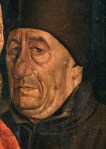
Mais um poeta que escreveu poesia sobre a lenda é João Miguel Fernando Jorge (1943-hoje). O professor do curso forneceu-me com fotos de 7 páginas do livro “Crónica“. O que mais me marcou foi a diferença entre as primeiras linhas de cada página (por exemplo “COMO ELREI DOM PEDRO DE PURTUGAL DISSE POR DONA ENES QUE FORA SUA MOLHER REÇEBIDA E DA MANEIRA QUE ELLO TEVE” e o resto do texto que é escrito em português moderno. A razão custou-me descortinar: A obra do Jorge é uma espécie de atualização ou de recontagem de uma obra mais antiga, especificamente a “Crónica de Don Pedro I°” de Fernão Lopes (1418-1459) o escrivão e cronista do reino de Portugal, daí a sua ortografia antiga.

Teorema é um conto de Herberto Helder. Helder (1930-2015) foi um poeta madeirense, mas, ao que parece, também soube escrever prosa. E sendo ele madeirense, por acaso, não tive de ler o conto online porque a madeirense que tenho em casa tem um exemplar do seu livro “Os Passos em Volta” no estante. É brutal! Adorei! É contado na primeira pessoa por Pêro Coelho, um dos dois executados por Pedro por ter participado no assassínio de Inês de Castro. Fiquei muito orgulhoso logo na primeira página porque o narrador descreve uma janela “no estilo manuelino” e eu soube instantaneamente que era um anacronismo: o estilo manuelino foi desenvolvido na época de D, Manuel I, cem anos depois da morte de D. Pedro. Mas mais tarde o narrador ouve a buzina de um automóvel e eu entendi que o conto é surrealista. A estátua do Marques de Sá da Bandeira? Mais um anacronismo, não é? E o protagonista continua com a narração enquanto o soberano come o coração dele, cru e cheio de sangue, o que não é normal. Eh pá cinco páginas esmagadoras!
Já li dois livros de Nuno Júdice (1949-2024), mas não sabia que ele também escreveu um poema do ponto de vista de Pedro, nos anos após a morte da sua amante
O professor Carlos Reis alista os seguintes conceitos como relevantes no ensino da literatura. Encontramo-los em funcionamento na forma que olhamos para o texto (está a falar sobre os Maias)
Intermedialidade
A intermedialidade é a possibilidade de descobrirmos interações entre discursos em mediáticos autónomos: livros, filmes, bandas desenhadas podem dialogar entre eles.
Transnarratividade
A transnarratividade é a disseminação da narratividade em práticas para além das narrativas formalmente constituídas como tais.
Transmedialidade
A transmedialidade trata-se de uma passagem de uma narrative de uma forma para outra. Por exemplo, uma adaptação de um livro no cinema.
O professor esclareceu com exemplos nos quais Eça de Queirós descreve um cena com linguagem muito “visual”. Podemos pensar nisso como uma cena num filme. Também podemos imaginar uma cena na qual uma pessoa senta-se perto dum quadro de alguém muito parecido como se fosse um “casting”. Hm. A minha primeira reação é de cautela. Nós aqui no século XXI andamos muito acostumados a very filmes, ver televisão, ver filmes de curto metragem e ler bandas desenhadas. Depois voltamos aos livros que (no caso d’Os Maias) foram adaptados várias vezes e interpretamos as descrições visuais dos autores do passado com os nossos preconceitos, como se fossem guionistas de Hollywood. Existem, sem dúvida, exemplos disto: todos nós limos livros cujos autores aparecem desejosos de vender os seus romances a um estúdio cinemático qualquer, e que descrevem eventos do ponto de vista de um camera e até sugerem músicas que caberiam na cena. Mas os exemplos dados pareceram longe disso. Hm… sei lá. Estou aqui para aprender e é óbvio que o professor sabe mais do que eu sobre o ensino da literatura(!) portanto negar os seus exemplos, fazendo orelhas moucas seria um erro. Claro que preciso de pensar mais nisto, digerir, e entender como se aplica ao livro que estou a ler.
Tickets here. Definitely going. My wife is working and my daughter (who really enjoys his version of “Cancão de Engate“) will be in Dundee so I’ll be in my own. I see I’ve done a couple of translations of his songs before but one was a cover version (the aforementioned Canção de Engate) and one was sort of mid, as the young folk say (Morena). I must do one of his really good ones – maybe Laços or Carta from when he was in Toranja. Yeah, Carta seems like I need to look at it because the video has a slightly kidnapper vibe about it and I want to reassure myself that poor girl is OK.

This song was released a year ago but I haven’t got around to translating it. It was written by Capicua, who says on Instagram that Ana Bacalhau had challenged her to write a sort of “Let’s Call The Whole Thing off” based on different ways of speaking between Lisboa and Porto.
Hm, I thought it would be fun to translate but now I think it might be a struggle. It’s mainly giving words that mean the same in the two cities, so the translations will all be like “cheese is cheese” won’t they? Oh god… oh well, let’s see how it goes.
In the orange corner, representing Lisboa, Ana “I used to be in Deolinda, you know” Bacalhau and in the green corner, representing Porto, Cláudia “I made a forgettable Eurovision song” Pascoal.
| Português | Ingês |
|---|---|
| Ah, e quê? Ah, então? Ah, o quê? Que algo se perde na nossa tradução? Ah, e quê? Ah, então? Ah, o quê? Ó bacalhau, eu vou-te explicar Hum, conta! | Ah, and what? Ah, so? Ah, what? That something gets lost in our translation Ah, and what? Ah, so? Ah, what? Hey, Bacalhau, I’m going explain to you Er… bill please! |
| Dizes que não tens qualquer sotaque Isto não é um ataque, mas tens falta de noção E depois dizes Pra não ser de surpresa Eu tufono-te às dezoito pra marcar a reunião Olha quem fala, tu dizes à minha beira Com pronúncia da ribeira quando estás ao pé de mim Dizes pega em vez de toma Dizes bufa em vez de sopra, olha a lana, gola ialta e coisa assim | You say you don’t have an accent This isn’t an attack but you’ve no clue And then you say For it not to be a surprise, I should “tuphone” you at 6PM to arrange the meeting Look who’s talking, you say “à minha beira” With your ribeira accent when you’re next to me You say grab instead of take You say puff instead of blow, “look at IAna“, “gola ialta”* and things like that |
| Imperial é fino, tênis é sapatilha Bica é cimbalino, chicla é pastilha Aloquete é cadeado, e capuz, carapuço Estrugido é refogado, chapéu de chuva é chuço Se trolha é pedreiro, bueiro é sarjeta Sertã é frigideira e cabide é cruzeta | Beer is beer, Trainer is trainer Espresso is espresso, chewing gum is chewing gum Padlock is padlock, Hood is hood Fried is fried, umbrella is umbrella Stonemason is stonemason, gutter is gutter Saucepan is saucepan and hatstand is hatstand** |
| Ah, e quê? Ah, então? Ah, o quê? Que algo se perde na nossa tradução? Ah, e quê? Ah, então? Ah, o quê? E mais te digo! Oh pá! | Ah, and what? Ah, so? Ah, what? That something gets lost in our translation Ah, and what? Ah, so? Ah, what? And another thing Oh blimey! |
| Já tu dizes são quaise treuze E já ouvi várias vezes tira o téni do sófá O lisboeta come letras Tira o u pra dizer pôco, diz óviste, é muita lôco Assim não dá! Tretas, pra ti mãe tem cinco letras Dizer cumo é o cúmulo e tu sabes que assim é Tu dizes testo e eu tampa Eu digo coxo e tu manco e quando dizes tótil, eu bué | You just say it’s arlmust thorteen And I’ve heard a few times take your shoe off the sófá Lisboetas swallow letters Takes the U away t say pôco, say óviste and very lôco It’s no good like that Rubbish! For you, mum has 5 letters To say “cumo” is the accumulation and you know that’s how it is You say lid and I say lid I say lame and you lame and when yiou say tótil***, I say bué |
| Imperial é fino, tênis é sapatilha Bica é cimbalino, chicla é pastilha Aloquete é cadeado, e capuz, carapuço Estrugido é refugado, chapéu de chuva é chuço Se trolha é pedreiro, bueiro é sarjeta Sertã é frigideira e cabide é cruzeta | Beer is beer, Trainer is trainer Espresso is espresso, chewing gum is chewing gum Padlock is padlock, Hood is hood Fried is fried, umbrella is umbrella Stonemason is stonemason, gutter is gutter Saucepan is saucepan and hatstand is hatstand |
| Contigo o tão vira tom, contigo o são vira som E depois bom vira bão Pra mim o v vira b, para ti lesboa é com e Oblá e então? Ouve, não sou eu que falo torto, toda a gente me entende Não é meu o defeito S’eu falo à porto é meu direito e se o teu ouvido é mouco O meu sotaque é perfeito Se digo fala bem é pra tu seres meiguinha Como eu sou também, no meu jeito alfacinha E quando eu digo “bem” eu tou-te a dizer para “bires” E eu até te falo bem, só é pena não me ouvires E quando eu digo vem eu tou-te a dizer para vires E eu até te falo bem, só é pena não me ouvires | With you, tão becomes tom, with you são becomes som And then bom becomes bão With me, the V becomes a B, for you Lesboa is with an E Oblá so what? It’s not me that talks weird. Everyone understands It’s not my problem If I speak Porto-style, it’s my right And if your ear is deaf My accent is perfect If I say speak properly it’s just to make you more amenable Like me, with my Alfacinha style And when I say well, I’m just doing it to make you come to me**** And I speak really well. It’s just a shame you can’t hear me. And when I say come I’m saying you should come. And I speak really well. It’s just a shame you can’t hear me. |
| Ah, e quê? Ah, então? Ah, o quê? Que algo se perde na nossa tradução? Ah, e quê? Ah, então? Ah, o quê? Imperial é fino, imperial é fino Imperial é fino, imperial é fino, fino, fino- Ah, e quê? Ah, então? Ah, o quê? Que algo se perde na nossa tradução? Ah, e quê? Ah, então? Ah, o quê? | Ah, and what? Ah, so? Ah, what? That something gets lost in our translation Ah, and what? Ah, so? Ah, what? Beer is beer, Beer is beer Beer is beer, Beer is beer Ah, and what? Ah, so? Ah, what? That something gets lost in our translation Ah, and what? Ah, so? Ah, what? |
*I couldn’t work out what was going on here so I asked about it on Insta and Capicua herself answered my question! Apparently in Porto if one word ends in A and the next word starts in A, they put an I in between so Olha a IAna = Olha a Ana, Gola Ialta = Gola Alta (a polo neck or turtle neck). I like Portugal. I’m pretty sure an equivalently famous person in Britain wouldn’t take time out to explain linguistic quirks to old farts on Instagram!
**Did somebody say hatstand?

***How have i never seen this word before?
****Not sure about this, My reasoning is that it’s vires (personal infinitive of vir) with the v changed to a b. I don’t know if the next-but-one line confirms or refutes the theory though!
 Luso
Luso 