Posted in English

Plans

OK, the exam is on the 13th of November. To be honest, I wish I’d gone for May next year, but here we are… I’m going to be taking another of the Say It In Portuguese CAPLE Exam preparation courses. I need to use the remaining time wisely so I’m going to try and cut out a lot of unnecessary stuff, put a few things on hold till the second half of November to make more time for learning, especially listening and speaking (using some of the techniques this fella lays out in this video) and I’ll add this lot to my Planner app:

Raw Exam Prep

  1. Do the exam modelos Cristina gives me
  2. Go through the list of key structures in the C2 syllabus here, and try and figure out what I need to work on, possibly in the lessons

Just general tidying

  • I have some lists of structures I often get wrong and structures that get used a lot in portuguese that I never use because I keep forgetting about them, so try and make sure I get as many of them as possible into blog posts instead of just treading the same old familiar linguistic pathways that I rely on in everything I write.
  • Try and bribe my wife to speak to me in her beguiling madeiran accent. Poached eggs will probably work. She loves a good poached egg.

General Input

  • Reading – I have an english book I am committed to reading for family book club and a couple of audiobooks that I am already part way through, but when those are finished, no new english books, just portuguese ones. Probably not many though, because I don’t really need much practice – just bedtime reading, and just things that seem like they will expand my brain. Like I have a Gil Vicente play in BD form, but I looked at it earlier and it’s much too archaic so I’ll save it for after the exam.
  • Podcasts – Portuguese only till after the exam. I might even unsubscribe to some of the english language ones to remove temptation.
  • Eat-Rep exercises – I’m going to drop some of the morning quizzes I do and watch a quarter of Os Gatos Não Têm Vertigens instead – that’s about two watches per week. try to do some “scratching” in the first weeks and move toward “copycat” exercises in later weeks.

    Exercises

    This weekend

    • Start final chapter of Português em Foco
    • “Puzzle Brain” activity – listen to portuguese audio while doing a jigsaw

    W/E 27-10-2024

    • Finish Português em Foco exercises in the main book (meant to do these before Lisbon really, but…)
    • Start the (self marked) grammar exercises in the Caderno de Exercícios

    W/E 03-11-2024

    • Finish the grammar exercises in the Caderno de Exercícios
    • “Scuba Diving” exercises with text and audio of “Amor de Perdição”

    W/E 10-11-2024

    Non-thorough run through of the paper exercise books I have, looking for grammar exercises that look like they might be beneficial.

    • The remainder of the vocabulary and verb tenses sections of Português Outra Vez, (the expressões section is rubbish and I can’t be bothered with it)
    • The C1 sections of “Vamos Lá Continuar” and
    • Some of the more challenging exercises from Qual é a Dúvida. I finished this book ages but there were some exercises that left me floored, so I’ll be interested to see if I find them just as hard the second time around!

    Exam Week!!!!

    I’ll keep this free for whatever I think needs shoring up

    Posted in English

    Madeirense

    My Missus keeps sending me homework this week so let’s have a look, shall we?

    Ei seems like the most confusing part of this, but it’s just the madeira pronunciation of “as”

    Beiças =lips.

    Obviously “vermelhe” and “ouvides” are representations of the accent, with the o suppressed.

    Bilhardeira = bisbilhoteira = gossipy lady

    Zunir =buzz, but I guess they use it to describe gossip spreading

    So: I put red lipstick on and and that busybody went and told my granny.

    Numa carreira =in a big rush, charging about

    Baldear = cair (it has lots of meanings but that seems to be the relevant one)

    Arcas = costas (specifically the lower back, I think?)

    Tratuário = passeio

    So: I was in a big rush and I fell and bumped my lower back on the pavement.

    I’ve added the site to my Instagram feed so I can get a bit of extra vocab in my life. I enjoyed finding out that vaginha doesn’t mean what it looks like. That’ll be useful next time I’m in a restaurant.

    Posted in Portuguese

    Menina e Moça

    Menina e Moça de Bernardino Ribeiro

    No livro que estou a ler, há um conto sobre um chimpanzé chamado Golo. Este primata* gosta de brincar com uma máquina de escrever automática. Um dia, Golo martela nas teclas durante algum tempo com os seus dedos grossos e além de números, letras e símbolos aleatórios, produz a seguinte frase: “Menina e moça, me levaram de casa de meu pae para muito longe”.

    Para mim,”Menina e Moça” não é mais nada do que um fado de Carlos do Carmo, mas é evidente que o protagonista conhece a frase e que não tem nada a ver com o cotovelo no castelo. Ao longo dos dias, mais parágrafos aparecem da mesma novela. Fiz uma pesquisa e descobri que “Menina é Moça**” é um romance pastoral escrito por Bernardo Ribeiro em meados do século XVI. É considerado o primeiro livro do seu género na península ibérica e foi editado  quando um tal Miguel de Cervantes ainda estava a usar uma fralda***.

    *As personagens humanas dizem “macaco”, pois não existe uma tradução equivalente da nossa “ape” mas acho que primata é melhor.

    **The text wiki uses is different from what Golo comes up with. I don’t know if there’s any significance to that or if there are just different manuscript versions with slight differences in wording.

    ***OK, OK, he was about 7 I think, but these geniuses are often late developers, I hear.

    Posted in Portuguese

    Carolina Deslandes

    Uau! Que espectáculo incrível! As minhas expectativas do concerto de Carolina Deslandes eram baixas; gosto de algumas canções dela, mas regra geral, aquele estilo de música não é o meu preferido. Mas ainda que não me sentisse otimista, a realidade do concerto esmagou-me. Ela cantou todas as canções de que mais gosto, e além disso muitas canções boas de outros (Rui Veloso, Sérgio Godinho, António Zambujo e Amy Winehouse) e criou um ambiente animado e feliz naquele espaço íntimo.

    Entre as canções, ela falou e brincou com o público. Entendi quase tudo, mas tive de perguntar à Catarina sobre umas coisas que me passaram ao lado. Por exemplo, para ilustrar quantas tugas há nesta cidade, ela contou uma história sobre uma peça de teatro que ela foi assistir com uma amiga quando morava cá em Londres. A amiga comia alguma coisa e uma funcionária do teatro disse que “you can’t eat tha’ ‘ere”. Quando a funcionária virou as costas, a amiga disse (em português) “que estúpida” e a funcionária voltou a virar-se, com um gesto muito português e disse (também em português) “estúpida és tu”, que deixou a amiga da Carolina baralhada porque não sabia que as suas palavras seriam compreendidas. 

    Entendi isto tudo, mas no final da anedota a amiga sacou uma sandes, embrulhada em alumínio, porque “Tuga que é tuga ________”

    Ao que parece, as palavras que perdi foram “leva merenda”.

    Antes do espectáculo principal uma artista portuguesa chamada Raquel Martins, que mora em Londres já há 7 anos tocou umas músicas. Levou uma convidada ao palco e aqui tenho mais uma confissão: achei que ela disse que a convidada era a sua irmã, mas que disse irmã num sotaque invulgar. Mas errei. O convite foi a cantora Irma!

    Posted in Portuguese

    Life in El

    Estou a caminho do concerto de Carolina Deslandes mas a minha esposa estragou tudo ao fazer uma reserva num restaurante espanhol. Olha! “Pan”, “Queso”, “Beringena”. Falam um português pior do que os brasileiros! Estou a perder fluência com cada minuto que passa.

    Posted in Portuguese

    O Cultivo de Flores de Plástico

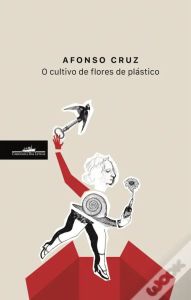
    A primeira vez que disse “O meu autor português favorito é…” conclui a frase com “Afonso Cruz”. Gostei imenso do seu “Os Livros que Devoraram o Meu Pai” e “Para Onde Vão os Guarda-Chuvas” foi o meu primeiro calhamaço português. Mas hoje em dia acho os seus livros um pouco irritantes. Este é quase uma paródia do “À Espera de Godot” e dei comigo a bater com os dedos na mesa de impaciência.

    Posted in English

    Obnubilar

    … Just means to darken. Of course it isn’t that unusual that I come across a word I don’t recognise but this one jumped out at me because it doesn’t really look like a portuguese word at all. The origin is Latin, apparently: obnubilare – and it’s related to nuvens – and were imagining the thing being obscured by clouds.