This podcast seems like a great idea! I wish I’d discovered it sooner!
Tick Tock, Tick Tock
I’m counting down the hours now. My exam is tomorrow morning. I’m wondering what I can do to plug the biggest, most obvious holes in my language skills in the gaps between bouts of doing my day job. Aside from an hour talking to a friend via Skype, I’m thinking I should run through irregular verbs for half an hour or so, rehearse the answers to some of the key questions from the oral expression part of the exam and do some rounds of Memrise.
More importantly, tomorrow, I need to be up early and warm my brain up. I have noticed that if I speak Portuguese for a while it churns up the mud and sludge at the bottom of my brain and allows the words to float to the surface. The exam is at 10AM so I will need to try and cram in an hour of doing something difficult like writing a short essay or saying answers to questions out loud – actually producing language – or I’ll be stuffed when I get into the exam room.
The Portuguese embassy is only about 7 or 8 miles away so I could ride my bike there in the sunshine, but I think I’m going to go by train so I can rehearse my answers to the questions on there. So if you’re on the District Line tomorrow and there’s some bloke telling everyone, in a loud, clear voice that “Tenho dois irmãos. Sou o mais velho. O meu irmão do meio vai casar este verão…” that’ll be me.
A Tentativa, O Balde e Eu
Uma descrição da situação no que estou a falar com um amigo e preciso duma palavra. Tenho certeza que sei esta palavra mas neste momento não posso lembra-la.
“Eu baixo o meu balde para ao fundo do poço de vocabulário mas quando vem para cima o balde está vazio”
Totes planning to use this often in the future. It’s strangely easy to remember, pleasing on the ear and has two new (to me) words in it.
*Uncorrected Portuguese Klaxon*
Hashtagging in Portuguese
I got retweets for this. Actual retweets!
The hashtag game was inspired by a news story about a Portuguese spy who was caught flogging state secrets to the Russians in the latest bout of eighties nostalgia. People were understandably curious about what the Russians could actually want but I can’t pretend I understood all the suggestions, especially where they related to politicians.
Et Tu Memrise?
As I said earlier…
It’s just so pointless. You open the app and there’s this great picture background but you just think “what? I want to learn vocabulary not have to think how to get from here to my course list, you nitwits!
Comentários Sobre Um Filme: Passport to Pimlico
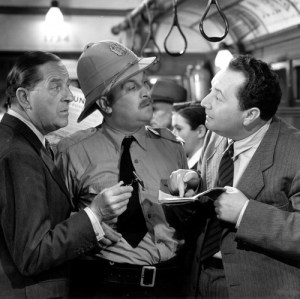 O meu filme favorito é um filme a preto e branco do Estúdio Ealing que se chama “Passport to Pimlico”.
Os eventos do filme acontecem em Pimlico, um bairro de Londres nos anos imediatamente a seguir da Segunda Guerra Mundial. Na abertura, uma velha bomba, enterrada debaixo duma igreja explode e nas ruínas, encontra-se uma caixa com papeis antigas que diziam que Pimlico foi dada* ao duque de Borgonha na idade média. Borgonha ainda não existe, mas os papeis diziam que viva neste pequena área de Londres.
No início, esta informação parece uma piada, mas passado pouco tempo, toda a gente de Pimlico decidiu que eram cidadãos de Borgonha. Não têm de obedecer as leis do Reino Unido, não têm de pagar impostos, e podem vender e comprar à vontade. Em breve, a situação cresce até ao ponto em que o governo construí uma parede em redor do bairro e não deixa ninguém entrar nem sair. Ninguém pode obter comida e os moradores pensam que estão vencidos mas um rapaz fora do muro lança um bombom** por cima do muro para dentro de Borgonha. Os adultos fazem o mesmo. Batatas, frutas, pão, latas, todos voam para dentro e (como se diz “spoiler alert***”?) a Borgonha permanece viva.
É muito engraçado. Também, gosto muito de ver o espírito da cidade a acordar depois de tanta destruição, tanto dificuldade.
*=I think this is right. Some of the corrections seem to be assuming that the box was given to the Duke of Burgundy, but no, Pimlico – or at least that part of it – was.
**=It was a sweet or a lollipop or something, IIRC, and not – as one of the corrections seemed to assume – a balloon.
***=”Alerta spoiler”
Thanks as ever to the iTalkians who helped me with corrections: Sophia, João and Lorena.
O Patio Das Cantigas
I watched the remake of the 1942 classic today. Why? Why did I bother? As far as I can tell, it’s not as funny and not as easy to understand as the original. If you’re considering it, save your money and watch the real thing on Youtube.
The DVD doesn’t have Portuguese subtitles, only English ones. The youtube video has Portuguese subtitles but (my sources inform me) they’re not very accurate. It looked like a much better film though: Better acting, not trying as hard, and they talk at a more manageable pace. I’ll do it properly next time.
As Cartas
Letters are right at the end of the textbook I’m using but they come up in some of the mock exams I’ve looked at so I thought I’d better get familiar with them
1 – Formal
Londres 20 de Maio de 2016
João Imaginário
Faculdade de Letras da Universidade de Lisboa
Alameda da Universidade
1600-214 Lisboa
PortugalExcelentíssimo Senhor
Desculpa de não ter escrito mais cedo. Tive dores nos dedos por causa de tocar demasiado o violão e por isso não pude usar o teclado.
Fiquei espantado e encantado ao receber a sua oferta de tornar-me Professor de Português. Depois de muita consideração, acho que devo recusá-la neste momento porque preciso de mais pratica. Pode ser no próximo ano?Obrigado outra vez
Os melhores cumprimentos
18ck
2 – Informal
Londres 20 de Maio de 2016
Caro Jose
Obrigado pelo livro que enviou-me para o meu aniversário. Não tenho lido livros de China Mievile, mas gosto muito de ficção científica e ouvi que é um escritor interessante. Estou contente por saber que a sua equipa ganhou o tri campeonato, seja lá o que isso for.
Um abraço
18ck
So it looks like Caro is the rule for starting letters in informal situations and Excelentíssimo (or “Exmo”) for formal. I have also seen “Prezado” (“esteemed”) but I believe that’s more of a Brazilian thing.
The sender’s address only seems to be the town and date in the format shown. Recipient addresses have the format:
[Recipient Name]
[Housename] (optional)
[Streetname] [Streetnumber]
[Locality]
[7 digits] [TOWN]
[PORTUGAL] (if posting internationally)
Endings seem to be “os melhores cumprimentos”, “Atentamente”, or further down the scale of formality, “um abraço” (seems to be common between men) or something with beijo or beijinho.
Formal letters also seem to use v/ for Vosso and n/ for Nosso. I haven’t seen these anywhere except on the formal letter sample in Lathrop and Dias, which is sort of weird.
As Redes Sociais (Tradução)
As redes sociais fazem as pessoas que estão distantes parecerem perto e aqueles que estão perto parecerem longe.
Isto quer dizer que as pessoas que vivem em Brasil, por exemplo, parecem perto porque é fácil falar com eles através do Skype ou Facebook ou mesmo iTalki! Mas os amigos ou membros da família sentados frente a frente são distraídos por os seus telemóveis e por isso não falam em nada.

Thanks to Rubens, Fábio and Rejane for help with the translation. The original quote is something I have heard from the mouth of Stephen Metcalf, although I don’t remember if he was quoting someone else at the time. It’s something like “Social networks make people who are far away seem close and those who are close seem far away”
The translation of “at all” turns out to be more complicated than I assumed because (duh!) you can’t just translate it literally
Estou a revisitar este “notebook”. Muito obrigado para isto resposta. Hm. Acho que o erro que faço é em tentar traduzir literalmente a frase inglês “at all”. Em inglês, se deseje aumentar um negativo, pode usar “at all”. Por exemplo “He didn’t say nothing at all” significa “disse absolutamente nada”. Talvez devo dizer “mesmo” em vez de “de tu/odo”. “Disse nada mesmo”, “não falam mesmo”. Hum… Faz sentido?
Or possibly “em nada” . Não falam em nada”. In English I would say “they don’t talk at all”
Vêm Os Brasileiros
 [Warning – Uncorrected Text = Likely to be a total disaster]
Na semana passada, faço um exame modelo de Português Nível B1. Havia um exercício de gramática e… que horror! Tive quinze por cento! Pedi a minha professora ajudá-me compreender as regras. Ela explicou que este modelo era um “CELPE-Bras” (Português de Brasil) e por isso muitas regras não aplicavam a Português de Portugal. Depois de fazer correcções, a minha nota nova foi… sessenta e cinco por cento! Isto não é tanto mal!
 Luso
Luso 