I have an exam on Tuesday for the culture section of my course so by way of revision I am just going to throw into this post a super-concentrated summary of the units we’ve studied, trying to get them all to fresh in my head. I’m planning to read the actual letters of Mariana Alcoforado and listen to some podcast episodes about Dom João II too. Especially the latter because I think he’s the one that there is more to say about than the others, and I have an OK sense of him as a historical figure but maybe less so as a cultural figure
Pedro e Inês
Facts / Dates
1320 – Nascimento de D Pedro I (Pai D Afonso IV)
1336 – Casamento com Dona Constança Manuel
1347 – Nascimento de Beatriz de Portugal, Condessa de Alburquerque, a primeira filha de Pedro e Inês
1349 – Morte da Constança
1355 – Assassinato da Inês
1357 – Ascensão ao Trono
1360 – Anúncio póstumo do casamento de Pedro e Inês antes da morte dela, construção dos dois túmulos no Mosteiro de Alcobaça, legendados “Até Ao Fim do Mundo”.
Bibliography
Garcia de Resende (1470-1536) – Trovas à Morte de Inês de Castro O primeiro texto que menciona a lenda (tirando um poema apócrifo atribuído ao infante Dom Pedro), contado pelo ponto de vista de Inés na hora do seu assassinato. É uma vítima inocente.
Fernão Lopes (1418-1459) – Crónica de Don Pedro I , depois incluído como intertextualidade no poema “Crónica” de João Miguel Fernando Jorge (1943-Hoje)
Teresinha de Jesus Baldez e Silva – A Tragédia de Inês de Castro: Uma leitura semiótica de ‘Teorema’ de Herberto Helder. – Afirma que Pèro Coelho participa numa ritual mística, simultaneamente desmistificando e resmistificando a lenda realista.
Ruy Belo (1933-1978) A Margem de Alegria – Segundo João Miguel Bray Gomes Silva, a obra representa Inês como eterno feminino.
Ana Cristina Correia Gil – A Identidade Nacional Na Literatura Portuguesa – afirma que a literatura inesiana, a partir do século XVI, faz parte no grupo de símbolos (com as ilhas afortunadas, quinto império entre outros) que facilitou a construção de uma identidade nacional
Sirlene Cristófano – O Paradoxo Da Ficção Histórica Do Povo Lusitano – Demonstra os contrastes entre a mitologia alucinante de Helder e o romance mais realista de João Aguiar, Inês de Portugal, no qual ela é uma pessoa verdadeira, histórica.
Roberto Nunes Bittencourt – Mitos, Traumas e Utopias – mostra como, em diversas obras literárias, determinadas figuras históricas assumem roupagens diferentes num processo de definição da identidade nacional.
Legado Cultural
Camões dá projeção universal ao mito delineado por Mota e Resende com os seus Lusíadas.
S XVIII e XIX – Beleza, Morte como símbolo de sofrimento eterno. Sousa Viterbo, em A Fonte dos Amores diz que a história é “o episódio mais sentido da paixão humana”. Ao longo das décadas o romantismo realce a tragédoa do amor impossível da “bela do colo de garça”, vítima da política mas nos finais do século a ênfase passou para Pedro como protagonista, porque a personagem de Inês é tão limitada, até 1968 quando Fernando Luso Soares escreveu “A Outra Morte de Inês” no qual a princesa é visto como exemplar da liberdade pessoal.
Columbano Bordalo Pinheiro pintou “Drama de Inês de Castro” por volta da viragem do século XX
Nuno Júdice escreveu um poem sobre a vida de Dom Pedro após a execução da sua amante: “Pedro Lembrando Inês”
“Teorema” de Herberto Helder trata-se de um monólogo de um dos assassínios da Inês, Pêro Coelho, cujo coração acaba comido por “Pedro o Cruel”, com um pano de fundo de objetos e acontecimentos anacrônicos.
A lenda fica na consciência pública, como série no RTP em 2001, uma peça musical e vários podcasts, livros e documentários.
A Padeira de Aljubarrota
Facts / Dates
1385 – Batalha de Aljubarrota
Brites de Almeida
Bibliography
A lenda cresceu na tradição de “literatura de Cordel”, da qual o maior exemplo é “Auto Novo e Curioso da Padeira de Aljubarrota”. O retrato da forneira não é muito patriótica. Era nativa do Faro, e ao longo do enredo ela mata montes de pessoas além dos espanhóis, incluindo um homem que quer se casar com ela.
Virgínia de Castro e Almeida – História da Grande Batalha de Aljubarrota: Versão nacionalista do mito, na qual ela fala como o El-Rei Dom João I e defende o país em si (ao contrário à sua própria casa, por exemplo)
Legado Cultural
Cristina Pimenta em “A Padeira de ALjubarrota: Entre Ontem e Hoje alista os seguintes fases
- Restauração (1640) A evocação da padeira em contextos religiosos e historiográficos deu legitimidade à nova dinastia de Avis.
- Século XVIII Em tempos de calma, a história foi tratado mais levemente e foram acrescentados mais pormenores à lenda (foi durante este século que foi escrito o antes mencionado “Auto Novo…”).
- Século XIX Numa era de romantismo e liberalismo a história foi apropriado como símbolo da regeneração nacional após a derrota do Miguelismo*** Também surge como personagem no livro “A Abóbada” de Alexandre Herculano or causa do seu valor simbólico.
- Século XX Como é óbvio, uma figura tão trabalhadora, valente e simples representa um oportunidade ao Estado Novo que colocou a padeira em selos dedicados á independência da república. Também apareceram versões Salazaristas da lenda, editado pelo Secretariado da Propaganda Nacional. Além dos já existente virtudes, o regime acrescentaram moralidade e defesa da pátria.
As Cartas Portuguesas
Facts / Dates
Soror Mariana Alcoforado para Noël Bouton de Chamilly, um soldado francês que lutava na guerra de restauração (1640-1668)
O convento era em Beja
Lançadas em 1669 na França
A posição “Marianista” (ou seja, a opinião que as cartas são genuínas) é comum mas desde os anos trinta do século XX existem criticas que negam a veracidade delas e esta tese tornou-se maioritária.
Bibliography
“Cartas de Amor de uma Freira Portuguesa” Mariana Alfoforado
“Três Variações para Cravo e Mariana” Nuno Júdice (em “A Árvore das Milagres”) Consiste em 3 contos:
- “Cartas Francesas do Senhor de Chamilly a Mariana” (uma série de letras daquele cavalheiro para a freira, nas quais a paixão dos originais e reencenada. Mariana é um sujeito lírico e o autor sublinha o teatral e sugere que a paixão é uma fora de escrita)
- “A Confissão de Chamilly (Um dialogo entre Chamilly e “o confessor”. Após algum tempo, entram Mariana e Dona Brites que se juntam à conversa. O autor desmonta e analisa a figura da freira e faz a pergunta da mediação literária e quem está a falar no livro que é atribuído á Mariana)
- “Diário de um Amor” (Um monólogo de um narrador que encontra o livro durante um crise na sua vida pessoal. Neste último conto, a freira é deslocada para um cenário moderno. Vemo-la como uma mulher que escreve para não ser apagada da história)
“Soror Mariana — Beja” de Sophia de Mello Breyner Anderson (em “O Nome das Coisas, 1977) Consiste em dois versos: “Cortaram os trigos. Agora / A minha solidão vê-se melhor”
“Soror Marianna, a freira portuguesa” Luciano Cordeiro 1888 Gerlamente visto com a última palavra no caso marianista
“Who was the Author of the “Lettres Portugaises”?” F.C.Green, 1926. Este artigo não Mariana do académico americano abalou a visão do mundo dos marianistas. Critica as conclusões do Cordeiro o que ele acha demasiado crédulo, e levantas questões á autoria das cartas, referindo a vários documentos contemporâneos. Na sua opinião foram originalmente escritas como uma obra de ficção por um escritor francês chamado Guilleraque.
Legado Cultural
As letras influenciaram a literatura francesa durante décadas e ainda hoje vemos aquele efeito nos filmes de Almodovar (espanhol) e os livros de Madeleine L’Engle (americana)
Uma opinião forte e EM LETRAS MAIUSCULAS faz parte do Manifesto Anti-Dantas de José de Almada Negreiros
Deram nome às Novas Cartas Portuguesas, uma obra feminista e um dos livros censurados pela ditadura de Salazar
À partir dos anos 70-80, surgiram estudos mais interessados no impacto das letras na cultura portuguesa, na identidade nacional e na percepção do feminino.
Adília Lopes escreveu dois livros de poesia baseada na história: O Marques de Chamilly (1987) e O Regresso de Chamilly (2000) Adorei este poema, que é um exemplo do tom irónico no qual a história está virado às avessas
The Portuguese Nun – Filme
Dom João II
Facts / Dates
Nasceu em 1455, filho de Dom Afonso V e Dona Isabel.
Participou na campanha em Africa do norte com 6 anos!
Política externa muito ativa em termos de dominar as rotas comerciais, consolidar o seu poder em Africa com ajuda da igreja. Muitos dos descobrimentos com qual associamos Portugal tiveram lugar no reinado de Dom João e foi ele que assinou ou tratado de Tordesilhas.
Em casa, também queria consolidar o seu poder e isto deu motivo de conflito com os nobres.
1495 – Morte (com 40 anos – uma vida breve mas cheia de história!)
Bibliography
Garcia de Resende – Crónica de El-Rei Dom João II (1545) – basicamente apaixonado pelo rei
Rui de Pina – Crónica de D. João II – Igualmente
João de Barros – “Décadas na Asia” (1552) e Damião de Góis – Crónica do Principe D. João, (1567) Estes dois criticaram Pina por omissões e tendam a apoiar os nobres, os Duques de Bragança e de Viseu
Manuela Mendonça – Dom João II (Biografia)
Mafalda Soares da Cunha – D. João II e a construção do Estado Moderno. Mitos e perspectivas historiográficas
No Século XIX, nasce a nossa imagem do rei: Rebelo da Silva e Pinheiro Chagas e Oliveira Martins elogiam o seu racionalismo e modernização do estado.
Alexandre Herculano “Opúsculos” Cartas 4 e 5 criticam Dom João por levar a cabo a destruição da liberdade pessoal e por pôr o país no caminho para absolutismo de decadência.
Oliveira Martins e outros historiadores do século XX veem o rei como capaz de modernizar o estado sem restringir a liberdade pessoal. O Estado Novo, surpreendentemente não valoriza o rei tanto quanto reis militantes como Dom Afonso Henriques.
Bebiano, Adriana (2002) A invenção da raiz. Representações da nação na ficção portuguesa e irlandesa contemporâneas em Ramalho
Legado Cultural
A divisa “Pola ley e pola grey” (“Pela lei e pelo grei” – grei quer dizer rebanho) – princípio de governo justo para o povo
O Mostrengo e Uma Asa do Grifo – Fernando Pessoa
Miguel Torga – O Príncipe Perfeito
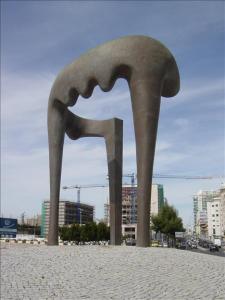
O símbolo do pelicano eucarístico, embora seja principalmente um símbolo católico é muito associado com Dom João II. A Estátua na sua homenagem provavelmente base-se nesta imagem
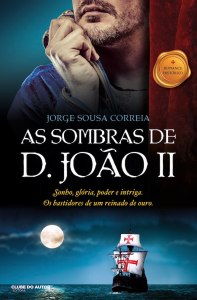
Dezenas de livros.

 Luso
Luso 