Posted in Portuguese

Winepunk

Acabo de ler um livro chamado Winepunk. Trata-se de uma compilação de contos de ficção cientifica baseados numa história alternativa de portugal. Nesta realidade imaginativa, a monarquia do norte (um movimento verídico que teve o seu inicio em 1919, depois da implantação da República Portuguesa) sobreviveu durante anos, ao contrario da monarquia histórica que foi esmagada dentro de umas semanas.

O título “Winepunk” tem origem na frase “Steampunk”, um género inglês de ficção cientifica com raízes no mundo da revolução industrial com máquinas alimentadas por carvão e vapor. Os autores brincam com várias espécies de geringonças tal como plantas vivas, robôs cuja* fonte de poder é plasma de uva e animais de estimação com ligações psíquicas aos seus donos. Não é cem por cento coerente porque cada autor tem a sua própria imaginação e o seu próprio estilo e às vezes, estes não têm semelhança o suficiente para concretizar um mundo literário no qual o leitor pode acreditar. Mas há contos divertidos. Acima de tudo, amei a contribuição do José Barreiros. Os dois do Rhys Hughes** também têm muito jeito. mas exemplificam bem a minha queixa com o projecto em si: os contos nem sequer mencionaram a monarquia de todo!

*Rookie mistake here. “Cuja” because it agrees with “fonte” not “robôs”

**Rhys Hughes é um escritor galês que mora em Lisboa. Ama portugal e já escreveu dois livros em português: “A História Universal de Infâmia” e “A Sereia de Curitiba”. Não tenho a certeza mas, pelo que sei, escreveu-os em português, e nem usou tradutor. Uma vez que tenho tentado escrever um conto em português, vejo este escritor como um herói e quero ser igual a ele.

Thanks to Natalia for the correction. There is some good stuff in english about this compliation on the Portuguese Sci-Fi Portal here and here, and you can see a decent review by a much better portuguese reviewer on youtube… um… I don’t think I’ll link directly but if you search for “aoutramafalda winepunk” or “books beers baby quarantena winepunk” you’ll find what you’re looking for.

Posted in English

Friends With Bem Feitas

I watched a YouTube video yesterday about the French language, which turns out to vê useful for Portuguese too. She was taking about the use of the phrase bien fait. It literally means “well done” but although it is sometimes used to mean that as part of a larger sentence, when it’s used in its own, it doesn’t carry the same significance as it would of an English person said “Well done”. In other words, if you see a French person makes a heroic effort, saves a kitten from drowning, say, getting soaked in the process, bien fait is not the phrase you need.

The reason is that they use it to mean “serves you right” or “you got what you deserved”, so our heroic kitten-rescuer in the previous paragraph would think you were mocking her or saying she deserved to suffer through dampness because of being so reckless as to try and save a kitten.

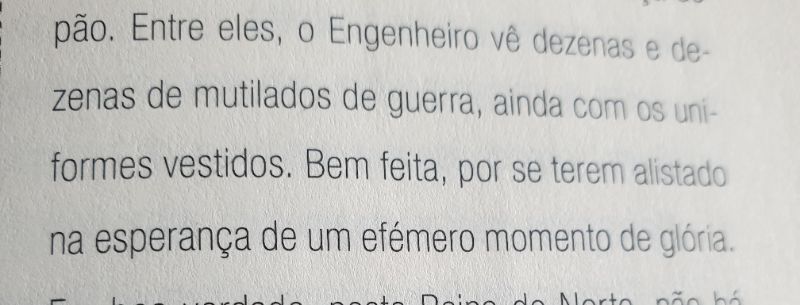
So this morning I was reading Winepunk (a sci-fi short story compilation based on an alternative history of the Monarquia do Norte in the early twentieth century) and I came across this passage

“Among them, the engineer sees scores of war-wounded, still in uniform. [Bem Feita] for signing up in the hope of an ephemeral moment of glory”

It’s pretty obvious from. The context that “bem feita” here means the same thing as bien fait: “It serves them right”. He thinks the war wounded deserved to be injured for signing up to the army in pursuit of glory.

Posted in English

How To Be Topp

Still battling on with Duolingo. The race to the top os pretty brutal though. I’ve been playing one-up with another learner for a few days but last night someone came out of nowhere notching up about a thousand pints in a day and going ahead of both of us by about 600. I’ve been trying to catch up all morning but I’ve got about 10 more exercises to go and my brain is broken.

Posted in Portuguese

As Prateleiras

Pensei em construir umas prateleiras para os vasos que temos cá na horta mas as lojas onde se vende madeira estão fechadas. Felizmente um javardo qualquer abandonou alguns móveis partidos, incluindo uma cama desfeita do lado de fora do clube de remar, ao pé da lixeira, portanto consegui roubar… Hum… Reciclar… algumas peças que achei que serviriam para o meu projecto.

Começámos por separar as lâminas. Alguém ajudou-me mas nem quer estar nas fotos… Depois, cortámos as pranchas em pedaços com uma serra e usámos pregos e parafusos para construir prateleiras à face de uma moldura.

Mas por que é que precisamos de colocar os vasos nas prateleiras? Boa pergunta!

É assim: no ano passado uma raposa escolheu a rede sobre o nosso canteiro de morangueiras como a cama preferida dela e cagou por todo o lado. NOJENTO!

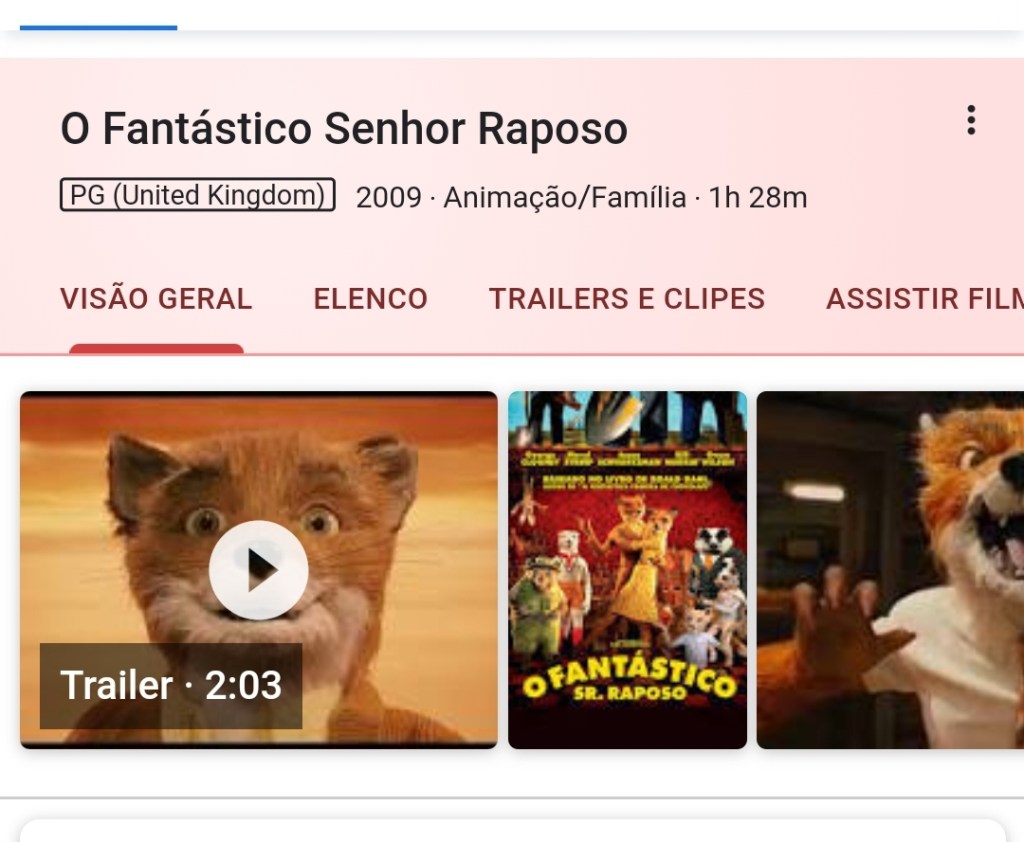
Mas neste ano, já chega. Lamento que tens que dormir e deixar cocô noutro lugar, Senhor Raposo.

[Original blurb: Interestingly, the guy who corrected this made as many mistakes as I did. He changed “onde se vende madeira” to “onde se vendem madeira” which is bollocks and “Senhor Raposa” to “Senhora Raposa”, perhaps assuming that all foxes are female just because the word raposa is feminine. Weird. Well, confusing gender with sex is a peculiarly twenty-first century affliction, I suppose.]

OK, OK, apparently what I should have done was change Raposa to Raposo to specify that it was a male fox. Actually, I have no idea, but I was picturing…

And when a native Portuguese teacher looked at it she found I’d made more mistakes than the Brazilian guy had found so it’s not true that he made as many mistakes as I had. I apologise to him and to all Brazilians for this terrible slander.

It’s interesting though: the word for fox is “raposa”. If you look at the Wikipedia article it doesnt even mention there being a male form of the word, and usually if there are two forms the male form takes precedence but I guess that isn’t always true and there must be animals ending in A who have less-known male forms too.

*googles*

Águio seems to exist but Google asks “Será que quis dizer: Águias“

Girafo goes straight through to girafa but there are a few references to Girafo from other languages (afrikaans?) and a Brazilian twitter account of that name too.

Tartarugo goes straight through to tartaruga (and, by the way, spellcheck wants to correct it to tartaruga when I write it too.

Ugh… My head hurts. Its early and I haven’t had coffee and I can’t deal with this shit now.

Posted in English

Quarantined in Babel

I seem to be doing a lot of language work since quarantine started. I’ll let you decide whether that’s a sign of how productive you can be while staying the fuck at home provided you also log the fuck off twitter, or a sign that I’m one of those people who insists on having a routine but that routine turns into an obsession. I’m getting up between 6 and 7 most days and running through some exercises on Duolingo before starting work. I’ve decided to start learning Scots Gaelic now, just because I fancied something a bit different and I’m from there. I’ve also been doing French to try and revive my dormant vocabulary, and that’s going quite well. The nipper is joining in with that one. I’ve even reversed my usual policy by having a crack at the Portuguese module: it’s mostly stuff I already know, even at the highest levels, but of course it corrects me when I write things in a European way and makes me write them in a Bolsonaro-approved stylee, which is exactly why I’ve always avoided it, but I feel like I’m at the stage now where I know the difference and won’t get muddled as a result. Oh but the accent though, fam. Valha-me Deus! Studying three languages simultaneously isn’t as confusing as I expected it to be. I’m finding my brain cam compartmentalise them fairly well.

Anyway, I might have got a bit competitive about it… I’ve lost and regained first place in my league 4 times today!

Oh and I’ve been learning the ukulele too. Classic case. LOOK AT ME I’VE GOT A ROUTINE!!! I’ll be taking up knitting next.

Posted in Portuguese

Lembram-se de Restaurantes?

Será que alguém no site se lembra “restaurantes”? Tenho saudades deles. Eram parecidos com a casa do meu avó, mas em vez de uma velha há uma equipa de pessoas vestidas de branco que cozinham os pratos e trazem-nos* para a mesa. Não se lembram? Bem, perguntam a alguém mais crescido.

Ontem, vi um vídeo antigo, gravado antes da quarentena, em que um “chefe de cozinha” (acho que este senhor era um género de super-herói ou padre) fez um Bacalhau à Brás. Infelizmente, como estava doente de um delírio, em vez de batatas, andava a usar outros ingredientes como abóbora, cenoura branca e carne de macaco.

*=interesting switch from imperfect to present here. “They WERE like my granny’s house but instead of an old lady there IS a team… that COOKS the dishes and BRINGS them” feels a bit wrong but the person who corrected this on italki was sure it was right.

Posted in Portuguese

A Vida de Paião

Carlos Paião foi um cantor e compositor português. Apesar de ser licenciado em medicina, Carlos Paião foi um cantor e compositor português. Apesar de ser licenciado em medicina, virou para música e teve grande êxito com esta nova carreira. Em 1981, venceu o RTP Festival de Canção com “Playback” que acabou por terminar em décimo-oitavo lugar no Festival Eurovision da Canção*. A sua composição mais conhecida é “Pó de Arroz” mas também escreveu músicas para Herman José (“A Canção do Beijinho“**) e Amália Rodrigues (“O Senhor Extra-Terrestre”) entre outros.

Faleceu em 1988 num acidente de trânsito quando dirigia para um concerto, mas as Faleceu em 1988 num acidente de trânsito quando dirigia para um concerto, mas as circunstâncias do seu morte foram polémicas porque não era claro quem deveria ser responsabilizado. Continuo a ser um artista influente após a sua morte.

*=A propósito, 1981 foi o último ano em que o Reino Unido ganhou o prémio (Bucks Fizz: “Faça a Tua Escolha”), se não conta 1997, ano em que o concurso foi ganhado por Katrina & the Waves (com “Amor, Acende Uma Luz”), uma banda que vem dum sitio que não pertence ao Império Britânico desde 1776

**=That’s what Rita Marrafa de Carvalho is singing in this clip.

Posted in Portuguese

Como Cultivar Abacates

Boa Noite, Xangai

Na época de pandemia, todos nós levamos um dia de cada vez, mas há quem goste de fazer projectos para não ficar preso num ciclo interminável de domingos.

O abacate é o fruto do abacateiro como toda a gente sabe. É nativo da América do Sul, mas é possível (com atenção e sorte) cultivá-los até na Europa do Norte. Como a maioria dos frutos, tem uma semente lá dentro. A semente é um caroço quase esférico. Arranja 3 paus tal como os palitos para os dentes e enfia-os através da casca do caroço: imagina que o topo (a região ligeiramente pontiaguda) é o Polo Norte, coloca-os um pouco acima do “equador”, equidistante, um dos outros. Ou seja, furar Los Angeles, Tripoli e Xangai.

Mataste os cidadãos todos? Boa. Depois, enche um frasco (tal como um frasco de compota) com água, e mete os palitos por cima do aro da jarra para que o Polo Sul fique mergulhado (cuidado pinguins!) no oceano de… pois, estiquei demasiado esta metáfora, não é?

Mete o frasco num sítio soalheiro. Mudar a água do frasco de vez em quando para não haver mofo no caroço. Mantém o fundo molhado e o topo seco. Após duas ou três semanas, irás ver raízes no fundo do caroço e algum tempo depois irão aparecer as folhas. Logo que a planta atinja 15 centímetros, passa-a para um pote com composto. Deixa o lado superior da semente visível e forneça-a com muita água e sol.