Posted in English

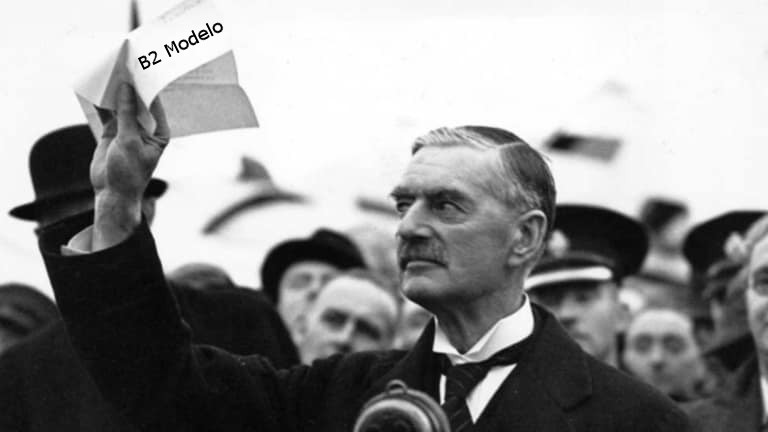
I Hold In My Hand A Piece Of Paper

I was asked if I have a copy of past exam papers. Sadly, no I don’t because I scribbled answers on them all during revision and then recycled them when I finished the exam. There are a few scattered around the web but it’s not always easy to find them because they could be on pages of any language, not just english or portuguese. Here are the ones I know about:

Firstly, straight from a boca do cavalo, there are samples of the three sections of the paper, including an audio file of the compreensão oral test on the University of Lisboa’s site (click on the name of the exam you want to take and scroll down to the “Exemplo do exame”) . The audio part is essential. As I’ve said in my descriptions of the tests in other blog posts, you definitely need to do some practice with this and figure out your strategy for reading the questions and answering them while listening in the very short time available. They play each one to you twice, but the amount of time for each one is pretty small, so it’s not the sort of thing you can just wing it through.

This site, Ensino Basico, has some dummy exam papers for levels A1, A2 and B1. They don’t look like official documents but they seem pretty realistic and they have sound files too, which is great.

This site has some different specimens of three of the four sections. The page is in italian but the papers themselves are in portuguese of course so it doesn’t matter. If you scroll down, there are three links in red. You can use ctrl+F to search for “interazione” if you want to go straight to it. No audio files, sadly.

Google also turns up a few if you are prepared to sift through the various results a bit.

This one from TELC is a pretty professional looking B1 test template. It’s not quite in the same format as the official exam but it has a similar level and some of the same exercises, at least. It feels a bit wrong that I can see it. I think these exam templates are supposed to be for sale, and I’m not sure if they even realise that this one is searchable via Google, but it is so take full advantage, I say.

This one purports to be a B1 test. It’s definitely not in the format used for the official CAPLE/DEPLE exams but it might be something extra if you need more practice.

If you want to take this to the next level, I’d advise getting one of the books of exam papers. Here’s the one that covers A2, B1 and B2, for example

You can get it online from Bertrand and download the audio files here by entering the ISBN number (9789897524622) and publisher (Lidel). Bertrand also sell a book of B2 test papers with an accompanying CD from the same company called Exames de Portugues B2, Preparacao e Modelos which might be useful if you are looking at intermediate level, but bear in mind that it covers several different flavours of B2 level test including DIPLE Escolar, which is the test given to school-age children, Celpe-Bras, the brazilian equivalent of DIPLE and half a dozen others I don’t even recognise. It’s not specific to the standard CAPLE test framework, in other words, so although it is quite chunky, it may not be as useful as it seems.

The hardest thing to simulate is the fourth part of the test, “produção e interação orais”. You should probably work with a portuguese language teacher if you’re not already, or at the very least ask a portuguese friend to grill you to develop your conversation skills. Think about how to talk about yourself, practice talking about your favourite aspect of portuguese culture – food, music, books, and practice just looking at photographs and thinking about how you would describe them if you had to. It isn’t as long or as scary as you think it’ll be but it’s definitely worth getting used to that environment.

Posted in English

Welcome Bookfacers

It’s nice to see a few people from Facebook reading my blog after I mentioned this post about my B1 exam on one of the portuguese language groups a couple of weeks back. Hello! I’ve been learning portuguese seriously for about 5 years from now and I would be really good at it if my brain wasn’t old and knackered. I live in London and my motivation for learning is that my wife is from Madeira and, although she speaks english better than most english people and all americans, it started to feel a bit pathetic that I wasn’t making the effort to break out of my anglophone bubble. I’ve been studying Scottish Gaelic and French during the lockdown too, But those are definitely just side-projects.

Most posts on here are just me doing my homework corrections online, and occasionally trying to grapple with things that I want to get my head around like awkward vocabulary, gender of nouns, tricksy grammar and subjunctives. I’m not claiming to be an authority on the language *at all* so don’t take this as gospel, but I’m glad people have found some of my posts useful.

If you’re a fellow-sufferer, say olá in the comments box.

Posted in English

Apology

I recently implied that Duolingo was not so bad, despite its Brazilian bias. I now realise, after reaching a 104-day streak in Gaelic and then having my account deleted and losing all my progress that it is a crap system produced by evil, evil people. I apologise for any confusion caused

Posted in Portuguese

Aparição – Opinião

Ontem, vi um filme português chamado “Aparição”, baseado num livro existencialista de Virgílio Ferreira. É um filme muito sério, com poucas gargalhadas mas a cinematografia é incrível e os actores estiveram bem. A história desenrola-se em Évora nos anos cinquenta. O protagonista é um professor de latim, recentemente licenciado. que também escreveu um livro. Sendo ateu, e vivendo nas sombras da segunda guerra mundial, os seus pensamentos pesam a condição humana numa época no qual a morte, o amor, a moralidade e o significado da vida estão em causa.

There’s a better description of the story and a programme about it on the RTP site here

Posted in English

Audiobooks

One of the nice side-effects of exploring e-readers has been that I’ve come across a couple of proper portuguese audiobooks. I’ve had the most luck on Kobo but even that’s pretty hard to navigate, primarily because even when I tell it portuguese is my preferred language it insists on showing me english language titles and I don’t seem to be able to do anything as basic as search by language.

Anyway, I’ve come across Margarida Espantada which I’m reading now in conjunction with an ebiook version and Perguntem Sarah Gross, which has a good reputation. Naff all by Afonso Cruz, Joao Tordo, Nuno Nepomuceno, Ricardo Araujo Pereira – people who seem pretty mainstream, really. Still, though, it’s a good sign and I’m hoping to see more in the future.

Posted in English

How I Learned to Stop Worrying And Love Kindle

I’ve already mentioned that I’ve finally got over my distrust of Duolingo during the lockdown, but I’ve also found myself feeling well disposed to the kindle app on my phone. Specifically, because of the built-in dictionary. This is incredibly handy…

Proper books are still better though. So there.

Posted in Portuguese

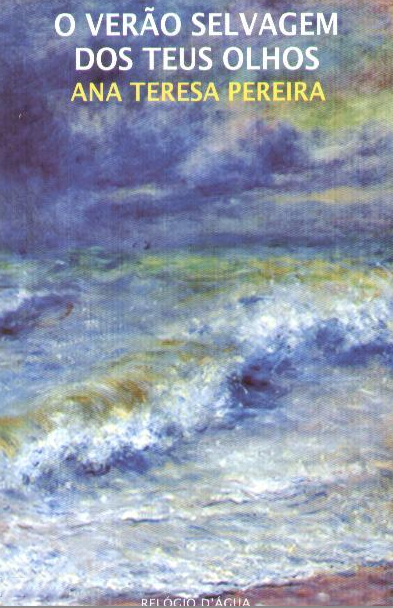
O Verão Selvagem Dos Teus Olhos (Ana Maria Pereira)

Este livro é uma tentativa de a autora recontar a história “Rebecca” de Daphne Du Maurier e, sem dúvida, a sua escrita recriou a atmosfera do livro muito bem. Os personagens, os locais, os temas tudo parecem muito fiéis ao original mesmo que tenha lido os dois em línguas diferentes.

Pois, está bem escrito mas será que foi necessário escrever uma outra versão de Rebecca? Aquele livro é uma obsessão para muitos, um dos livros mais amados de sempre, é quase perfeito na sua construção. Só uma autora corajosa é que ousaria reescrevê-lo. A Ana Teresa Pereira mostra melhor a personagem da mulher morta e conta a sua história antes do casamento e durante a sua vida em Manderley. Noutros capítulos, o seu fantasma descreve os acontecimentos do livro original do ponto de vista dela. Para mim isto não funciona tão bem. No livro original Rebecca é uma presença nas sombras da casa e nas memórias dos outros personagens, mas nunca se manifesta literalmente como um espírito. Teria sido demais, e acho que não precisamos disto: Rebecca é mais forte quando está menos visível.

Mas não me quero queixar. Apesar desta critica, gostei do livro. Serve para quem quer revisitar o mundo da Rebecca sem reler o mesmo livro. Lê-se bem e agarrou-me do início até ao final.

Corrected version – thanks Fernanda, Filipe and Rafaela

My favourite correction is where I’ve tried to write

It’s a brave author who would dare to rewrite it.

which I have rendered as

É uma autora corajosa que ousaria reescrevê-lo.

But it’s better as

uma autora corajosa é que ousaria reescrevê-lo.

I’ve seen this way of giving emphasis before but never really thought about how to apply it

Posted in Portuguese

A Língua Portuguesa – Fernando Pessoa

Thoughts on “A Língua Portuguesa”, writings by Fernando Pessoa edited by Luísa Medeiros (Bertrand / Amazon)

Fiquei interessado por ter encontrado este livro na livraria Foyles e tive muito curiosidade pelos pensamentos deste grande poeta (ou seja convocação de poetas) sobre o seu próprio idioma. E não fiquei desiludido. Se não me engano, o livro consiste em fragmentos que nunca fizeram parte de um livro coerente na mente do autor, mas um tema é evidente. Está claro que o seu modo de pensamento estava num universo diferente do que o meu. Antes de mais, escreveu na língua falada como forma mais natural da língua, enquanto a língua escrita era meramente cultural cujo propósito, quanto importante que seja, era servir “o fenómeno natural” de comunicação oral.

Daí fora, seguem-se vários discursos sobre a ortografia e a etimologia da língua. Pessoa valoriza a língua e compara-a com outras línguas europeias. Via a língua como algo vivo, portanto línguas artificiais tal como esperanto nunca poderão suplantar línguas que têm a sua base num povo. Além disso, e por igual raciocínio, mesmo que criticasse a ortografia portuguesa, rejeitou a reforma ortográfica de 1911 assim: “A ortografia é um fenómeno da cultura, e portanto um fenómeno espiritual. O Estado nada tem com o espírito. O Estado não tem direito a compelir-me, em matéria estranha ao Estado, a escrever numa ortografia que repugno, como não tem direito a impor-me uma religião que não aceito.” Isto é um sentimento que muitas pessoas de hoje partilham. Eu, como falador de uma outra língua de ortografia aleatória, simpatizo.