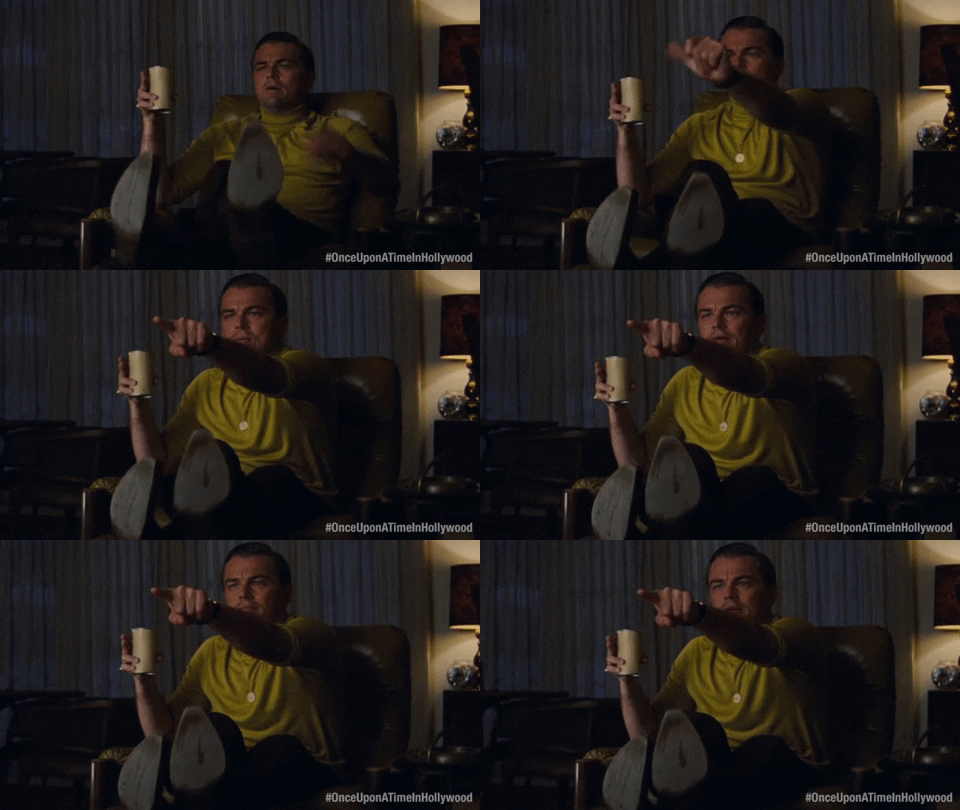
Vi este filme de Quentin Tarantino hoje à tarde enquanto a aplicação que estava a utilizar no meu trabalho pulverizava os arquivos e borrifava-os dentro da base de dados.
Tarantino não é a praia de toda a gente* mas o filme é muito bom. É simultaneamente uma homenagem de Era Dourada** de Hollywood e um reconto ficcionalizado dos eventos de Agosto 1969, quando a “família” de Charles Manson assassinou Sharom Tate e alguns amigos dela.
Look, look, another blog post
* You don’t say “he’s not everyone’s cup of tea” (chave a de chá) you say “he’s not everyone’s beach” (praia)
** It’s era dourada for a golden age, but Idade do Ferro for the iron age. Yes, the capitalization matters.
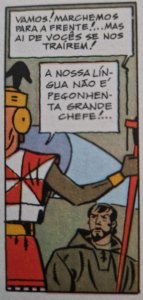
There are a couple of interesting bits in this little “quadrinho” from the graphic novel I’m currently ploughing through. Both the speakers are members of lost races. The chap who looks like a monk is actually a villain and some sort of Prince in the lost continent of Atlantis, while the fella who looks like some sort of inca is a member of some sort of barbarian tribe on the border of Atlantis, but still under the ocean.
Monk-looking guy: Let’s go. Let’s walk on, but woe betide you if you betray is.
Inca-looking dude: Our tongue isn’t poisonous, big chief.
“Aí de você” is obviously some sort of set expression. The main place I can find it is in the gospel of Matthew chapter 11, verse 21, where it’s used in place of the English “woe to you” (that’s a pretty universal translation in the ESV, KJV and NIV). I’ve translated it as “Woe betide you” which is even more archaic but I had a primary school teacher called Mrs Watson who used to say “woe betide you if…” (insert misdemeanor here).
And given the general missionary/indian vibe of the costumes (even though that’s not who they are meant to be) I thought “Língua Peçonhenta” would be something stereotypical like “forked tongue” and I wasn’t far off, but it’s “poisonous tongue”. I would have expected “língua venenosa”, since that’s the usual adjective you’d expect. Good word though!
Sendo um leitor ávido*, subscrevo a vários canais que pertencem às editoras portuguesas nas redes sociais. Há editoras que fazem capas incríveis. Adoro as capas da Tinta de China e da Relógio d’Água. Mas além dessas, vejo muitas capas de livros ingleses que têm melhor aspeto na versão traduzida.
*My only mistake in this was leaving out an adjective, and, it sounds “um pouco coxa” – literally “a bit lame” – without one.
I recorded my first YouTube video in ages as a way of challenging myself to talk more. Its about O Ano Sabático and it’s not terrible but there are a lot of hesitations and I’ve made some weird word choices in a few places: “aqui” in place of “agora” is particularly egregious. Watching myself like this let’s me see what I really sound like and gives me a way of seeing what I’m doing wrong.
Eu e a minha filha vamos a pé para o centro de Londres amanhã. Há uma ligação por comboio mas preferimos levar “o pónei de Shanks” (Shanks’s pony = as nossas pernas) como dizemos em Inglaterra.
I love a story with a happy ending
2
Deixámos mais de 30 mil pegadas ao longo do caminho que segue o rio Tamisa. Chegámos na livraria à tarde e voltámos para casa com as malas cheias de livros.
I mentioned glasses in the last post and specifically the “ponteira”, which is the part that loops round the back of the ear. Like a lot of objects, even if you know what the thing itself is called, we don’t often learn the names of the parts. I’ve done bikes and hands before, but this seems like a good excuse to do the same for specs. Specs usually consist of a frame (armação) and lenses (lentes)
You can see a diagram of a pair of glasses and all the little bits and pieces on this (brazilian) optician’s Website, and the vocabulary breaks down like this:
Lente = lens
Aro = the front parts of the frame – the bit that actually holds the lenses. Other uses of this word, not specific to glasses include things like “rim”, “hoop” and “collar”
Haste = arm or spoke – the bit that hugs your face, basically
Armação – the whole of the frame, Aro, Haste and all
Ponteira = earpiece
Ponte = the bridge that links the two halves of the frame above the nose
Plaquetas = the plastic pads that sit on your nose
Charneira = hinge, aka “dobradiça”.
Mola = spring, might be included in the hinge to make it more flexible
O livro que estou a ler foi escrito por um belga. Pesquisei o seu nome e encontrei muitas imagens dele a chupar as ponteiras dos seus óculos . Este comportamento parece-me muito insólito. Não têm sabor nenhum; permanecem atrás das orelhas que é um lugar pouco limpo; ele não faria a mesma coisa com, por exemplo, um relógio de pulso ou um pente. Porque é que alguém acha esta postura transmite um ar pensativo? Isso é mais um mistério da vida.
I’m really chuffed to see there are a few more audiobooks in Bertrand’s audio collection including their first by José Saramago. It’s A Viúva (The widow) which I think it was his first novel and although it’s not his most famous, here’s hoping it’ll be the first of many audio versions to come.
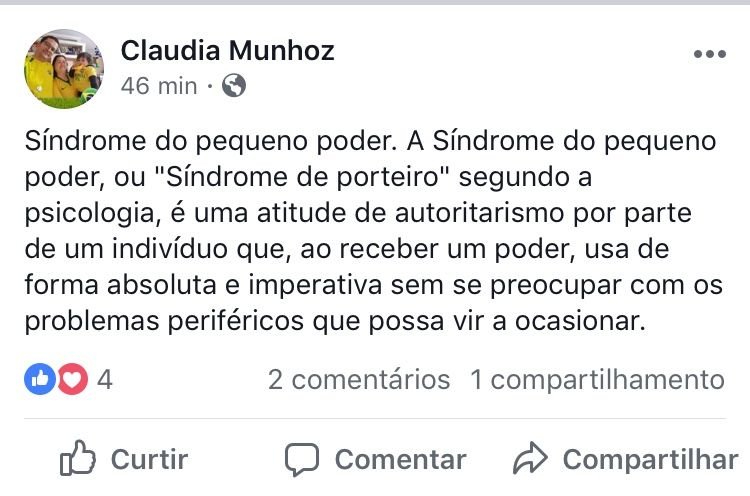
The concept of a Jobsworth just came up in a conversation I was having in english/portuguese. I guess more British people, especially older brits, will know the word but for the benefit of anyone else, it’s basically an annoying petty official who acts as an obstacle due to excessive adherence to pointless rules. It was a very common trope in the 70s and 80s.
Anyway, while I was looking it up, I noticed some images showing portuguese definitions of similar concepts:
It sounds like it’s basically identical, according to this description, but if you search for “Síndrome de Porteiro” on twitter you see a slightly different trend in how it’s used day-to-day. It seems like the most common usags is when someone will only say bom dia, boa tarde or boa noite and won’t participate in any further smalltalk. OK, i can see that. And of course I can see there are a few populist types accusing journalists of having the syndrome if they dare to report something that contradicts their worldview. It’s definitely the same kind of idea but i think it has a slightly different tone.
I also saw a few people using “Síndrome de Porteiro de Wakanda”. It’s not totally clear what they mean by this. I looked at lots of examples but couldn’t quite work out what they were driving at. In one case it was about a Moroccan being described as white by a black woman, in another about white people arguing over Kamala Harris’s ethnic status and in others complaining about light skinned Latinos. So… Something to do with exaggerating or being very particular about someone’s ethnicity??? The nuance here is pretty hard to parse, especially since there’s obviously a lot of sarcasm in play. I don’t think it’s an expression I’m ever going to need to use though so maybe it doesn’t matter, but I like to think about these things in the hope of getting a sense of how phrases are used in the real world.
essa síndrome de porteiro de wakanda dos norte americanos kkkkkkk… é para dar boas e altas RISADAS https://t.co/1sO2YEbNuW
Incidentally, m’wife says Síndrome should be written as Sindroma but that seems to be out of date information because they both exist and the first spelling seems to be favoured by priberam. I don’t see any evidence that the AO is in play so it might just have changed over time due to shifting fashions.
“O Mar de Gelo” conta a história dum casal boémio que mora numa cave em Londres. Clive é um dramaturgo que começa todas as peças bem mas a quem falta a paciência para concluir a obra da* mesma maneira. Katie é uma atriz igualmente mal sucedida.
Durante uma época de escasso emprego, os dois fazem um plano de que Katie passará o Inverno com um escritor que ela conhece. É mais conhecido e mais rico mas ao que parece não se lembra dela de todo. Ela arranja uma série de encontros “inesperados” para renovar o seu conhecimento e acaba por passar algum tempo no seu castelo arruinado.
Senti-me sem ligação nenhuma aos protagonistas e ainda por cima não achei que houvesse química nenhuma entre eles. Citam frases literárias um ao outro, mas será que Clive ama Katie? Sei lá. Katie ama Tom? Estou a encolher os ombros. A única combinação que a autora não experimenta é Tom x Clive. Talvez isso seja a grande paixão escondida neste livro. Toma nota, Ana, se pensares em escrever uma sequela.
*Surprising prepositions #8,912 – He lacks the patience to conclude the book of the same way, not in the same way. This is like the example on yesterday’s text so I should probably try and practise this one.