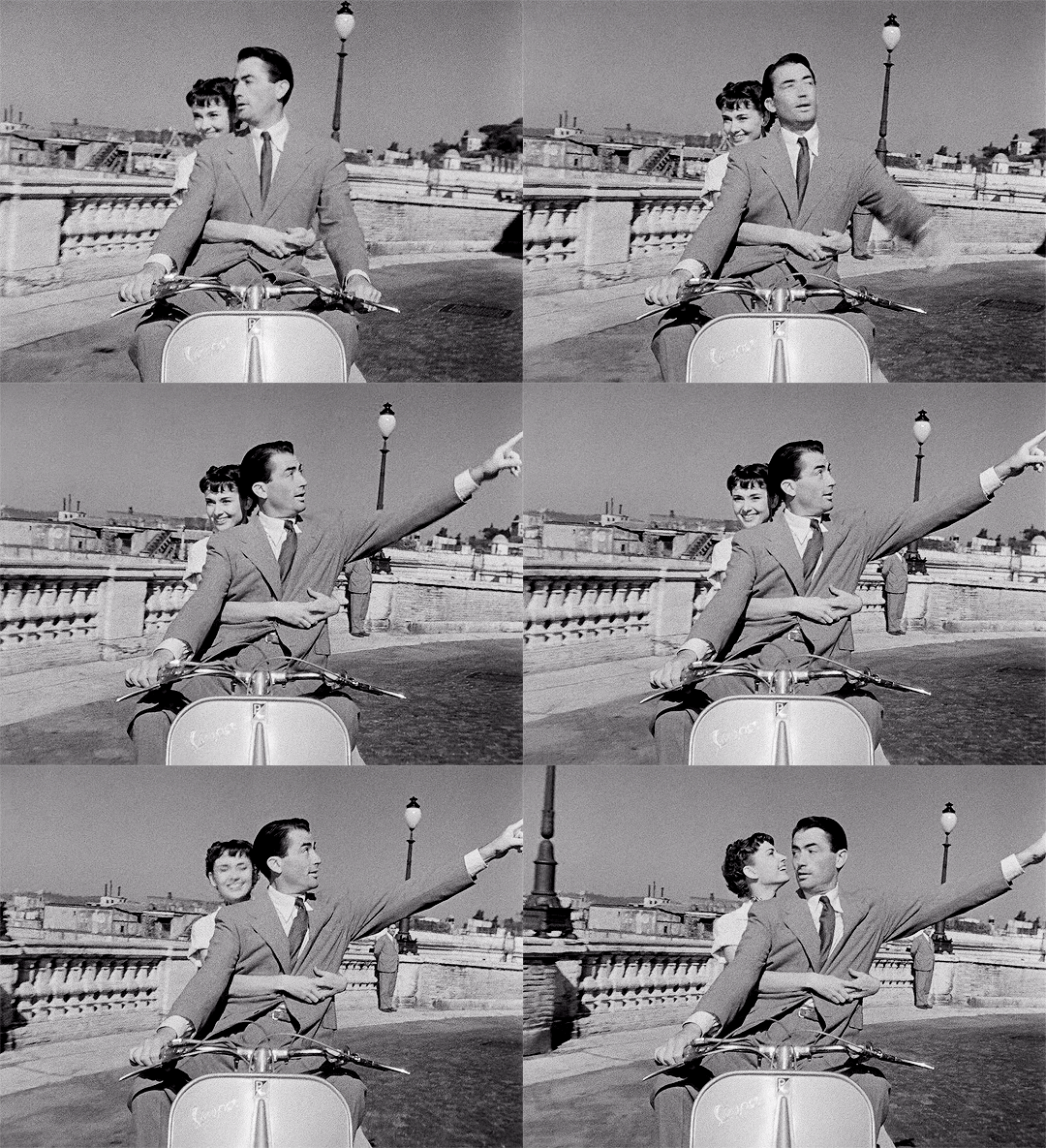
This advert is a truly magnificent example of casual boardroom sexism. Imagine being a woman working in the office at the ad department that came up with this thing!
Oh well, as usual, it’s something we can learn from. In this case, about words used for punctuation, so…
Rewriting a text with corrections from a Produção e Interação Escrita section of the exam. Just like yesterday I’ll probably drop some clangers in typing it but it should help understand the errors I made in the original timed run-through.
The theme was something like “A tourist is someone who buys a return ticket, a traveller is someone who buys a one way ticket – Discuss” but I’ve lost the paper now.
Existe um grão de verdade nesta situação. Pensamos em turistas como os que vão de férias. Compram bilhetes de ida e volt porque pretendem ficar no estrangeiro durante uma semana ou duas. Depois voltam ao seu dia-e-dia sem pensar mais exceto quando veem as “curtidas*” no seu Instagram ou qualquer outra rede que seja. Um viajante, por outro lado, viaja sem saber quando voltará a ver a sua casinha.
Mas na minha opinião está diabisao e demasiado simplificada. Turismo tem mais a ver com a pessoa que está a viajar e menos com o bilhete no seu telemóvel. Um turista quer que os lugares adaptam-se à sua conveniência. Não prestam até aço à cultura, a não ser que fique bem no pano de fundo das suas fotografias. Mas este jeito é comum nos turistas de ida sem volta.
As redes sociais fornecem milhares de imagens de “viajantes” a tirar selfies perto de uma catarata ou uma estátua qualquer. Mas o viajante é que é o foco destas imagens. Não respeitam os lugares onde aparecem.
Hoje em dia, geralmente chamamos está gente “influenciadores” mesmo a que a influência que tem no mundo é negativa! Atraem mais turistas aos sítios desconhecidos e é breve, ficam sibrelotados.
Elossivek viajar com os olhos e o coração abertos durante um fim-de’semana, e é possível viver como turista durante um ano (se for rico!)
Afinal, o que conta não é o bilhete mas sim o respeito.
Tourists are in black and white, travelers in colour.
* Should probably be “gostos” or “likes” because “curtidas” is Brazilian, but the Internet afflicts these things on us and if we have to put up with it from the yanks, the portuguese should share our pain.
Formal letter – I’m rewriting this with some pointers. This text will probably still have a few errors in it because I’m typing it on a phone from terrible handwriting and referring to someone’s else’s notes at the same time. I hope it won’t be too terrible though, and the somos to make me think about the mistakes, so if there are a few typos, well, tanto faz.
Exmo Senhor
Venho por este meio pedir a sua atenção urgente no assunto do estado dos prédios na minha rua.
Quando eu e a minha família* mudámos de casa para este bairro, or prédios tinham paredes e portas de cores harmoniosas**. Ao longo dos anos, perderam a sua beleza. Ficámos envergonhados qia do convidámos os nossos amigos para jantar connosco em casa onde estamos rodeados por um amontoado de riscos, assinaturas e desenhos multicolores. Onde havia azulejos, hoje encontramos um quadrado vazio onde os azulejos desapereceram.
Considero isto um flagelo e um atentado à propriedade privada. Falamos com os nossos vizinhos que concordam, quase todos.
Por isso, encontrar-se anexado a esta carta uma lista de assinaturas. Todos nós pedimos que estabeleça uma sistema de segurança. Quer consistia em câmaras de vigilância, ou de agentes de segurança privada, as facínoras*** que cometem estes atos de vandalismo devem saber que não vamos tolerar seu comportamento.
Tendo estabelecido lei e ordem, mande uma equipa de empregados para pintar os prédios, encher os vazios e concertar as vidraças.
Para além disso, pedimos uma devolução dos custos do manutenção porque parece-nos que não foram bem gastos os últimos anos.
Sem outro assunto e agradecendo antecipadamente a sua atenção, subscrevo-me****
Colin
xxx
* This is a pretty bad start, actually, because the letter I’m supposed to be writing is meant to be on behalf of a residents group and I am whiffling on about my family here and don’t even remember to mention the group till much later because I hadn’t noticed that bit. Oh well… Never mind, but note to self: read the bloody question first, not half way through!
**Not a word I use often but I used Mr Bennett’s top tips and recycled a lot of words from the questions here and I’m the following paragraph.
***Bit of a strong word, this, but I was channeling Mel Smith’s energy from this sketch.
**** The opener and closer are off-the-shelf phrases to use in formal letter but there’s nothing to tell you how many kisses to put at the end so I’ve just guessed.
Corrected letter from a C1 DAPLE exam paper. It’s a letter to the president of the local council about CCTV cameras being used to combat graffiti. The argument I’m making is sort of stupid, but there are no ponta for being right. Oh and my handwriting is shit so she might not have caught all the mistakes so… You know… Caveat emotor and all that!
Exma Senhora Presidente
Venho por este meio explicar a minha opinião sobre a recente decisão de autorizar câmaras de vigilância no centro comercial.
Embora entenda as razões dadas para apoiar a decisão, parece-me improvável que este método sega o mais eficaz.
Antes de mais um estudo feito pela universidade de Londres em 2017* demonstrou que a taxa de sucesso é muito baixa. A maioria dos jovens participantes na cultura de graffiti usam ou capuzes ou bonés. Muitas vezes usam ambos. Além disso, os crimes** têm lugar durante a noite. Claro que estas circunstâncias juntas resultam em poucos criminosos presos.
Por isso tudo, as câmaras não representam um bom investimento***. Seriam um desperdício dos nossos impostos! Antes, sugiro um aumento do número de agentes de polícia ou, se não for possível, agentes de segurança privados****. Se bem que está alternativa sega mais cara, é mais eficaz. Ainda por cima, a população da nossa cidade sentir-se-ia mais segura se houvesse pessoas reais ao seu redor à procura de criminosos, de qualquer tipo, não só artistas de graffiti.
Com os melhores cumprimentos
Colin Lusk
* Nota do autor que não faz parte da carta: claro que este estudo não existe, mas se este carte fosse verdadeira, eu teria feito uma pesquisa adequada à situação
**The marker said this was a bit strong, but I’m middle aged and crime is crime and they should string ’em up by their goolies.
***I originally said they represented “bom valor” but that doesn’t seem to be a thing.
****I think my natural instinct is to make “privada” concordant with “segurança” but it seems to be the agents who are private, not the security.
Another corrected(ish) text from the DAPLE paper. It was about whether the planet would be better of without humans or whether humans were the saviours of earth.
Esta pergunta apresenta duas opções: ou o ser humano é o Salvador da Terra ou é uma praga, um vírus que adoentado este planeta bonito. Neste texto, quero afirmar que não somos nem salvadores nem destruidores.
A raça humana faz parte da vida do planeta. Somos mamíferos com cérebros bem desenvolvidos e polegares oponíveis. Inventámos sim, plásticos, mas também inventámos poesia. Aumentamos (e pelos vistos vamos aumentando) a concentração de óxido de carbono na atmosfera mas também aumentamos cada dia mais o número de músicas incríveis. Fazemos guerra mas também criamos curas para cancro, vacinas e novos métodos de salvar vidas, tanto as de animais quanto as dos nossos irmãos humanos.
E se, um dia, os macacos que usam roupas morreram todos, os outros animais continuaram vivos. Os linces ibéricos não, mas os ratos, os insetos e os pássaros. Novas formas de vida evoluirão ao longo dos séculos e, quem sabe, daqui a milhões de anos, uma delas pode inventar veículos que utilizam combustível feito dos nossos ossos assim como fizemos aos dinossauros.
Hm, i think I maybe my joke misfired at the end there. I was trying to say that, like the dinosaurs, our biomass would turn into fossil fuel and be used as fuel in cars used by some future form of life. But the corrector changed “feito” to “feitos” to agree with “veículos” so I guess she though the vehicles would be made of bones. Hm… This is one of the problems of jokes isn’t it. I often want to make little surreal asides that amuse me, but people often read it, don’t understand that I’m joking and think I’ve just had some terrible linguistic confusion. Maybe best avoided in an exam context.
I did the compreensão da leitura test from the DAPLE (C1) exam yesterday. It’s the one available on the Universidade de Lisboa site at the bottom of the course description here. I did pretty well on most of it but the wheels really came off on the last exercise so I’m going through the answers and trying to work out why it is the way it is.
Complete o texto com as palavras que faltam nos espaços 1-20. A cada espaço corresponde apenas uma palavra. Escreva as palavras na folha de respostas.
André Nave, Diogo Madeira e Bruno Nunes são três amigos que lançaram em novembro passado um sítio na Internet [1] podemos conhecer sugestões diversas sobre a cidade de Lisboa.
O sítio, chamado Onde Lisboa, [2] recordes de popularidade. A ideia surgiu quando os três amigos [3] a necessidade de criar um espaço virtual onde os estudantes, os residentes e os turistas pudessem encontrar informação que não [4] dos guias turísticos, por exemplo a questão do estacionamento gratuito.
O sítio dispõe de um separador [5] exclusivamente aos estudantes. Desde locais para fazer impressões à lista de cantinas [6], os estudantes conseguem aceder a um conjunto de informações úteis em qualquer situação. [7] além disso, há um espaço dedicado ao desporto, à cultura e ao comércio.
O André e o Diogo fazem pesquisa de campo, sendo responsáveis pela [8] de informação e de fotografias que ilustram os artigos. Acabam [9] envolver os amigos nesse processo e estão sempre disponíveis para aceitar sugestões de [10] visita o sítio. Bruno Nunes diz que é comum encontrar espaços que não se [11] referenciados na Internet.
Nesses casos, o Onde Lisboa passa a [12] uma referência na divulgação desses espaços. À [13] que os proprietários do sítio vão fazendo pesquisas, vão descobrindo [14] vez mais coisas e aí constroem novos conteúdos.
O projeto está em permanente autoavaliação e os três amigos não sabem, ainda, [15] proporções o projeto poderá atingir. [16] que vamos ter, em breve, um Onde Porto ou um Onde Coimbra? O tempo o [17].
Para já, Bruno, Diogo e André, os três mentores desta ideia já considerada genial, [18] as suas atividades profissionais com este projeto. Não têm uma ambição desmedida para o projeto e preferem que ele [19] crescendo aos poucos. Afinal, Roma e Pavia não se fizeram num dia. E é melhor [20] pelo seguro, para não dar razão ao ditado popular “quem tudo quer tudo perde”.
“Onde” or “Em que” are given as answers, but since the instructions say only one word per space, I am declaring the second one bullshit and the correct answer is Onde
Bateu. It beat the record. Embarrassingly, I got the point of the sentence wrong and thought “recordes de popularidade” was the actual content of the site so I wrote “contem”. This was moronic and I like to think if I’d gone back and checked my answers I’d have spotted the idiocy, but I didn’t
viram/identificaram. Straightforward enough
consta. This word constar has a few different meanings here but I think the relevant one is “to be written in”. Note that it’s folled by “de” and not “em” though. I stuggled to think of a single word that fit here and ended up writing “veio” – the information didn’t came from, the tourist sites. Nope.
dedicado. I wrote “reservado” which isn’t a million miles away but it’s not right
disponíveis. I wrote “baratas” but there’s no need to assume they’re only talking about value for money of course. A lot of people like to travelin luxury.
Para. For some reason, madness seized me and I wrote “por”. Ugh.
atualização. I said “escolha” – the choice of information. Hm… I don’t think this is a terrible answer, but atualização (“update”) definitely sounds better
por. Acabar por means “to end up doing…” so this makes sense
quem. This is a relative pronoun referring to person so it makes sense too
encontram. I didn’t notice the “se” and wrote “for”. Lack of attention there. Always read the question carefully!
ser. Passar a ser means it comes to be, so this makes sense
medida. “À medida que” makes a lot of sense – it means something like “to the extent that…”. For some reason, I blanked and ended up writing “proposita” instead. Wild guess, and it doesn’t even make sense because the a wouldn’t have an accent on it if it was “a propósito” (“By the way”)
cada. Cada vez mais means “increasingly” or “more and more” so this makes sense
que. I wrote “quantas” for reasons which seemed to make sense at the time
Será. “Será que” is a sort of impactful way of leading into questions where you’re maybe a little skeptical or want to build up some expectation.
dirá. the expression is obviously equivalent to “time will tell”, but I used “contar” which is used for telling a story and it should be dizer: O tempo o dirá”. Time will say it!
conciliam. This verb can mean conciliate, and something like “synchronise”, but I think the sense it means here is “combine elements that are apparently divergent or incompatble” according to Priberam.
vá. I wrote Anda, which is on the right lines. According to this Ciberdúvidas page, andar+gerundio is valid (it’s example 5 on the page) but ir+gerundio has more examples and it explains that teh ir+ version is more like a slow development over time, where as andar+ was more like a repetitive action, so that must be ahy anda wasn’t the correct answer
jogar. Jogar pelo seguro: play it safe! Should have guessed that one, although I’d never seen it before.
I saw this in the same compilation as yesterday’s. The style is a bit lighter. The singers are Fernando Maurício (left) and Francisco Martinho (right). For me, the best thing is the staring match between the guy on the portuguese guitar and the guy on the vanilla guitar. Neither of those lads is backing down.
The song seems to date from the thirties or forties, when a song with a similar name – A Casa da Mariquinhas – was written by João Silva Tavares and sung by Alfredo Marceneiro. It tells the story of a house with shutters on the windows, which we are meant to understand is a brothel, and it was so popular it inspired a whole lot of similar songs about whorehouses. This is one, and it talks about the auction held after the closure of the house. Oh no! So I’ve listened to the sequel without hearing the original!
There’s a lot more background on this page if you want to know more.
Portuguese
English
Ninguém sabe dizer nada Da formosa Mariquinhas* A casa foi leiloada Venderam-lhe as tabuinhas
Nobody knew how to say anything About the beautiful Mariquinhas The house was auctioned They even sold the shutters
Ainda fresca e com gajé Encontrei na Mouraria A antiga Rosa Maria E o Chico do Cachené Fui-lhes falar, já se vê E perguntei-lhes de entrada Pela Mariquinhas, coitada
Still cool and with swagger I met in the Mouraria Old lady Rosa Maria And Chico do Cachené I went to speak to them, as you see And asked them right away About poor Mariquinhas
Respondeu-me o Chico: E vê-la? Tenho querido saber dela Ninguém sabe dizer nada As outras suas amigas A Clotilde, a Júlia, a Alda A Inês, a Berta, a Mafalda E as outras mais raparigas Aprendiam-lhe as cantigas As mais ternas, coitadinhas Formosas como andorinhas Olhos e peitos em brasa Que pena tenho da casa Da formosa Mariquinhas!
And Chico replied: And to see her? I was wanting to know about her Nobody knew how to say anything Her other friends Clotilde, Júlia, Alda Inês, Berta, Mafalda And some other girls They learned her songs The most tender ones, poor things Beautiful as swallows Eyes like black coals I feel such pity for the house Of beautiful Mariquinhas
Então o Chico apertado Com perguntas, explicou-se A vizinhança zangou-se Fez um abaixo-assinado Diziam que havia fado Ali, até madrugada E a pobre foi intimada A sair; foi posta fora E por mor duma penhora A casa foi leiloada
Then Chico, eager To ask questions, explained The neighbourhood got angry And started a petition They said there was fado There until the small hours And the poor woman was summoned To leave; she was put out And for the sake of a foreclosure The house was auctioned
O Chico fora ao leilão Arrematou a guitarra O espelho, a colcha com barra O cofre-forte e o fogão
Chico, outside the auction Bid for the guitar The mirror, the striped duvet The safe and the stove
Como não houve cambão Porque eram coisas mesquinhas Trouxe um par de chinelinhas O alvará e as bambinelas E até das próprias janelas Venderam-lhe as tabuinhas
Since there was no change because they’re trivial things He took a pair of slippers The license and the awning And from the windows themselves They sold him the shutters
Mariquinhas seems to be a woman’s name here, but generally speaking mariquinhas is a diminutive of maricas, meaning sissy or effeminate, so probably to be used with care.
I saw this one in a compilation video and I’d never heard of the fadista but I thought it would make a good transation. And holy shit it’s heavy! Not the music, obviously, but the sentiment is raw and real. I don’t think it would even make sense sung by anyone younger than she is. It’s emo music for the older generation.
Portuguese
English
Volta atrás vida vivida Para eu tornar a ver Aquela vida perdida Que nunca soube viver
Come back, life lived So I’ll see again That lost life I never knew how to live
Voltar de novo quem dera A tal tempo, que saudade Volta sempre a primavera Só não volta a mocidade
If only I could go back again, to such a time, what sadness Spring always returns Just not youth
A vida começa cedo Mas assim que ela começa Começamos por ter medo Que ela se acabe depressa
Life starts early But as soon as it starts We start fearing That it will end soon
O tempo vai-se passando E a gente vai-se iludindo Ora rindo ora chorando Ora chorando ora rindo
Time keeps passing People keep deceiving themselves Either laughing or crying Either crying or laughing
Meu deus, como o tempo passa Dizemos de quando em quando Afinal, o tempo fica A gente é que vai passando
My god, how time passes We say, from time to time But really, time stays It’s the people who pass by
Another text that hasn’t been proofread #UNCORRECTEDPORTUGUESEKLAXON
Hello, ladies!
Este senhor, Tristão Vaz Teixeira, também conhecido por Tristão das Damas, aparece em pacotes de açúcar na Madeira. Ao ver o nome dele, assumi que haveria uma outra explicação pelo apelido. Por exemplo, uma dama é uma peça num jogo. “Talvez”, pensei, “os cabeços de amarração, que parecem estas peças, também sejam chamados por damas, e este homem era um capitão dum nave ” Mas enganei-me, ele era um poeta madeirense cortês, que fez vários motes a mulheres e por isso ficou conhecido por esse apelido. Contudo, o seu pai, Tristão Teixeira era navegador mesmo, portanto, eu não era assim tão longe da verdade!
The lyrics of this one remind me of X-Ray Spex: the idea that consumer society means everything – and everybody – is plastic and disposable. I can’t say I enjoyed it as much as X-Ray Spex, unfortunately, but each to their own. Chiclete is one of those annoying words that’s feminine in European Portuguese and masculine in Brazilian Portuguese. I think “Pastilha Elástica” is a more common way of describing chewing gum, but I guess it doesn’t sound as good in the song, so here we are!
Portuguese
English
E como tudo o que é coisa que promete A gente vê como uma chiclete Que se prova, mastiga e deita fora, sem demora Como esta música é produto acabado Da sociedade de consumo imediato Como tudo o que se promete nesta vida, chiclete
And like everything promising We see it like a chiclet That can be tasted, chewed and thrown away without delay Like this song is a finished product Of a consumer society Like everything promising in this life, chiclet
E nesta altura e com muita inquietação Faço um reparo e quero abrir uma excepção Um casse-tete* nunca será não, chiclete Pra que tudo continue sem parar Fundamental levar a vida a dançar Nesta vida que tanto promete, chiclete
And right now, and with a lot of agitation I make a correction and I want to make an exception It will never be a puzzle, chiclet So that everything continues without stopping It’s essential to go through life dancing In this life that promises so much, chiclet
E como tudo o que é coisa que promete A gente vê como uma chiclete Que se prova, mastiga e deita fora, sem demora Como esta música é produto acabado Da sociedade de consumo imediato Como tudo o que se promete nesta vida, chiclete
And like everything promising We see it as a chiclet That can be tasted, chewed and thrown away without delay Like this song is a finished product Of a consumer society Like everything promising in this life, chiclet