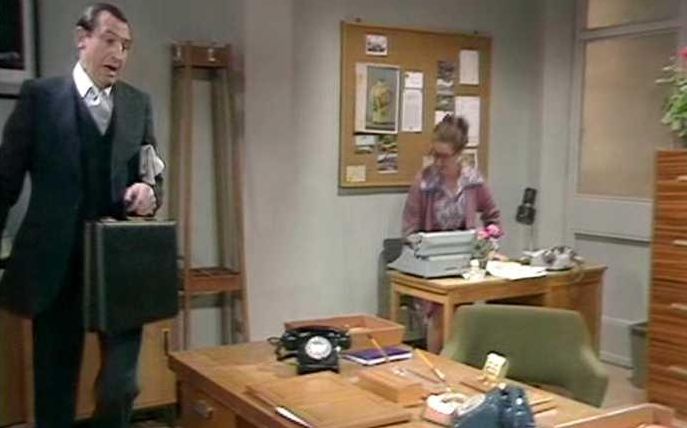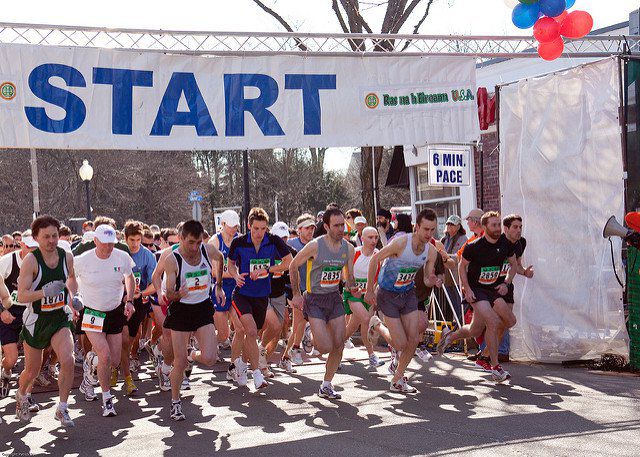
This is a reply to a query about the difference between the english words “begin” and “start”. I’ve written it in portuguese and english, with the english starting about half way down, and obviously all the examples are in english, even in the portuguese text.
[Portuguese Version] 🇵🇹 #UNCORRECTEDPORTUGUESEKLAXON
Pensei muito nisso e discuti com uns outros faladores de inglês, incluindo uma americana, mas acho que não há grande diferença entra os dois países neste assunto. Continuo a acreditar que “start” e “begin”, têm o mesmo significado em 95 por cento das situações. Quando não são sinónimos, parece que o padrão é, de forme geral, que “begin” encaixa a ideia duma transição mais gradual, e “start” é uma mudança que acontece de repente. Isso não é uma regra muiiiiito forte. É o que chamamos um “rule of thumb” ou seja uma regra que é só uma guia mas não se aplica em todos os casos.
Por exemplo:
Situações em que “begin” é preferível ou é a única palavra que cabe na frase
- I began running when I was in high school [verbo]
- I have been running for three weeks but I am still a beginner [nome = novato/iniciante]
- A book should have a beginning, a middle and an end [nome=início]
Situações em que “start” é a única palavra que cabe na frase
- I started running when the PE teacher blew the whistle [verbo]
- I started the engine [verbo]
- The car won’t start [verbo]
- Press the start button on your laptop [nome]
Situações em que a escolha de verbos depende do movimento, e pode influenciar a imagem mental do escritor
- He was walking slowly but as the rain got heavier he began to run
- He was walking slowly but when he heard footsteps behind him he started to run
Escolhi “start” aqui porque queria dá para entender que a pessoa mudou a taxa dos seus passos de repente, talvez num pânico. Na primeira frase, usa-se “begin” porque na minha imaginação andava cada vez mais rápido enquanto que a chuva tornava cada vez mais pesado, até começou a correr.
Vi alguns websites que dizem que “begin” é mais formal. Não acho que isso seja correcto. As vezes pode ser mais elegante mas isso é porque o ar abrupto de “start” pode diminuir a elegância. Por exemplo
- If you’re all sitting comfortably, I will begin my 3 hour long poetry recital [verbo]
É melhor do que “start” porque poesia é algo que começa suavemente. “start” não era errado, mas “begin” soa melhor. Portanto, acho que isso de velocidade de transição é uma regra melhor até que tens um melhor conhecimento das subtilezas (absurdidades) da língua!
Espero que isso te ajude!
Notas de rodapé
- Há mais um significado de “start” que é o saltinho que uma pessoa faz quando leva um susto. É mais relacionado com um outro verbo semelhante: “startle” mas transmite a mesma impressão dum movimento súbito. Se tudo fosse calma na casa e, de repente, eu estourei um balão, a minha mulher diria ou
- “Agh! You startled me” ou
- “Agh! You gave me a start”
2. Aliás, também existe mais um verbo “commence” que é obviamente um cognato da palavra portuguesa “começar” mas é muito mais formal e quase nunca usado na dia-a-dia.
[English version] 🇬🇧
I’ve thought about this a lot and discussed it with some other english speakers including an american, although there isn’t much difference between the american and british usage. I still think “start” and “begin”, are synonymous 95% of the time. When they’re not synonymous, the pattern seems to be that “begin” conveys a more gradual transition and “start” is more sudden. The rule isn’t veerrry strong, but it’s a good rule of thumb when in doubt.
For example:
Situations where “begin” is the best or the only option
- I began running when I was in high school [verb]
- I have been running for three weeks but I am still a beginner [noun = novato/iniciante]
- A book should have a beginning, a middle and an end [noun=início]
Situations in which “start” is the best or the only option
- I started running when the PE teacher blew the whistle [verb]
- I started the engine [verb]
- The car won’t start [verb]
- Press the start button on your laptop [noun]
Situations where the choice of words might depend on the style
- He was walking slowly but as the rain got heavier he began to run
- He was walking slowly but when he heard footsteps behind him he started to run
I chose “start” in the second example because I imagine the person suddenly changing pace when they hear someone following them, maybe out of fear. In the first, I chose “begin” because I think they might have gradually walked faster and faster as the rain got heavier and heavieer, until finally they start running.
I’ve seen websites that suggest “begin” is more formal. I don’t really agree with this, but sometimes the suddenness implied by “start” can puncture the elegance of a formal situation. For example, an announcement in a theatre
- If you’re all sitting comfortably, I will begin my 3 hour long poetry recital [verbo]
Here, “begin” is better because it fits better with the gentle nature of a poetry reading. “Start” would not be wrong, but “begin” sounds right. That’s why I think this idea of gradual change vs sudden changes is a better guide than formal vs informal
I hope that helps!
Footnotes
- There’s another meaning of “start”, which is the little jump someone makes when they get frightened suddenly. It’s related to a similar verb “startle”, so if I were to suddenly burst a balloon in the house when everything was calm and peaceful, my wife might say either
- “Agh! You startled me” or
- “Agh! You gave me a start”
2.There’s another verb “commence” that’s obviously cognate with the portuguese word “começar” but it’s much more formal and tends not to be used much in day-to-day conversation.

 Este livro é o segundo deste autor que já li. Gostei bastante! Consiste num serie de artigos, publicados inicialmente na revista Visão. São muito engraçados. Soltei gargalhadas durante quase todos. Além disso, os artigos frequentemente têm temas sérios, relacionados com as notícias da época em que foram escritos. Há poucos comediantes que conseguem escrever opiniões assim, e dar um resumo duma situação, com humor e, quando é necessário, força.
 Hoje de manhã, quando acordei, havia algo estranho na cama (!) Senti umas picadas na pele da minha mão, como se houvesse umas agulhas nos lençóis, Não fazia ideia o que é que estava a causar este fenómeno. Tentei ignorá-lo mas cada vez que tocava nos lençóis, levava mais ferroadas nos dedos e depois nos braços e nas costas até já não puder ignorá-las. Levantei-me e fui em busca da pinça da minha mulher. Havia centenas de espinhos pequeninos em todo o lado, nos dedos, nos braços, nas palmas das mãos… Pareciam pêlos fininhos, picando a pele. Passei uns minutos com a pinça, a retirar espinho após espinho mas já agora, fico com algumas. Quando faço um punho com a mão esquerda, consigo sentir umas ferroadas, mesmo que não veja nada.