Category: English
I Continue to Get Surprisingly Good Marks
I got a solid 3.4/4.0 in the essay about Dom Joâo II. That’s 85% – God, I’d have killed for marks like that in the degree courses I took in IT and computing. I made a lot of silly grammatical errors that I should have picked up in editing, but in spite of everything, he noted that I have shown that I had an original and distinctive take on the subject, and I feel quite pleased with that!

Anyway, I need to start revising, so I am going to go through it in detail, fix the mistakes and think about what could be improved. Again, this is just for my own benefit, but if you’re following along, the challenge was to analyse the title and subtitle of this thriller and decide what it means, referring to what we know about the real (historic) and fictional (in legend, propaganda and media representations) person that is Dom João II. I’ll fix all the boring typos and comment on the mistakes that are interesting enough to say something about. I’m indebted to the teacher who took the time to correct the grammar but didn’t penalise me for it as I suspect he probably could have!
Introdução
Neste texto, vou tentar decifrar o significado do título e o subtítulo deste livro, mas antes de começar, é necessário perguntar “o significado para quem?” Raras vezes todos os leitores de um livro concordam sobre a interpretação de um livro. Então o nosso pensamento deve começar com o autor e a imagem que ele quer criar na mente do leitor. Mas a visão do autor não é isolada, separada da cultura e da sociedade onde vive. O seu retrato do rei tem de ser reconhecível para os leitores, ou seja, tem de ter alguma semelhança com a pessoa de João II promulgada* nas escolas e na média. Ao mesmo tempo, um autor de romances históricos sabe bem que os seus leitores querem mais do que factos, nus e crus. Se quisessem isso, teriam comprado alguma coisa da estante não-ficção. Assim podemos imaginar o autor a pensar nas várias narrativas ao longo dos anos. Não sendo historiador nem propagandista, o autor de ficção histórica é livre para escolher os aspetos da lenda que satisfazem os seus critérios.
Como o Título Chama a Atenção dos Leitores
Em primeiro lugar, a palavra “Sombras” pode ser interpretada de várias maneiras. Pode-se imaginar uma montanha ou um castelo a assombrar o território à sua volta por causa da sua imensidade. Uma sombra, então, é símbolo da imponente estatura da figura do rei nos olhos do povo. Por outro lado, a palavra sugere o lado obscuro de um governo e a sua rede de espiões. E em terceiro lugar, é fácil imaginar o rei como um protagonista assombrado pelas suas próprias dúvidas.
Destes três, a primeira explicação é a menos satisfatória. Um castelo tem uma sombra e mais nada, mas a palavra no título é plural. Quanto aos outros significados, o site da editora (Clube do Autor, 2026) fornece amplas provas de ambas. Talvez a única frase mais reveladora do seu assombramento e o do seu povo é “No meio de tudo isto, há um homem de lágrima fácil e íntimo cruel, um verdadeiro manancial de sentimentos por decifrar.”
Noutras palavras, ao** leitor está a ser prometido emoções turbulentas por parte de um rei que anteriormente teria parecido opaco e ainda por cima um enredo cheio de surpresas e que – quem sabe – é capaz de pôr em causa a nossa imagem do Príncipe Perfeito.
Como o Subtítulo Os*** Seduz Ainda Mais
À primeira vista, o subtítulo, “Sonho, glória, poder e intriga. Os bastidores de um reinado de ouro.” garante uma visão do rei que é mais tradicional e mais normativa: o rei levou a cabo uma onda de descobrimentos cruciais para o futuro do país e do continente europeu, trazendo glória, poder e riqueza para os participantes e para o trono. Na verdade, a legacia**** dele é altamente discutível, como vemos na obra da Mafalda Soares de Cunha que mostra exemplos de historiadores serem acusados, desde o século XVII de (entre outras coisas) “[…] omitir uma série de informações importantes, como é o caso do seu papel no progresso da gesta expansionista… (Cunha 1988 pp 651) mas isso não altera a reputação do rei na imaginação pública. O seu nome é quase sinónimo dos descobrimentos, é óbvio no “Mensagem” de Fernando Pessoa, a sua mitologia poética do passado de Portugal, onde o rei aparece não só no poema que tem o seu nome onde ele parece “uma alta serra”***** (Pessoa 1934 pp 44) (e, indubitavelmente, assombra o promontório onde está!) mas também em “O Mostrengo” o navegador leva o nome dele como um talismã contra os perigos do mar****** (Pessoa 1934 pp 57)
Aqui ao leme sou mais do que eu:
Sou um Povo que quer o mar que é teu;
E mais que o mostrengo, que me a alma teme
E roda nas trevas do fim do mundo;
Manda a vontade, que me ata ao leme,
De El-Rei D. João Segundo!
Adriana Bebiano afirma que a precariedade do mundo atual (ela estava a escrever logo depois dos atentados de 2001) produzia um desejo de regressar ” a representações identitárias onde se observa um excesso de passado” (Bebiano, 2002 pp 534) e que, no caso de Portugal, esta tendência era caracterizada por “a quase omnipresença da gesta marítima” (ibid) como o navio na capa deste romance.
Para Jorge Sousa Correia, escrevendo nos anos vinte deste século, a confiança na autoridade está catastroficamente reduzida e andamos rodeados por teorias de conspiração. Daí, não é nada surpreendente que vejamos neste título e seu subtítulo, uma combinação da glória radiante do passado, salpicada de tons mais escuros, representando a sombra de dúvida no que diz respeito ao líder daquela época dourada*******.
*I should really have said divulgada or propalada. I was really going for something that indicated the image was being put out as a sort of “official version” of events but it turns out I don’t really know what promulgated means even in my own language!
**Over-literal translation here. In english we’d say “the reader is being promised something” but that doesn’t work in portuguese; you have to say something is being promised TO the reader
***This is meant to follow on from the previous heading: having caught the eye of his readers he is seducing them further, but with such a long gap in between it was confusing, so the marker was left scratching his head and wondering who the hell I’m on about
****Woah! This falso amigo really surprised me. I should have said “legado” which means legacy. Legacia refers to the office of a legate!
*****Part of the instructions were that you had to quote something from the mandatory readings and believe it or not there three words are me paying lip service to that rule, because this poem is one of the texts. The marker didn’t notice – perhaps understandably, given how titchy it was, and I think I lost points as a result. Well, it’s a fair cop!
******I’m really not happy with this whole section, highlighted in yellow. It seems like a real tangle of thoughts. The prof didn’t penalise me for it, but I wish I had taken half an hour to straighten it out a bit and order it better.
*******I think the conclusion here went down well. I was quite pleased with it. I was criticised for not going into the “sombras” as much as I could have by referring to the death of his son or or the aristocrats he had bumped off. To be fair, neither of those is really referenced in the blurb and I had the impression the writer wasn’t really focusing on them, but OK, fair enough, maybe I should have gone darker!
Bibliografia
Bebiano, Adriana (2002) A invenção da raiz. Representações da nação na ficção portuguesa e irlandesa contemporâneas em Ramalho, Maria Irene e Ribeiro, António Sousa Entre Ser e Estar (2002) (pp 503-537)
Clube do Autor (2026). As Sombras de Dom João II, encontrado a https://www.clubedoautor.pt/livro/as-sombras-de-d-joao-ii
Correia, Jorge Sousa (2021) As Sombras de Dom João II
Cunha, Mafalda Soares da (1988) D. João II e a construção do Estado Moderno. Mitos e perspetivas historiográficas em Arqueologia do Estado pp 649-667
Pessoa, Fernando (1934) Uma Asa do Grifo em Mensagem pp 44
Pessoa, Fernando (1934) Mostrengo em Mensagem pp 56-57
The Fourth Essay

I submitted the second essay of the second course the day before yesterday.
The challenge was to take the cover of this juicy historical thriller and try and analyse what currents of cultural understanding the writer was drawing on in his presentation of the novel.
It wasn’t a subject I felt very drawn to, I would rather have done the Randy Nun, but I managed OK. Well, I had some good ideas anyway. To be honest if I hasn’t been so tired I might have spent half an hour switching up the order of the lines in some of the paragraphs to make the argument flow better, but I think it’ll do OK.
Wow!
I wrote an essay just before christmas and I said at the time that I thought maybe I had made a bad choice of book as the subject matter and maybe she would mark me down. But no! I scored 3.5 out of 4.0 and she said it was an “ótima análise”.

I had a couple of typos, despite 3 separate automatic checks and one actual bona fide portuguesa proofreading it for me. She had objected to my use of the word “desempacotar” to mean “unpack” in the way that annoying podcasters use that term, but I left it in, and the teacher redlined it too. Whoops!
There were a couple of other points where she disagreed with some of my assertions, some of them fair, some of them frustrating: I don’t really see how I am meant to justify every peripheral observation when the word count is so tiny! I’ll not go into detail here, but in general, I am quite pleased with how well I pulled this off!
Desbraguilhar
I’m planning to do a video about how to transfer your reading records from Goodreads to Storygraph and one of the things I needed to know was how to describe the process of unzipping a zip file to extract the contents. My first thought was “desbraguilhar”, which made me chuckle a bit because that’s obviously not right. Braguilha is a very specific zip, so if desbraguilhar existed it would mean undoing your fly, and that’s probably not right. I asked around and the options seem to be:
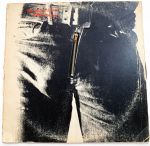
- Extrair (official Windows translation)
- Descompactar (Most common suggestion)
- Descomprimir (Had a few adherents)
- Deszipar (Only one suggestion, in green felt-tip)
Aqui Dentro Faz Muito Barulho de Bruno Nogueira – Opinião.
Aqui Dentre Faz Muito Barulho é um livro desses que fazem um ninho na mesa de cabeceira durante umas semanas porque o formato (pequenos textos de 2-3 páginas) é perfeito para quem precisa de ler alguma coisinha antes de dormir. Não exige muito do leitor, não nos deixa perturbados, e se não nos lembrarmos o que limos no dia anterior, não importa, porque a leitura de hoje tem um novo assunto. Já li vários livros do mesmo género, escritos por Miguel Esteves Cardoso e Ricardo Araújo Pereira. Este não me fez soltar tantas gargalhadas como previsto. Achei-o inesperadamente pensativo.
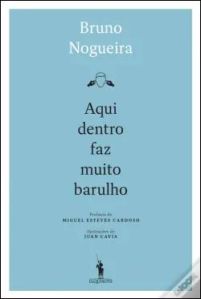
Levei-o comigo à Madeira em Novembro e terminei-o nos últimos dias de Dezembro.
(A)pesar
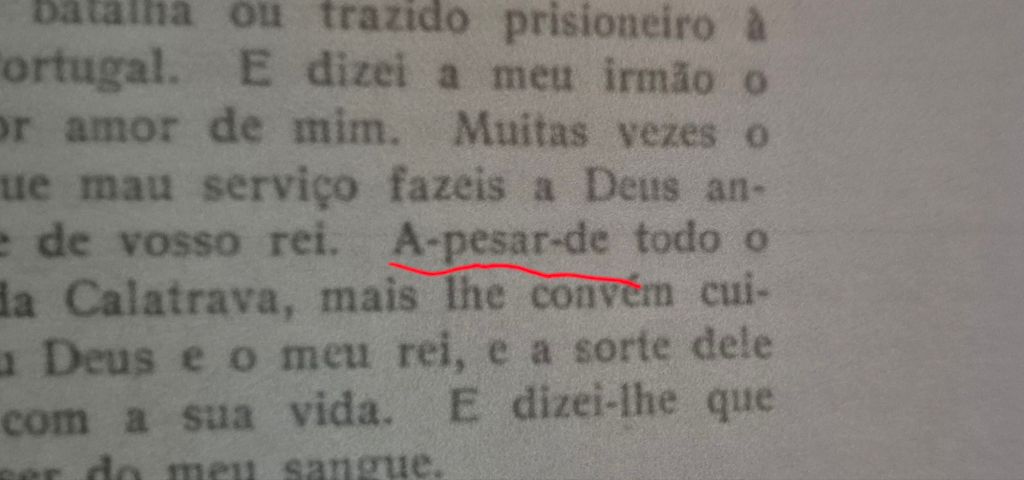
Reading actual fascist propaganda (well, the story of the Battle of Aljubarrota and a certain padeira of that parish, which was published by the ministry of propaganda in 1939) and of course it uses a lot of pre-acordo spellings. I was struck by the way they write “apesar de” as “A-pesar-de”. I suppose I could have guessed the etymology of the word “apesar” but it would never have occurred to me to think it was such a recent development that it was written with a hyphen within living memory!
E Afinal, Cumpri as Resoluções do Ano Passado?
A minha note é 2/3. Segundo o texto de Janeiro 1 de 2025, comprometi-me a…
- Conquistar o DUPLE: E conquistei, mesmo!
- Usar o DUPLE: quando tiver um diploma universitário, farei um curso universitário numa disciplina relevante, mas sobre um assunto fora da minha zona de conforto Estou tão feliz por ter realizado este objectivo. Foi muito difícil “navegar” o processo mas já estou no meio de dois unidades curriculares e aprendi um monte de coisas!
- Falar mais: em geral, falar falo, mas para dar mais estrutura a este objectivo, vou gravar…. Digamos 6 mas espero que haja mais… Quanto isto… chumbei… Não passei de gravar um vídeo e a qualidade foi tão baixa que acabei por enterrá-lo numa pasta no meu computador onde ninguém vai encontrar.
Cães de Loiça
I heard this on Instagram and I was entranced, and had to hear the whole thing. The name of the band is Rouxinol Faduncho, which is like “Bad Fado Nightingale”, which sets expectations right from the start. Let’s see what the hell is going on in the lyrics.
| (Ora o público pediu, e mais aderiu e até ganiu nesta campanha internacional e até europeia intitulada: Help Me a Pôr os Cães de Loiça a Sorrir a “Gane”. A gane quer dizer a sorrir a gane ou a ganir. tem sido, Maravilhoso…) | Well, the public asked and even subscribed and even whined in this International, and even european campaign entitled Help me make china dogs smile a gane*. A gane means smile until whine or while howling. It has been marvelous. |
| Oi pra o sofrimento um bom remédio há afinal Ajudem os cães de loiça, esse pobre animal Ao vê-lo feroz no portão, eu sempre me comovo Se a tinta cair ao chão, dou-lhe mais uma demão** e ele fica como novo | Hey, finally there’s a remedy for suffering China dogs help, that poor animal When I see them, ferocious at the gate, i always feel moved If the paint falls on the flour, I’ll give it some more One more coat and he’ll be good as new |
| Se gostas de animais, cães de loiça Que não sujem os quintais, cães de loiça São “bobbies” bestiais, cães de loiça São cãezinhos mal tratados, de olhos esbugalhados e nada saltitões Nunca se vão babar, nem ganir, nem ladrar, nem ferrar os ladrões | If you like animals, china dogs That don’t dirty the garden, china dogs They are beastly “bobbies”, china dogs They are badly treated little dogs with googly eyes and not at all frisky They never drool or whine or bark or injure burglars |
| Por serem portugueses e parecidos com o Toy Que os restaurantes chineses não fazem deles “chopsói” Não largam pelos ou pena, nunca roem os sofás Reparem bem nesta cena, são estrelas de cinema Cento e um Dalmatás | Because they are Portuguese, and look like Toy Because chinese restaurants don’t turn them into chop suey*** They don’t drop hairs or feathers, they never chew sofas Pay attention to this scene, they are stars of cinema 101 Dalmatians |
| Se gostas de animais, cães de loiça Que não sujem os quintais, cães de loiça São “bobbies” bestiais, cães de loiça São cãezinhos mal tratados, de olhos esbugalhados e nada saltitões Nunca se vão babar, nem ganir, nem ladrar, nem ferrar os ladrões | If you like animals, china dogs That don’t dirty the garden, china dogs They are beastly “bobbies”, china dogs They are badly treated little dogs with googly eyes and not at all frisky They never drool or whine or bark or injure burglars |
| (Aquilo é uma maravilha, aquilo corre corre… é uma companhia… pfff! e aquilo tem que se fazer, tem que se levar um saquinho sempre para apanhar os cócós Depois… Há que manter… que isto da camada do ozoto está a acabar, não é? temos que manter isto… planeta limpo… mas são muito engraça… e fofos? ui!) | That’s amazing, it runs… it’s company… pff!! And you know what you have to do, you have to bring a little bag with you every time to hold its poo afterwards, you have to maintain… because of this thing about the ozogen**** layer disappearing, right? We have to keep this planet clean, but they are very funny… and cute? Ui! |
| Se gostas de animais, cães de loiça Que não sujem os quintais, cães de loiça São “bobbies” bestiais, cães de loiça São cãezinhos mal tratados, de olhos esbugalhados e nada saltitões Nunca se vão babar, nem ganir, nem ladrar, nem ferrar os ladrões | If you like animals, china dogs That don’t dirty the garden, china dogs They are beastly “bobbies”, china dogs They are badly treated little dogs with googly eyes and not at all frisky They never drool or whine or bark or injure burglars |
*I actually googled “sorrir a gane”, but I’m pretty sure this is a pun. The name of the campaign starts with “help me” so I guess “a gane” is meant to sound like “again”. Help me make the dogs smile again, where “gane” is the third person singular of the verb “ganir” – to whine. I went and looked at the release date, confidently expecting it would be in or after 2016, so playing on a certain well-known catch-phrase of that absolute fuckwit the Americans have elected to pretend to be a president and plunge themselves further into decline. But no – it was released in 2007, so they obviously just hit on a pun that would become much more topical and more depressing 9 years later.
** Wow, I was sure this was a typo in the lyrics and it should be “de mão” (ie, he’s painting it by hand) but no, uma demão is a coat of paint or a retouch.
***😬
****I think the original “ozoto” is a deliberate mistake, mixing Ozono (ozone) and Azoto (nitrogen) so I have translated it in the same way.
Witches! Part 6
Este blogue é o último da série sobre as bruxas de Portugal que começou aqui.
Ai, Jesús, o pior fica para o final… Segundo a Insta de Lola, “durante o século XX, em Aljezur, no Algarve, “mulheres de virtude” praticavam rituais de proteção e feitiçaria e muitos contos populares rel1ata eventos misteriosos na região”. Soa bem, não soa? Mais uma história de mulheres de boa vontade a viver em harmonia com a natureza que acabou mal-entendidas pela patriarquia, certo?
Ui… Nem por isso. Quando pesquisei BRUXA e ALJEZUR, o todos os resultados tiveram como assunto uma notícia de Maio de 1929 de Vidigal, uma vila perto de Alzejur. Os habitantes daquele lugar costumava de participar em “bailes”, onde não havia música mas sim uma poção alucinógena. Sob influência deste liquido, dançavam e participavam em atos de feiticeira incluindo um incidente no qual um gato, que a gente achava era possuído por um espírito maligno*, entrou na sala portanto alguém pegou nele e cortou-lhe as patas, As autoridade religiosas queixaram às autoridades civis, que prenderam cinco pessoas em Abril de 1929 mas. após umas semanas. os detidos, já soltos, foram convidados a mais uma baile.

E foi naquela baile, em Monte Velho, nos arredores de Vidiga, que um deles, Luís Tomé, matou a sua mulher, Adriana Marreiros, de machadada. Estava grávida de quatro meses. A mãe dela, Maria Marreiros tentou salvar-lhe a vida mas a intervenção costou-a a vida. Foi espancado até à morte pelo genro. A filha do Luís e da Adriana, que se chamava Custódia, estava escondido debaixo da cama. Viu tudo e (como é óbvio) recusou de sair. O pai lhe implorou e até encheu um copo com o sangue das mulheres, com qual pintou símbolos no seu próprio peito e bebeu o resto.
O pai foi detido e enforcou-se na cadeia. Bem feito. A filha, cujo terror mal podemos imaginar, não saiu e não morreu, e a filha dela finalmente contou a história da sua mãe aos jornais em 2018, quase um século depois.
E a bruxa? A mulher que organizou as bailes foi Maria Inácia Costa, visto pelos analfabetos daquela zona com uma mulher de virtude. porque sabia ler. Luís tinha a consultado e ela aconselhou´-lhe reunir a família toda porque a mulher tinha traído a bruxa e “era necessário desfazer o enguiço”.
Lê a história completa aqui
English Version
This blog is the last in the series about the witches of Portugal that started here.
Oh, Jesus, I saved the worst for last… According to Lola’s Instagram, “during the 20th century, in Aljezur, in the Algarve, ‘virtuous women’ practiced protection rituals and witchcraft, and many folk tales recount mysterious events in the region.” Sounds good, doesn’t it? Another story of well-meaning women living in harmony with nature that ended up being misunderstood by the patriarchy, right?
Wow… Actually, no. When I searched for WITCH and ALJEZUR, all the results were about a news story from May 1929 about Vidigal, a village near Aljezur. The inhabitants of that place used to participate in “dances” where there was no music, but rather a hallucinogenic potion. Under the influence of this liquid, they danced and participated in acts of witchcraft, including an incident in which a cat, believed to be possessed by an evil spirit*, entered the room, so someone grabbed it and cut off its paws. The religious authorities complained to the civil authorities, who arrested five people in April 1929, but after a few weeks the detainees, now released, were invited to another dance.
And it was at this dance, in Monte Velho, on the outskirts of Vidiga, that one of them, Luís Tomé, killed his wife, Adriana Marreiros, with an axe. She was four months pregnant. Her mother, Maria Marreiros, tried to save her life, but the intervention cost her her own. She was beaten to death by her son-in-law. Luís and Adriana’s daughter, named Custódia, was hiding under the bed. She saw everything and (of course) refused to come out. Her father cajoled her and even filled a cup with the women’s blood, with which he painted symbols on his own chest and drank the leftovers. The father was arrested and hanged himself in prison. Good riddance. The daughter, whose terror we can scarcely imagine, stayed under the bed and didn’t die, and her daughter finally told her mother’s story to the newspapers in 2018, almost a century later.
And the witch? The woman who organized the dances was Maria Inácia Costa, seen by the illiterate people of that region as a “virtuous woman” because she could read. Luís had consulted her and she advised him to gather the whole family together because his wife had betrayed the witch and “it was necessary to undo the curse”.
You can read the full story here.
*This is the only part of the story not mentioned in the article I’ve cited but it is mentioned by Diário das Notícias, just so you know I didn’t make it up!
 Luso
Luso 