Posted in English

Rockroses and Wine Merchants

Sou membro de um grupo online chamado “O que é esta planta?”. O propósito do site é bastante óbvio: identificar plantas, folhas e flores encontrados no dia-a-dia. Na semana passada, alguém compartilhou esta foto, perguntando qual é a flor na imagem, sem saber que a resposta está escrita na garrafa. “Esteva” é o nome da flor. Em latim, diz-se Cistus Ladinifer, e em inglês é “rockrose”, e é muito bonita, não é?

Mas, sendo um estudante da cultura portuguesa, eu fiquei curioso sobre a marca: Casa Ferreirinha.

Segundo a Wikipédia, “Ferreirinha” refere-se à empresária D Antónia Adelaide Ferreira, uma cultivadora de vinho do Porto que viveu no século XIX. Casou-se com um primo (estes ricos são uns esquisitos, não é?) mas ficou viúva com 33 anos, e ainda bem porque o primo-marido (primarido?) era extravagante e esbanjou grande parte do seu dinheiro.

Na viuvez, a empresária foi alargando as suas terras. Comprou quintas nos lugares mais soalheiros, meteu-se na política, preocupou-se com as famílias nas suas terras e adegas, e como resultado era vista com carrinho. Casou-se pela segunda vez com o administrador da empresa. Fiquei interessado por ver que se deslocou para Inglaterra à procura dos meios mais modernos para combater a filoxera. Nós não temos uma história de cultivo de vinhas, mas temos um jardim botânico logo ao pé de mim, portanto perguntei-me se ela passou algum tempo aqui em Kew.

Todavia, a empresa, atualmente conhecida por Casa Ferreirinha não é a sua. A história é contraditória: Segundo o site Sogrape, a marca tem “mais de 250 anos de história”, ou seja, é mais antiga do que ela, mas segundo a Wikipédia, o seu segundo dono nasceu em 1913. Eu não sei, mas ao que parece o nome é apenas uma homenagem a ela.
Posted in English, Portuguese

Não Há Estrelas No Céu – Rui Veloso

Translation time! I quite like this one, and it has some good expressions in it. It’s about how hard it is to be young. I checked, and in case you’re wondering he released it in 1990 when he was 33, so we’ll let it pass.

PortuguaêsInglês
Não há estrelas no céu a dourar o meu caminho
Por mais amigos que tenha, sinto-me sempre sozinho
De que vale ter a chave de casa para entrar?
Ter uma nota no bolso p’ra cigarros e bilhar?
There are no stars in the sky gilding my path
No matter how many friends I have I always feel alone
What’s the point of a housekey to get in?
Or a note in my pocket for cigarettes and billiards?
A primavera da vida é bonita de viver
Tão depressa o sol brilha como a seguir está a chover
Para mim hoje é janeiro, está um frio de rachar
Parece que o mundo inteiro se uniu p’ra me tramar
It’s beautiful to live in the springtime of life
As soon as the sun shines, straight away it rains
For me today is January, freezing cold
It seems like the whole world is conspiring against me
Passo horas no café sem saber para onde ir
Tudo à volta é tão feio, só me apetece fugir
Vejo-me à noite ao espelho, o corpo sempre a mudar
De manhã ouço o conselho que o velho tem p’ra me dar
I spend hours in the café, not knowing where to go
Everything around is so ugly I just feel like escaping
I see myself in the mirror at night, my body’s always changing
In the morning I hear the advice the old man has for me
A primavera da vida é bonita de viver
Tão depressa o sol brilha como a seguir está a chover
Para mim hoje é janeiro, está um frio de rachar
Parece que o mundo inteiro se uniu p’ra me tramar
It’s beautiful to live in the springtime of life
As soon as the sun shines, straight away it rains
For me today is January, freezing cold
It seems like the whole world is conspiring against me
Vou por aí às escondidas a espreitar às janelas
Perdido nas avenidas e achado nas vielas
Mãe, o meu primeiro amor foi um trapézio sem rede
Sai da frente, por favor, estou entre a espada e a parede
I’m going over there, secretly, to look in at the windows
Lost in the avenues and found in the alleys
Mother, my first love was a trapeze with no net
Get out of the way please, I’m between the sword and the wall*
Não vês como isto é duro, ser jovem não é um posto
Ter de encarar o futuro com borbulhas no rosto
Porque é que tudo é incerto, não pode ser sempre assim
Se não fosse o Rock and Roll, o que seria de mim?
You don’t see how hard it is, being young isn’t easy**
You have to face the future with a spotty face
Why is everything uncertain, it can’t always be like this
If it wasn’t for Rock and Roll, what wojuld become of me?
A primavera da vida é bonita de viver
Tão depressa o sol brilha como a seguir está a chover
Para mim hoje é janeiro, está um frio de rachar
Parece que o mundo inteiro se uniu p’ra me tramar
It’s beautiful to live in the springtime of life
As soon as the sun shines, straight away it rains
For me today is January, freezing cold
It seems like the whole world is conspiring against me
Não há estrelas no céu (não, não, não, não há)
Estrelas no céu (não, não, não, não há)
Estrelas no céu…
There are no stars in the sky (no, no, no there aren’t)
Stars in the sky (no, no, no there aren’t)
Stars in the sky…

*Nice expression! Obviously an equivalent of “between a rock and a hard place”

**The translation is simplified, I think: as far as I can tell, “ser x não é um posto” is a way of saying it isn’t just an easy job that comes naturally, implying you really have to be worthy, or to work hard for it. See here for example, or here.

Posted in English

Tals of the Unexpected

I thought I’d try and collect together some of the uses of the word “tal”. Nothing definitive, but a sort of mood board or a pinterest page, gathering together some examples, because I know what it means, basically, but it’s quite a spongey word and it keeps popping up in unexpected places. Like here for example:

What is going on?

The standard meaning of tal given in most books when we first come across it is “such” but such is the confusion over words like “such” that its meaning only overlaps about 50% with the meanings of the english equivalent.

Hear are the meanings listed online. (“tal”, in Dicionário Priberam da Língua Portuguesa [em linha], 2008-2024, https://dicionario.priberam.org/tal.). I have colour-coded them by how “suchy” they are. Green = very like “such”, orange = similarish, red = nope.

quantificador existencial

1. Tão grande (ex.: a simpatia foi tal que voltaremos certamente). = TANTO [In english “the reaction to the announcement was such that the prime minister withdrew the policy 3 minutes later]

determinante e pronome demonstrativo

2. Igual, semelhante (ex.: nunca vi tal coisa; acho que nunca tal ouvi). [In english “I’ve never seen such such a thing!]

3. Este, esse, aquele, isto, aquilo.

4. Certo, não bem definido.

nome de dois géneros

5. Pessoa de que se fala sem nomear (ex.: este é o tal de que te falei).

I think this last one is the one in use in the meme. She could just say “who is that Uefa”, but but ading the “tal” it becomes more like “who is that Uefa person?” as if it’s slightly beaneath her to talk about such a person. You can imagine her curling her lip with distaste.

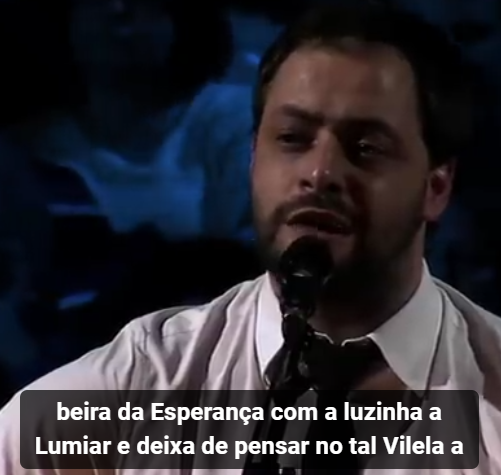
Asking around about this most people seemed to be sure that it would only be used if both the speaker and the listener already knew who was being talked about. Like in the António Zambujo song, Lambreta. “Come for a ride on my Lambreta … and stop thinking about that Vilela dude”. You know him, I know him, but really, I’d rather not.

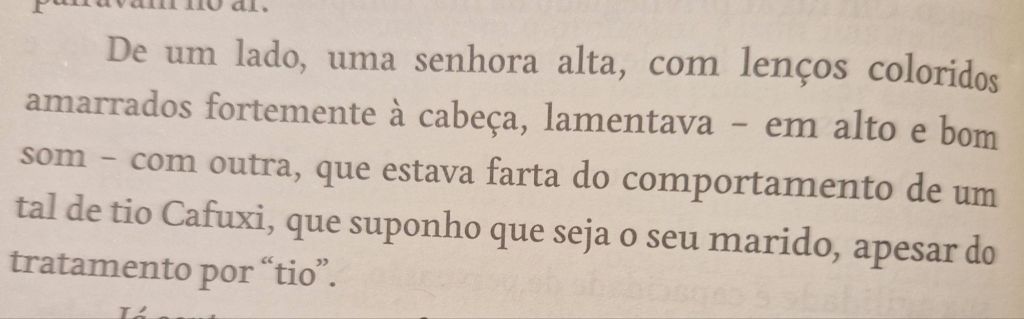
This next case is quite similar but the person isn’t known to the speaker. He’s describing someone complaining about a certain tio Cafuxi. I think this might be definition 4: Certo, não bem definido.

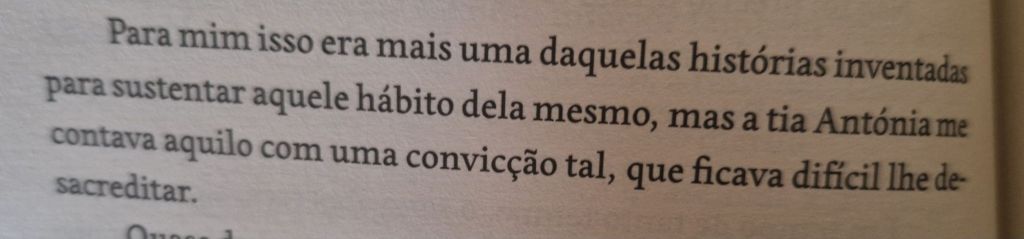
This next one is definition 1. Her conviction was such (so much) that it became hard to disbelieve her-

Tal also forms part of lots of little phrases that crop up in conversation

como tal

•Nessa qualidade, por esse motivo. (“as such”)

e tal

• [Portugal, Informal] Usa-se para indicar quantidade ou número indeterminado que excede um número redondo (ex.: ele tem trinta e tal anos; chegaram a casa às duas e tal da manhã). (in english this would be “Twenty-odd” or “Twenty or so”)

não há tal

•Isso não é verdade. (I guess we have “There’s no such thing” but it’s a bit of a stretch)

que tal!

•Exclamação para exprimir surpresa.

que tal?

•Expressão usada para questionar o estado ou a qualidade de algo. (What d’you think?”)

tal como

•Da mesma forma que ou à semelhança de. (In english “Such as”, but more often than not when you want to say “such as” you’re better off just writing “como” without the tal)

🤦 I assure you, we do not.

tal e qual

•Exactamente; do mesmo modo; assim mesmo.

tal qual

•O mesmo que tal e qual.

There isn’t really one translation for the word, or any one way of understanding what it means, you just have to sort of get used to the situations where it arises, I think.

Posted in English

Tradução

As I’ve probably said, I’m a bit of a philistine when it comes to poetry, but the book I am reading on-and-off at the moment, “atirar para o torto” by margarida vale de gato* “dá água pela barba” and my dictionary is taking a real beating. Translating this one in full because there are so many unknowns in it that I lost track. Words outlined in orange are the ones I had to look up

This galaxy will soon be a glowing coal
Our earth sparks - I think this
In the environ** of the street, feeling faint
Words beating in my head
About the cone*** of this planet - oh
warming marble with only one iris****
Fertilising the egg of the moon, steep
curdled, wounded
***** red.
I'm going
when i arrive to lock myself out, key
inside, to sleep with the beasts in the dew
and just one bottle - I ought to break it
by the neck to heal
with a ruby in my mouth and anaesthesia
the bluff or another apocalypse

Incidentally, I happened upon a thesis published online where the author cites this poem in full as evidence of “an apocalyptic tone adopted recently in portuguese poetry”

*Should be in title case, I know, but she writes it in lower case on the cover so maybe it’s deliberate, I dunno.

**This is a pretty terrible translation since enlevo is more like enchantment, rapture, that kind of thing but I can’t quite find an english word that works in context. This is why I am not a professional translator!

***Another surprising one. The umbra and penumbra of an eclipse form cones, so she might be referring to that but it’s not clear to me

****I want “iris” to mean the little squiggle of colour inside an old-school marble, but I don’t see any evidence of that online.

*****Coalho was the only word I really didn’t know but it’s hard to see what she’s getting at here. Ingreme usually means steep but can be a high point, coalho means coagulate but can also be a thistle flower of all things. So maybe she means the blood moon looks like a thistle high up in the sky…. nah… i don’t see it.

Posted in English, Portuguese

So I Made This Video

First one in ages.

It’s always absolutely maddening how many mistakes I can find listening to it afterwards. Lots of daft things. Wrong verb endings, wrong genders… At one point I say something “isn’t a spoiler because it’s revealed in the last 2 or 3 pages”. I meant the first 2 or 3  of course, but now everyone will be thinking I’ve completely ruined the ending. 🤦

Posted in English

Alimentação

Exercise from Português em Foco, corrected. The bold text is the question and the bit underneath is my answer.

De acordo com a médica Isabel do Carmo, os portugueses consomem uma média de 3883 quilocalorias diárias, quando o valor médio de consumo recomendado para um adulto é de 2000 a 2500. Este número aproxima‑se da realidade observada nos Estados Unidos da América. Fale sobre esta realidade no seu país e compare com outros países que conheça.

Segundo um artigo na BBC*, o nosso Gabinete Nacional de Estatísticas garante que os homens britânicos comem 3000 quilocalorias por dia e as mulheres 2500 mas ambos os grupos subavaliam o seu consumo calórico diário por 500 quilocalorias.  

O texto refere que um estudo publicado pelo Instituto Nacional de Estatística em 2010 sobre a Balança Alimentar dos Portugueses pinta um cenário negro da alimentação em Portugal. Compara, ainda, os hábitos alimentares do século XXI com os da década de 90 do século XX e conclui que a “dieta portuguesa tem‑se vindo progressivamente a afastar dos princípios da variedade, equilíbrio e moderação.” Para si, o que deve constituir uma dieta correta?

Alguém disse “Não come nada que não consegues pronunciar” (referindo-se aos nomes complicados dos químicos colocados em determinados produtos vendidos nos supermercados). É uma regra de ouro porque uma desvantagem da aplicação dos processos científicos à produção da comida é que existem muitos aditivos que prolongam a vida da comida mas não prolongam a vida do consumidor. 

Sugiro que tentemos comer coisas que façam parte da dieta dos nossos avós tanto quanto possível: ingredientes frescos, incluindo verduras. Mas os nossos avôs, ainda que não tivessem tantos aditivos e microplásticos na sua dieta, não sabiam tudo: o meu avô morreu de um AVC por causa de ter consumido demasiado sal, e acho que, no passado, os benefícios** da fibra alimentar não eram tão conhecidos como nos dias de hoje. Não quero renunciar a tudo o que sabe bem, mas acho que podemos aprender do passado sem perder a sabedoria moderna!

Observe, compare e comente as duas rodas alimentares*** apresentadas na imagem acima. O que pode dizer sobre a alimentação dos portugueses?

Duas rodas? Se calhar estou a ficar cego, mas apenas vejo uma… Se a imagem representa a alimentação dos portugueses, é um bom sinal, porque vemos na imagem um leque de itens contendo proteínas,  hidratos de carbono, vitaminas e minerais, com gordura em quantidade baixa. Há quem não coma carne por motivos de saúde, eu sei, mas carne não é prejudicial, desde que seja consumida em moderação

De acordo com o Texto D, a Direção‑Geral da Saúde portuguesa conclui que a população rural tende a ter uma alimentação mais saudável do que a urbana, por causa dos horários de trabalho rígidos, da escassez de tempo e da oferta alargada de “comidas da moda” na cidade.
Compare esta realidade com a do seu país.

Acho que somos mais ou menos iguais. Provavelmente nos últimos anos há mais profissionais nas zonas rurais porque é mais fácil trabalhar em casa, e é mais fácil arranjar “comidas da moda” por causa de serviços como Uber Eats e Deliveroo. Por outro lado, os habitantes das cidades têm mais flexibilidade na rotina diária e mais acesso a comida saudável, portanto a situação é ligeiramente mais complicada, mas de forma geral, continua ter alguma razão.

* a, not o, because it’s a corporação 

** I wrote “bens” but that’s more like “goods”, not benefits.

***Corrected from “rodas de alimentares” but since I copied and pasted it direct from the online textbook I don’t feel especially bad about getting this one wrong! Come on, textbook writers, sort yourselves out!

Posted in English

Interesting Things I Found in “A Noite” by José Saramago.

“O isco, o anzol e a chumbada”: I think I’ve seen this before but it jumped out at me because we have a bit of intra-family rivalry over the Connections game in the New York Times and on the day I read this, there had been a trap involving the words “hook”, “line” and “sinker”, which is what this means of course

Let the dust settle. Easy.

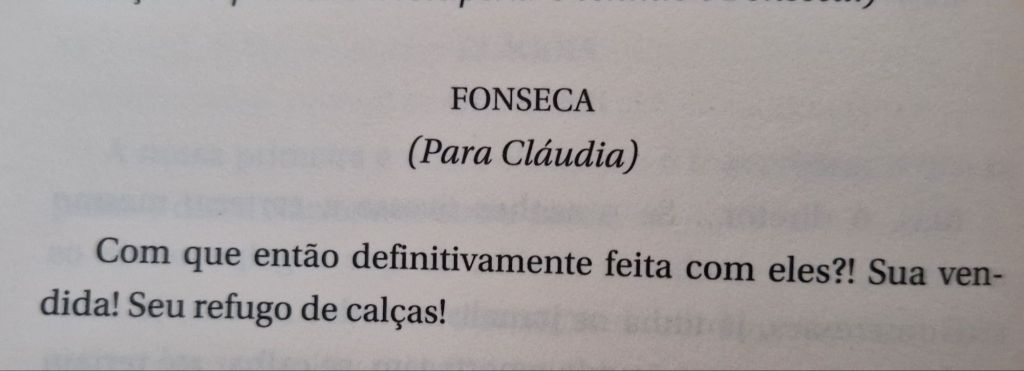
I had to ask around about this one*. The speaker, Fonseca, is siding with management and Claudia is much more supportive of the coup that is in progress as they’re talking. He obviously blames her (rather unjustly, as far as I can tell) for what is going on, but one way or the other, they are definitely forming into rival camps, according to whether or not they’d support the revolution, so there’s a lot of class animosity behind the words, which is why he’s being such a twat.

He calls her “Sua vendida” (you traitor, you person who has sold herself) and then, slightly confusingly, “Seu refugo de calças”. You what now? You pile of leftover, defective trousers? I asked reddit what was going on. He’s calling her a refugo, and she’s wearing trousers, so he’s more or less saying “your a junk heap on legs” or “you’re a walking pile of garbage” or words to that effect.

As soon as I was told that, I asked myself whether there was a bit of machismo entering into the equation. The play takes place in the seventies, and I wondered if, by referring to her stereotypically male clothes, he was implying some sort of lack of femininity, ugliness, dowdiness, lesbianism, or something like that. I dunno. I suggested it and people didn’t seem convinced, but maybe they’re young and don’t know what people were actually like in the seventies. I do, and I can 100% imagine that. I don’t know, Portugal isn’t Britain, but I’m not ruling it out.

Anyway, don’t worry about her, the revolution wins in the end. Whoops! Spoilers!

*UPDATE

In a shocking turn of events, it turns out that the assembled wise owls of Reddit might have misled me about “refugo de calças”. I probabky should have guessed. The suggestion above is a bit modern-sounding. It’s a remendo – a patch – on some trousers that would otherwise have fine in the bin because they’re worn out in the crotch. So by implication, it’s the lowest if the low. This definitely sounds more in keeping with the general tone. Thanks to Cristina for pointing this out.