Posted in English, Portuguese

Dois Dedos de Testa

I’m trying to get familiar with Carolina Deslandes’ back catalogue now that I have tickets to see her. When I reached “Dois Dedos de Testa” I was intrigued by the title, which means “two fingers of forehead”. What could it mean? I went down a few dead-ends when I researched it: the first site I found was explaining that having dois dedos de testa (ie, a forehead that’s more than two fingerwidths deep) was a sign of whether or not a fringe would suit you. But I was pretty sure the sing wasn’t about hair styling. I finally found this page which sums it up in the first line

Ter dois dedos de testa costuma ser sinónimo de gente inteligente, com boa cabeça

The scientists in this old ad for Tefal appliances were rocking a solid oito dedos de testa.

So I think that’s the relevant meaning: being clever, having common sense. I’m going to translate “ter dois dedos de testa” as “to be smart” in the lyrics for simplicity’s sake and because “to have two fingerwidths of forehead” would sound ridiculous.

The video also starts with “fátima futebol fado”, which was the Estado Novo’s equivalent to “bread and circuses”: the way of focusing the population’s attention away from thoughts of revolution. She changes it to one she likes better.

All in all, I really like the lyrics. Sometimes I do these translations and the lyric are baffling, sometimes they’re too easy, but I like that this had some mysteries that could be solved and led me to discover new things.

Dois Dedos de Testa
PortuguêsInglês
Ser mulher aqui é ser mulher de quem?
Ter um papel assinado pra ser alguém
Ser decente, quem se apresenta à mãe
Mesmo que o filho não valha a mulher que tem
Being a woman here means being who’s wife?*
To have a role assigned to be someone
To be decent, someone fit to meet your mother
Even though the son isn’t worthy of the woman he has
Ser mulher aqui é ser submissa
Rezar o terço, dizer sim e ir à missa
Não ter opinião, ser bonita
Ser tão nova quanto o estado e andar bem vestida
To be a woman here is to be submissive
Pray the rosary**, say yes and go to mass
Don’t have a opinion, be pretty
Be as young as the state*** and be well-dressed
E eu que tenho a liberdade debaixo dos braços
Tenho brasas a arder debaixo dos pés
Pus uma pedra sobre o meu passado
E se o que eu sou ofende quem és
And i who have freedom in my grip****
I have coals burning under my feet
I put a stone on top of my past*****
And if who I am offends, who you are
Deixa-me abanar a cabeça, põe mais vinho nesta mesa
Que eu, eu quero esquecer
Quero ser o centro da festa, o assunto da conversa
Eu, eu quero aparecer
Let me shake my head, put more wine on this table
Because me, I want to forget
I want to be the centre of the party, the subject of conversation
Me, I want to appear
Deixa-me abanar a cabeça, põe mais vinho nesta mesa
Que eu, que eu hoje faço um brinde
Quero ser dona da festa, tenho dois dedos de testa
Sou a voz e nem sou boa ouvinte
Let me shake my head, put more wine on this table
Because me, I want to make a toast
I want to be the mistress of the party, be smart
I’m the voice and I’m not a good listener
Foi deixada, abandonada
É carente e mal amada
Está tão triste e tão sozinha
Pobrezinha
She was left, abandoned
She was needy and barely loved
She’s so sad and so alone
Poor thing!
Sem apelido e sem marido
E de quem será o filho?
Está cansada, ela trabalha
Coitadinha, coitadinha
Without a surname, without a husband
And who’s child is it?
She’s tired, she works
Poor thing, poor thing!
Deixa-me abanar a cabeça, põe mais vinho nesta mesa
Que eu, eu quero esquecer
Quero ser o centro da festa, o assunto da conversa
Eu, eu quero aparecer
Let me shake my head, put more wine on this table
Because me, I want to forget
I want to be the centre of the party, the subject of conversation
Me, I want to appear
Deixa-me abanar a cabeça, põe mais vinho nesta mesa
Que eu, que eu hoje faço um brinde
Quero ser dona da festa, tenho dois dedos de testa
Sou a voz e nem sou boa ouvinte
Let me shake my head, put more wine on this table
Because me, I want to make a toast
I want to be the mistress of the party, be smart
I’m the voice and I’m not a good listener
E eu que tenho a liberdade debaixo dos braços
Tenho brasas a arder debaixo dos pés
Pus uma pedra sobre o meu passado
E se o que eu sou ofende quem és
And I who have freedom in my grip****
I have coals burning under my feet
I put a stone on top of my past*****
And if who I am offends, who you are
Deixa-me abanar a cabeça, põe mais vinho nesta mesa
Que eu, eu quero esquecer
Quero ser o centro da festa, o assunto da conversa
Eu, eu quero aparecer
Let me shake my head, put more wine on this table
Because me, I want to forget
I want to be the centre of the party, the subject of conversation
Me, I want to appear
Deixa-me abanar a cabeça, põe mais vinho nesta mesa
Que eu, que eu hoje faço um brinde (brinde)
Quero ser dona da festa, tenho dois dedos de testa
Sou a voz e nem sou boa ouvinte
Let me shake my head, put more wine on this table
Because me, I want to make a toast
I want to be the mistress of the party, be smart
I’m the voice and I’m not a good listener

* This sentence loses a lot of its cleverness in the translation, I think

**Catoliquices! Actually, strictly speaking, the Terço is just part of the rosary, I think. I hung out with a lot of catholics at uni so I more-or-less know what this is about but I’m a bit vague about the details. Here’s what o Santuário de Fátima has to say about it if you’re interested.

***Another one that loses some of its force in english – it’s another reference to the Estado Novo, if I read it correctly

****Debaixo do braço is a set phrase meaning grasped under the arm, next to the body, so I am picturing her holding liberdade like a rugby ball

*****This one smelled like an expression too. Most results return as “colocar uma pedra sobre” and “pôr” is less common but obviously scans better. You can find both on this page. I think we’re meant to imagine the stone as a paperweight you put on your work when you’ve finished writing or something. It means what we would now call “drawing a line under” the subject, basically, putting a full stop to the sentence.
Posted in Portuguese

O Meu Sofrimento Insuportável

I made a load of stupid mistakes in the first version of this so it’s been fixed now and I have publicly shamed myself by footnoting all my errors

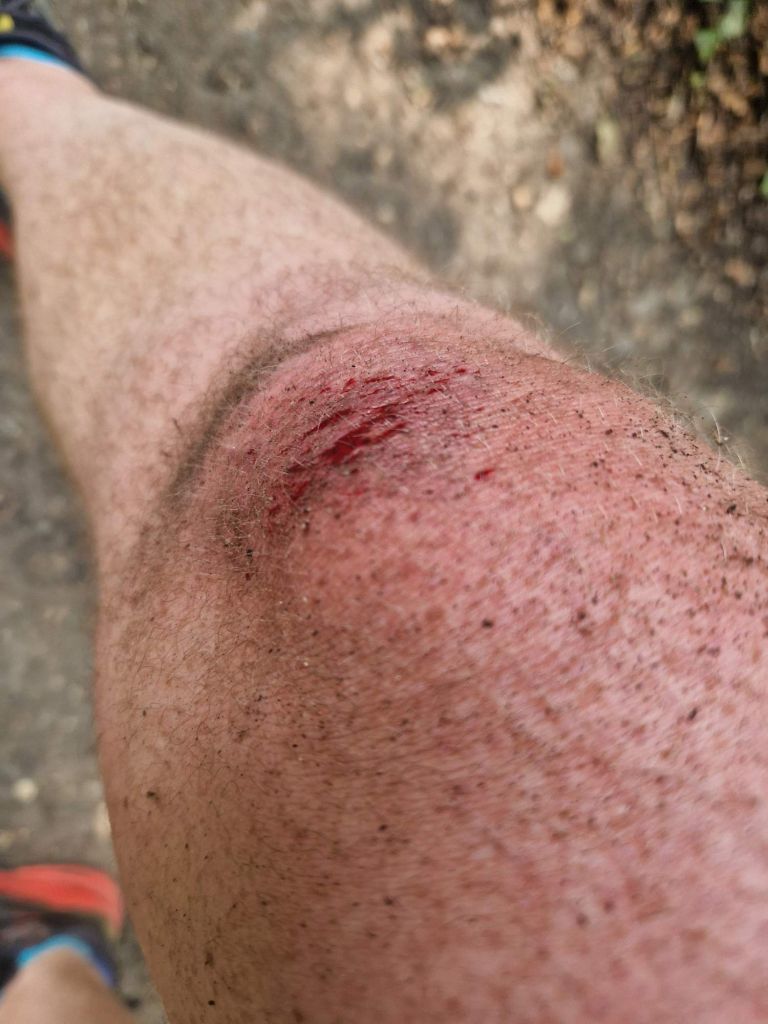
Durante o meu treino, o meu pé ficou preso* numa pedra e eu atrapalhei-me e cai no trilho da margem da ribeira Beverly. O meu joelho direito dói-me. Está arranhado, com pequenos ferimentos** e uma contusão. Felizmente, não é um daqueles feridos que põem fim ao treino. A rótula*** não está partida e não há nada torcido****. Ufa!

Gratuitous knee selfie.

*I originally wrote “enganchado”, but that’s far too literal – not just caught but literally impaled on a hook (gancho)

** I keep forgetting this word exists. It’s too similar to ferramenta, I think, so it sort of slides into the part of my brain that deals with tool use instead of living with ferida (also an injury) and ferir/ferido (verb to injure)

*** “Patela” does exist in portuguese, and that’s what I wrote originally but it caused as much confusion as if I said “patella” in a normal english conversation when I meant “kneecap”

**** Embarrassingly wrote “torcida”, signalled by the a on the end of “nada”. Nada is an indefinite pronoun, and even when it’s acting as a noun it’s masculine – detail here.

Posted in Portuguese

O Testamento do Senhor Napumoceno da Silva Araújo

So one of the exercises in Português em Foco just casually says “Read the book O Testamento do Senhor Napumoceno da Silva Araújo, by Germano Almeida and complete the following questions”. LOL, well, that’s quite an exercises there, lads. OK, I already have 6 books on the go so I’ll fill in the detail but I decided to watch the film adaptation instead because I need listening practice more than I need reading practice. Here’s the film in case anyone else reading this is interested, and my answers are in the table below, with the book stats nicked from the Wook product page.

O Testamento do Senhor Napumoceno da Silva Araújo
Título da obra: O Testamento do Senhor Napumoceno da Silva Araújo
Editor: Editorial Caminho (filme realizado por Francisco Manso)
Local e data da edição da obra:Portugal, 1989 (filme 1997)
Informações sobre o autor (biografia resumida): O autor é um cabo-verdiano que nasceu no fim da segunda guerra mundial. Trabalhou como advogado e estabeleceu uma revista literária.
Outras obras do autor (bibliografia):O Fiel Defunto
Estórias contadas
A Confissão e a Culpa
Resumo / sinopse da obra: A ação passa-se em Mindelo em Cabo Verde. Uma mulher descobre que é a filha ilegítima do recém-falecido senhor Napomuceno de Silva Araújo. Com ajuda das cassettes que ele lhe deixou, começa a constatar os factos da vida dele. Ouve dos seus negócios, os seus namoros e a sua candidatura a vereador, terminando com a revolução, a independência e o declínio do Senhor, incapaz de comer sem ajuda e cheio de arrependimentos.
Citações da obra: 54:10 “Meus senhores, quero propor um brinde a este notável comerciante e a perspicácia com que soube prever este êxito comercial
1:30:10 “A vida é uma mulher nua deitada numa cama”
Comentário sobre o livro: Acima de tudo, a história lembrou-me do filme clássico “Citizen Kane” que também começa com um homem rico e respeitado e, no rescaldo da sua morte, as outras personagens desvendam o lado humano de uma pessoa quase lendária.
(E mais notas sobre o filme)Fiquei surpreendido por quão facilmente entendi o que os atores disseram apesar dos seus sotaques regionais. Falam muito nitidamente e enunciam bem cada palavra. Quem me dera que houvesse mais filmes assim!
A cantora cabo-verdiana Cesária Évora aparece no filme e canta num bar.
Posted in Portuguese

Carolina Deslandes

Carolina Deslandes no programa Maluco Beleza (licença aqui)

Como Londrinos, em 2024, estamos a ser mimados . Temos tido tantos espetáculos portugueses para escolher. Recentemente vi nas redes sociais que vai haver mais um concerto de Carolina Deslandes, uma estrela da música pop e da televisão. Vai aparecer no Jazz Café em Outubro. Vou assistir ao concertou e estou a tentar persuadir a minha esposa a vir comigo.

Posted in English

Obscure Arguments

I was just arguing with someone about whether the common Brazilian use of the word “falar” exists in European portuguese. In Brazil it is often used interchangeably with “dizer” ao you get hideous travesties like “‘Dá-me uma banana’ falou o macaco”. The first time I encountered this I was shocked to the core but then I mentioned it to a portuguese guy and he said it exists in Portugal too, albeit less common. Priberam seems to back this up – it’s the second definition – but the guy seemed to think I’d been misinformed. Maybe he’s right, I dunno, I’m only going by what I’ve been told.

Aaaaaaaaanyway, while I was searching this blog for the post I wrote about it at the time, I came across this post that I had forgotten all about because i have the memory of a goldfish. It’s about a different controversy. I wonder if part of the reason I make so many mistakes is that I spend too much time trying to unravel weird edge cases like this and not enough learning the genders of common nouns ending in e.

Sigh.

Posted in Portuguese

O Êxodo das Hortênsias

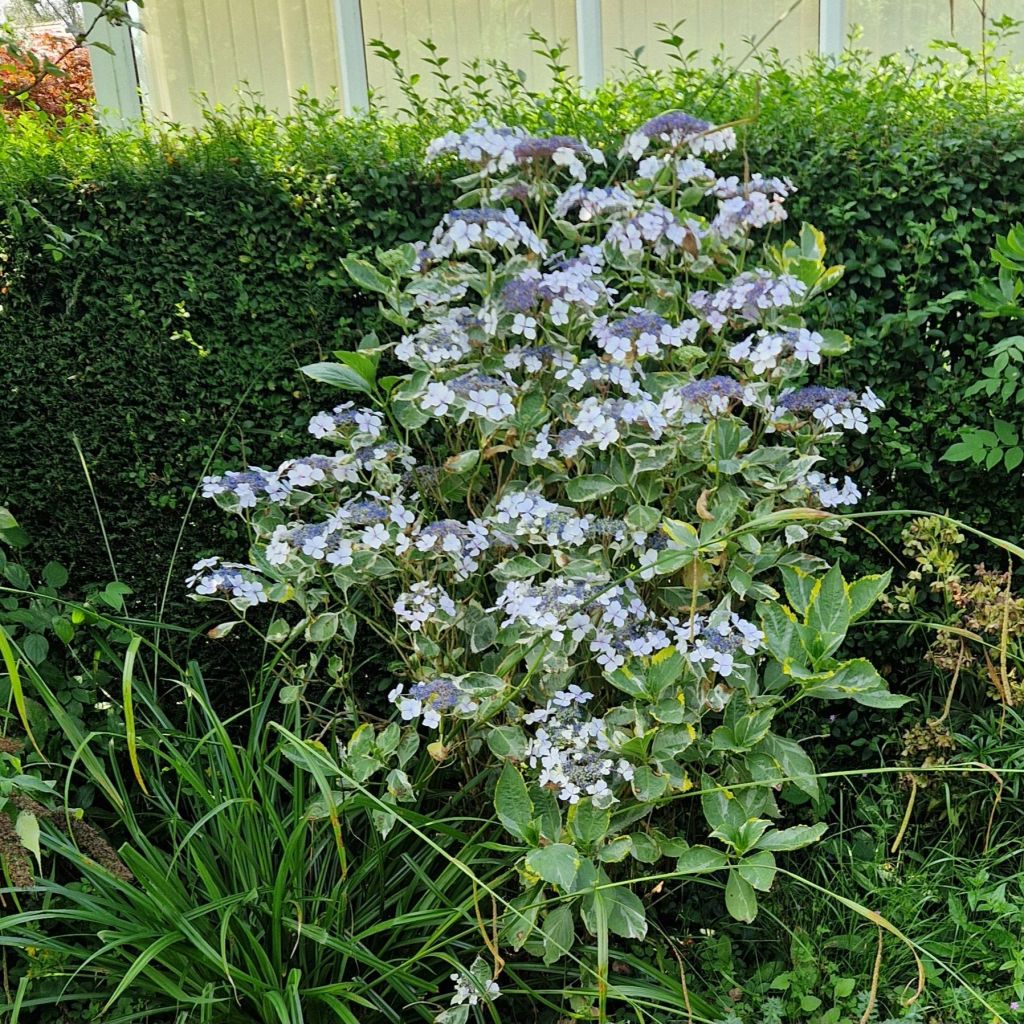
A minha mãe pediu-me para transplantar as suas hortênsias por razões complicadas que têm a ver com a venda de uma metade do quintal dela. Se não forem resgatadas, provavelmente morrerão todas e ficarão sob uma casa como a Bruxa Malvada do Leste (mas sem meias riscadas). Planeio movê-las durante o outono quando as temperaturas estiverem mais brandas.

E se morrerem de qualquer das formas? É muito provável porque são arbustos maduros com raízes fundas. Por isso, estou a seguir um plano B. Cortei umas estacas do azul, do cor-de-rosa e sobretudo do branco (o seu favorito, como ilustrado infra!) Escolhi brotos verdes, sem flores. Tratei as partes inferiores dos troncos com hormônio de enraizamento e coloquei-os num canteiro cheio de compostagem. Se tudo correr bem, as raízes irão crescendo (ouvi dizer que a taxa de sucesso é em volta de 50%) e nós teremos 4 ou 5 mudas sobreviventes para substituir qualquer arbusto que bata as botas.

Não dei nada sobre o cultivo e a propagação das flores mas felizmente o Google já existe!
Posted in Portuguese

Dundee

Pointless waffle only written to use as many expressions with the word “cabeça as I could crowbar in.

Fomos visitar a nossa filha no fim-de-semana passado Foi a primeira vez desde o espetáculo no qual o Mika era cabeça de cartaz.

Na escola, ela andava com a cabeça nas nuvens mas agora está a atirar-se de cabeça à sua obra, um romance. Há uma parte de mim que quer fazer a cabeça dela e convencê-la a voltar à universidade, mas tenho de confiar nela. Provavelmente vai usar a cabeça e voltar daqui a uns anos mas ela tem mais confiança do que antigamente; anda de cabeça levantada pelas ruas da sua cidade adoptada. Eu prefiro Londres mas não lhe passa pela cabeça voltar para a capital. Está feliz por lá.

Tem um novo telemóvel após várias horas a tentar mudar o seu contrato porque antes do seu aniversário, foi eu que a paguei as contas. A empresa não queria saber, portanto nós os dois passámos quase um dia inteiro a tentar desenroscar a situação. Eu dei com a cabeça na parede. Ela deitou as mãos à cabeça.

Posted in English

Marathon Course

I’m really looking forward to this. Currently at 18 miles in my long runs but not exactly impressive speeds. I hope I actually make it. My history of failing to start Portuguese running races is truly disgraceful.

Posted in Portuguese

Casa Trabalho Casa 2

I’ve just fixed some errors in my listening-and-writing exercise I did here, and was challenged to re-do it. This time I will try and get down keywords instead of trying to sumamrise it in whole sentences and I will try and include the following key phrases

  1. deixar marinar (“let it marinate”)
  2. o mal-estar já se instalou (“the bad feeling has set in”)
  3. em funções de “suporte” (“in a support role”)
  4. fazermos parte (“taking part”)
  5. falar com a chefia (“speak to the management”)

O Que Fazer Quando o Nosso Trabalho Não é Valorizado

  • Sugerido por ouvinte
  • Identificamos
  • 62% – Flexjobs sondagem: falta de equilíbrio , baixo salario, cultura tóxica
  • pessoas desligam ‘ silent quitting
  • o que é?
  • Quais são as necessidades? O que está a acontecer?
  • Uma opinião sobre sentimentos dos outros
  • Deixar o sentimento marinar é perigoso
  • ate se for resolvido o mal-estar já se instalou
  • Continua a sentir a mesma
  • Termos impacta
  • temos de nos sentir importante.
  • Difícil para quem trabalhe em funções de “suporte” (apoio)
  • Fazer parte é uma necessidade
  • Procurar papeis com mais visibilidade
  • Falar com a chefia sobre o sentimento
  • Há chefes que não entendem isto
  • Faz com que reparem em ti
  • “Burnout” é sintoma
  • Responsabilidade de falar sobre isto
  • “proativa”
  • “O nosso valor enquanto pessoa não depende de outra pessoa .. é intrínseco”

Hm, I don’t feel like I nailed this at all, but that’s why we practice! I’ll do more of these, I think.

Posted in Portuguese

Os Jogos Olímpicos

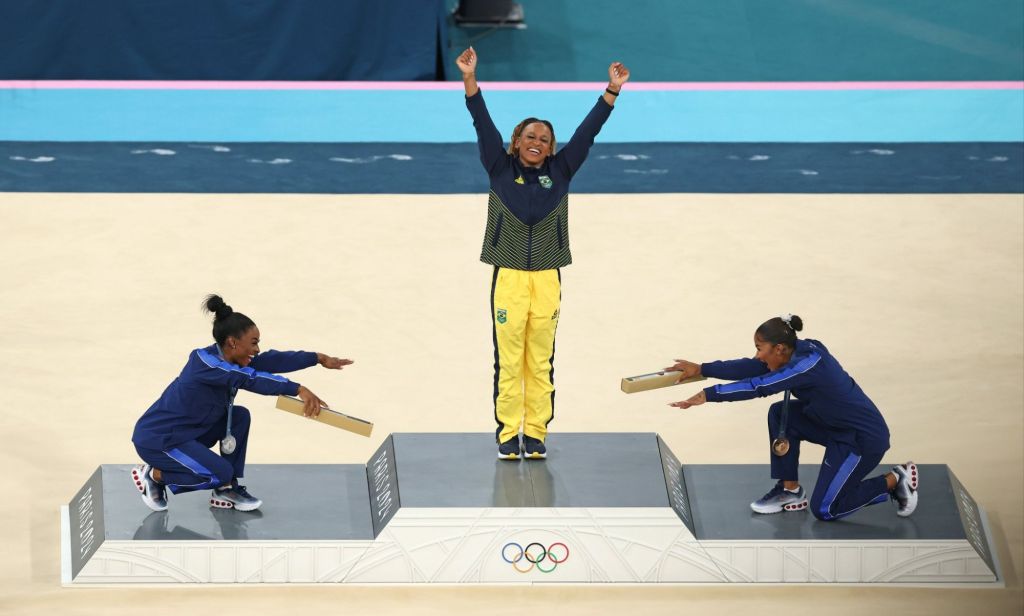
Não presto muita atenção aos Jogos Olímpicos, portanto só reparo nos altos e baixos. Quanto aos piores aspectos, eh pá, nem sequer quero pensar no tal gajo da equipa holandesa de vólei, vamos falar sobre os melhores.

São basicamente resumidos nesta foto. Duas americanas a demonstrar respeito à vencedora brasileira com uma vénia generosa. A foto tem uma simetria que é bonita mas além disso, o espírito desportivo é que é o mais evidente.