Posted in English

Et Tu Memrise?

As I said earlier…

It’s just so pointless. You open the app and there’s this great picture background but you just think “what? I want to learn vocabulary not have to think how to get from here to my course list, you nitwits!

Posted in Portuguese

Comentários Sobre Um Filme: Passport to Pimlico

passport-to-pimlico-149-001-stanley-holloway-on-tube-00m-fgqO meu filme favorito é um filme a preto e branco do Estúdio Ealing que se chama “Passport to Pimlico”.
Os eventos do filme acontecem em Pimlico, um bairro de Londres nos anos imediatamente a seguir da Segunda Guerra Mundial. Na abertura, uma velha bomba, enterrada debaixo duma igreja explode e nas ruínas, encontra-se uma caixa com papeis antigas que diziam que Pimlico foi dada* ao duque de Borgonha na idade média. Borgonha ainda não existe, mas os papeis diziam que viva neste pequena área de Londres.
No início, esta informação parece uma piada, mas passado pouco tempo, toda a gente de Pimlico decidiu que eram cidadãos de Borgonha. Não têm de obedecer as leis do Reino Unido, não têm de pagar impostos, e podem vender e comprar à vontade. Em breve, a situação cresce até ao ponto em que o governo construí uma parede em redor do bairro e não deixa ninguém entrar nem sair. Ninguém pode obter comida e os moradores pensam que estão vencidos mas um rapaz fora do muro lança um bombom** por cima do muro para dentro de Borgonha. Os adultos fazem o mesmo. Batatas, frutas, pão, latas, todos voam para dentro e (como se diz “spoiler alert***”?) a Borgonha permanece viva.
É muito engraçado. Também, gosto muito de ver o espírito da cidade a acordar depois de tanta destruição, tanto dificuldade.

*=I think this is right. Some of the corrections seem to be assuming that the box was given to the Duke of Burgundy, but no, Pimlico – or at least that part of it – was.

**=It was a sweet or a lollipop or something, IIRC, and not – as one of the corrections seemed to assume – a balloon.

***=”Alerta spoiler”


Thanks as ever to the iTalkians who helped me with corrections: Sophia, João and Lorena.

Posted in English

O Patio Das Cantigas

I watched the remake of the 1942 classic today. Why? Why did I bother? As far as I can tell, it’s not as funny and not as easy to understand as the original. If you’re considering it, save your money and watch the real thing on Youtube.

The DVD doesn’t have Portuguese subtitles, only English ones. The youtube video has Portuguese subtitles but (my sources inform me) they’re not very accurate. It looked like a much better film though: Better acting, not trying as hard, and they talk at a more manageable pace. I’ll do it properly next time.

Posted in English, Portuguese

As Cartas

Letters are right at the end of the textbook I’m using but they come up in some of the mock exams I’ve looked at so I thought I’d better get familiar with them

1 – Formal

Londres 20 de Maio de 2016

João Imaginário
Faculdade de Letras da Universidade de Lisboa
Alameda da Universidade
1600-214 Lisboa
Portugal

Excelentíssimo Senhor
Desculpa de não ter escrito mais cedo. Tive dores nos dedos por causa de tocar demasiado o violão e por isso não pude usar o teclado.
Fiquei espantado e encantado ao receber a sua oferta de tornar-me Professor de Português. Depois de muita consideração, acho que devo recusá-la neste momento porque preciso de mais pratica. Pode ser no próximo ano?

Obrigado outra vez
Os melhores cumprimentos
18ck

2 – Informal

Londres 20 de Maio de 2016

Caro Jose

Obrigado pelo livro que enviou-me para o meu aniversário. Não tenho lido livros de China Mievile, mas gosto muito de ficção científica e ouvi que é um escritor interessante. Estou contente por saber que a sua equipa ganhou o tri campeonato, seja lá o que isso for.

Um abraço
18ck

So it looks like Caro is the rule for starting letters in informal situations and Excelentíssimo (or “Exmo”) for formal. I have also seen “Prezado” (“esteemed”) but I believe that’s more of a Brazilian thing.

The sender’s address only seems to be the town and date in the format shown. Recipient addresses have the format:n5anuxqrjqjijncdkitgf03dee2

[Recipient Name]
[Housename] (optional)                
[Streetname] [Streetnumber] 
[Locality]
[7 digits] [TOWN]        
[PORTUGAL] (if posting internationally)

Endings seem to be “os melhores cumprimentos”, “Atentamente”, or further down the scale of formality, “um abraço” (seems to be common between men) or something with beijo or beijinho.

Formal letters also seem to use v/ for Vosso and n/ for Nosso. I haven’t seen these anywhere except on the formal letter sample in Lathrop and Dias, which is sort of weird.


Posted in Portuguese

As Redes Sociais (Tradução)

As redes sociais fazem as pessoas que estão distantes parecerem perto e aqueles que estão perto parecerem longe.

Isto quer dizer que as pessoas que vivem em Brasil, por exemplo, parecem perto porque é fácil falar com eles através do Skype ou Facebook ou mesmo iTalki! Mas os amigos ou membros da família sentados frente a frente são distraídos por os seus telemóveis e por isso não falam em nada.

smart-phones


Thanks to Rubens, Fábio and Rejane for help with the translation. The original quote is something I have heard from the mouth of Stephen Metcalf, although I don’t remember if he was quoting someone else at the time. It’s something like “Social networks make people who are far away seem close and those who are close seem far away”

The translation of “at all” turns out to be more complicated than I assumed because (duh!) you can’t just translate it literally

Estou a revisitar este “notebook”. Muito obrigado para isto resposta. Hm. Acho que o erro que faço é em tentar traduzir literalmente a frase inglês “at all”. Em inglês, se deseje aumentar um negativo, pode usar “at all”. Por exemplo “He didn’t say nothing at all” significa “disse absolutamente nada”. Talvez devo dizer “mesmo” em vez de “de tu/odo”. “Disse nada mesmo”, “não falam mesmo”. Hum… Faz sentido?

Or possibly “em nada” . Não falam em nada”. In English I would say “they don’t talk at all”

Posted in Portuguese

Vêm Os Brasileiros

2a696675cb838a66889464a5cdef3e36[Warning – Uncorrected Text = Likely to be a total disaster]

Na semana passada, faço um exame modelo de Português Nível B1. Havia um exercício de gramática e… que horror!  Tive quinze por cento! Pedi a minha professora ajudá-me compreender as regras. Ela explicou que este modelo era um “CELPE-Bras” (Português de Brasil) e por isso muitas regras não aplicavam a Português de Portugal. Depois de fazer correcções, a minha nota nova foi… sessenta e cinco por cento! Isto não é tanto mal!

Posted in Portuguese

Os Relógios

big-brother-is-watching-youBoa tarde e Força Benfica!*

O meu livro preferido é “1984” de George Orwell. A protagonista chama-se Winston Smith, e vive em Inglaterra no futuro. O livro foi escrito em mil novecentos e quarenta e oito. Naquele ano, Mil Novecentos e Oitenta e Quatro parecia o futuro, apesar de que só tinha quinze anos! É uma “utopia negra” que trata a manipulação da história e do idioma para controlar os cidadãos. Nas páginas dele há muitas frases bem conhecidos por exemplo “Big Brother is Watching You” (“O filho mais velho esta a olhar-te”)
Mas por quê digo-lhe isto? Boa questão.
Hoje, quando estava a falar com a minha professora, ela lembrou-me que os Portugueses usam o relógio de vinte e quatro horas. Por outras palavras, se forem três da tarde, é comum dizer “as quinze”. Agora, em Inglês, isso seria muito estranho. Além disso, é tão estranho que o Orwell utilizou a estranheza como um bom efeito. O livro começa assim:

“It was a bright cold day in April and the clocks were striking thirteen” (quer isto dizer “Estava um dia claro e frio em Abril, e os relógios estavam a tocar as treze”)

Quando um leitor inglês lê isto, os seus pensamentos correm como seguinte:
– Estava um dia claro e frio… [Mm-hm, O clima… bom. É normal. Que mais?]
– em Abril… [a primavera. Que bom. E o que mais?]
– e os relógios estavam [o tempo. O que pode ser mais normal do que o tempo?]
– a tocar as treze [O QUÊ????? Não é possível! Só há doze números num relógio. O que se passou?]

Neste ponto, o leitor deve pegar numa chávena de chá para acalmar-se.
Mas acho que em Portugal, esta frase não parece nada estranha…?
Mais tarde, o leitor descobre que no futuro, muito terá mudado, e uma destas coisas será a medida do tempo.

———————————————————

*=Para ser honesto, não me importa mas estou a tentar parecer como um português autêntico. Por outro lado, se fosse português estaria a ver o jogo, né? Hum.

Posted in English

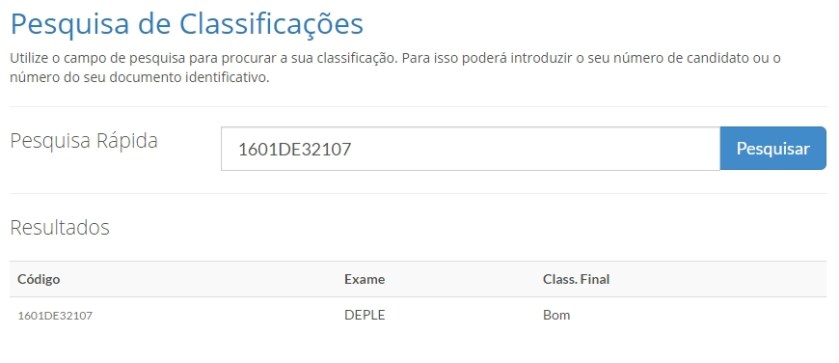
Um… The… Um… Exam…

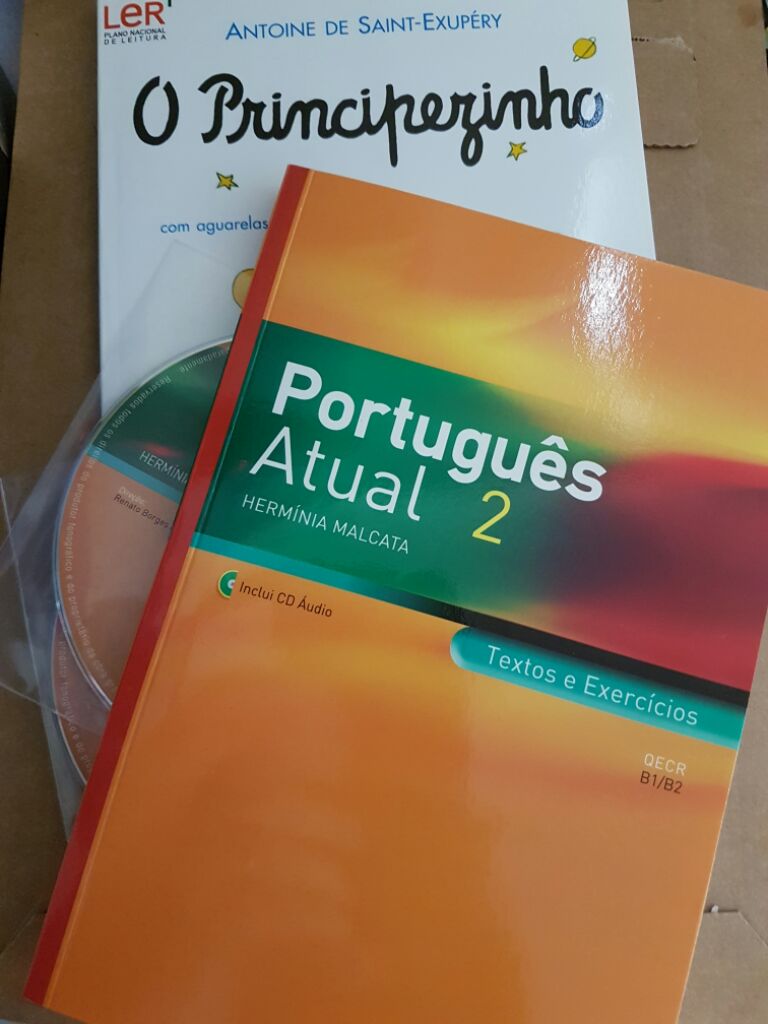
Just eight days now. It’s scary! I’ve been having extra lessons to raise my spoken language game from “horrifying” to merely “awful”. One of the things I’ve found helpful is Amolto Call Recorder for Skype. I’ve been using it to record my calls so I can listen to them later and get a second shot at my teacher’s wisdom (with her permission of course!)

Unfortunately, the results have been a little demoralising. I can’t believe how much time I spend just saying “Ummmm”.

So… there’s a long way to go.

Posted in English

Small-Talk Charades

Here at Luso HQ, we are big fans of a game called DipSticks. The game consists of a set of thin, cardboard strips with a question on each side. Contestants draw out a stick and have to perform a charade or some other task. Whoever answers correctly gets to keep the stick.

IMG_20160518_5667Now, there are only eight days left until the exam (*cue sound of screaming*) and I was trying to think of ways to cram in as much spoken Portuguese as I possibly can, so I hit on the idea of making my own DipSticks, but with Portuguese questions instead of charades. Each one has the same question each side, with one written in the “tu” form and one in the você form. My daughter is quite into the idea, which I like because, well, really anything that gets her learning about language is a plus in my book. The categories are loosely based on the “pontos de orientação” from the “Contatos Sociais” section of an old DEPLE paper published by TELC that I have somehow (how? I can’t remember) got hold of, so hopefully these are the kinds of questions that are likely to come up in the real exam.

The idea is that m’daughter will pick a card and read it out, possibly with some help, and I will try and give an answer at the drop of a hat. If I get a plausible answer with minimal umming and ahhing, and my pronunciation is close enough to at least not be misunderstood, then I win. If not, no stick for me.

You can download them as an excel file here if you’re interested. Just print them out on some nice thick printer paper (I used the same coated paper I use for printing photographs, but I’m sure some decent chunky CV paper would do the job just as well) , fold it in half along the centre line, glue the two sides together and cut them into sticks. They fit nicely into these funny little glasses somebody gave us, as you can see. A shot glass or even an egg cup would probably work just as well though.


Posted in English

Latest News From The Humour Lab

Following on from the last one

“An optimist is a person who, if he falls off the top of a building would wave through every window and say “doing all right so far!”

This is a bit of a cheat since it’s just a straight translation of an english joke but I like how it sounds anyway.