I’ve been trying to subscribe to a podcast called “Dia de Reflexão” for a while now but couldn’t find it in the apple store. In the end, I went to the podcast’s own website where I got a link to the various pod services. One of these links to the itunes store, but when you click it it takes you to the portuguese version of the store. In the process, you get logged out, but that’s fine: suddenly, it’s muuuch easier to find portuguese podcasts. This is definitely a good thing. There are instructions here for how to associate your ID with a different country’s store permanently but I didn’t fancy that. The ability to teleport there seems like it’ll do for now and signing back into your account is enough to take you back to your own country site where everything will work as normal.
Author: Colin Lusk
Just a data nerd
Variações
Watching a biopic of the “Portuguese Bowie” António Variações, and it’s definitely one of the best portuguese films I’ve seen. Decent acting, actually making me feel like I understand why people like his music; I must confess I find him a bit difficult, but I didn’t grow up with him. I’ll write a proper review when I finish it, likely sometime tomorrow since I need to get to bed.

Rapaz’s Delight
Listening to an episode of Cromos M80 the other day I heard about “Os Lusitansos” by Luís Filipe Barros. It’s a history of Portugal in the form of a rap, with the beat basically pinched from the Sugar Hill Gang. It’s er… Well, it’s something from the 80s, simultaneously the best and worst decade in history.
Narwhal
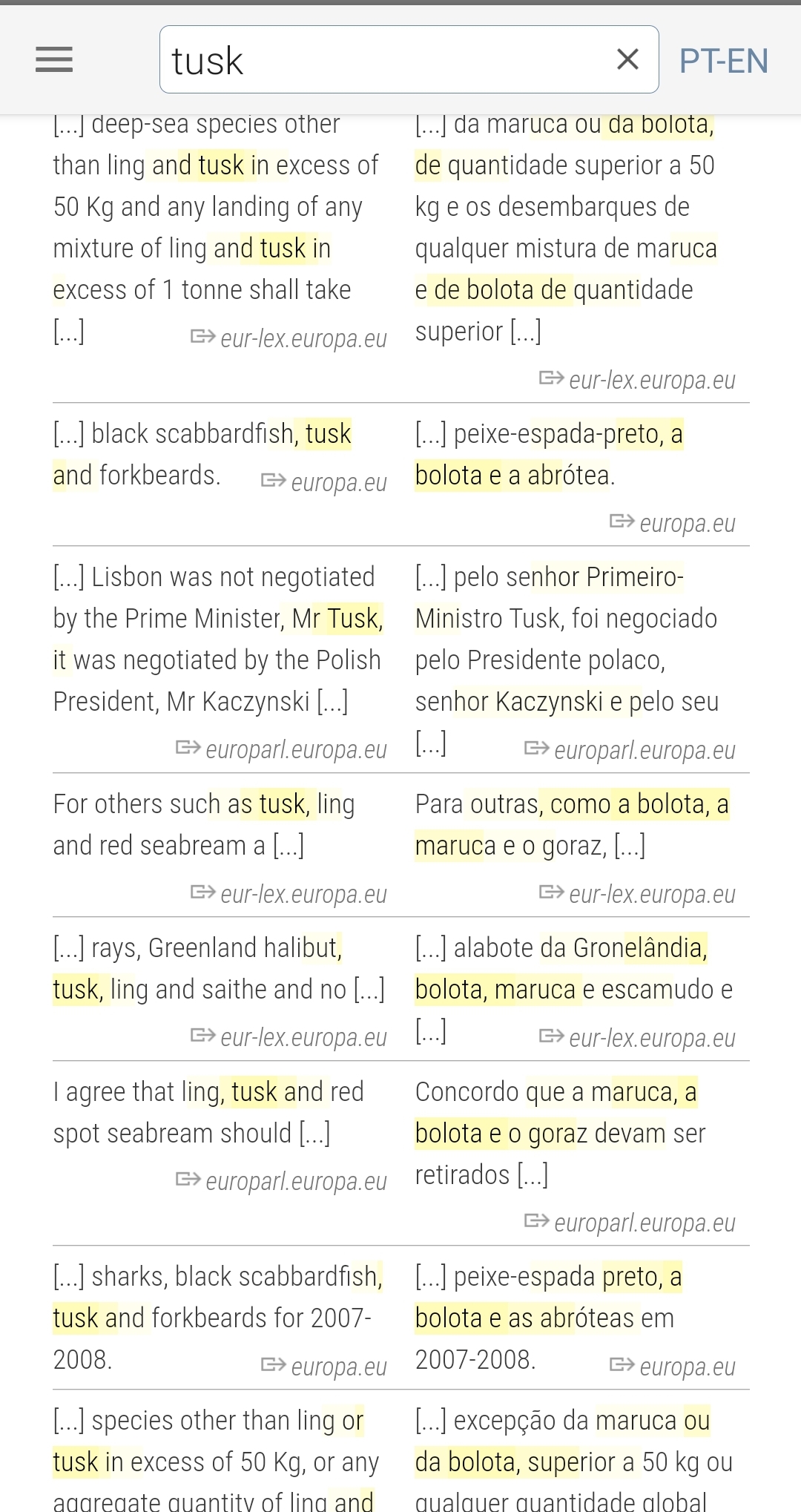
I had a Portuguese lesson via Skype today and during a conversation about current events, tried to use the phrase “narwhal tusk”. My teacher had read about the idiot on London Bridge but hadn’t heard that specific detail so she couldn’t help. I checked Linguee for “tusk” and Linguee, which seems to base a lot of its natural language processing on the contents of translated EU policy documents and not so much on old Tarzan novels, thought I meant a kind of fish called a tusk, so it gave me the word “bolota” which is the word they use apparently. Sadly, bolota more commonly means acorn, so there I was, blathering on about a whale’s acorn. Yes, that’s it, this polish guy grabbed a whale’s acorn, you see, and went to attack the terrorist. What mental image must she have had?

I suppose it could have been worse. Donald Tusk features heavily in those same EU documents and pops up from time to time in the Linguee results, usually without translation, although in at least one “Prime Minister Tusk” is translated as “o Primeiro Ministro turco” which is a massive cock-up if ever I saw one.
In case you’re wondering, Narwhal is just “o narval” and tusk is “a presa”. So as Wikipedia says “Os navais machos são distinguidos por uma presa helicoidal longa e feta que, na verdade, é um canino esquerdo superior alongado” so now you know.
PessOh!a
I can’t believe I didn’t know this
https://twitter.com/nosilverv/status/1193836116367028224?s=20
Instagram Language Challenge #IGLC
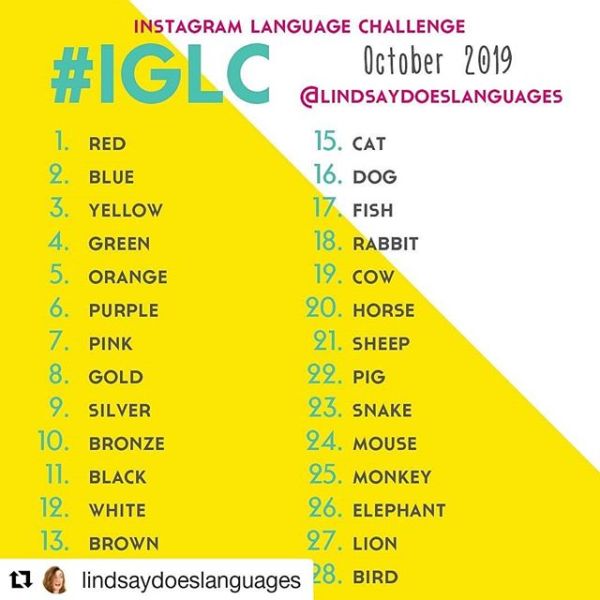 Taking a break from the lizards today to compile Instagram posts I made as part of Lindsay Does Languages‘ Instagram Language Challenge in October, which I did to stretch myself. I tried to use some basic scientific vocabulary and write some more complicated sentences. It was quite good fun thinking of new stuff to write about, and I ended up doing refraction, buddhism, make-up and dinosaurs as well as some totally made-up bollocks that I just wrote for a laugh. Some have been corrected, others not. It’s a bit tough for people doing the corrections, I think. When I talk about how, before the horse was invented, all the idiomatic expressions involving horses had originally referred to dolphins, guinea pigs and other animals, I think serious-minded teachers must wonder whether I’m joking or just severely misunderstanding the meanings of the words and phrases I’m using.
I’ve also added all the new vocbulary into a Memrise deck so I won’t forget it all immediately
Day 1: Red
Day 2: Blue (The well it mentions, by the way, was repened after its refurbishment by John Bercow. Now if only I knew how to say OORRRRDDAAAAHHH in portuguese)
Bonus Blue
Day 3: Yellow
Day 4: Green
Day 5: Orange
Day 6: Purple
Day 7: Pink
Day 8: Gold
Day 9: Silver
Day 10: Bronze
Day 11: Black
Day 12: White
Day 13: Brown
Day 14: Grey
Day 15: Cat
Bonus Cat
Day 16: Dog
Day 17: Fish
Day 18: Rabbit
Day 19: Cow
Day 20: Horse
Day 21: Sheep
Day 22: Pig
Day 23 + 24: Snake/Mouse Crossover edition!
Day 25: Monkey
Day 26: Elephant
Day 27: Lion
Bonus Lion
Day 28: Bird
Prestável and Prestativo
It’s only just occured to me to wonder what the difference between these two is. They can both be translated as “helpful”, but “prestativo” is used when someone is happy to help others, whereas prestável is more instrumental – when some thing is helpful for achieving an end – so more like useful.
Ignore this, it’s wrong. New version here
Bad Education
Problems of peer-to-peer learning sites: sometimes the people you’re learning from know even less than you.

Lagartos Voadores
Second lizard-related post in a row. It’s a new theme…
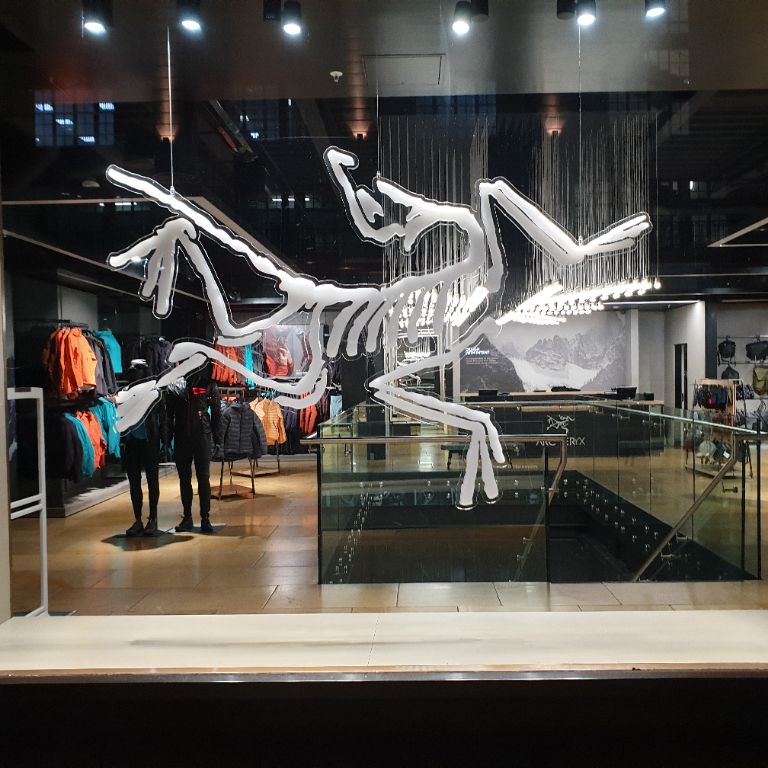
Vislumbrei esta montra em Londres no passado sábado. Não parece, realmente, uma ave mas é uma forma bem conhecido: representa um fóssil dum dinossauro chamado arqueopterix (se não me engano, Arqueopterix é o nome do papagaio de estimação de Astérix o Galo, não é?). Arqueopterix era um dinossauro pequeno com penas em vez de escamas. É provável que voasse, ou seja esvoaçasse, de árvore para árvore. Apesar deste fóssil ter sido descoberto em 1861, não costumávamos pensar nos dinossauros e nas aves como primos até recentemente. O filme (e livro, não se esqueça!) “Jurassic Park” popularizou a teoria. Hoje em dia, os cientistas já averiguaram que até o poderoso Tiranossauro tinha penas. Imagine! Que segredo constrangedor: o rei dos lagartos armou-se em ferocidade mas todos os seus amigos, o brontossauro, o tricerátopo e o anquilossauro tomaram-no, e riram-se. “Olha” diz o estegossauro (os estegossauros eram brutos, realmente, pá) “Aqui vem uma galinha”. Pobre Tiranossauro
Lizard, Lizard, Lizard
 One of the exercises in “A Actualidade em Português” is about superstitions and there are five that are similar to “knock on wood” or similar – phrases for warding off the effects of bad luck. By far the coolest is “Lagarto, Lagarto, Lagarto” (Lizard, Lizard, Lizard). I have no idea why that means what it means. Ciberdúvidas isn’t much help and neither is Andreia Vale’s “Puxar a Brasa à Nossa Sardinha”. Even m’wife didn’t know, only guessed that maybe it was because witches use lizards in their spells.
Anyway, while I was researching it, I came across this freaky advert for an art show which uses an old song from the 70s by Banda do Casaco called “A Ladainhas Das Comadres” which includes the phrase. Confusingly the first line is in latin (the portuguese equivalent would be “Afasta-te, Satanás” or “Vai para trás, Satanás”)
Vade retro Satanás [get thee behind me Satan – Latin]
T’arrenego Belzebu [I abjure you, Beelzebub]
A Jesus Cruzes Canhoto [To Jesus, crosses left-handed]
Lagarto, Lagarto, Lagarto! [Lizard, Lizard, Lizard!]
That “Crosses left-handed” is a similar phrase used to ward off evil, sometimes extended to “Cruzes, canhoto! Longe vá o agouro!”
Similar phrases include
- Isola
- Diabo seja cego, surdo e mudo
- Vira para lá essa boca
- Salvo seja

