Posted in English, Portuguese

Dia Mundial da Poesia

jose_letriaVerso Alcançando o Infinito – Tradução

O poema nasce de um impulso,
The poem is born of an impulse
de uma febre, da tirania de uma miragem,
from a fever, from the tyranny of a mirage
da tentação sonora de uma metáfora,
from the sonorous temptation of a metaphor
do vazio que teme transformar-se em nada.
from the emptiness that fears becoming a void
Depois é a escrita, é o trabalho da mão
Then comes the writing, the work with the hand
sobre a matéria incandescente das sílabas.
on the incandescent material of syllables.
E, quando damos por nós, é de corpo inteiro
And when we discover ourselves, it’s the whole body
que estamos na fragilidade do poema
that we are in the fragility of the poem
como se tivéssemos ousado cavalgar numa nuvem
as if we had dared to ride on the back of a cloud
para desafiar todos os poderes do céu.
to challenge all the powers of heaven
Quem ousará explicar este sortilégio?
Who dares explain this sorcery?
Nem sequer os deuses, pois esses
Not even the gods, because they
nasceram da própria erupção do verbo,
were born in their own verbal eruption
da explosão da prece fingindo ser capaz
from the explosion of prayer that claims to be capable
de vencer o sofrimento e o assombro.
of conquering suffering and dread.
O poema nasce, afinal, da ilusão
The poem is born, after all, from the illusion
de que ainda resta algo para ser dito
that there still remains something to be said
e de que o silêncio é um cativeiro fugaz
and that silence is a brief captivity
em que as palavras se amotinam
in which the words rebel
para de novo voltarem a ser voz.
to return to being a voice again.

José Jorge Letria, O Livro Branco da Melancolia (2001)

Posted in Portuguese

Os Painéis Publicitários

billboardsDurante a aula de hoje, havia um texto sobre painéis publicitários. Lembrei-me do poema “Song of the Open Road” (A Canção da Rua Aberta”) de Ogden Nash, o poeta e humorista americano
Decidi fazer uma tradução:

Acho que nunca verei
Um painel publicitário tão bonito como uma árvore
Talvez, a menos que caiam os painéis,
Eu nunca verei uma árvore

Em inglês:

I think that I shall never see
A billboard lovely as a tree
Perhaps, unless the billboards fall
I’ll never see a tree at all.

(em algumas publicações, a terça linha começa “indeed” em vez de “perhaps”)

3 verbs and I only got one of them right. Confusing conjuntivo weirdness blinded me to the obvious “just put it in the future tense” option!

Posted in Portuguese

Os Feijões: Uma Poema

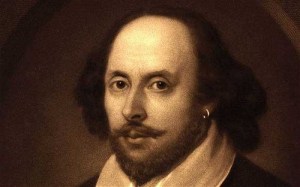
Eis uma tradução dum poema de William Shakespeare para praticar as minhas orações proporcionais

notebook_image_679298Os Feijões, os feijões
São bons para o coração* 
Quanto mais os comeres
Mais te peidas
Quanto mais te peidares
Melhor te sentes
Portanto vamos comer feijões
Em todas as refeições

Desculpem-me, os meus amigos, mas menti. Não foi escrito por Shakespeare. Eis a verdade, crua e nua:É um poema do pátio da escola, mas “O Cisne de Avon**” teria o escrito se não estivesse ocupado em escrever todas estas peças de teatro!

I’m slightly embarrassed at how many people offered corrections on this and saw me at my worst, telling fart jokes I remembered from 1977, but never mind. Anyway, footnotes:

*=I want this to be “os corações” for the rhyme but tbh, “for the hearts” doesn’t really make sense unless you happen to be a Time Lord, so poetry loses out to biology in this case.

**=”The Swan of Avon”. I have no idea if this phrase means anything at all outside of this little island.

Thanks again to Sophia, Rubens and Beatriz for corrections on iTalki

Posted in Portuguese

Por Falta Dum Prego

Tentei traduzir um poema inglês, usando o pretérito imperfeito do conjuntivo… Espero que o efeito não seja demasiado horrível….

Se não houvesse um prego, a ferradura perder-se-ia.

Se a ferradura se perdesse, o cavalo cairia.

Se o cavalo caísse o cavaleiro seria morto.

Se a cavaleiro fosse morto, o exército se renderia

Se o exército se rendesse, o Reino seria arruinado.

Por falta dum prego, o Reino seria arruinado.

Reflections

This is a translation of a poem in English that has quite a few variations but goes something like this:

For want of a nail the shoe was lost,
for want of a shoe the horse was lost,
for want of a horse the knight was lost,
for want of a knight the battle was lost,
for want of a battle the kingdom was lost.
So a kingdom was lost—all for want of a nail.

I only picked it because it seemed like a good excuse to use a lot of subjunctives.

When I originally wrote it I made the silly mistake of simply looking up the word “nail” in the dictionary and simply using the first word (“Unha”) that came up. Thus it was that I published a notebook entry in iTalki that seemed to suggest that the kingdom could be lost because of the lack of a fingernail!