Posted in Portuguese

O Guardador de Rebanhos – Alberto Caeiro

Tendo lido um excerto deste conjunto de poemas de Alberto Caeiro (um dos Heterónimos de Fernando Pessoa), decidi ler o resto, para acompanhar uma das minhas sessões de fazer um puzzle e ouvir audiolivros. Existe uma versão no youtube que é ótima, mas não pago pelo serviço sem anúncios e… ora bem, basta dizer que a poesia soa melhor sem anúncios…

Os poemas descrevem a sua vida solitária, a escrever poesia para estar sozinho, e a cuidar os seus pensamentos como se fosse um pastor a guardar um rebanho no campo. A filosofia deste poeta está em sintonia com a ruralidade no seu redor: “penso com os olhos e com os ouvidos / E com as mãos e os pés” e sente-se maior quando vê um céu aberto do que quando está numa cidade, rodeado por prédios. Um poema que me marcou é o número XX que compara o Tejo com o rio que corre pela sua aldeia. Ainda que o Tejo seja belo, é mais famoso, ou seja, mais público, e quando as pessoas o veem, pensam na sua história e no seu percurso da Espanha para o Atlântico e daí em direção à America. Mas o seu rio é o seu rio e mais nada, e “quem está ao pé dele está só ao pé dele”.

Acabei por ouvir três vezes, e acho que a gravação do poema seria um excelente acompanhamento para um passeio ou uma hora de jardinagem
Posted in English

When is a Mistake not a Mistake?

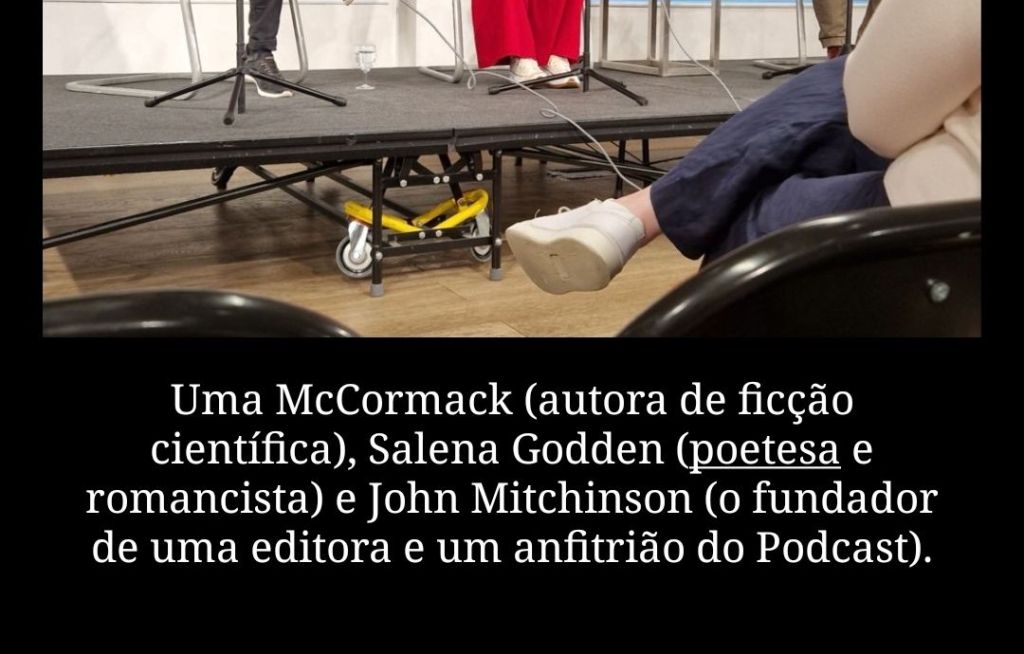
Like Alexander Fleming failing to keep his room tidy, William Webb Ellis getting away with handball or Christopher Columbus getting lost on the way to Japan, sometimes we fuck up, but the result turns out to be a kind of victory. Apparently I did this in yesterday’s post. I referred to Salena Godden as a “poetesa” thinking it was the feminine form of poet. It isn’t.

But it doesn’t matter. Why? Well, as you probably already know, poeta just means poet, and is masculine by default despite the -a ending. The equivalent of poetess is poetisa. In English almost nobody says poetess and it sounds a bit antiquated because we’re moving to a world where a job is a job and doesn’t need to change with the gender of the person performing it. Portuguese is a more gendered language generally, and if pens, TVs and hats can have gender, maybe it seems less obvious why gender has to be eliminated in words that refer to people. As a result, poetisa persists and is still used. But even though it is less of an endangered species that poetess is, don’t be surprised if you meet a poetisa who describes herself as uma poeta because why not?

But why is poetesa not a mistake then? I was baffled when I was told it actually sounded better than the right word, so I dug around, and I think it’s because of this. Esa is a suffix from latin which, when used as part of a feminine noun designates status and dignity. Well that’s good then. I don’t really know Salena Godden’s work but I bought a copy of her book Mrs Death Misses Death to read later and she signed it and I’m happy to have accidentally given her a respectful title!