Posted in English

O Verso Alcançando o Infinito

*groan*

So ages ago, I heard Jose Jorge Letria (a poet who wrote, among other things,”Era Uma Vez Um Cravo”) read a poem called O Dia Mundial da Poesia. I mean, I thought it was called that. I thought he’d written it for world poetry day and he’d called it that because it was about poetry itself, where it comes from and how it’s made. And I spent ages looking for a printed copy because I liked it so much even though my listening skills were terrible and I could only make out about one line in five.

The poem is born of an impulse [… Blah blah blah… ] from the sonorous temptation of a metaphor [… Something something…] Afterwards, it’s writing, the work of hands on the incandescent material of syllables [… Tum ti tum…] The poem is born, finally, from the illusion that there is something left that hasn’t been said [… Etc… ]

I couldn’t catch it all. But I got enough to know I wanted more but I couldn’t find it anywhere online or in any of his books.

Anyway, as you’ve probably gathered by now, it’s not called O Dia Mundial da Poesia at all; it’s called O Verso Alcançando o Infinito. So that explains why I couldn’t find it. Anyway, now I know what to plug into Google, I’ve found another recording of it here…

And if you need the lyrics (I wish I’d had access to then five years ago!) they’re here. Well, some of them are. Another one for my project to learn poetry, I think!


Posted in English

Poetry

One of the things I’ve been doing in my non-portuguese life is trying to learn poems. I had some idea that it would be nice to have more poetry in amongst the clutter of my brain, and also good mental exercise now that I’m well into middle age and finding myself forgetting stuff all the time. In the last couple of weeks I have memorised two. I can now recite Weathers by Thomas Hardy or The Subaltern’s Love Song by John Betjeman by heart. I like the Betjeman best; the rhythm of it is amazing, and it really conveys the sense of being giddy and excited and in love.

Anyway, I was thinking of doing “Mar Português” by Fernando Pessoa next. It’s shorter but I’m expecting it to be harder in anotgher language. So I was really excited to see this video drop into my Youtube recommendations today. Mar Português is the fifth of the five poems she reads. I have been subscribed to the channel for a while but not really following it closely but I can see I am going to have to keep a closer eye on it from now on, because I like this a lot!

Posted in Portuguese

A Poesia

Today’s text was corrected by the very kind Pistaxia. Notes at the bottom as usual

Por motivo nenhum* decidi há duas semanas que queria aprender algo novo. Além dos assuntos técnicos que ando a estudar para o meu desenvolvimento profissional, e além do português que ando a aprender (e que provavelmente continuarei até eu ser enterrado!) apetecia-me aprender um poema. Aliás mais do que um. Uma por semana até… Até ficar sem vontade de ler.

Na semana passada, passei umas horas a memorizar “Weathers” (“Tempos”) do poeta inglês Thomas Hardy, que fala das chuvas da Primavera e do Outono (Spoiler alert: ele prefere as da Primavera).

Filme colorizada do poeta Tom Hardy a ler o seu poema Weathers

Consegui, e já sou capaz de recitar o poema inteiro. Ora bem, isso não é assim tão impressionante. Só tem 18 linhas. Esta semana estou a aprender um mais comprido: “The Subaltern’s Love Song” (a Canção do Amor do… Hum… Oh! Do Subalterno. Devia ter adivinhado!). Depois penso em experimentar alguns portugueses, tal como “Mar Português” de Fernando Pessoa.

Porque é que decidi encher a minha cabeça com  rimas? Porque os poemas fazem parte dos nossos “móveis mentais” e eu conheço poucos.

*=oof, straight out of the gate with my first error. I wrote “sem motivo qualquer” (literally “without any reason”) but its better as “por motivo nenhum” (“through no reason at all”)

The rest of it wasn’t so bad or so interesting. Just errors of carelessness really.

Posted in English

Portrait of the Artist as a Young Homem

At work the other day, in an effort to make my tasks stand out better in the planning software, I decided to swap my default icon from the orange disc with LC on it to a picture. Usually I use a small picture of someone waving the Bandeira portuguesa* but I couldn’t find it so I opted for this instead.

Fernando Pessoa

So far, so whatever, but the next day when I was arriving at work, my email pinged and when I looked at the company email app, there was the six-year-old Fernando Pessoa looking at me, from the corner of the screen. As it turns out, the software is part of office suite and they’re all linked together, so the picture had become my official photograph on the intranet. I got rid of it later that day but a few people were curious as to what had happened.

I sort of miss it actually. It was the only black and white icon there which made it really easy to spot. One of those times when professionalism and efficiency are in opposition.

*I suppose I should really say “The Flag of the Portuguese Republic” since there are still monarchists who insist that the old royalist flag, a blue cross on a white background, is the real Portuguese flag.

Ouça 9. The Flag de HISTÓRIAS DE PORTUGAL de Saudade e Outras Coisas #np na #SoundCloud

Ouça 9. A Bandeira de HISTÓRIAS DE PORTUGAL de Saudade e Outras Coisas #np na #SoundCloud

Posted in Portuguese

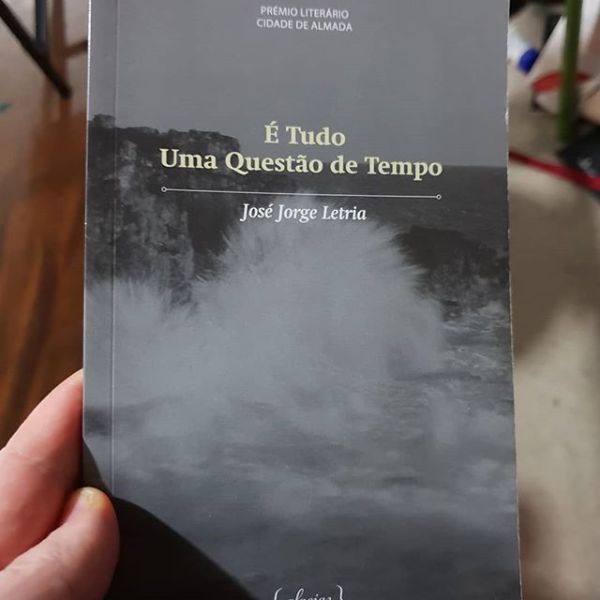
É Tudo Uma Questão de Tempo – José Jorge Letria

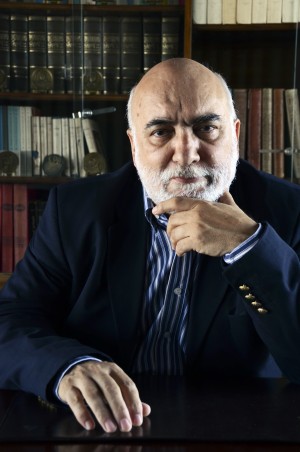
47586435_756354014698324_6635581299585187840_nMais uma tentativa de apreciar a poesia portuguesa… Gosto muito de José Jorge Letria desde ouvi um poema dele num podcast. Foi a primeira vez (e continua a ser quase a única vez!) que gostei de um poema português. Lamento que ainda falte paciência para ler poesia em qualquer língua, e o problema fica ainda pior quando tenho de alcançar o dicionário a cada 4 linhas! Mas de vez em quando uma luz penetra a escuridão da minha ignorância e consigo ver a beleza da escrita. Às vezes reli os poemas mais de uma vez para aumentar a experiência.
Posted in English, Portuguese

Dia Mundial da Poesia

jose_letriaVerso Alcançando o Infinito – Tradução

O poema nasce de um impulso,
The poem is born of an impulse
de uma febre, da tirania de uma miragem,
from a fever, from the tyranny of a mirage
da tentação sonora de uma metáfora,
from the sonorous temptation of a metaphor
do vazio que teme transformar-se em nada.
from the emptiness that fears becoming a void
Depois é a escrita, é o trabalho da mão
Then comes the writing, the work with the hand
sobre a matéria incandescente das sílabas.
on the incandescent material of syllables.
E, quando damos por nós, é de corpo inteiro
And when we discover ourselves, it’s the whole body
que estamos na fragilidade do poema
that we are in the fragility of the poem
como se tivéssemos ousado cavalgar numa nuvem
as if we had dared to ride on the back of a cloud
para desafiar todos os poderes do céu.
to challenge all the powers of heaven
Quem ousará explicar este sortilégio?
Who dares explain this sorcery?
Nem sequer os deuses, pois esses
Not even the gods, because they
nasceram da própria erupção do verbo,
were born in their own verbal eruption
da explosão da prece fingindo ser capaz
from the explosion of prayer that claims to be capable
de vencer o sofrimento e o assombro.
of conquering suffering and dread.
O poema nasce, afinal, da ilusão
The poem is born, after all, from the illusion
de que ainda resta algo para ser dito
that there still remains something to be said
e de que o silêncio é um cativeiro fugaz
and that silence is a brief captivity
em que as palavras se amotinam
in which the words rebel
para de novo voltarem a ser voz.
to return to being a voice again.

José Jorge Letria, O Livro Branco da Melancolia (2001)