I’ve got a backlog of texts I’ve written for this blog but there aren’t many correctors around so the last couple of days’ posts are still sitting in drafts. They’ll all arrive in a rush, five at a time, I expect.
OK, let’s try and decipher why this tweet is funny. I have no idea but I expect finding out will be an educational experience…
Bazar is a sort of slang way of saying “leave” and Fazer a folha a alguém means making a leaf but as an expression it means plotting against someone. So…
The Mestre de Avis getting out of Paço after scheming against Count Andeiro (1383)
Basically, the gist of the story is here, and it goes back to the interminable story of Spain (Castille) wanting to dominate Portugal. After the death of Dom Fernando I in 1383, there was a wrangle over succession. Fernando’s only daughter had already been promised in marriage to King Juan I of Castille (despite being er… Only ten years old at the time… OK, let’s try not to think about that too much) but there was a treaty in place (O Tratado de Salvaterra de Magos) that explicitly ruled out Castille claiming dominion over Portugal as a result of that alliance.
João Fernando de Andeiro, known as Conde Andeiro had been a close advisor of Dom Fernando and remained a power in the land and a powerful influence over Fernando’s wife, Dona Leonor. But he was galician, born in Spain and there were rumours that he was too friendly toward Castille and that he was sleeping with Leonor and using his leverage as a way to undermine Portuguese independence. Things came to a head when Juan turned up in Santarém “persuaded” Leonor to renounce her regency and to allow the monarchy to pass to him and his primary-school-age wife.

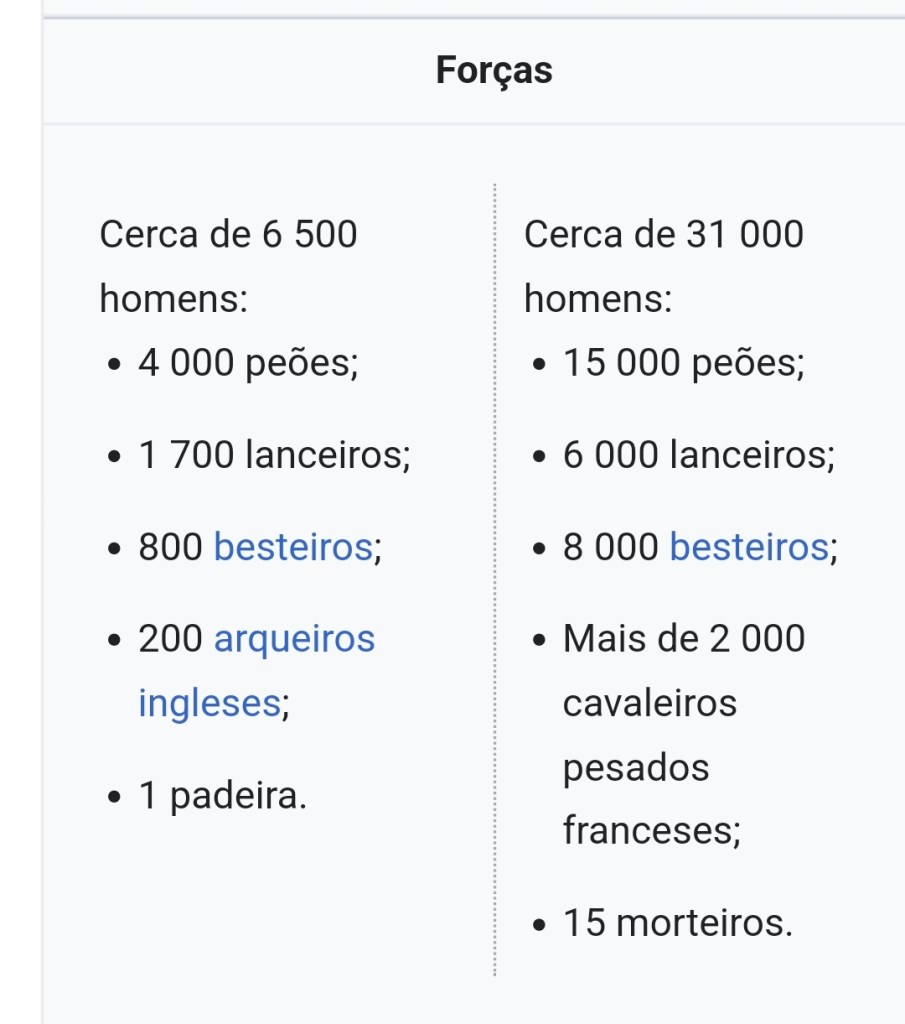
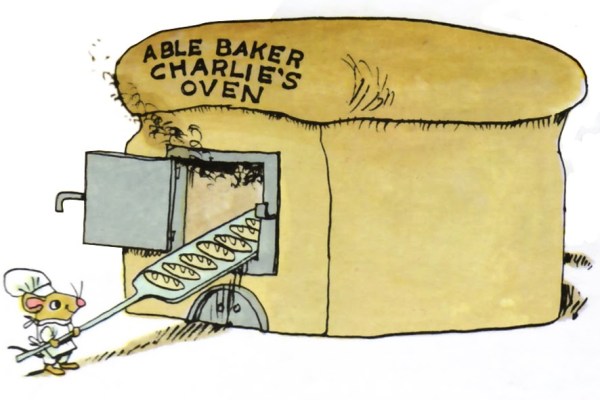
The Mestre de Avis, later known as João I, meanwhile had been proposed as an alternative successor to the throne by the court of Coimbra, and he rocked up one day in Paço with a bunch of friends and beat Andeiro to death. Thus started a crisis in the Portuguese succession which lasted a couple of years, culminating in the Battle of Aljubarrota, in which the Spaniards had their arses handed to them. Hilariously, the wiki page of the battle enumerates the forces on both sides and includes “1 padeira” on the Portuguese side. That’s a reference to A Padeira de Aljubarrota, a national hero. Her real name was Brites de Almeida and when she returned to her bakery after the battle she found seven Spaniards taking refuge in her bread oven (what? How big was the thing?) so she beat them with a shovel, slammed the door and lit the fire to bake them to death along with her bread. I have difficulty visualising this story to be honest, but I guess I’m not an expert in mediaeval bread-making technology.
 A Padeira de Aljubarrota era uma portuguesa, chamada Brites de Almeida. Nasceu (de acordo com a lenda) no Algarve de meados do século XIV. Tinha seis dedos em cada mão. Quando tinha 35 anos, houve uma crise. Após da morte de Dom Fernando em 1383, a filha dele que estava mais próxima na linha de sucessão, estava casada com o Rei de Castela, grande rival da nação. Assim caiu a Dinastia Afonsina, e os castelhanos fizeram planos para assumir o trono do reino.
 Luso
Luso 