Posted in Portuguese

Pão Por Deus

This one is inspired by yesterday’s post in which I was initially suspicious of the loja online because it mentions Halloween, in English. Hallowe’en (“dia das bruxas”) is an old celtic tradition but its best-known manifestation, with pumpkins and vampires and slutty nurses is all American cultural hegemony. I’ve been seeing posts talking about Portuguese traditions and I thought it might be fun to talk about this one…

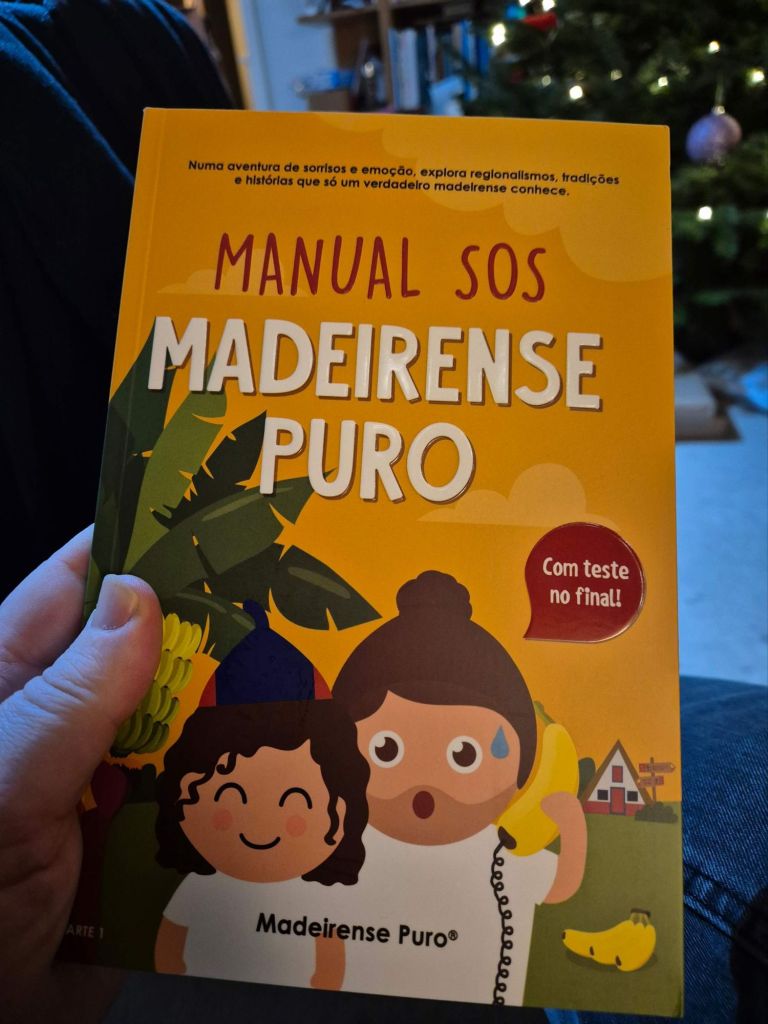
O vídeo (infra) foi feito por mais uma loja online, Madeirense Puro, que tem, como foco, outros portugueses. Já escrevi sobre o livro dele e acho que existe uma sequela mas ainda não tenho. No vídeo, os empregados fingem estar numa manifestação contra o Halloween (“abaixo as aboboras!”) e a favor do Pão Por Deus. Segundo a página da Wikipédia, Pão Por Deus é uma tradição religiosa que tem laços ao festival que domina esta estação do ano mas tem lugar no próximo dia, o dia de todos os santos e portanto coloca a ênfase no lado santo da estação em vez do lado do caos e terror!

A tradição tem raízes na noção de alimentar os defuntos e de pedir esmola em tempos de fome. Especificamente, a tradição de ir de porta em porta a pedir pão “por deus” é associada com a época do terramoto, que também aconteceu no dia de todos os santos. Hum… se não me engano, este facto piorou a situação ainda mais porque as velas acesas nas igrejas causaram incêndios, acima dos danos do terramoto em si. Mas seja como for, continua como tradição até aos dias de hoje. Contudo, como podem ver neste segundo vídeo (narrado em português brasileiro – desculpa!) a sombra dos estados unidos cai através a tradição. Vemos crianças a usar cornos do diabo, chapéus de bruxa e até fantasias de abóboras. Porém, têm também sacos decorados, e a procissão decorre durante as aulas em vez da noite, com os pais.

O Podcast preferido de todos os novatos na aprendizagem de português é o Practice Portuguese, e o Rui fez um vídeo com uma amiga sobre as tradições regionais do Pão Por Deus e o dia das bruxas. Falam também dos bolos tradicionais (receita aqui). Como sempre, falam nitidamente e num sotaque deste lado do Atlántico, que é sempre bem vindo.
Posted in Portuguese

Entramelado

A minha mulher usou esta palavra (de forma feminina, claro!) para descrever o seu estado depois de uns dias de tensão, à espera de um e-mail* de confirmação dum novo emprego (que já chegou!), e um tornozelo torcido.

A palavra vem do famoso “dialeto madeirense” do qual o Carlos Rodrigues nos tem informado. Quer dizer doente, cansado e pouco capaz de se movimentar.

*FLiP suggested I change this to “correio eletrónico” but I’ve never heard anyone actually use that so that’s a no!

Posted in English

O Dialecto Madeirense

This video was published on Twitter on Thursday (O Dia Mundial Da Língua Portuguesa). The first speaker is Francisco Louçã, an MP (“Deputado”) from the Bloco Esquerda and he’s introducing a PSD colleague named Carlos Rodrigues, saying he will now address the chamber in his “Madeiran Dialect”. Rodrigues then replies in a way everyone thinks is hilarious…

I can’t understand what he’s saying so I cheated and looked at the parliamentary transcript which is here, and you can read the surrounding context about the dialect (it’s not a dialect really, it’s an accent – mainlanders can be a bit snobbish about it though). Anyway, after reading the transcript… I was none the wiser!

Louçã: – Sr. Presidente, para surpresa da minha bancada, acaba de ser-nos comunicado que um Sr. Deputado passará a dirigir-se ao Plenário no “dialecto” madeirense. (…)

Rodrigues: – Quanto a dialecto, só tenho uma coisa a dizer-lhe, Sr. Deputado Francisco Louçã – e agora, mesmo em jeito de brincadeira: “o grado azoigou e foi atupido na manta das tanarifas”!

Grado exists in Priberam but none of the meanings seem to fit. Azoigar is in there too (although the spelling is “azougar”, because it’s one of those words that can be written with an ou or an oi) and now we’re starting to see the pattern because the definition is

[Portugal: Madeira]  Morrer (falando-se de animais).

Ah, if course – he’s replying using a madeiran expression, full of madeiran words. So, turning to a specialist madeiran page… We get the following

The dog (grado) died (azoigou) and was buried (atupido) on the pumpkin (tanarifa) terrace (manta).

Tanarifa is the sketchiest word there. The meaning is given as “boganga”, which, if you follow it, actually refers to a kind of squash/pumpkin. I’ve also seen people translating it as “alface” (lettuce) but most people seem to translate it as banana. So… I dunno… Conjure up whatever mental image you like on that one! I’ve translated manta (which normally means “shawl” or “blanket”) as terrace because in madeiran agriculture, a manta is a terrace on the side of a mountain where you can grow crops.

So… That’s all very well but what does it actually mean? Not sure. I thought maybe it was like “Os cães ladram e a caravana passa”. In other words, your yapping doesn’t really count for much. My wife, who is madeiran but hasn’t lived there for ages, didn’t recognise it either but thought it was more likely that the speaker is comparing his opponent’s argument to a dog in a race which he’s very proud of and thinks will win the race but it won’t because it’s dead and buried in the vegetable patch.