Got the result for the second of the exams. It arrived via a completely different route from the other, contributing to my impression that the Universidade Aberta’s systems are a bit more random than the Open University in Britain. Anyway, never mind. As for my own performance, well, it was pretty terrible. Worse than expected, even. 7/12, which is only just over the pass mark. Luckily, this one has 40% for continual evaluation though, and I did pretty well in that so the average was dragged up. 13.7/20 which is what? 65 +3.5 = 68.5%. That’s not bad really! If I’d had 5 more minutes for a quick grammar check Iºd have probably gone up 5 or 10%, I think, but it was not to be!
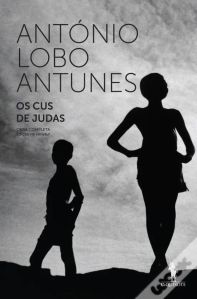
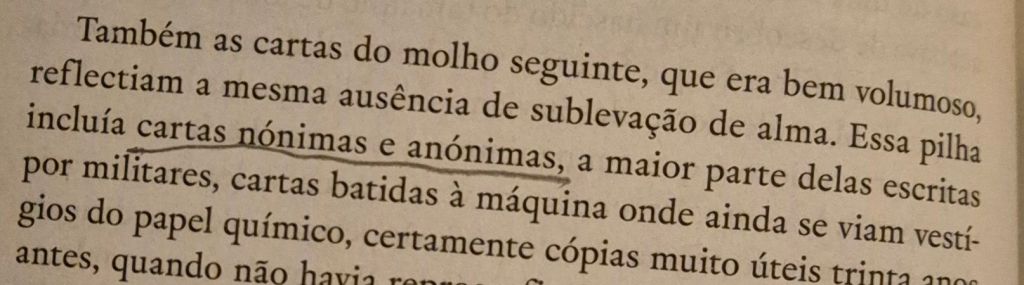
The final stage of the course is starting now: Literatura e Cultura Portuguesas – Época Contemporânea. It seems to be all about the colonial wars and the end of empire and there are three set books, two of which I have read already and one is on my TBR: respectively “O Retorno” (Dulce Maria Cardoso), “A Costa dos Murmúrios” (Lídia Jorge) and “Os Cus de Judas” (António Lobo Antunes). I’m excited to get started because I enjoyed the first two books but don’t remember them well, so a guided re-read of them would be great, and Os Cus de Judas comes highly recommended too!

 Luso
Luso 