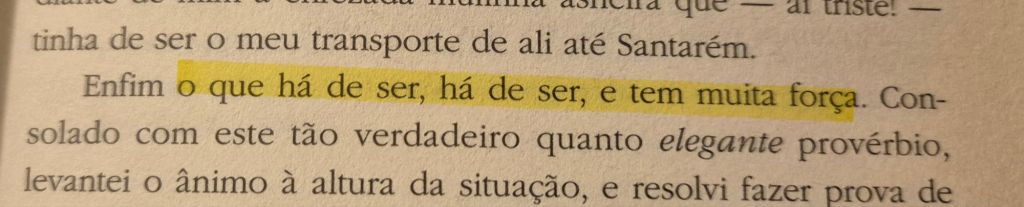
Esta expressão, muito cedo no “Viagens Na Minha Terra”, chamou-me a atenção porque já escrevi um blogue sobre uma música dos Deolinda que contém quase as mesmas palavras. E eu estava como…

Esta expressão, muito cedo no “Viagens Na Minha Terra”, chamou-me a atenção porque já escrevi um blogue sobre uma música dos Deolinda que contém quase as mesmas palavras. E eu estava como…
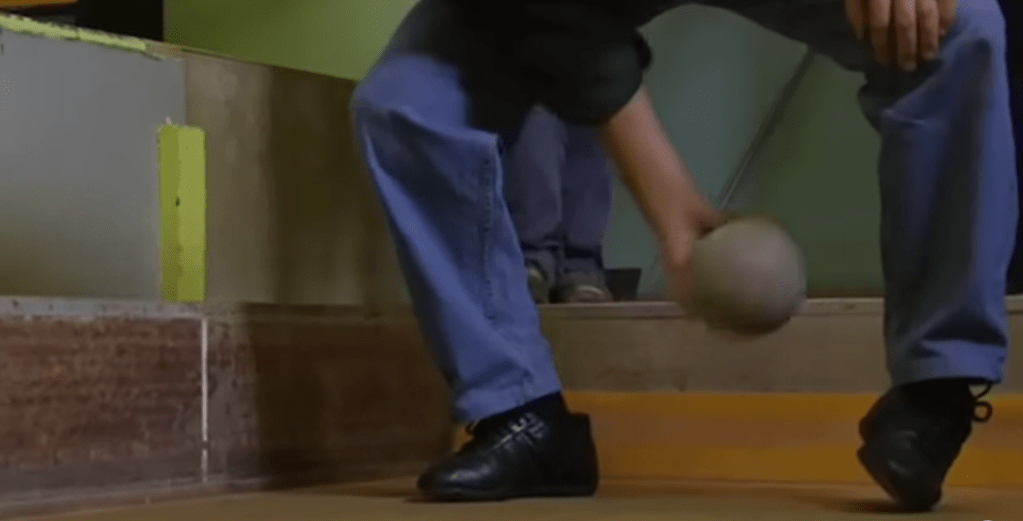
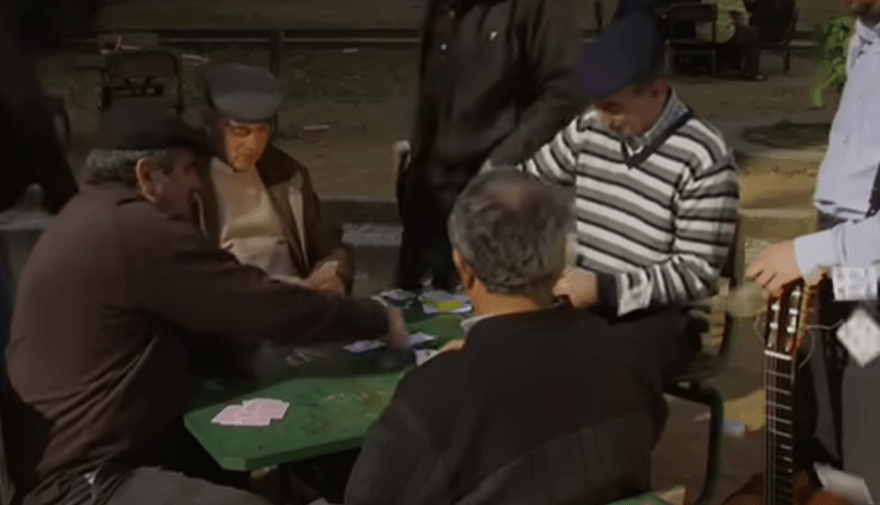
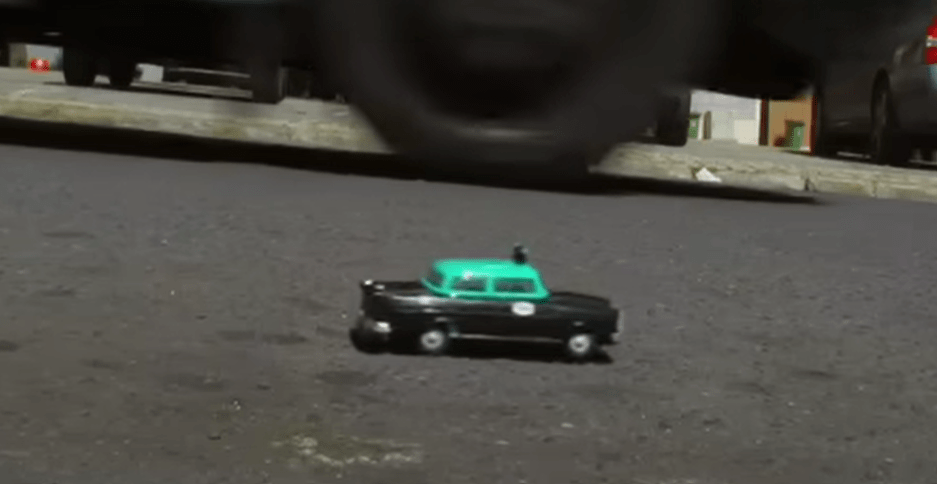
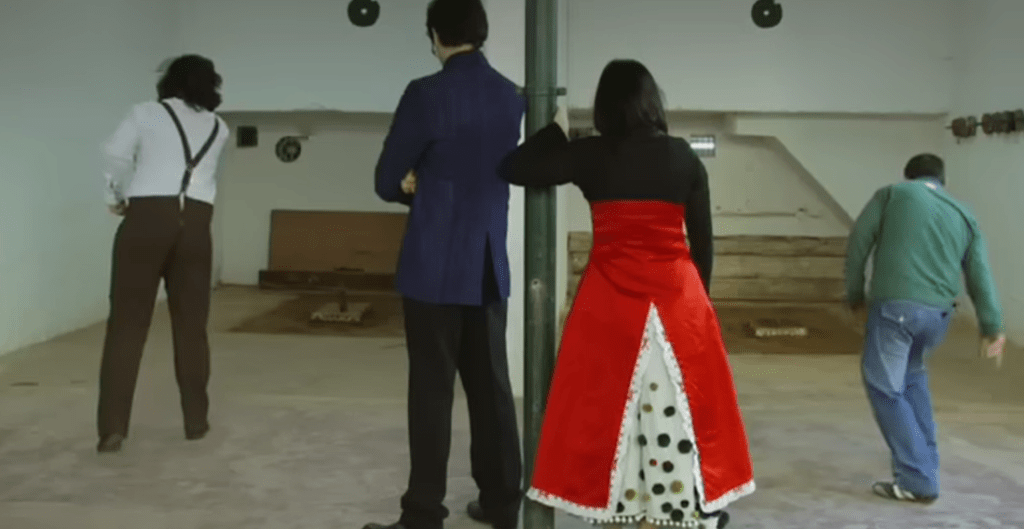
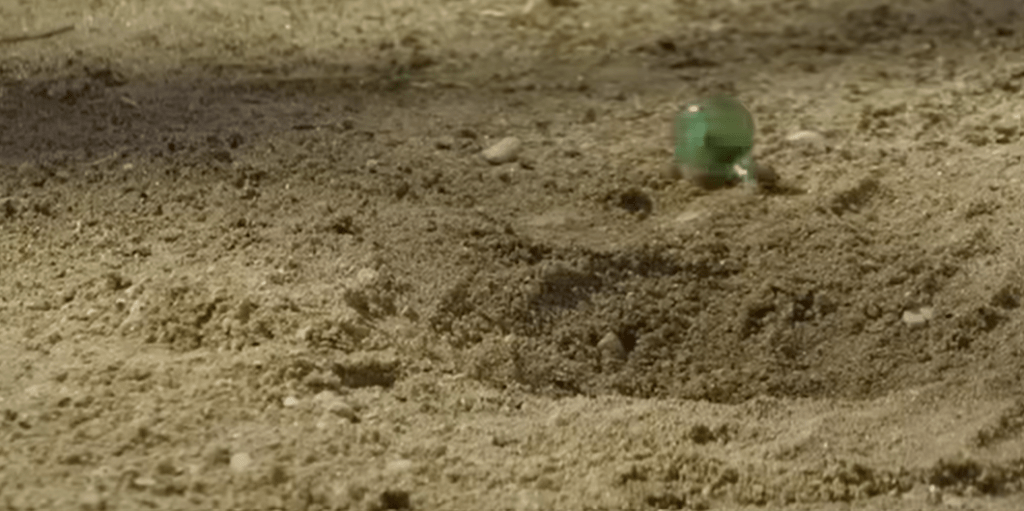
Ontem, escrevi sobre “Um Contra o Outro” dos Deolinda e mencionei o vídeo original onde há muita gente a jogar jogos tradicionais, o que me fez pensar “mas afinal, quais jogos são?”
Admito que estou a escrever este texto apenas para procrastinar do curso, portanto vou evitar grandes divagações. Títulos e mais nada! Jogos e brinquedos! Agradeço o Atlas Lisboa por ter explicado a maioria, ainda que seja em inglês! Nota-se que o título é um contra o outro o que significa (se não me engana) que não se refere à Ana e um rapaz/homem, especificamente. Um Contra o Outro, neste contexto, refere-se a dois jogadores de qualquer género.
Eis o vídeo!
That dress 🔥 That hair🔥 This is the Bacalhauest Ana has ever Bacalhaued.
E os jogos (na ordem da aparência)








A little bird tells me that a well-known podcast might be publishing a Deolinda episode soon, and it reminded me that I hadn’t done a translation of one of my favourite songs of theirs, “Um Contra o Outro”.
It’s a really nice extended metaphor, based on the idea that the guy she’s talking to just wants to play videojogos all day and she’s challenging him to forget all that nonsense because he’s missing out on real life by not going out with her. There are some gaming terms in there – lives (not to be confused with your actual life!), stealth mode, levelling up and so on. It would be so easy to have the result be super corny, but I think it works pretty well.
I basically get most of what’s being said, but as usual, it’s hard to “pull it together” into a coherent narrative without working through it like this. And I’m glad I did. There were a couple of things I misunderstood – like I couldn’t work out why she mentions “cavalos” at one point but apparently she says “mostra o que vales”. Ahhhh! And I hadn’t really understood the nature of the challenge she lays down in the last few lines either.
I’ve linked the live video here because it’s very energetic. The original music video is a bit confusing since it just seems to be suggesting she just wants to play Jogo da Macaca or Jogo da Laranjinha with him. And maybe she wouldn’t say no, but I think the game she wants to play is one that’s going to take a lot longer, maybe even the rest of his life.
| Português | Inglês |
|---|---|
| Anda Desliga o cabo Que liga a vida A esse jogo Joga comigo Um jogo novo Com duas vidas Um contra o outro | Come on Unplug the cable That links your life To that game Play with me A new game With two lives One against the other |
| Já não basta esta luta contra o tempo Este tempo que perdemos a tentar vencer alguém Ao fim ao cabo Que é dado como um ganho Vai-se a ver desperdiçámos Sem nada dar a ninguém | This race against the clock* isn’t enough This time we waste trying to defeat someone When all is said and done** What is given with a win Will be seen as as time we wasted With nothing to give to anyone |
| Anda Faz uma pausa Encosta o carro Sai da corrida Larga essa guerra Que a tua meta Está deste lado da tua vida | Come on Take a break Park the car Get out of the race Let go of this war Because your objective Is on this this side of your life |
| Muda de nível Sai do estado invisível Põe um modo compatível Com a minha condição Que a tua vida É real e irrepetível*** Dá-te mais que o impossível Se me deres a tua mão | Level up Come out of stealth mode Activate a mode that’s compatible With mine Because your life Is real and unrepeatable It gives you more than the impossible If you give me your hand |
| Sai de casa e vem comigo para a rua Vem, que essa vida que tens Por mais vidas que tu ganhes É a tua que mais perde se não vens | Leave the house and come with me into the street Come, because this life you have, No matter how many extra lives you gain It’s yours that will lose out if you don’t |
| Sai de casa e vem comigo para a rua Vem, que essa vida que tens Por mais vidas que tu ganhes É a tua que mais perde se não vens | Leave the house and come with me into the street Come, because this life you have, No matter how many extra lives you gain It’s yours that will lose out if you don’t |
| Anda Mostra o que vales Tu nesse jogo Vales tão pouco Troca de vício Por outro novo Que o desafio É corpo a corpo Escolhe a arma A estratégia que não falha O lado forte da batalha Põe no máximo poder Dou-te a vantagem Tu com tudo E eu sem nada Que mesmo assim desarmada Vou-te ensinar a perder | Come on Show me what you’re worth You, in that game, Count for so little Swap one addiction For another Because the challenge Is body to body Choose your weapon The strategy that won’t fail The stronger side of the battle Put it on full power I’ll give you the advantage You with everything And me with nothing So even like that, disarmed, I’ll show you how to lose. |
*It says fight against time really but I think Lutar contra o tempo is a set phrase meaning like a time trial, race against time or some sense that you only have a certain amount of time to achieve the goal, so I gave it a rough equivalent in english.
**Listening to it without the written lyrics, I thought she was saying “do cabo” – so “at the end of the cable” which sort of made sense if you imagine holding a game controller that’s plugged into a game console via a wire, but I think it’s cabo as in “levar a cabo”, so she’s talking about what you have left over, at the end, when you’ve won, what you win isn’t as good as what you lose by staying indoors all day
***The source I copied the lyrics from has this as “real e repetida” which clearly makes no sense and if you listen closely that’s not what she’s saying. It’s almost like we can’t implicitly believe everything we read on the internet or something
O mundo está fodido, portanto vamos ouvir os Deolinda. Há anos que sou fã desta banda e nunca me farto de ouvir as suas músicas e sentir as emoções – neste caso a felicidade turbulenta do casal imperfeito que é o assunto da canção. Talvez, apesar de tudo, o mundo não esteja assim tão fodido.
| Português | Inglês |
|---|---|
| Às vezes és bruto Rezingão, tosco, inculto Insensível, um ingrato, um ruim Rude e casmurro És teimoso como um burro Mas, no fundo, és perfeito para mim | Sometimes you’re crude Grumpy, coarse, ignorant Insensitive, an ingrate, a meanie Rude and pig-headed You’re stubborn as a mule But, deep down you’re perfect for me |
| Às vezes, também, eu tenho o meu feitio E sei que levo tudo à minha frente E por essas e por outras Quase que nem damos conta Das vezes que amuados No sofá refastelados Repartimos a manta sem incidentes | Sometimes, too, I have my ways And I know I don’t listen too anyone* And for those things and others We almost never notice The times we grumpily, On the sofa, all snug, Share the blanket without incident |
| Às vezes és parvo Gabarola, mal-criado É preciso muita pachorra para ti Cromo, chico-esperto Preguiçoso e incerto Mas, é certo, que és perfeito para mim | Sometimes you’re foolish Boastful, spoiled It takes a lot of patience to deal with you A nerd, a smartarse Lazy and uncertain But it’s certain that you’re perfect for me |
| Às vezes, também, sou curta de pavio E respondo sempre a tudo muito a quente E por essas e por outras Quase que nem damos conta Das vezes que amuados No sofá refastelados Repartimos a manta sem incidentes | Sometimes, too, I am short on temper And I reply to everything heatedly And for those things and others We almost never notice The times we grumpily, On the sofa, all snug, Share the blanket without incident |
| Às vezes, concedo Que admiro em segredo Tudo aquilo que não cantei sobre ti Mas o que em ti me fascina Dava uma outra cantiga Que teria umas três horas p’ra aí | Sometimes, I admit That I admire in secret All those things I haven’t sung about you But what fascinates me about you Would make another song That would be three hours long |
| Às vezes, também, sou dada ao desvario Mas vem e passa tudo no repente E por essas e por outras Quase que nem damos conta Das vezes que amuados No sofá refastelados Com os pés entrelaçados E narizes encostados Já os dois bem enrolados Brutalmente apaixonados Repartimos a manta sem incidentes | Sometimes, too, I am give to madness But he comes and it all passes suddenly And for those things and others We almost never notice The times we grumpily, On the sofa, all snug, With our feet intertwined And our noses touching And both of us rolled up Brutally in love Share the blanket without incident |
*I struggled to translate this – I sweep all before me? I barge everything out of my way? Levar tudo à (sua) frente is what a tractor or a bulldozer does, so the idea you get is of someone just charging through everything and not taking account of anyone else…. but it’s difficult to boil that down to the length of a lyric!
Estou a perceber, cada dia mais, que existem muitas coisas na língua portuguesa que ando a ignorar. Geralmente esta tendência vem do hábito de ouvir música e podcasts, à espera de entender, espontaneamente, os significados. O texto de ontem fez-me lembrar uma canção dos Deolinda chamado Fado Toninho. Porquê? Porque contem o verbo “escarrar”
De peito feito ele ginga o passo
Arregaça as mangas e escarra pra o lado.
Adoro os Deolinda, e ouvi esta canção centenas de vezes, mas é tão familiar que nem percebi que não fazia a mínima ideia do que significa “Toninho”. Fico com uma noção vaga de que tem a ver com “tom” (uma nota musical pequena?) mas o que é que significa, especificamente? Fiz uma pesquisa no Priberam.
nome masculino
[Zoologia] O mesmo que toninha.
“Toninho”, in Dicionário Priberam da Língua Portuguesa [em linha], 2008-2025, https://dicionario.priberam.org/Toninho.
E depois?
nome feminino
1. [Zoologia] Designação comum a vários mamíferos cetáceos da família dos focenídeos, mais pequenos que os golfinhos, de focinho curto, corpo fusiforme e barbatana dorsal triangular. = PORCO-DO-MAR, PORCO-MARINHO
(…)
Origem etimológica: latim thunnus, -i, atum + -inha, feminino de -inho.
“toninha”, in Dicionário Priberam da Língua Portuguesa [em linha], 2008-2025, https://dicionario.priberam.org/toninha.
O quê??? É o Fado dum golfinho pequeno? Whalesong?
Fiz mais uma pesquisa de “Toninho Tom” para constatar se existissem uma versão diminutivo da palavra “tom” e encontrei este video:
O cantor é um brasileiro chamado Toninho Horta e a sua canção, “De Ton Para Tom” é uma homenagem a Tom Jobim. Pois, mas isso não me ajuda. Ou… Será que existe uma pista aqui? Toninho é um nome diminutivo não é? O nome próprio dele é António. Então, Fado Toninho é o Fado do pequeno António?
….
OK, I wrote this earlier and I’ve asked around. Nobody seems to know why this would be. My wife doesn’t, Reddit doesn’t. Someone pointed out that Tony, as a name, is sometimes used to indicate a person is a bit saloio (a word that historically applied yokels living in the country around Lisboa, but more generally applies to anyone who is a bit of a chav, so this guy might be a young Tony who “ginga o passo” (walks with a sort of swagger) and “escarra ao lado” (flobs to the side) and she fancies him ons pote of that?
I don’t really have any better ideas so I’m just going to publish this anyway and hope I’m not too far off the mark.
Adding to this as new theories come in: u/joaommx suggests that it might be a diminutive of toino/tonho, synonyms of parvo. That certainly sounds like it could work but then why isn’t it spelled toininho or tonhinho?
Next vote was back in favour of a diminutive of Antonio, emphasising the general worthlessness of the person, rather than his chavvy aspect (and, thinking about it, this is more in keeping with Deolinda’s ethos: they aren’t big on mocking the poor).
Anyway, the fact that nobody else seems sure what the word means certainly makes me feel better about not understanding it either.
I said Escarrar was a synonym of cuspir but it isn’t quite. Linda Smith once summarised the difference between spitting and gobbing as the difference between “ugh, there’s something in my mouth” and “ugh, there’s something in my head”. Escarrar is gobbing. What we would call a spittoon is called an escarrador in Portuguese. May you never need to use this word on real life.
Apparently the phrase “Escarrar ao lado” can be a set phrase, meaning to talk shit about someone behind their back instead of approaching a subject head on. Hm… I’m not sure how it’s being used here. Certainly, in the live version, when she sings this line she integrates a hawking sound into the song, so I think the guy is just spitting and being disgusting.
Thanks to the good citizens of Reddit, to M’wife for trying, and especially to Cristina for her extensive notes on this post.
Acho que já escrevi várias vezes sobre o meu amor pelos Deolinda. Desde a dissolução da banda, a voz dela, Ana Bacalhau, aparece frequentemente nos órgãos de comunicação social com um penteado que não lhe fica bem na minha opinião, mas não sou o pai dela, portanto não é comigo!
Gosto da música da Ana, mas não chega aos calcanhares da obra dos quatro integrantes quando estavam juntos. Fiquei com a noção de que o espírito criativo da banda está associado, de algum modo, com o letrista, Pedro da Silva Martins. Martins, tem escrito canções para outros artistas, como por exemplo Lena d’Agua mas até hoje, eu não sabia que tinha voltado a gravar músicas com um novo grupo de músicos. Mas a banda existe mesmo, e o nome dela é “Cara de Espelho”. Ao contrário dos Deolinda (que eram basicamente uma família: dois irmãos, Pedro e Luís, a sua prima, Ana, e o marido dela, o contrabaixista, José Pedro Leitão), este grupo é composto de ex-membros de outras bandas, incluindo os Ornatos Violeta sobre quais já escrevi há algum tempo. Ouvi umas músicas da banda e confesso que não me agarraram tanto quanto a primeira vez que ouvi o “Musiquinha” dos Deolinda, mas o estilo é invulgar, e acho que a minha apreciação irá crescer ao longo dos próximos dias.
Lena D’Agua is a singer who seems to have been around since the seventies and was a member of a truly unmemorable eurovision band back in the glory days of 1978, but what drew my attention to her is that her latest album was largely written by Pedro Da Silva Martins, who wrote a lot of Deolinda’s best stuff when they wre around. I don’t think it’s quite up to Deolinda standards, but it’s pretty good. Have a listen! The video is a bit cringe though so feel free to look somewhere else while you’re at it. I don’t go to many parties, but if that’s what they are like, I don’t think I’m missing much.
| Portuguese | English |
|---|---|
| Inda* vou ganhar o Festival Com uma canção de macramé Hei de fazer capa num jornal A pavonear um jacaré** | I’m still going to win the festival With a macramé song I’ll probably make the headlines Showing off to an alligator |
| Espero que te caia a boca ao chão Q’eu estou pronta para a grande festa E tu de charuto e roupão Com um arpão espetado na testa | I hope your jaw hits the floor because I’m ready for the big party And you with your cigar & fancy clothes With a harpoon stuck in your forehead |
| Espero ainda ser um furacão Ter uma cintura de ballet A arrastar as joias pelo chão Acenar de um porsche com chofer | I still hope to be a hurricane To have a ballet waist To drag jewelry across the floor To wave from a chauffer-driven porsche |
| Espero que te caia a boca ao chão Q’eu estou pronta para a grande festa E tu de charuto e roupão Com um arpão espetado na testa | I hope your jaw hits the floor because I’m ready for the big party And you with your cigar & fancy clothes With a harpoon stuck in your forehead |
| Espero ainda ter algo carnal Na minha poltrona de chalé Matar esta fome canibal Qu’eu ando tão farta de café | I still hope to have something carnal In the armchair at my chalet To satisfy this cannibal hunger Becaue I’m so tired of coffee |
| Espero que te caia a boca ao chão Qu’eu estou pronta para a grande festa E tu de charuto e roupão Com um arpão espetado na testa | I hope your jaw hits the floor because I’m ready for the big party And you with your cigar & fancy clothes With a harpoon stuck in your forehead |
| Espero que te caia a boca ao chão Qu’eu estou pronta para a grande festa E tu de charuto e roupão Com um arpão espetado na testa Estou pronta para a grande festa | I hope your jaw hits the floor because I’m ready for the big party And you with your cigar & fancy clothes With a harpoon stuck in your forehead I’m ready for the big party |
* Seems just to be a shortened form of Ainda
** OK, the translation makes no sense. There are a couple of alternative explanations according to the Dicionario Informal: I think the most likely one is that she’s talking about cigarettes, since that’s quite a strong motif in the video, so maybe she’s on the front of the newspapers posing with a fag? But there are a few alternative definitions that she could be referring to. Giving an ugly woman a makeover? Posing with a patient who’s been waiting a long time for an operation???
O Google enviou-me um lembrete de que, há 6 anos, estávamos no Porto, onde fomos para ver um concerto dos Deolinda. Naquela altura a cantora, Ana Bacalhau, estava grávida e acho que o concerto foi o último antes da banda se dissolver*.
* If a band breaks up, dissolver seems to be the word you use. I went for separar.

Here’s a corrected text from a couple of days ago with some additional notes. The theme is this weird new Mad-Libs policy about refugees that the British government came up with just before Easter and then were shocked… shocked! – when every vicar in the land used their easter sermons to say it wasn’t what Jesus would have done.
Pensei em escrever sobre a nova política do partido conservador face à imigração de refugiados mas é tão ridículo que, contado, ninguém acredita. A questão da imigração e dos refugiados (não são iguais mas são semelhantes até certo ponto) é complicado e cada país tem de pensar bem antes de fazer uma política que passa a prova de justiça e de compaixão, mas o nosso governo não se importa.
Amazingly this text didn’t need any corrections (it’s not often that happens!) but Dani told me more about the phrase “Contado Ninguém Acredita”. I only know it from the Deolinda song
… But it’s also the Portuguese translation of the name of the American movie “Stranger than Fiction”.
It’s usually said as part of a larger expression “Isto só visto porque contado ninguém acredita” which basically means “You have to see it to believe it. There used to be a TV series in the nineties called Isto Só Vídeo which was a sort of Portuguese equivalent of those cheap shows where people send in their home videos of terrible disasters – falling off bikes or getting whacked in the face by a swing or whatever – and you wonder how long they had to spend on A&E to bring the nation 30 seconds of amusement. I’m thinking of Jeremy Beadle because my cultural references are very out of date but I’m pretty sure they are still a thing now and of course YouTube is full of them. Anyway here’s what it looks like.
How’s that? I’ve gone from the refugee crisis to Jeremy Beadle in 5 paragraphs. Not bad eh?


 Luso
Luso 