Welcome back to the Capitão Fausto Fan Blog! It’s still Friday night as I write this, and the translation I did for yesterday’s blog was so short I thought I’d try another
Português
Inglês
Quando aqui chegou Foi porque ainda não estava Nada se apagou enquanto eu protestava E às tantas sossegou Explicaram que afinal não era nada
When she* got here It was because she wasn’t here yet Nothing stopped while I was protesting And at last it calmed down They explained that in the end it was nothing
Andar em contramão Calçar a botifarra Quero ouvir calão e o som de uma guitarra Se dás, eu também dou Se gritas muito, eu dou-te uma dentada
Going against the flow Putting on my clumpy boots I want to hear slang and the sound of a guitar If you give I’ll give too If you scream, I’ll bite you
Cheguei a casa e sossegou Explicaram que afinal não era na-na-na-na nada Na-na-na-na-na-na Na-na-na-na nada, na-na-na-na-na-na Na-na-na-na nada, na-na-na-na-na-na Na-na-na-na nada, na-na-na-na-na-na
I got home and chilled out They explained that in the end it was no-no-no-no-nothing, no-no-no-no-nothing No-no-no-no-nothing no-no-no-no-nothing No-no-no-no-nothing no-no-no-no-nothing No-no-no-no-nothing no-no-no-no-nothing
Quem me der a mão é porque quer que eu nunca caia Pode ser que queira vir comigo até à praia Ou pode ser que não, de qualquer forma vai ter de entender Que ainda há muita coisa pra aprender Algumas delas servirão Mas outras nunca vão servir pra na-na-na-na nada
Whoever gives me their hand, its because they don’t want me to ever fall Maybe they want to come to the beach with me Or maybe not. Somehow she’ll have to understand That there’s still a lot to learn Some of them will be OK But others are good for nothing
*Honestly, it’s anybody’s guess what pronouns to use in most of this song. Who or what is he on about? Are those imperfect verbs in the first or third person? Can we even get an adjective with an ending that tells us what gender we’re dealing with? Throw me a frickin’ bone here!
Well, I can’t see my new pro-Fausto stance lasting long because, as I said yesterday, their studio output is quite bland and overproduced, but while I am in the zone, let’s try a translation. This is Santa Ana from their first album, Gazela, and one of the songs they played as the finale for the show.
Português
Inglês
Está a chover dentro da sala de estar A casa ardeu; ninguém parou de dançar
It’s raining in the living room The house caught fire. Nobody stopped dancing
Ela diz que devo aprender As noites simples e o que é ficar Ela é linda e o seu parecer Faz-me sentir que é tempo de mudar
She says I should learn The ordinary nights are what it is to stay She’s lovely and her appearance Makes me think it’s time to change
Está a chover dentro da sala de estar A casa ardeu; ninguém parou de dançar
It’s raining in the living room The house caught fire. Nobody stopped dancing
Ela diz que eu devo aprender As noites simples e o que é ficar Ela é linda mas não quer ver Que qualquer dia já cá não vou estar
She says I should learn The ordinary nights are what it is to stay She’s lovely but I don’t want to see That someday I won’t be here
Is that all? 8 lines? I don’t feel like I’ve had much of a workout. That’s a long instrumental break they did at the end there. OK, well, I like the lyrics anyway, even if they are a bit terse, sometimes it’s best to keep it tight and not waffle on for 4 verses. I hope you enjoyed it.
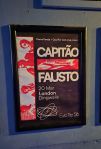
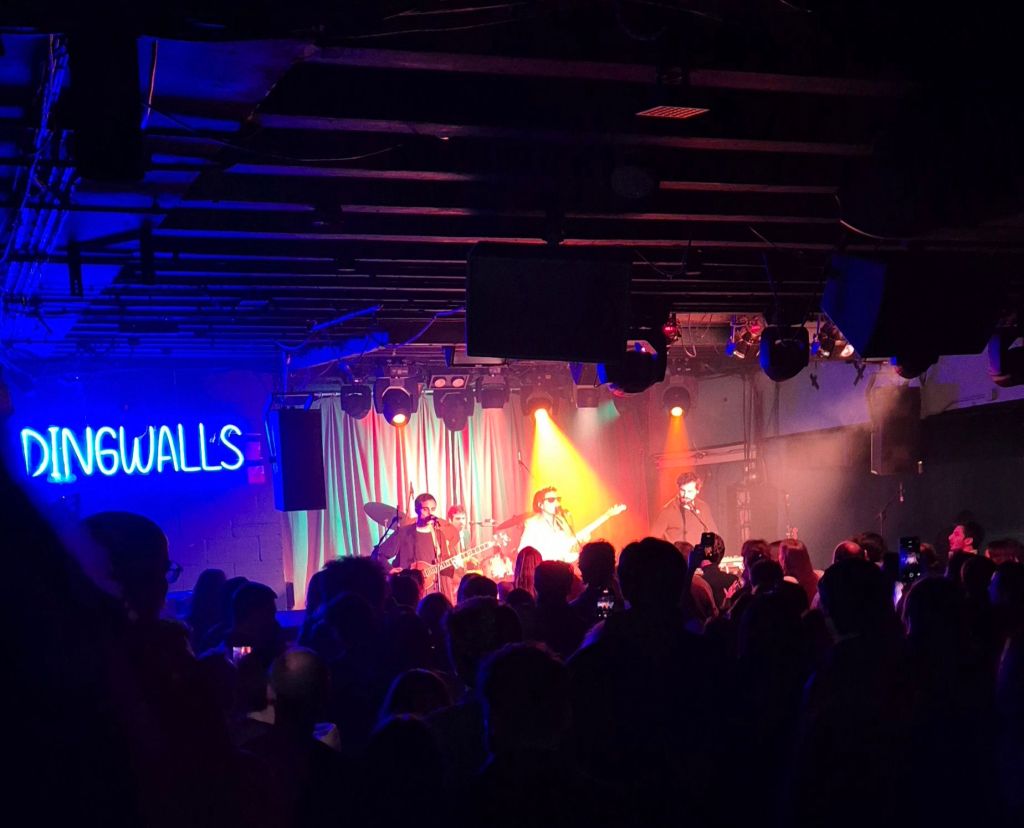
Acabo de assistir ao concerto dos Capitão Fausto. As minhas expectativas foram extremamente baixas. Subterrâneas, pá. Ouvi os discos deles e achei o seu som fraco. Mas afinal as expectativas baixas foram facilmente ultrapassadas. E fiquei feliz que fui ver o concerto. E como não? Aqui temos uma das bandas mais conhecidas em Portugal a tocar no Dingwalls, em Camden, numa sala de espectáculos muito pequena e íntima. Quem recusaria uma oportunidade assim?
Tocaram os meus favoritos, mas soaram mil vezes melhor do que as versões dos álbuns. A sua presença no palco, o seu empenho, chamou-me a atenção e tornaram as canções mais animadores. O público curtiu tudo e até os ingleses que viram com as suas namoradas portuguesas e não entenderam nada tiveram uma noite divertida, acho eu.
Estou entusiasmada para ouvir o álbum “Gazela” novamente para ver se soar melhor agora que vi a banda ao vivo.
Estou a escrever no comboio com duas cervejas na barriga. Espero que a minha gramática não seja ainda pior do que normal!
Since I’ve decided to go and see this band, I thought I’d pick a video of theirs and start translating it. The more I did, the more I regretted my choice. I should have chosen Na-Na-Nada or Amanhã ‘Tou Melhor or something a bit livelier. And something with a video that is less baffling than this one. Oh well, everything is a learning experience, and I found a couple of interesting vocabulary nuggets in this one, so here we go…
The song seems to be about getting drunk on Friday night and not remembering much but having your friends tell you what happened. Or… something. You wouldn’t know it from the video. Seriously, what is going on with the video?
Água de Cana, outra etapa da gincana Na demora que eu procuro e que a semana nunca traz Atraso bem o final p’ra madrugada ou meio da tarde Só segunda é que volto a estar capaz
Cane Water*, another stage of the rat-race** In the pause I’m looking for and the week never brings I don’t stop till morning or the middle of the afternoon I only start functioning again on Monday
O que eu prevejo no futuro é tão duro Que a cabeça não hesita em dar abrigo ao temporal Portanto escuta meu querido, sei que és muito meu amigo Mas hoje vou voltar ao Carnaval
What I predict in the future is so hard That my head doesn’t hesitate in sheltering the storm So listen, dear, I know you’re a good friend But today I’m going back to the Carnaval
Por pouco que me lembre do que acontecer Eu sei que vai valer a pena Não é preciso lembrar Tenho amigos com boa memória
As little as I remember about what will happen I know it will be worth it I don’t need to remember I have friends with a good memory
Por pouco que me lembre do que acontecer Eu sei que vai valer a pena Não é preciso lembrar Os meus amigos contam-me a história P’ra depois poder contar
As little as I remember about what will happen I know it will be worth it I don’t need to remember I have friends with a good memory To tell me about it later
Depois da sesta, bater a mão na testa Só é coisa que eu evito se a memória me falhar E por saber que é verdade, perco sempre a humildade Se decido arrastar-me e não parar
After a nap, smack myself in the forehead I only avoid it if my memory fails And by knowing it’s true I always lose my humility if I decide to drag myself along and not to stop
Se houver cortejo é p’ra ter esta fartura Vai depressa que só dura enquanto a culpa não voltar Com sorte a culpa não bate A culpa não vai fazer parte da história Que amanhã me vão contar
If there’s a cortege, it’s to have this excess It goes quickly and only lasts while guilt doesn’t return With luck, the guilt doesn’t strike Guilt won’t play a part in the story That they’ll tell me about tomorrow
Por pouco que me lembre do que acontecer Eu sei que vai valer a pena Não é preciso lembrar Tenho amigos com boa memória
As little as I remember about what will happen I know it will be worth it I don’t need to remember I have friends with a good memory
Por pouco que me lembre do que acontecer Eu sei que vai valer a pena Não é preciso lembrar Os meus amigos contam-me a história P’ra depois poder contar
As little as I remember about what will happen I know it will be worth it I don’t need to remember I have friends with a good memory To tell me about it later
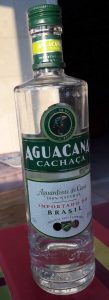
*It’s weirdly difficult to find out what água de cana actually is. Cana usually means sugar cane, but googling it, I mostly get results relating to “caldo de cana”, a non-alcoholic drink made from cane juice, preserving some of the minerals and nutrients, justifying its claim to be a health drink even though it is sugary AF. However, it looks like the real meaning is even less healthy because água-de-cana, with hyphens, is one of the alternative names given on the Wikipedia page for Cachaça – a kind of rum made of sugar cane and used in making the cocktail known as caipirinha. Mmmm, caipirinha…
**This obviously has the same indian origin as the english word “Gymkhana” but while, in english, it tends to be an equestrian event or possibly some kind of motor sport, in portuguese it can be a series of challenges either done as a game or as part of an exam (one reddit user told me “Aqui em Portugal, alguns cursos (como, por exemplo, medicina) têm algumas avaliações em formato de gincana, em que os alunos têm que ir de sala a sala, respondendo a questões orais sobre diferentes temas.“. According to Infopédia, the word has a figurative meaning: “sucessão de peripécias ou imprevistos” so I think he’s talking about the unending flow of stuff we have to deal with every day, and comparing that to a gincana, and so I’ve picked “the rat race” as the closest English translation. It seems to fit with the rest of the lyrics, I think God, two asterisks already and I’m only on the first line. This is going to be a long slog, isn’t it***!
***No, just those two by the look of it. That was nice of them, getting both the footnotable items out of the way early. Thanks, lads.
Em quarto lugar, temos os Capitão Fausto, que vão tocar em Dalston em Maio. O cantor da banda é Tomás Wallenstein, que apareceu naquele vídeo dedicado a Sérgio Godinho. A banda toca música rock e o estilo dela mudou ao longo dos anos (este vídeo foi gravado há mais do que uma década) mas parece-me que os membros têm uma visão criativa que é original e que me chama a atenção apesar de não ser uma banda que adoro cem por cento (a voz do Wallenstein, por exemplo, não é exatamente esmagadora). Em vez de uma sala de concertos, este espetáculo decorre num pub. Acho irresistível a ideia de ver esta banda famosa num lugar tão íntimo.
 Luso
Luso 