Posted in Portuguese

O Quinto Império

Ouvi falar do Quinto Império há muito tempo numa conversa com uma estudante de português que conheci no Insta, mas não pensei mais nele até recentemente quando traduzi o “A Vida na Estrada” dos Diabo na Cruz que se refere à ideia. Ainda mais recentemente, o nome de Padre António Vieira, (autor do Sermão de Santo António aos Peixes) surgiu numa aula, e aquele clérigo foi o divulgador principal do Império, portanto decidi resgatar este texto da pasta de rascunhos onde jaz desde 2022!

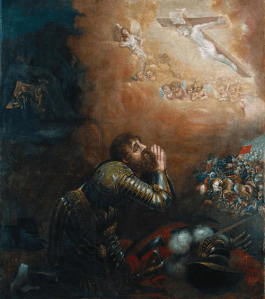
Visão de D. Afonso Henriques na Batalha de Ourique (c.1665), Por Frei Manuel dos Reis – MatrizPix, Domínio público

Mas afinal, o que é o tal Quinto Império? Eis um Resumo da página de Wikipédia:

O Quinto Império é uma crença milenarista que fazia parte da mitologia do país durante a expansão do seu império ultramarino, e emprestou legitimidade e apoio religioso a esta fase de conquista. Foi construído a partir de textos anteriores, principalmente o mito das três idades promulgado pelo monge Joaquim de Flora e teve como origem o livro do Daniel, onde aquele profeta viu uma estátua com pés de barro e, apesar de ser composta de várias metais, os pés eram vulneráveis a uma pedra atirada por um inimigo. Segundo o Padre, cada parte da estátua representa um império do mundo antigo e o Império Português seria a pedra que derrubaria tudo, sendo o quinto e último império que duraria durante mil anos, estabelecendo a paz por todo o mundo e realizando a vontade de Deus.

É quase indispensável para um novo reino expansionista ter uma ideologia forte para motivar os seus funcionários e soldados

Os três pilares do movimento são os seguintes

  • O estabelecimento da nação portuguesa após a Batalha de Ourique*, supostamente com a ajuda de Jesus Cristo e o Anjo Custódio de Portugal (o assim chamado Milagre de Ourique). Isto seria a pedra descrita no texto supra.
  • O messianismo de Gonçalo Annes Bandarra, ligado à obra do historiador D. João de Castro, inventor da ideia da “Quinta Monarquia”
  • A restauração portuguesa sob a liderança de D. João IV após o desastroso período de domínio espanhol que se seguiu à morte de D. Sebastião na Batalha de Alcácer Quibir e cujo resultado foi a crença que o novo rei restauraria a glória de Portugal e seria a cabeça deste novo império.

Este mito persistiu e serviu como pano de fundo d’A Mensagem, uma coletânea de poemas da autoria de Fernando Pessoa. Já li estes poemas sem preparação mas acho que é um livro que precisa de mais conhecimento do contexto histórico e cultural.

*Sou burro, eu sei, mas este nome “ourique” lembra-me da palavra ouriço, portanto imagino esta batalha como um exército de porcos-espinhos a lutar contra os mouros para a glória de Portugal e um grande cozido de minhocas e besouros.

Posted in English

O Príncipe Fresco de Bel Air

I’ve got a backlog of texts I’ve written for this blog but there aren’t many correctors around so the last couple of days’ posts are still sitting in drafts. They’ll all arrive in a rush, five at a time, I expect.

OK, let’s try and decipher why this tweet is funny. I have no idea but I expect finding out will be an educational experience…

Bazar is a sort of slang way of saying “leave” and Fazer a folha a alguém means making a leaf but as an expression it means plotting against someone. So…

The Mestre de Avis getting out of Paço after scheming against Count Andeiro (1383)

Basically, the gist of the story is here, and it goes back to the interminable story of Spain (Castille) wanting to dominate Portugal. After the death of Dom Fernando I in 1383, there was a wrangle over succession. Fernando’s only daughter had already been promised in marriage to King Juan I of Castille (despite being er… Only ten years old at the time… OK, let’s try not to think about that too much) but there was a treaty in place (O Tratado de Salvaterra de Magos) that explicitly ruled out Castille claiming dominion over Portugal as a result of that alliance.

João Fernando de Andeiro, known as Conde Andeiro had been a close advisor of Dom Fernando and remained a power in the land and a powerful influence over Fernando’s wife, Dona Leonor. But he was galician, born in Spain and there were rumours that he was too friendly toward Castille and that he was sleeping with Leonor and using his leverage as a way to undermine Portuguese independence. Things came to a head when Juan turned up in Santarém “persuaded” Leonor to renounce her regency and to allow the monarchy to pass to him and his primary-school-age wife.

O Mestre de Avis a matar o Conde Andeiro
“Take My Wife’s Name Out Of Thy Mouth”

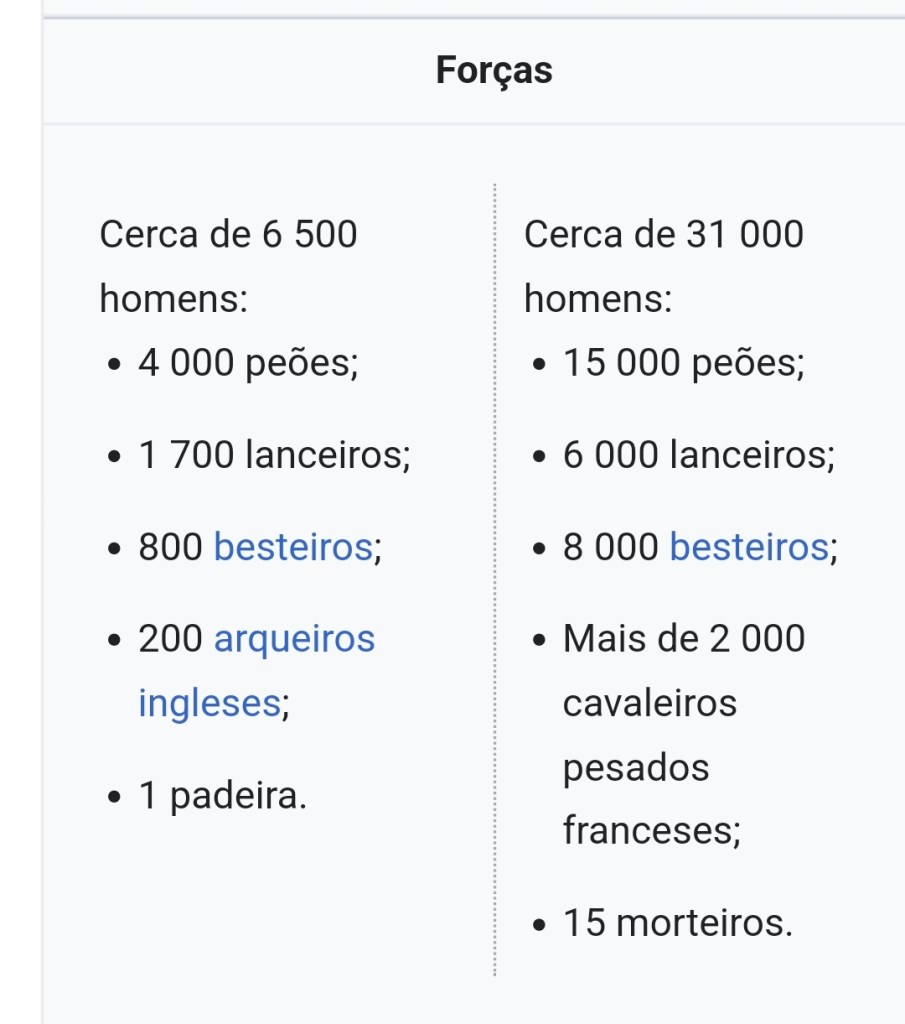
The Mestre de Avis, later known as João I, meanwhile had been proposed as an alternative successor to the throne by the court of Coimbra, and he rocked up one day in Paço with a bunch of friends and beat Andeiro to death. Thus started a crisis in the Portuguese succession which lasted a couple of years, culminating in the Battle of Aljubarrota, in which the Spaniards had their arses handed to them. Hilariously, the wiki page of the battle enumerates the forces on both sides and includes “1 padeira” on the Portuguese side. That’s a reference to A Padeira de Aljubarrota, a national hero. Her real name was Brites de Almeida and when she returned to her bakery after the battle she found seven Spaniards taking refuge in her bread oven (what? How big was the thing?) so she beat them with a shovel, slammed the door and lit the fire to bake them to death along with her bread. I have difficulty visualising this story to be honest, but I guess I’m not an expert in mediaeval bread-making technology.