So I was reading a graphic novel called “E Agora” by Raquel Sem Interesse yesterday and I came across this frame, in which the protagonist is on the wrong end of an overbearing, shouty boss.

Ooh, intriguing! What does that second bit, “Não é assim, é assado!” mean? Assado means roasted, so “It’s not like that, it’s roasted!”
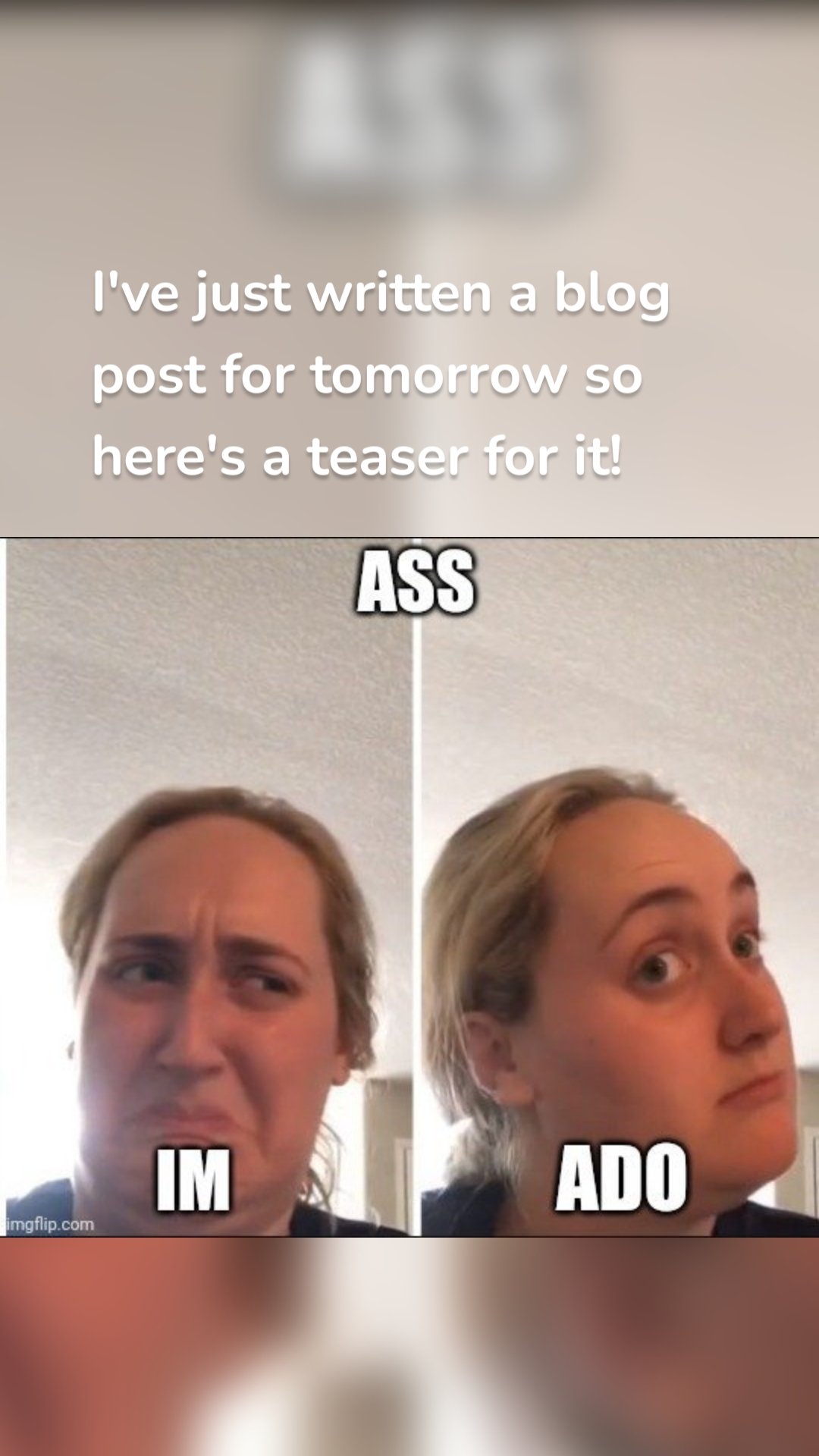
But why? Well, it’s nothing to do with actual roasting, literal or figurative. Assado just happens to sound like assim, so if you want to say “it’s not like this, it’s like that”, then “No é assim, é assado” works quite well.
You get the same word pairing in other situations – as “assim ou assado” or “assim e assado” or “nem assim, nem assado’ this or that, this and that, neither one thing nor the other.
Here’s a children’s book by Ana Pessoa, for example, which is about making choices, and Marco Neves, who I’ve mentioned before as a great explainer of the portuguese language, has written a book with the same title. And if you dig around you’ll find restaurants and podcasts and all sorts, using variations on the theme.
When I asked reddit, I got a couple of examples. If a child says “eu quero assim”, the parent might reply “não é assim, nem é assado”, which I guess is just a way of saying “well, tough!”. And if a client at work has very detailed requirements, you might say “ele disse que queria assim e assado”. It’s pretty common to hear such things, apparently, but I guess I just haven’t been paying attention!

 Luso
Luso 