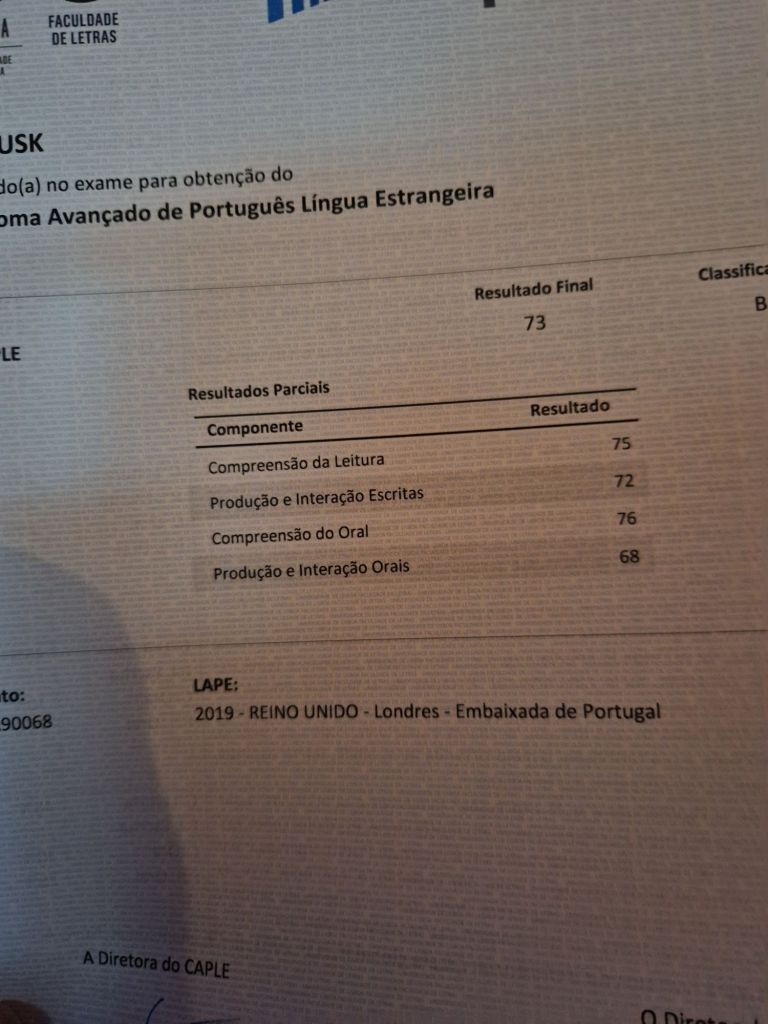
Posted in English

The Last Day: Wrath, Ruin and Reason in the Great Lisbon Earthquake of 1755 by Nicholas Shrady.

Lazy Post, reviewing an audiobook I finished recently, about the Lisbon Earthquake.

The Last Day by Nicholas Shrady

As the name suggests, the book is organised around the event that literally shook Lisbon and figuratively shook its empire in the middle of the eighteenth century. The day itself is described well, albeit undramatically, and the Marquês de Pombal’s life and legacy gets laid out, including the grizzly bits. Smashing people’s arms and legs with hammers, burning them alive. Oh, and rebuilding the city in line with modern techniques. He’s… Well, to borrow another term from the young folk, “morally grey”.

Anyway, so far so good, but it could have been more focused. I guess his thinking was that a lot of readers wouldn’t know the background so he gives us a tour of the main points of Portuguese history but he doesn’t section it off, he just sort of rambles back in the middle of the book. Maybe the general history stuff would have been better as an optional preamble to the main book. That way, he could have really drilled down both in the horror and chaos of the day itself and on the technical details of how they recovered. I want details, dammit!

My favourite aspect was his summary of how the different groups explained the event. We sometimes think our age is uniquely divided and that the two sides in our political disputes operate with different worldviews and different sets of facts, but in 1755 we have catholics fulminating about how God sent the earthquake for allowing the protestant heretics into Portugal and meanwhile in England, at memorials services for lost Port wine merchants, the vicars are telling their flocks it’s no wonder Portugal was ruined when it is full of dreadful popish idolatry.

Some things never change.

The audiobook reader gets a solid 8/10 for trying with the pronunciation. He obviously doesn’t speak portuguese, but he’s put the effort in to learn the ground rules of portuguese pronunciation and it shows. Instead of just saying all the names like they were Mexican drug lords in Breaking Bad, he pushes in the right direction. He gets a lot wrong, but he’s tried and I appreciate that.

Posted in English

Birth Order

This will probably come in handy again one day so might as well make a note of it…. how to describe oldest and youngest siblings

Filho primogénito – the oldest son

Irmão do meio – the middle brother

Irmão mais novo – the youngest brother

O benjamim is the youngest but can also mean the favourite son, or the favourite in a group, apparently. Ugh! Why would the youngest be your favourite? The first born is clearly the best. Oh and caçula just means youngest, not favourite.

Posted in English

False Friend of the Day

Catching up on some corrections from previous lessons. I have used the word “implicar” as a substitute for “imply” and although that meaning does exist (it’s definition 5 in Priberam), it’s more usually a much more aggressive word, meaning impede, cause something to happen or just generally stir things up. Used reflexively it means to feel confused. Insinuar seems to be the better choice if you want to say something like “I don’t mean to imply…” which is what I was trying to say.

Posted in English

Teaser

Here’s a sneak preview of my guest host for the blog I’m writing for release in a couple of days. He doesn’t usually get consulted much, for obvious reasons, but there was a mystery to solve…

Posted in Portuguese

Sobretudos de Madeira

Simon Farnaby
Say what you like, this was Simon Farbnaby’s finest hour!

This little exercise is an answer to a question about euphemisms for death in english. None of the translations of english expressions really exist in portuguese. I think I’ll be doing one about actual portuguese expressions around death in a couple of days though. There are loads to choose from!

Sim, existem certos eufemismos ingleses para abrandar o choque de falar sobre a morte de alguém. Além de termos o nosso equivalente da palavra “falecido” (“deceased”), é muito comum falar de um familiar como “no longer with us” (já não está connosco) ou ter “passed away” (foi-se embora). Isto acontece principalmente quando falamos com pessoas que perderam recentemente alguém. Acho que usamos este abrandamento para não magoar alguém por lhe lembrar abruptamente a sua perda. Também temos as nossas expressões coloquiais, muitas das quais são parecidas com as vossas. Por exemplo, nós também vamos desta para melhor (os religiosos dizem “com Jesus”). Não batemos botas nenhumas, mas pontapeamos baldes*? Sim senhora! E também compramos quintas**, mordemos o pó***, rebentamos os nossos… hum… (folheio o dicionário) tamancos****, vestimos sobretudos de madeira***** e empurramos os malmequeres para cima******. Até certo ponto, esta capacidade de rir com a morte é encorajadora. Desrespeitando o ceifador por falar nele assim, ficamos cada vez mais capazes de pensarmos no inevitável fim das nossas próprias vidas sem ficarmos deprimidos.

*Kick the bucket

**Buy the farm

***Bite the dust

****Pop your clogs

*****Wooden overcoat

******Push up the daisies

Thanks as always to Cristina for correcting this lot.

Posted in Portuguese

Slouching Towards Bedelhem

A Biqueira, a cozinheira madeirense que a minha esposa segue no Instagram lançou um livro há uns meses. Estou curioso por ler mas, tanto quanto sei, apenas se vende em duas livrarias.

Para promover este livro, ela vai “meter o bedelho” num evento em Caniço e mostrou uma receita sua.

Meter o quê?

Um bedelho é uma alavanca que se levanta manualmente sem chave.

E meter o bedelho é uma expressão que significa “intrometer-se” ou seja, fazer ou dizer algo relativamente a alguma coisa ou a alguém que não lhe diz respeito. Estou a roubar estas definições do Priberam, caso não seja óbvio, porque não sabia nada disto!

Posted in Portuguese

Luísa Cortesão

Há um texto no Português em Foco sobre a “grafitter” (artista de grafíti*) Luísa Cortesão. Segundo o texto, ela foi médica, especialista em endocronologia, mas reformou-se aos 59 anos por motivo de doença. Durante a sua reforma, a neta dela sugeriu-lhe que se inscrevesse num curso de arte urbana, principalmente sobre grafíti e o uso de latas de spray e de estênceis.

Bruxa

Em breve, tornou-se famosa com um estilo característico e uma assinatura em forma de bruxa a voar numa vassoura. Andava a grafitar as paredes da cidade e até deu aulas aos artistas mais novos. Fui procurar o texto original (que foi publicado na revista Visão) mas acabei por descobrir que a artista tinha morrido em 2016 com 65 anos.

*I don’t really know where this came from. Grafiteiro seems more common and I don’t think this word is even used in English. Weird.

Posted in Portuguese

Look Back in Missanga

Deparei-me com esta palavra no livro “Português em Foco”, e não a conhecia mas (ao contrário do vocábulo de anteontem) não me custou entender pois é muito simples. O escritor falou de uma mulher com “brinco de missangas na orelha”. Uma missanga é uma conta miudinha e redonda, de louça ou de massa de vidro. Mas quando fiz a pesquisa, quase todas as referências à palavra usam outra ortografia. Segundo o Priberam, missanga provavelmente deriva de quimbundo (uma língua angolana), mas é um exemplo de uma palavra que retém a sua divergência ortográfica apesar do AO: escreve-se “missanga” em Portugal e “miçanga” no Brasil. Mas espera lá, porque aqui vem mais uma reviravolta. Apesar de ter uma página a defender a sua escolha de grafia, o Priberam não tem uma definição de “missanga”. A grafia brasileira, “miçanga“, é a única grafia naquele dicionário. Acho que a palavra entrou na língua através do Brasil e por isso, talvez os lexicógrafos tenham achado que seria melhor usar a grafia brasileira como padrão.

Lots of good pun options here: Missanga Impoçible would have been quite good, but maybe a bit confusing.

Posted in English, Portuguese

Fado Português

A tradução de hoje é “Fado Português”. Se Amália cantou alguma canção, acho que convém usar a versão dela como base duma tradução, mas não existe um vídeo dela a cantar esta, e olha, a versão de Sara Correia é ótima, então porquê é que estás a resmungar? Vi-o na app Lingoclip, que estou a usar diariamente. Para ser sincero, é frustrante. Prefiro usá-la no modo especialista porque é mais fácil digitar tuuuuudoooo do que andar de um lado para o outro entre as letras e as opções, mas é preciso ter dedos extraordinariamente rápidos! Mas um fado é mais fácil do que um rap, portanto, se gostares de experimentar, recomendo que comeces com algo deste género.

PortuguêsInglês
O Fado nasceu um dia
Quando o vento mal bulia
E o céu o mar prolongava
Na amurada dum veleiro
No peito dum marinheiro
Que, estando triste, cantava
Que, estando triste… cantava
Fado was born one day
When the wind was barely stirring
And the sky held back the sea
On the hull of a sailing ship
In the breast of a sailor
Who, being sad, was singing,
Who, being sad, was singing.
Ai, que lindeza tamanha
Meu chão, meu monte, meu vale
De folhas, flores, frutas de oiro
Vê se vês terras de Espanha
Areias de Portugal
Olhar ceguinho de choro
Oh so much beauty
My ground, my mountain, my valley
With leaves, flowers and golden fruit
See if you see the lands of Spain,
Sands of Portugal
Vision nearly blind from crying
Na boca dum marinheiro
Do frágil barco veleiro
Morrendo a canção magoada
Diz o pungir dos desejos
Do lábio a queimar de beijos
Que beija o ar e mais nada
Que beija o ar… e mais nada
In the mouth of a sailor
Of the fragil sailing boat
The tortured song, dying
Tell of the torment of desires
From the lip burning with kisses
That kisses the air and nothing else
Mãe, adeus, adeus, Maria
Guarda bem no teu sentido
Que aqui te faço uma jura:
Que ou te levo à sacristia
Ou foi Deus que foi servido
Dar-me no mar sepultura
Goodbye mother, goodbye Maria
Remember what you see and hear*
That here I make an oath
That I will either take you to the sacristy
Or it was God that served me
By giving me a grave in the sea
Ora eis que embora outro dia
Quando o vento nem bulia
E o céu o mar prolongava
À proa doutro veleiro
Velava outro marinheiro
Que, estando triste, cantava
Well so it was that the next day
When the wind was hardly stirring
And the sky held back the sea
At the prow of another sailing ship
Sailed another sailor
Who, being sad, was singing,
Who, being sad, was singing.
Ai, que lindeza tamanha
Meu chão, meu monte, meu vale
De folhas, flores, frutas de oiro
Vê se vês terras de Espanha
Areias de Portugal
Olhar ceguinho de choro
Oh so much beauty
My ground, my mountain, my valley
With leaves, flowers and golden fruit
See if you see the lands of Spain,
Sands of Portugal
Vision nearly blind from crying

*Not very literal at all but I couldnºt make it make sense if I did it word for word.