Posted in Portuguese

Desmiolado

Estou tão contente por ter a oportunidade de ler mais nos últimos dias porque cria inúmeras ocasiões de encontrar palavras desconhecidas no seu habitat natural. Hoje, vi esta palavra num livro chamado “As Regras do Isolamento”. Desmiolado… Tentei adivinhar o significado, baseado na estrutura: des/miol(o)/ado: o meu primeiro pensamento era “desembaraçado”. Imaginei algo torto a ficar reto. Mas não é. O meu erro foi confundir “miolo” com “mola”.

Mola é… hum… Eh pá… Devia escrito isto em inglês… Força, Colin, aguenta-te! Uma peça metálica na forma de uma hélice, que faz parte de um relógio (se for pequeníssima!) ou de um colchão (se for muito maior) entre various outra coisas.

Miolo, por outro lado, é uma palavra que pode significar várias coisas, tipo a parte interna do pão, ou de certos frutos, mas por extensão pode também significar a parte interna de uma cabeça, ou seja, o cérebro; a massa cinzenta!

Afinal, o que quer dizer “pensamentos des/miol(o)/ados”? Pensamentos distraídos, sem juízo, sem coerencia, sem pés nem cabeça.

Posted in Portuguese

Olarilolé

Deparei-me com uma nova palavra, a Olarilolé. Segundo o artigo a palavra exprime satisfação ou surpresa ou pode até ser usada como uma saudação, mas o Priberam limita-se a falar do primeiro destes significados. Diz-se que a origem da palavra é na expressão árabe “la ilaha illa Allah” ou seja, “não há divindade senão Deus”.

Mas para mim o uso mais promissor é como uma alcunha nova para a minha filha, Olivia. Ela há de gostar, não achas?

(these kinds of things are probably very variable by time and place so, for the sake of completeness, here are some videos recommended after i wrote the initial post, that have variants on this theme as part of song lyrics: olaré, olaró, olari olaré and this fella who was on the PT version of The Price is Right and uses olarilole. (it’s terrible, I’m sorry, please do not watch this)

Posted in English, Portuguese

Homework

Expressions relating to eating and drinking, fixed homework, aiming to find equivalent expressions in English. Most don’t have literal identical versions in English, so I’m just looking for something more less equivalent.

Trincar qualquer coisa (Trincar =morder) 

Existem muitas opções. A minha preferida é “Have a little smackerel of something”, que é uma frase do livro Winnie the Pooh

Dar ao Dente 

Não há nada igual, mas talvez “nibble” seja a palavra mais parecida, uma vez que implica o uso dos dentes. 

Morfar (Morfar = comer ) 

Também posso sugerir várias alternativas mas acho que “scoff” é a mais próxima 

Encher o Bandulho (Bandulho =barriga) 

Acho que diríamos “fill your belly” 

Encher a mula (mula = mule)

Não temos uma expressão igual. Às vezes falamos de “fill your boots” (“encher as botas”) que pode ser semelhante mas não tem necessariamente a ver com comida. Pode significar “faz qualquer coisa tanto quanto quiseres”. Por exemplo, “Queres colher rosas no meu jardim? Vá lá! Enche as botas!”

Ferrar o dente

Diríamos “Get my teeth into” alguma coisita. 

Estar com larica (larica =erva daninha mas neste contexto quer dizer “fome”) 

Equivalente a “To feel peckish” 

Enfardar (enfardar = comer muito) 

Equivalente a “gorge” ou “binge” 

Matar o Bicho

Esta expressão pode significar “tomar o pequeno almoço”, ou até “dar uma gorjeta” mas para tratar uma ressaca bebendo aguardente em jejum é chamado “hair of the dog” em inglês. Se fossemos mordidos por um cão, é óbvio que precisaríamos dum pêlo do cão que nos mordeu. [this one is sort of complicated too and probably doesn’t quite mean “hair of the dog” but sometimes it’s just breakfast (implying the “bicho” is hunger) and sometimes just means booze for breakfast (the background explained in a one-minute-long video on this page)

Afogar as mágoas 

A única frase que tem uma equivalente muito próxima: to drown ones sorrows.

Dar de beber à dor

Hum… Drink to forget (beber para esquecer)? Não é igual, mas não consigo me lembrar de uma expressão melhor . 

Estar/ficar bem aviado (aviar =preparar) 

Diríamos “to be well-oiled”. Existem outras expressões mas acho que olear um avião ou um veículo é necessário antes da viagem e daí escolhi esta! [i got the translation slightly wrong originally. There are a few meanings for the word aviar in Priberam and I think I was lulled  by the similarity to “avião” to think of it as preparing for a trip, but it can be other kinds of preparation. For example, here’s a page telling EU citizens how to have their prescription made up in another EU country, and the word used is aviar. I think “Well oiled still works as an equivalent even if it isn’t quite as good as I thought it was]

Beber de caixão à cova (caixão = caixa grande para conter um cadáver; cova = o buraco onde se enterra o caixão) 

Mais uma vez temos muitas expressões tipo “tie one on” ou “go on a bender” 

Emborcar 

Podemos dizer “neck”, que nem sequer é um verbo, mas se fosse uma palavra portuguesa, seria “pescoçar”! 

Apanhar uma piela (piela = estado de estar bêbado)

Embora tenhamos um monte de adjetivos significando “bêbado” acho que não temos um substantivo no nosso calão que represente o estado de embriaguez. Tanto quanto sei, o único exemplo é “swerve” na expressão americana “Get your swerve on”, ou seja, bebe tanto que não consegues andar em linha recta. 

Enfrascar-se (enfrascar-se = meter em frascos) 

Dizemos “crawl into a bottle” que soa muito parecido mas o significado é mais perto de “Afogar as mágoas”. (after I wrote this I remembered that there are a couple of slightly antiquated expressions for drunkenness that are a bit closer: “Potted” and “pickled” both seem like the kind of thing you’d find in a PG Wodehouse novel when a member of the Drones Club had had one too many cocktails but they’re pretty good synonyms I reckon!)

Posted in English

Vir à Baila

After sniffing the “Erva-de-namorar” mentioned in yesterday’s post, the narrator says that whenever boys discussed girls who might be up for a bit of whatever the rural, early twentieth century portuguese equivalent of rumpy-pumpy might be, her name “vinha à baila”.

I could guess the meaning from the context, but to break it down, baila is a mention, or something that is to be talked about, and vir à baila is an expression meaning to come up for discussion.

Baila is a bit deceptive in that it looks like it ought to be something to do with bailar (which is a synonym of dançar) and baile (ball, but the kind of ball Cinderela goes to, not the kind Ronaldoella kicks around a field). Whether or not the two words were linked together at some point in the past, I’m not sure, but they don’t even share a priberam page now, so they’re not seen as part of the same family of words, as far as I can see.

Mas é claro que vais ao baile!
Posted in Portuguese

Erva-de-Namorar

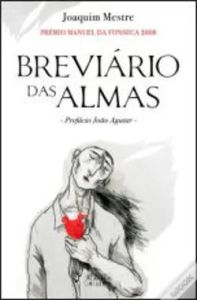
No livro “Breviário das Almas” a protagonista de um conto fala de uma planta que ela chama de erva-de-namorar. A mãe dela diz-lhe para não a cheirar porque quem a cheirar nunca se casará. E quis saber mais.

Segundo o setôr Google, erva-de-namorar é o nome popular* da planta herbácea, Armeria Marítima, mas o que me agarrou a atenção não foi o latim mas sim um outro idioma: o primeiro resultado da pesquisa é a página da Wikipédia Galega. Muitos outros sites na primeira página da pesquisa também se referiam à Galiza. 

Joaquim Mestre é de Beja que fica longe da Galiza, portanto assumo que a denominação existe também em Portugal mas suponho que é mais comum na Galiza.

Mas realmente não faço ideia. Fica o aviso: prestar atenção a esta imagem daquela planta horripilante. E não te esqueças: se alguma vez cheirares esta flor, ou leres um blogue sobre ela, nunca te casarás. Ups! Desculpa, eu devia ter mencionado isso no início do texto, certo?

Do not smell this jpeg

*I wrote “alcunha” but am alcunha is a nickname for a person, not a common name of a thing.

Posted in English

Flilping Hlelck

⚠️I originally scheduled this post for a bit closer to the date but I’ve just noticed the free tickets are only available till tomorrow so I’ve bumped it up the running order a bit!⚠️

Fellow book readers in and around London might be interested to check out this literary fair being held on the 31st of May. It’s aiming to cultivate literature in portuguese in the UK. Note, I didn’t say portuguese literature, but literature in portuguese, so a couple of the people on the panel discussions are portuguese but there’s an angolano, a moçambicano and half a dozen brasileiras… Um… Yes, I think I got the word ending right there, I’m pretty sure all the Brazilian reps are women so no 20p fine for me!

It’s on a Friday and I can’t afford to take a whole day off, but I’ve booked a (free!) ticket for the afternoon, and it looks like they have some interesting sessions planned.

Anyway, if that sounds interesting, here’s their Instagram so you can find out more, and the event subscription page is on Eventbrite here.

Posted in Portuguese

Breviário das Almas

Breviário das Almas

Este conjunto de contos interligados é incrível. Quero comparar Joaquim Mestre a um autor britânico cuja obra está muito na moda hoje, Alasdair Gray, autor do livro “Poor Things” que foi recentemente adaptado ao cinema. O seu “Unlikely Stories Mostly” também tem ilustrações e também tem elementos de humor e de magia, mas talvez a obra do Gray seja ainda mais lúdica e ainda mais mágico. Uma comparação mais apropriada seria com Calvino ou com Borges. A escrita é onírica, assombrada pela morte, mas tem uma simplicidade e um humor que avivam a leitura. Após algum tempo, vemos os laços que ligam os contos, uns aos outros, tornando o livro quase um romance episódico. Sem dúvida vou procurar mais livros do mesmo autor.